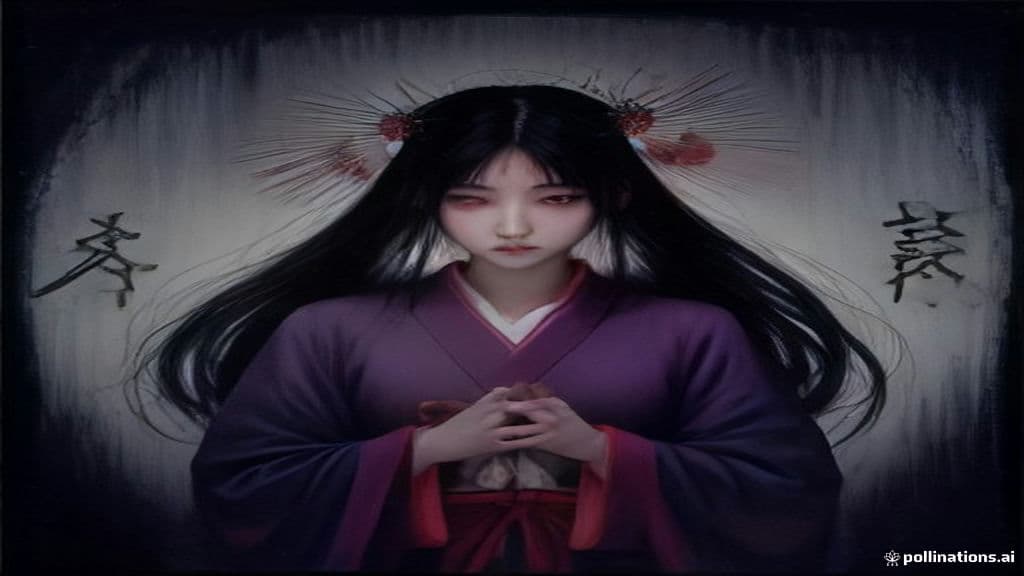
Within Shinto understanding, harae purifies pollution, sins, and uncleanness; by this purification it removes associated bad luck, disease, and guilt.
Harae (harai) is the general term in Shinto for ritual purification. It functions within Shinto practice to remove kegare—various forms of impurity that include ritual or moral pollution, misfortune, and states associated with illness. The sources available define harae at a conceptual level and identify it as a central element of Shinto ceremonial life. The provided material does not supply a fixed liturgy, a single standardized procedure, nor detailed doctrinal mechanics; rather, it names harae as the umbrella category for purification rites performed in Shinto contexts to address uncleanness and its consequences.
- 01No specific procedural steps are provided in the available sources; the provided material supplies only the definitional identification of harae as Shinto ritual purification and does not enumerate actions, words, order, or named prayers.
- ⚠The provided sources do not describe any contraindications, risks, or conditions under which harae should not be performed.
Community Record
- [1]Harae. Wikipedia, article 'Harae' (accessed source for definitional material: 'Harae or harai is the general term for ritual purification in Shinto.' and 'The purpose is the purification of pollution or sins and uncleanness. These concepts include bad luck and disease as well as guilt in the English sense.')wiki
- [2]Wikidata entry: harae. Wikidata label identifying harae as 'Shinto purification ritual'.other
- [3]CIA Reading Room document (unrelated content in provided corpus). Archive item included in research corpus but judged not pertinent to Shinto harae in the provided excerpts.other
- [4]Khrishnabhabna Athoiba Yoga (archive record containing unrelated keyword). Archive record that lists 'Harae Krishna Mantra' among keywords in that text; this is treated as unrelated to Shinto harae in the provided material.other