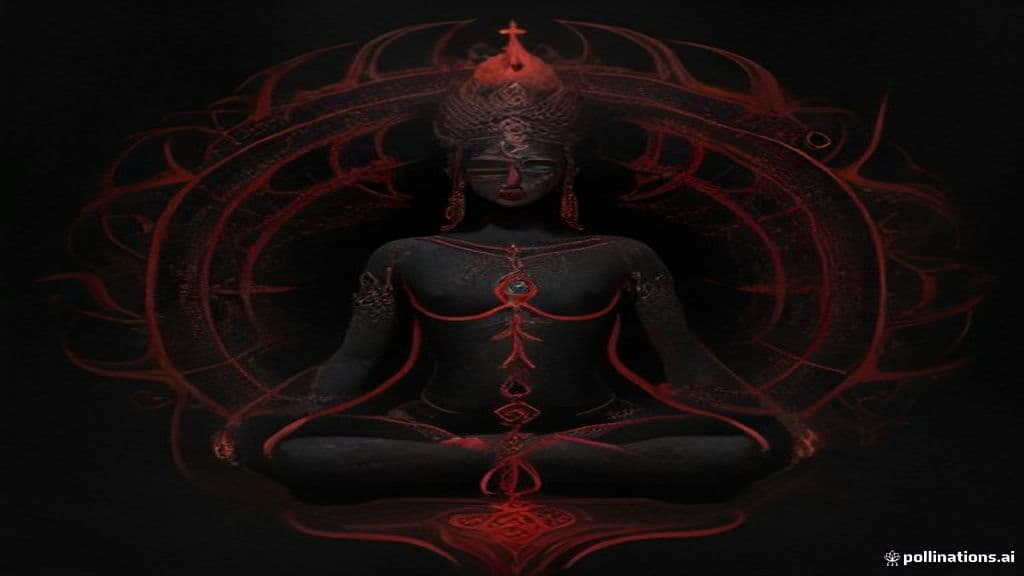
Within the traditions cited by the sources, Japa is claimed to function as meditative repetition that contributes to purification of the inner self, clarification of intellect (viveka), and progress toward deliverance/emancipation (as indicated by Upanishadic material linking mantra/Japa with realization). The sources portray Japa as a technique within broader spiritual practices aimed at overcoming illusion and attaining spiritual realization.
The sources supplied give a definitional account: Japa is the meditative repetition of a mantra or divine name and is found across multiple Indic religious traditions (Wikipedia). The Upanishadic compilation cited indicates that material on mantra and Japa appears in an appendix alongside discussions of chakras, naadis, and states of consciousness, linking Japa to Upanishadic soteriology and models of inner purification. Short aphoristic excerpts emphasize interior agency and the need for discrimination (viveka) to exit illusion, situating Japa as one element among practices aiming at self-purification and realization rather than as a liturgy for handling possession or discrete malign forces. The provided sources do not supply a liturgical sequence, prescribed materials, initiation requirements, or explicit contraindications; they therefore frame Japa at the level of definition and thematic placement within Upanishadic spiritual aims.
- 01Not specified in the provided sources — the supplied excerpts do not include a step-by-step procedural recipe for performing Japa. The sources define Japa as meditative repetition of a mantra or divine name but give no ordered liturgy, counts, placements, or precise instructions.
- ⚠Not specified in the provided sources — the excerpts do not list explicit contraindications or risks; they do emphasize the importance of inner purity and discrimination as conditions for spiritual progress.
Community Record
- [1]Japa (Wikipedia). Wikipedia, entry 'Japa' (accessed via provided source list). Quote: "Japa is the meditative repetition of a mantra or a divine name. It is a practice found in Hinduism, Jainism, Sikhism, and Buddhism, with parallels found in other religions."wiki
- [2]Viveka: La discriminazione. 9/14 (archive fragment). Archive fragment (item 3): contains aphorism "Il discernimento è fondamentale per uscire dall'illusione." Cited as indicating the thematic emphasis on discrimination (viveka) in exiting illusion.other
- [3]Dentro di te il problema e la soluzione. 14/14 (archive fragment). Archive fragment (item 2): contains aphorism "Sei tu a creare il tuo mondo!", used in sources to illustrate emphasis on interior agency.other
- [4]The Metaphor Of The Hansa In The Upanishads (summary / compilation). Archive summary (item 4): notes that the compilation's appendices include (iii) "The concept of Mantra and Japa in a succinct manner" and describes Upanishadic themes linking purification, clear intellect, and attainment of deliverance. This indicates Japa's appearance in Upanishadic treatment but does not provide procedural details.other