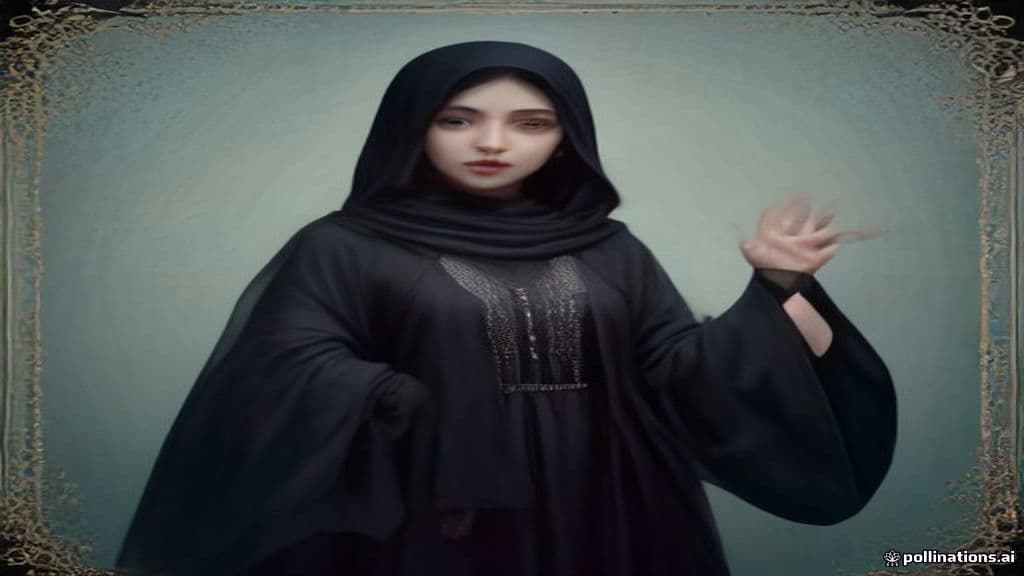
According to the classical scholion, recited or enacted charms (ar-ruqa) protect a place or creature by deterring jinn and similar malevolent beings, so that the jinn will not approach except if unusually audacious.
In the sole directly relevant source available here — a scholion in a classical Arabic poetic commentary — ar-ruqa (plural of ruqyah) is defined as 'charms' that are "uttered or expressed in actions (blowing, waving, &c.)." The entry situates ruqyah in a lexical and folkloric field alongside at-tamīm / tamimah (talisman, amulet), the latter described as a material item attached to the protected creature. The scholion uses these terms in a practical, popular register, noting that such protections are thought to keep jinn from approaching places (an example given concerns places where horses are kept), except for exceptionally audacious jinn. The source does not preserve any fixed liturgy, formulaic text, or a step-by-step ritual script; it likewise does not specify who performs ruqyah or detail contraindications. Because the extant note is brief and lexical rather than procedural, this entry reports only what the commentary explicitly states and marks absences of data where the source is silent.
- 01No full procedural sequence is preserved in the cited scholion; the source attests only that ruqyah consists of uttered charms and expressive actions.
- 02If following the terminology in the source: utter a protective charm aloud (the scholion provides no specific words to be recited).
- 03Accompany the utterance with an expressive action such as blowing toward the place or waving (the scholion lists blowing and waving as examples of actions associated with ruqyah).
- ⚠The cited source does not record explicit contraindications or ritual risks associated with performing ruqyah incorrectly.
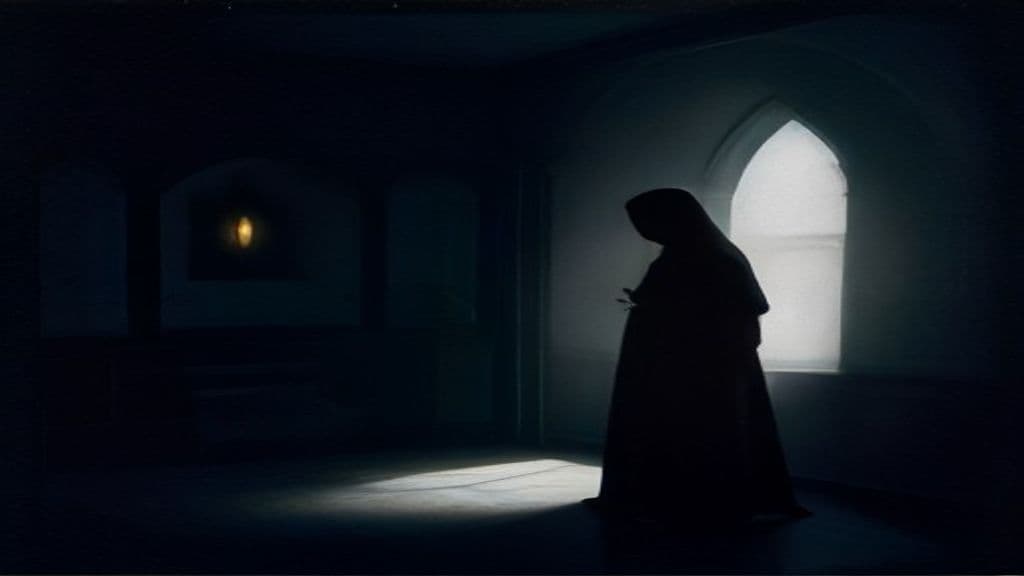
Qareen
The personal spirit companion assigned to every human being at birth in Islamic theology — a jinn double that knows all of a person's secrets and whispers toward sin throughout their life.
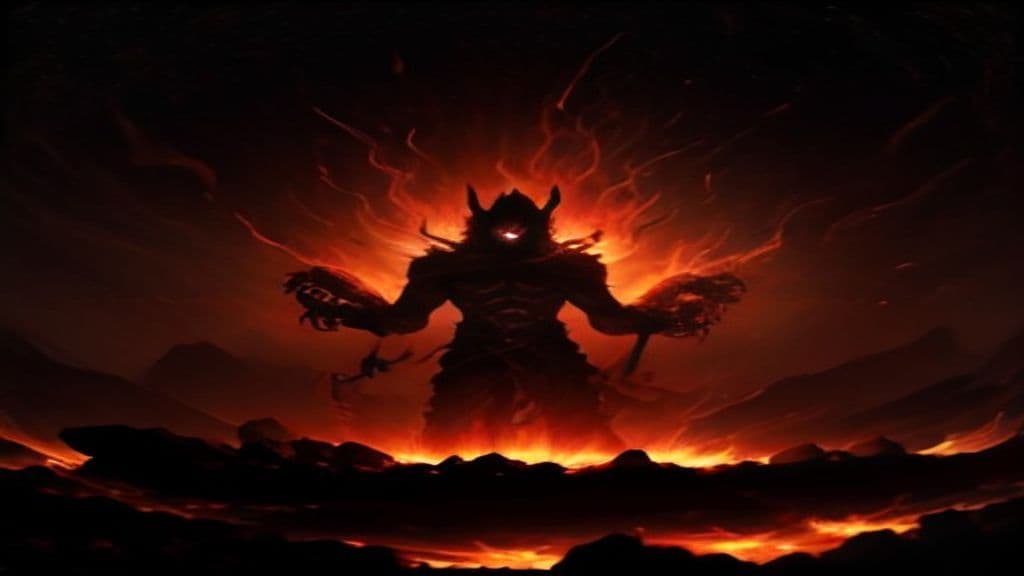
Ifrit
One of the most powerful classes of jinn in Islamic and pre-Islamic Arab tradition — a fire-born being of immense strength and cunning, capable of great works of engineering and terrible violence.

Marid
The most powerful class of jinn in Islamic tradition — beings of the sea, associated with the deep ocean, storms, and the granting of wishes at terrible cost. The classic genie of the Arabian Nights.
Community Record
- [1]An Outstanding Mare - Salamah (classical scholion quoted). "'Charms', ar-ruqa, pi. of ruqyah; 'amulets', at-tamlm, pi. of tamimah ... Ruqyah signifies generally a charm uttered or expressed in actions (blowing, waving, &c.), while tamiimah means something attached to the creature to be protected." (scholion in classical poetic commentary)literary
- [2]Perma.cc capture listing (archival reference). Archive listing cited in research notes; indicates related captures and context for classical material referenced.other