
Attested accounts present the Bacab primarily as a fourfold set of elder brothers placed at the four world-points to hold up the sky and stabilize the world-quarters. Colonial-era summaries record variant accounts in which a Bacab may be treated as a singular filiational figure (e.g., a son of Itzamna and Ixchebelyax in a Hernández-like account) and Gulf Coast variants recall Bacab-like 'Grandfathers'—drowned ancestors who serve as earth-carriers for a year and one of whom opens the rainy season. Sources present these as complementary regional and historical variants rather than a single unified narrative.
Iconographically the Bacab corresponds to the Classic-period 'God N' figure: an aged, often bearded elderly manbearing attributes linked to the interior earth and water (conch, turtle, snail or shell, spider-web, or bee armour) and a characteristic netted superfix/headdress element. They are depicted in fourfold formation carrying a sky-dragon or architectural slabs/roofs; individual scenes sometimes show an old, shell-hidden Bacab within a cave-shell or inhabiting a turtle, underscoring subterranean and cave symbolism.
Their principal functions are cosmological and ritual: represented as sky-bearers who hold up and separate sky and earth and as patrons of the four world-quarters; intimately tied to subterranean waters, thunder, and meteorological phenomena. Each Bacab is associated with a cardinal direction and an associated Year Bearer day and is invoked in divination about crops, weather, and bee health. They are closely associated with Chaac (rain deities) and Pawahtuns (wind deities). The Bacabs are also central to early-colonial curing corpora (the Ritual of the Bacabs) and are repeatedly invoked in curing rites; Gulf Coast variants include cyclical, ancestral office-holders who open the rainy season and in some local accounts are characterized as drunken or lecherous thunder elders.
Weaknesses
- otherNo specific weaknesses recorded in provided sources; mythic scenes sometimes show Bacab threatened or extracted from shell/cave by a younger warrior, indicating narrative vulnerability in particular iconographic episodes.
Wards
- ritualInvocation of the directional Bacabs
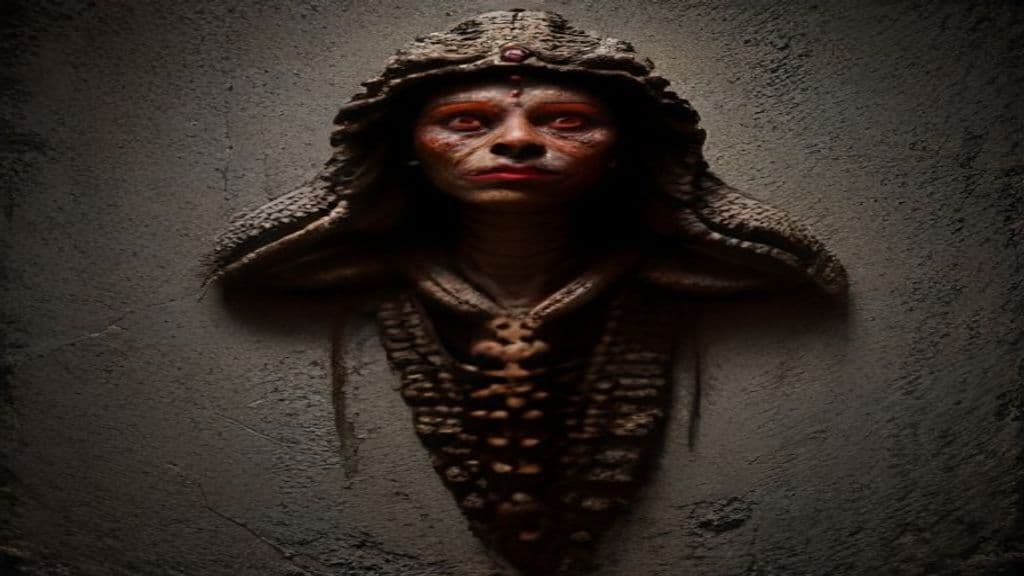
Chaac
Chaac is the Maya god of rain, thunder, and lightning, a central agricultural deity who produces storms by striking clouds with a lightning axe. He appears as both a singular figure and as multiple directional Chaacs, is associated with subterranean waters (cenotes and caves), and is the focus of communal rain-request rituals and specialist rainmaker practices.
Itzamná
Itzamná is a principal upper-world creator deity in Maya religious thought, associated with the sky, priestly arts (including writing), calendrical authority, agriculture (maize), and rulership. He appears across Classic iconography and Postclassic codices in multiple transformative aspects (aged tonsured maize form, a Principal Bird Deity, and within a two‑headed caiman earth image) and is invoked in specific ritual months in early‑colonial reports.
Acat
Acat is a Maya deity associated with the craft and ritual of tattooing, described in the cited sources as being invoked in relation to the tools, inks, and workspaces of tattoo artists and as steadying the artists' hands so tattoos made in the image of gods could confer those gods' power.
Ah Muzen Cab
Ah Muzen Cab is a Yucatán Maya divine figure associated with bees and honey, attested in summary sources as protector of Melipona bees and as a participant in Chilam Balam creation and ritual chapters. He is also linked in secondary accounts to the upside-down 'Descending' or 'Diving God' image found in Maya iconography at sites such as Tulum.
Akna
Akna is a female figure named in modern secondary sources as associated with childbirth and motherhood. The provided materials conflate brief mentions linking the name to both Maya and Inuit maternal goddesses; primary Maya iconographic or epigraphic evidence for a distinct Maya Akna is not supplied in the sources.
Alux (aluxoʼob)
The alux (plural aluxoʼob or aluxob) is a small, place-bound sprite or spirit in Maya tradition of the Yucatán Peninsula, Belize, and Guatemala, conceived as knee-high, miniature, traditionally dressed Maya-like beings created by ancient gods and normally unseen but able to assume physical form to communicate or frighten humans.
Anteater (tradition)
In the provided sources, 'Anteater' refers to the real-world mammals of the suborder Vermilingua and to modern cultural/technical items named after that animal (games, software, student media). There is no documentation in these materials of an anteater as a supernatural entity within a traditional cosmology.
Awilix
Awilix is a principal deity of the Postclassic Kʼicheʼ Maya centered at Qʼumarkaj, serving as a lunar and night-associated patron of the Nijaʼibʼ lineage. The deity is linked with the moon, night, the Underworld, sickness and death, and is a patron of the Mesoamerican ballgame; sources record both feminine and possibly masculine identifications.
Balam
Balam is a name that appears in modern secondary demonological compilations and in English-language reference listings as a demon-name; the supplied sources do not provide primary traditional descriptions, rites, or a sustained cosmology for a demon called Balam. The same lexical form (B'alam/Bahlam) is also a Maya-language word meaning 'jaguar' and occurs widely in Maya personal and place names, a distinct and unrelated usage.
Camazotz
Camazotz is a bat-associated spirit in Late Post‑Classic Kʼicheʼ Maya narrative (notably the Popol Vuh) and a recurring bat motif in Classic Maya iconography. In the Popol Vuh Camazotz appears as bat-like beings serving the lords of Xibalba who attack the Hero Twins; Classic imagery links leaf‑nosed bats to night, death, disease, and nahual (way‑spirit) functions.
Chaac
Chaac is the Maya god of rain, thunder, and lightning, a central agricultural deity who produces storms by striking clouds with a lightning axe. He appears as both a singular figure and as multiple directional Chaacs, is associated with subterranean waters (cenotes and caves), and is the focus of communal rain-request rituals and specialist rainmaker practices.
Chahk (Chac) — Classic Maya palace deity/manifestation
A Classic Maya divine figure depicted in late 8th-century palace art and associated with elite ritual contexts. In the provided sources the figure appears as a small, held effigy described as “a god of royalty,” notable for a serpent leg, grotesque head, and a smoking torch on its brow; textual references on the panel refer to an undefined ritual completed in 795.
Chaneque
Chaneques are small, place-bound sprite-like beings in Mexican and wider Mesoamerican folklore, described as owners or inhabitants of particular dangerous places and as guardians of nature and households. Traditions portray them ambivalently: they may protect harvests and homes when propitiated, yet can mislead travelers, displace souls, cause illness, or physically harass people in some accounts.
Chin
Chin is a named male numinous figure attested in colonial-era Spanish descriptions of certain Maya groups (notably Verapaz and reports from the Itzá) as having demonstrated sexual intercourse with other male deities and humans; his actions are cited etiologically in those sources as a precedent for regulated same-sex practices in some Maya communities. The surviving extracts do not present Chin with a full cult biography, ritual prescriptions, or iconographic identification in primary indigenous texts.
Community Record
- [1]Bacab — Wikipedia. Wikipedia, 'Bacab' entry (summaries of ethnographic, iconographic, and ritual material).wiki
- [2]Book of Chilam Balam of Chumayel (quoted passages in summaries). Quoted passage from the Book of Chilam Balam of Chumayel as cited in source summaries on Bacab cosmology.other
- [3]Archive footage and description: Pok ta Pok invocation. Archive description of modern Pok ta Pok events noting ceremonial evocation of the Lords of the four cardinal points (Bacab of the East, etc.).other
- [4]Name-Doctor: Bacab name meaning. Name-Doctor summary of Bacab etymology and meaning as 'the four aged deities of the interior of the earth.'other