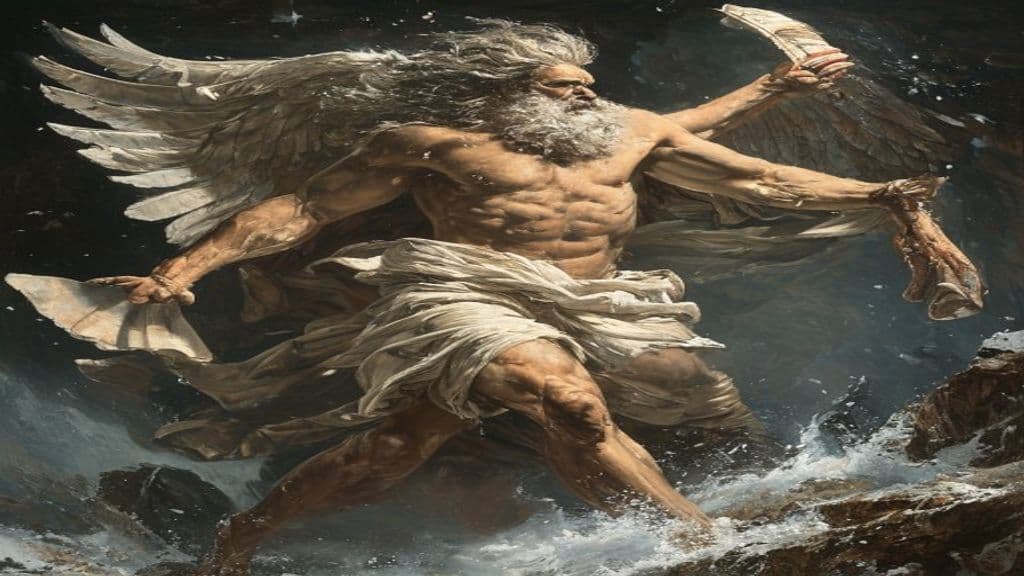
In Greek mythological genealogy Boreas is a child of Astraeus and Eos (dawn) and thus one of the Anemoi, the directional wind gods. He is brother to other winds (for example Zephyrus and Notus) and in myths fathers notable offspring — sons Zethes and Calais (the Boreads) and daughters such as Chione and Cleopatra — through unions with mortal women (notably the abduction of Oreithyia). Classical writers and later Roman authors equate him with northern Roman wind-deities such as Aquilo or Septentrio.
Classical and artistic descriptions portray Boreas typically as a strong, often bearded man sometimes shown winged or with winged feet; iconography includes a billowing cloak, conch shell, and shaggy hair often frosted or spiked by cold. Literary variants are recorded (e.g., Pausanias reports a version in which he has snakes instead of feet), so depictions range from winged older man to a young shaggy-bearded figure and occasionally include serpentine features.
Boreas controls the cold north winds, storms, and winter weather; he is credited in myth with producing violent gales and storms that can wreck ships (classical tradition attributes a destructive wind that sank parts of the Persian fleet to him), with causing cold and winter conditions, and with sexual/violent abduction in narrative (notably carrying off Oreithyia by wrapping her in a cloud). He can assume animal forms in myths (e.g., a stallion to sire extraordinary horses) and sires legendary offspring (the Boreads and daughters who figure in other myths). He is temperamental and may be propitiated or honored in civic cult.
Weaknesses
- conditionopposition by heat (literary fable tradition)
Wards
- ritualCivic propitiation / shrine foundation at Ilissos (Athenian practice)
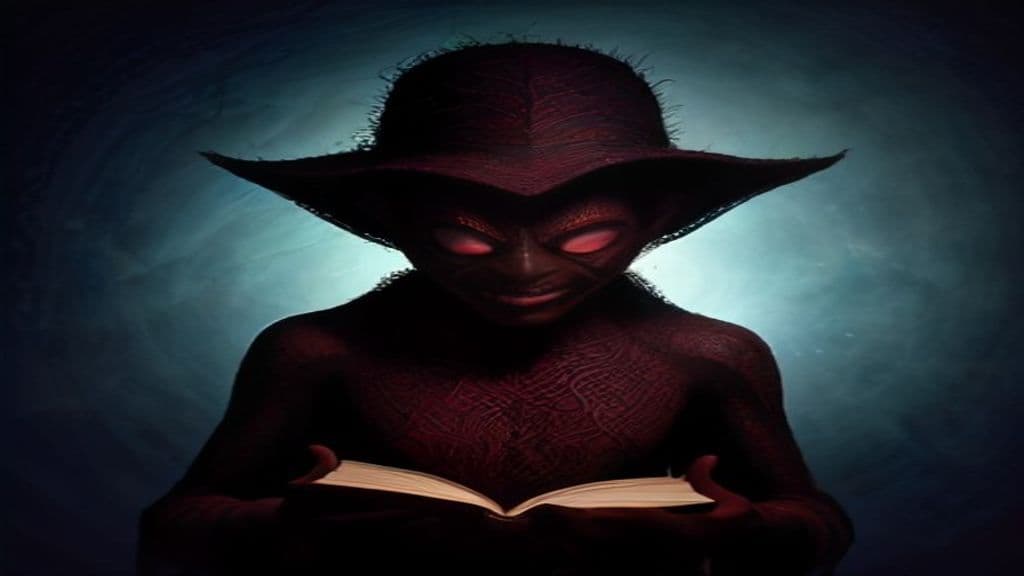
Anansi
The spider trickster god of Akan folklore — cunning, mischievous, and wise. Keeper of stories and teacher of human beings, brought through the slave trade into Caribbean and African-American tradition.
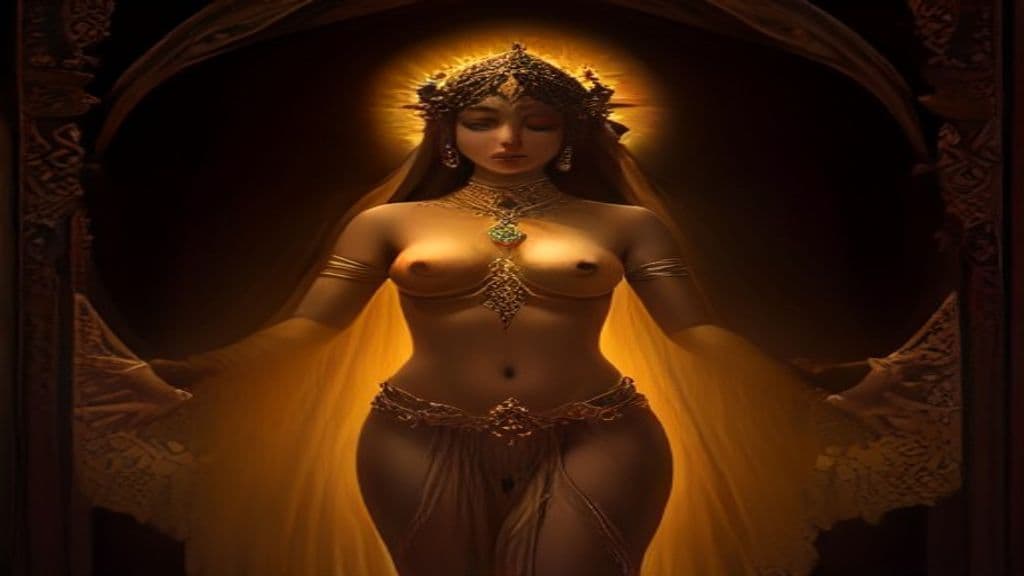
Apsara
Celestial dancers and water nymphs of Hindu cosmology — beautiful semi-divine beings who dance at the court of Indra and, by his command, descend to earth to distract sages from excessive asceticism.
*Péh₂usōn (reconstructed)
Péh₂usōn is a hypothetical Proto‑Indo‑European pastoral guardian reconstructed by comparative scholars from parallels in Greek and Vedic traditions. Proposed as a Graeco‑Aryan ancestor‑figure, the reconstruction describes a protector of flocks, roads, and travellers rather than an attested historical cultic personality.
Aba (disambiguation / name-form)
Aba is a polyvalent name-form attested across many unrelated contexts (place names, personal names, animal names, and brief mythological listings). The provided sources do not support a single, coherent supernatural entity called "Aba" and offer no descriptive or ritual material for such a being.
Abarbarea
Abarbarea is a name attested in classical Greek and Roman sources for freshwater nymphs (naiads). The name appears for at least two individual mythic figures — a naiad wife of Bucolion and a naiad counted among ancestors of the Tyrians — and Hesychius records plural forms that may indicate the name was also used as a class-name (Abarbareai / Abarbalaiai).
Abas
Abas (Ancient Greek: Ἄβας, gen.: Ἄβαντος) is not a single mythic being but a recurring personal name borne by multiple mortals and minor mythic figures in Greek epic and genealogical traditions — kings, founders, seers, warriors, attendants, a centaur, and a youth transformed by a goddess. The name is glossed in the sources as 'guileless' or 'good-hearted' and appears across Argive, Theban, Trojan, Euboean, and other local cycles.
Abderus
Abderus (Ancient Greek: Ἄβδηρος, romanized Ábdēros) is a mortal heroic figure in Greek myth closely associated with Heracles, remembered as the youth left in charge of the Mares of Diomedes who was killed by them. He functions as an eponymous local/divine-hero ancestor for the city of Abdera and received funerary commemoration and athletic agones at his tomb.
Abomination of Desolation
An apocalyptic prophetic phrase originating in the Book of Daniel designating a profaning thing or act that renders the Jerusalem Temple cult desolate; later reused in the Synoptic Gospels as an eschatological sign prompting urgent flight. The term denotes ritual/cultic impurity (Hebrew shiqquts) and is variously interpreted as pagan offerings or altar, a foreign cult statue, or (in some New Testament readings) an acting agent.
Absyrtus
Absyrtus (Ancient Greek: Ἄψυρτος) is a Colchian prince in the Greek Argonautic cycle, son of King Aeëtes and brother or half-brother of Medea. He appears in variant traditions either as a companion taken by Medea during her flight with Jason and murdered/dismembered to delay pursuit, or as a pursuer sent by Aeëtes who is overtaken and slain by Jason; his death functions as a key narrative device in the escape from Colchis.
Acacallis
Acacallis (Ancient Greek: Ἀκακαλλίς; also Acalle) is a mythological princess of Crete in Greek tradition, daughter of King Minos and Pasiphae. She functions primarily as a dynastic and etiological figure: in varying accounts she is mother, by gods such as Hermes (Mercury) or Apollo, of eponymous or founder-figures like Cydon (founder of Cydonia), Miletus, or Lydon/ Lydus.
Acacus
Acacus (Ancient Greek: Ἄκακος) is, in Arcadian Greek tradition, a mortal eponymous founder-king of Acacesium and is remembered as the foster-father who reared the infant Hermes (Mercury) in that local tradition. He is presented in genealogies as a son of Lycaon and functions as a local ancestral/onomastic figure rather than a supernatural spirit.
Academus
Academus (Greek: Akádemos / Hekádemos) is an Attic hero-eponym tied to a sacred grove (Akademeia) on the Cephissus near Athens. In myth he revealed where Helen was hidden to the Dioskouroi, an act said to have saved the city, and the place bearing his name became a long-lived sacred precinct, later the site of Plato's Academy.
Acamas
Acamas (Ancient Greek: Ἀκάμας) is a personal name recurrent in ancient Greek narrative traditions applied to multiple human characters (warriors, princes, suitors), once to a Cyclops, and once as a hound's name. Rather than a single supernatural entity, bearers of the name appear episodically across the Trojan War, Theseid, and Theban cycles as mortal actors whose deeds intersect with gods and fate.
Acantha
Acantha (Ancient Greek: Ἀκάνθα, 'thorn') is a late or secondary mythological figure known from modern retellings as a nymph transformed into the acanthus plant. The tale that she scratched Apollo and was changed into a spiny-leaved plant is not attested in surviving classical corpora and appears to be a modern compilation or invention rather than a firmly documented ancient myth.
Community Record
- [1]Boreas — Wikipedia. Wikipedia contributors, 'Boreas,' Wikipedia, The Free Encyclopedia.wiki
- [2]Boreas — attalus.org (in ancient sources). Attalus: Boreas — compilation of ancient source referencesliterary
- [3]Boreas — Biblical Cyclopedia. Biblical Cyclopedia entry on Boreasother
- [4]Summary notes provided (compiled classical summaries). Compiled research notes supplied to editor summarizing classical descriptions, iconography, and civic cult references (Ilissos shrine, Hyperborea, Oreithyia narrative, Pausanias note on serpentine feet, Aesop anecdote).other