
Mythic materials and local manuscripts (for example Tantu Pagelaran, Wawacan Pohaci, Wawacan Sulanjana and related Wawacan texts) place Dewi Sri in cosmogonic and origin narratives for the rice plant. Scholarly summaries record two complementary historical strands: a prehistoric, autochthonous rice-goddess cult tied to early rice domestication in the region, and a later layer of syncretism in which Dewi Sri is equated or identified with the Sanskritic Sri/Lakshmi within Hindu-influenced religious frameworks. Both the indigenous agricultural origin and later Sanskritic assimilation are attested in the regional literature and ethnographic studies cited for the tradition.
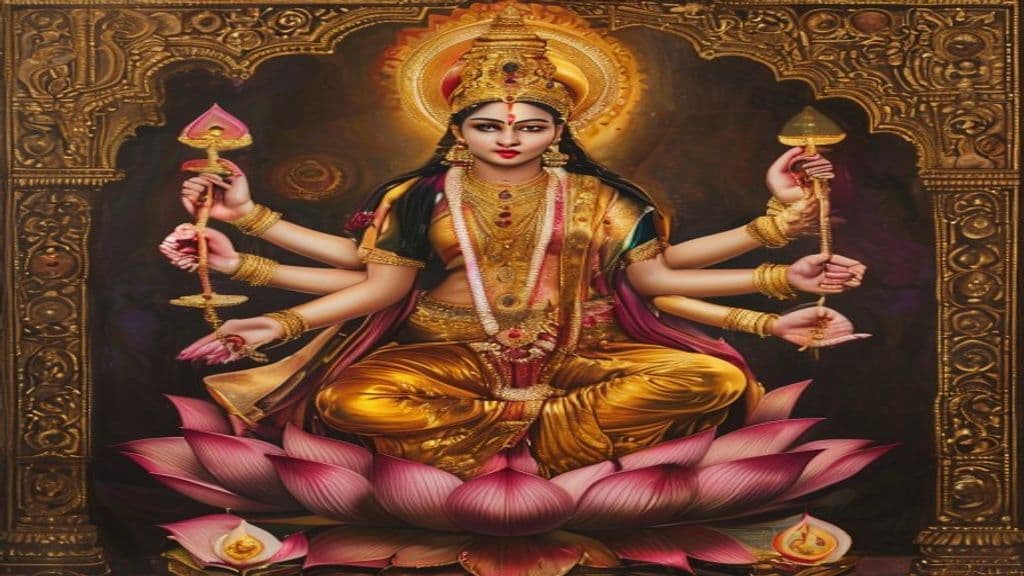
Iconographic references in local sources emphasize rice-related attributes rather than a standardized bodily description. A distinctive attribute recorded in Indonesian depictions is Dewi Sri holding a sprig of rice (noted specifically as held in her left hand in some accounts). Beyond this rice imagery, sources supplied do not give a consistent, detailed physical description; epithets and honorifics (e.g., Nyai, Dewi) present her as a feminine, often maternal figure.
Dewi Sri is believed to preside over the rice plant and, by extension, fertility, household and communal prosperity, and the avoidance or reversal of famine and scarcity. Her favor is sought for successful cultivation and rice surpluses; conversely, crop failure and hunger are framed as inverses of her benevolence. She is culturally associated with elements of the paddy ecosystem, including the rice paddy snake (ular sawah), which appears in regional mythic imagery and symbolism.
Weaknesses
- otherNo explicit combative vulnerability recorded; conceptual 'weakness' is framed as influence over fertility and harvests rather than a physical or magical weakness
Wards
- ritualVeneration and offerings to Dewi Sri
Acintya
Acintya is an Indonesian Hindu theological-symbolic representation of the ineffable supreme divine principle. In Balinese and Javanese practice it functions as a way to make ultimate reality present in ritual and art—often aniconically as an empty throne (padmasana) or anthropomorphically as a naked, flame-surrounded figure—rather than as a narrative, intervening deity.
Adi Vinayaka
Adi Vinayaka (Ādi Vināyaka; also called Nara Mukha Vinayaka) is a named iconographic and devotional form of the Hindu god Ganesha portraying the deity with a human head, described in sources as the form before the episode of decapitation by Shiva. It is rarely worshipped and appears in a small number of South Indian shrines and in devotional/musical repertoires.
Agastya
Agastya (also Agathiyar/Agasti) is a revered Vedic and later-period Indian rishi (sage) figure credited in textual traditions as an inspired seer, ascetic, teacher, culture-founder, and attributed author of Vedic, Puranic and Tamil works; in South Indian tradition he is associated with origins of Tamil grammar and Siddha medicine and is identified astronomically with the star Canopus.
Agiya Baital
The fire-form of the Vetala — a cremation ground spirit of UP and Bihar that manifests as a wandering flame rather than a corpse-inhabitor, leading night travellers off roads and into marshland or flames with a dancing fire that seems always just ahead.
Agniveśa
Agniveśa is a legendary rṣi (sage) in the Ayurvedic textual tradition, traditionally credited as the pupil of Punarvasu Atreya and as the attributed author of the lost Agniveśa Saṃhitā / Agniveśatantra. Later Ayurvedic compilers, notably Charaka, are described in the sources as having compiled, edited, and modified material attributed to Agniveśa into texts such as the Charaka Saṃhitā.
Ahiravan (Mahiravan)
Ahiravan (also Mahiravan) is a rakshasa-king of Patala in Ramayana-derived narratives who abducts Rama and Lakshmana to sacrifice them to a goddess. Presented as a brother or trusted ally of Ravana in eastern Ramayana recensions, he is defeated and beheaded by Hanuman with divine aid.
Aiyanar
Aiyanar (Aiyaṉār, ஐயனார்) is a Tamil rural tutelary deity venerated chiefly in village contexts of Tamil Nadu and among Tamil communities in Sri Lanka. Portrayed as a martial guardian often mounted on a horse or elephant and accompanied by attendant spirits, he functions primarily to protect village boundaries, people, and livestock and has later been syncretized with the Sanskritic Sastha tradition.
Aiyyanar
Aiyyanar (also spelled Aiyanar) is a Tamil rural village deity venerated in South India and Sri Lanka, primarily among rural Tamil communities. He is associated in material culture with large, colorful roadside and temple statues often shown with companions and mounted on horses or elephants, and functions as a local protective/patronal figure within village devotional practice.
Aji Saka
Aji Saka is a legendary Javanese culture-hero and foundational figure credited in tradition with pacifying Java, founding a kingdom at Medang Kamulan, instituting the Saka calendrical era in Java, and composing the hanacaraka mnemonic poem tied to the origin of the Javanese script.
Akṣayakumāra
Akṣayakumāra appears in the Ramayana as the youngest son of Rāvaṇa and a warrior sent to oppose Hanuman in the Ashoka Vatika episode; described as about sixteen, he fights bravely from a chariot and is killed by Hanuman.
Alakh Niranjan
A doctrinal and devotional formula in the Nath-yogi tradition denoting the unseen, unblemished ultimate reality (Nirguna Brahman/Atman). Used as a salutational invocation, theological name, and signifier of realised Self rather than a personified supernatural being.
Alakshmi
Alakshmi is an inauspicious female supernatural figure in Hindu tradition, presented as the negation or shadow-counterpart of the prosperity-goddess Lakshmi. She personifies poverty, grief, jealousy and social discord and is managed in domestic ritual and festival practice.
Community Record
- [1]Dewi Sri. Wikipedia: Dewi Sriwiki
- [2]Dewi Sri in Village Garb: Fertility, Myth, and Ritual in Northeast Java. Heringa, Rens. 1997. 'Dewi Sri in Village Garb: Fertility, Myth, and Ritual in Northeast Java.' Asian Ethnology 56 (2): 355–77.academic
- [3]Wikidata: Dewi Sri. Wikidata entry Q25270485other