
Sources present the hākuturi as a multitudinous class of forest-attending beings connected to Tāne, the god of the forest and ancestor of birds. They are described in tradition as the host or myriads of Hakuturi (Te Tini o Hakuturi). Rather than a single founding narrative, their role is demonstrated in episodes such as the Rātā story: when Rātā felled a tree without performing the proper incantations and rituals, the hākuturi re-erected the tree to rebuke him, and after he showed remorse they felled it again and made it into a canoe for him in one night.
Accounts describe the hākuturi as a multitude of small beings often regarded as birds or birdlike; some local traditions identify particular small native birds (for example, whitehead) with the hakuturi. Sources emphasize their multitudinous, host-like nature rather than a single anthropomorphic form. Regional stories and modern representations vary, but the birdlike/multitude imagery is recurrent in the cited material.
The hākuturi act as custodial agents of the forest: they avenge desecration of the forest's sacredness, rebuke humans who cut trees without proper ritual observance (for example by re-erecting felled trees), and can restore or perform repair when human penitence is shown (as when they felled and carved a canoe for Rātā overnight). Their agency is collective and responsive to human ritual behaviour; some sources present them as offspring or agents of Tāne, placing their actions within Tāne's guardianship of the forest and birds.
Weaknesses
None recorded.
Wards
- ritualperformance of proper incantations and rituals (karakia) before felling trees
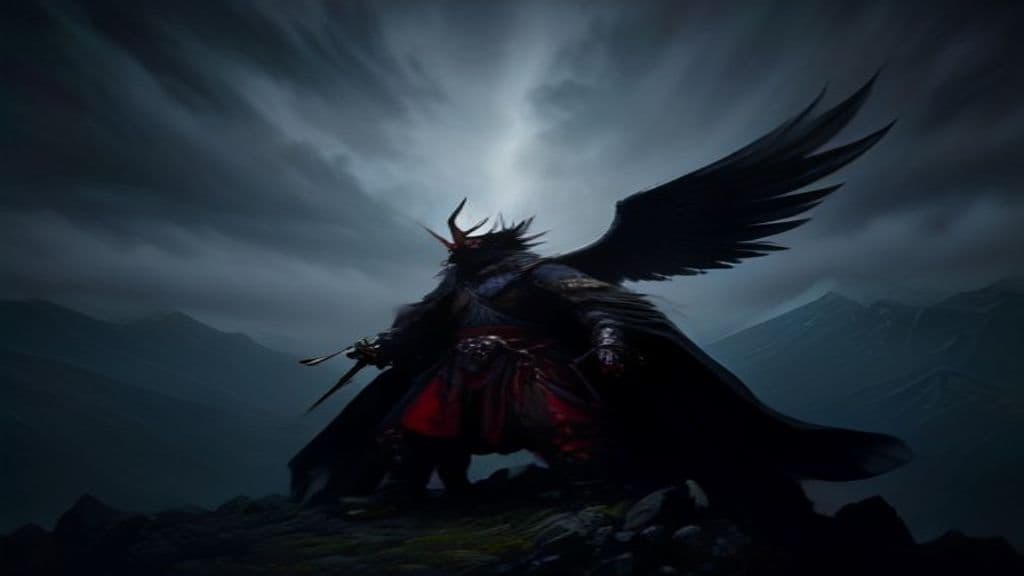
Tengu
Proud, warrior-like mountain spirits of Japan, associated with martial arts, pride, and the wild mountains. Neither fully good nor evil — they test and train warriors and monks, but punish the arrogant.
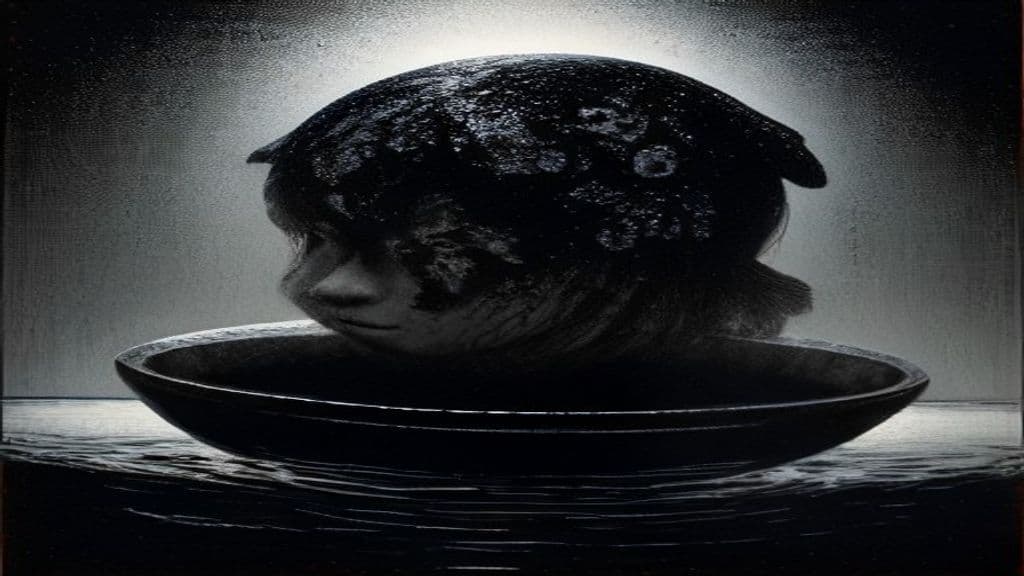
Kappa
A water-dwelling imp of Japanese folklore with a bowl of water on its head. Mischievous but bound by strict codes of politeness; dangerous near rivers.
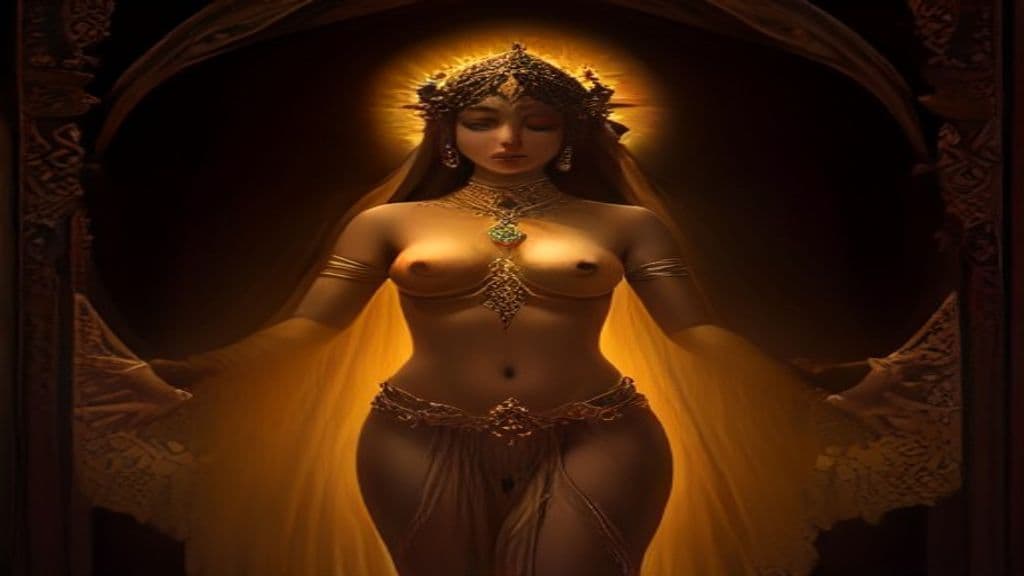
Apsara
Celestial dancers and water nymphs of Hindu cosmology — beautiful semi-divine beings who dance at the court of Indra and, by his command, descend to earth to distract sages from excessive asceticism.
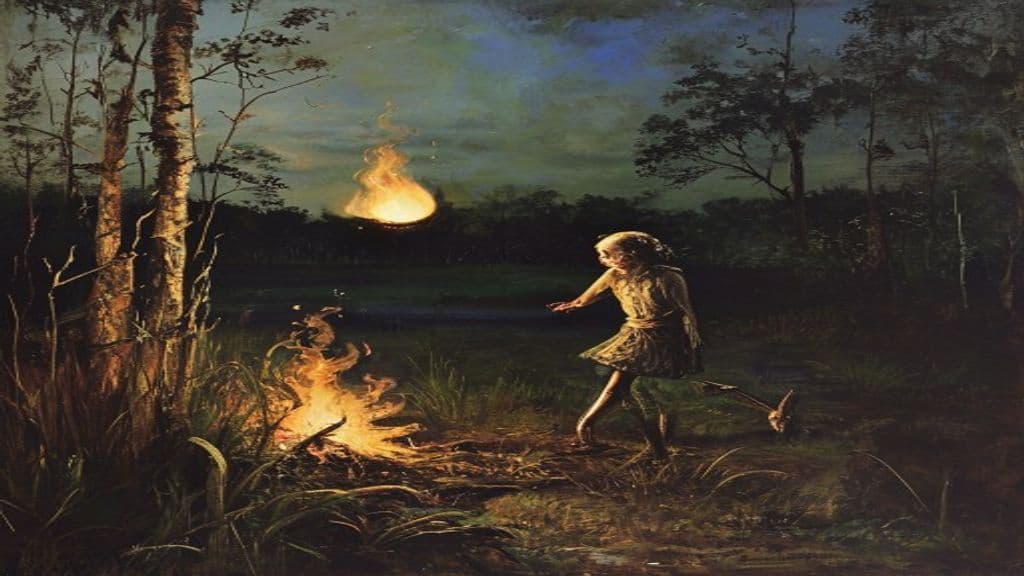
Will-o'-the-wisp
An atmospheric 'ghost light' — a small, mobile, lamp-like light seen at night over marshes, bogs, wet ground, or graveyards. In many cultures the phenomenon is interpreted as a supernatural being or manifestation (wandering nature-spirit, soul of the dead, transformed witch, or treasure-indicator); modern science offers chemiluminescent explanations for some occurrences.
Aitu (Māori)
Malevolent spirits in Māori tradition, often taking the form of plants or animals and associated with trouble-making and mischief. (Note: - Power tier should be Greater, not Lesser (Aitu being lesser gods in some cultures, but also associated with deity-level abilities) - Abilities: Add detail about their role as patrons of specific vil)
Akava'ine
Akava'ine is a Cook Islands Māori social and gender category for people assigned male at birth who live or present as women or otherwise occupy a gender-variant/transgender role. The term (Cook Islands Māori) literally means "to behave as a woman" and has both historical ethnographic mentions of gender-variant individuals in the Cook Islands and a contemporary use (since the 2000s) among Cook Islands Māori, including diaspora communities.
Aotea (Canoe)
Ancestral waka in Māori tradition, significant in the migration of the Māori people to New Zealand. (Note: - Power tier should be at least Greater (deity-level), considering Aotea is associated with significant spiritual and cultural importance to the Māori people's migration. - Abilities should include de)
Aotearoa (Canoe)
An ancestral vessel in Māori tradition, associated with the migration and settlement of New Zealand. (Note: 1. Power tier should be Ancient, not Primordial. 2. Remove "Historical significance" from sensory cues as it is a general statement rather than a specific cue. 3. Add "Its presence is often associated)
Apakura
Female figure in Māori mythology, wife of Tūhuruhuru and/or Tūwhakararo, associated with multiple generations of whānau. (Note: 1. Power tier: Given her association with multiple generations of whānau and the miraculous birth story involving Whakatau, it's likely she should be classified as a Greater entity. 2. Abilities: Add )
Arahura (Māori canoe)
Divine Māori canoe made of pounamu, associated with the Ngāi Tahu tribe and spiritual significance. (Note: * Power tier: Not specified, assume Lower or Lesser as it's associated with the tribe and not described as a deity-level being * Abilities: Remove the mention of spiritual significance and connection )
Arautauta
The Arautauta is a significant waka (canoe) in Māori tradition, playing a key role in the migration of people to New Zealand. (Note: - Power tier: Should be Primordial (as it's a significant waka in Māori tradition) - Abilities: Should mention its use for transporting people and goods as a notable aspect of its significance - Appea)
Arawa (canoe)
In Māori tradition, the Arawa is a supernatural canoe representing the ancestors' journey to New Zealand. (Note: * Power tier: Primordial (or not specified at all, as there's no indication of supernatural powers beyond its symbolic and cultural significance) * Appearance: No physical description mentioned in sou)
Atea
Atea is a primordial creator-associated being in multiple Polynesian traditions (Marquesas, Tuamotu, and Māori) closely associated with light and the ordering of the cosmos. Variants depict Atea as a self-originating giver of light, a progenitor who fathers gods and humans, or as the cosmic universe that is sex-differentiated into Heaven and Earth in one reported account.
Atua (Māori Deity)
In Māori mythology, Atua are supernatural beings believed to have created the world and all living things. They are considered rulers of the spiritual realm with powers over nature, fertility, and human destiny. (Note: 1. Power tier: Based on the abilities described (controlling nature, fertility, and human destiny), Atua likely belong to the Primordial power tier, not Greater. 2. Weaknesses: Add a specific weakness)
Atutahi (Māori tradition)
In Māori mythology, Atutahi is a celestial entity and the second brightest star in the night-time sky, considered solitary or self-centered. It serves as a navigational aid for Māori sailors, appearing as a bright star on the evening or southern horizon. (Note: - Power tier: Primordial (due to its status as a celestial entity in Māori mythology) - Abilities: Add ability of guidance, specifically for navigation, based on source material - Weaknesses: List is )
Auahitūroa
Auahitūroa is a Māori deity described in the cited sources as the personification of comets and as the origin of fire; he is named as a son of Tama-nui-te-rā (the sun), consort of the fire goddess Mahuika, and father of the five Ngā Mānawa.
Community Record
- [1]Hākuturi. Wikipedia: Hākuturiwiki
- [2]Rātā (Māori mythology). Wikipedia: Rātā (Māori mythology)wiki
- [3]Hakuturi | Facts, Information, and Mythology. Pantheon entry on Hakuturiother
- [4]Te Tini o Hakuturi – Waikato Students Union. Waikato Students Union: Te Tini o Hakuturiother
- [5]Obscure Life-Forms: Hakuturi. Obscure Life-Forms entry on Hakuturiother
- [6]Blather.net Abroad (December 2007). Blather.net: Abroad (December 2007)other
- [7]Tau - Te Aka Māori Dictionary. Te Aka Māori Dictionary: tau (example phrase citing Te Tini o te Hakuturi)other