
In Ugaritic literary cycles Kothar‑wa‑Khasis appears as the professional divine artisan retained by greater gods to provide technical works. In the Baal Cycle El summons him to build a temple for Yam and later Kothar constructs Baal’s palace and furnishes Baal with the weapons needed in Baal’s conflict with the sea god. In the Epic of Aqhat Kothar makes the hero Aqhat’s bow. In later Phoenicianizing accounts (e.g., Philo of Byblos) a mortalized inventor figure, Chousor, credited with inventing arts and crafts, is often read as a euhemerized reflection of Kothar.
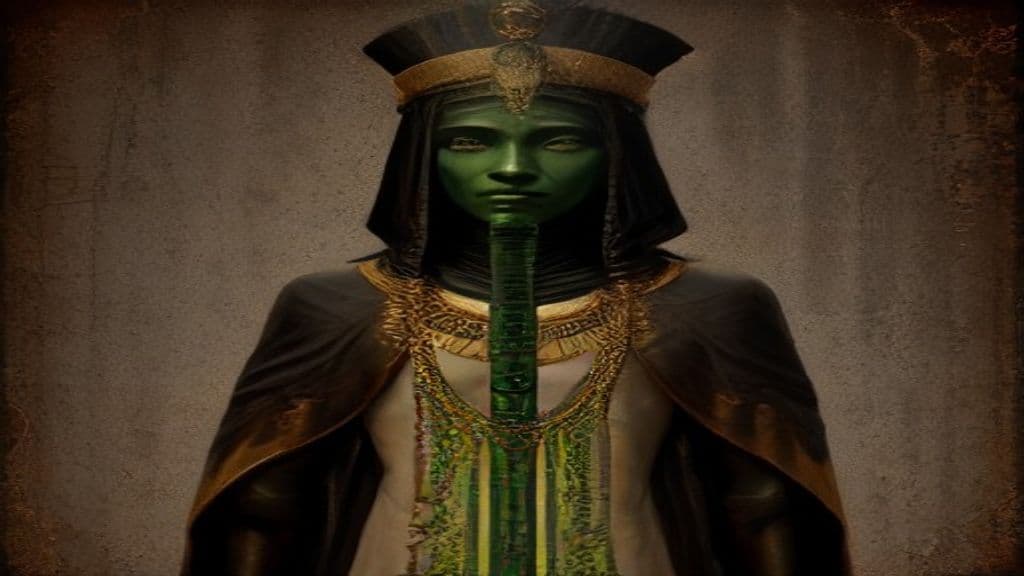
Surviving Ugaritic texts do not preserve a standardized iconography for Kothar‑wa‑Khasis; descriptions emphasize his functions—craftsman, smith, architect, musician—rather than a fixed physical form. The binomial name (Kothar‑wa‑Khasis, literally “skilled and wise” or hendiadys “wise craftsman”) is integral to his identity. Comparative scholarship has sometimes connected him to Egyptian craftsmen deities such as Ptah (and to an Egyptian Keserty figure) in older proposals, but the textual record from Ugarit supplies no consistent anthropomorphic or iconographic portrayal in the provided sources.
Kothar‑wa‑Khasis is attested as an architect and builder of divine structures (temples, palaces), a smith who forges weapons (for example, Baal’s arms in the Baal Cycle and the bow of Aqhat in the Epic of Aqhat), a maker of ritual and prestige objects, and a musician associated with ritual performance. He is also described in source summaries with the epithet or role of magician or possessing technical knowledge with ritual efficacy, insofar as items he crafts in myth enable gods’ actions and victories. Textual attestations also indicate cultic/locational associations (residence in Memphis and Caphtor) rather than suggesting supernatural locomotion as an ability.
Abadir
Abadir is a polysemous name attested in distinct cultural contexts: a legendary founding saint and clan ancestor in eastern Ethiopia (Sheikh Abadir Umar Al‑Rida / Aw Abadir), a term applied to cone‑shaped cult stones in Phoenician religious description, and a personal name of a martyr (Abadir/Apater) in the Coptic Synaxarium. The attestations are independent usages of the same name rather than a single supernatural being.
Abī-simtī
Abī-simtī (also rendered Abi-simti, Abisimti) is a named woman attested in third-millennium BCE Mesopotamian documentary and literary texts. She appears in administrative account records as a provider of animals and donor to temple cults and in Sumerian love-song literature as the named beloved/consort addressed by a royal speaker.
Acerbas
Acerbas (also recorded as Sychaeus, Sycharbas, Zacherbas) is a figure in classical Greco‑Roman accounts of Phoenician/Tyrian tradition: a wealthy priest of Melqart (the Tyrian Hercules) whose concealed riches and murder by King Pygmalion precipitate Elissa/Dido's flight from Tyre and the foundation of Carthage. He is presented as a human priestly figure of high social rank rather than as a supernatural being.
Adad
Adad (also Hadad, Haddad; Sumerian Iškur) is the storm- and rain-deity attested in ancient Mesopotamian and Canaanite religious contexts. Sources identify him as a principal weather god whose domain is storms and rainfall and whose name appears across multiple Near Eastern languages and sites, including Ebla (as Hadda, c. 2500 BCE).
Adamma
Adamma is an ancient north‑Syrian goddess attested in Eblaite palace records ca. 2400 BCE and later incorporated into Hurrian and Emar contexts. She functioned as a named cultic deity with an institutional priesthood, a month and festival bearing her name, and documented offerings from the royal palace.
Adonis
Adonis is a mythic mortal youth in ancient Greek tradition, beloved by goddesses (notably Aphrodite and Persephone) whose death and seasonal return are the focus of the women’s midsummer festival Adonia. The cultic practices—planting short-lived 'gardens of Adonis' on rooftops, ritual lamentation, and casting an effigy and withered plants into the sea—symbolically link him to vegetation cycles and Near Eastern dying-and-regenerating god traditions.
Adrammelech
Adrammelech is attested in ancient Semitic textual tradition as a local god of 'Sepharvaim.' The name is commonly glossed as "Magnificent king." In modern times the name has been reused in diverse fictional, musical, and online contexts, but those are creative reworkings rather than continuations of the brief ancient attestation.
Agasaya
Agasaya is presented in modern secondary sources as a little-attested Semitic war goddess who, according to some summaries, was later absorbed as the warrior aspect of the major Mesopotamian goddess Ishtar. The attestation in available materials is sparse and much inferences about her name, attributes, and later influence are explicitly marked speculative in those sources.
Agenor of Argos
Agenor is a mythic royal figure in Greek heroic‑age genealogies who functions as a dynastic ancestor and narrative node. In different traditions he appears as an Argive king in the house of Phoroneus or as a son of Poseidon associated with Phoenicia and Libya; an Agenor also appears as a warrior in Homeric epic.
Aglibol
Aglibol is the moon god of ancient Palmyra, attested in inscriptions and reliefs from the late Hellenistic through Roman Imperial periods. He appears in civic cult contexts, often paired with the solar deity Malakbel and included in Palmyrene triads and public sanctuary imagery such as the Sacred Garden.
Allatum (Allani / Allatu)
Allani (Hurrian) or Allatu/Allatum (Akkadian/Mesopotamian) is a Near Eastern underworld goddess associated with rulership of the land of the dead and with determination of fate. She appears across Hurrian, Mesopotamian and Hittite/Anatolian contexts and is closely linked with other chthonic deities such as Išḫara and Ereshkigal.
Al‑Qaum
Al‑Qaum (Arabic: القوم) is a major Nabataean deity associated with war, the night, and the protection of caravans and clans. Attested in numerous inscriptions and later compared by commentators to Greek/Roman war gods, he functioned as a protector of travelers and as a guardian of souls during nocturnal journeys.
Community Record
- [1]Kothar‑wa‑Khasis — Wikipedia. Wikipedia: Kothar‑wa‑Khasis (summary of name, roles, myths, and reception)wiki
- [2]Kothar‑wa‑Khasis — Wikidata. Wikidata entry for Kothar‑wa‑Khasis (classification as Ugaritic deity)wiki
- [3]Baal Cycle — Wikipedia. Summary of the Baal Cycle (provides attestations of Kothar's activities: temple building for Yam; crafting for Baal)literary
- [4]Epic of Aqhat — referenced (Wikipedia summary). Epic of Aqhat (summary in linked materials noting Kothar as maker of Aqhat's bow)literary
- [5]Philo of Byblos — Chousor (summary). Wikipedia summary noting Philo of Byblos' Chousor as a later Phoenician euhemerized reflection of Kotharliterary
- [6]Archive: Simonetti Walter La Psicosi del capro espiatorio (archival reference listed). Archive reference included among provided research notes (contextual/comparative material)other