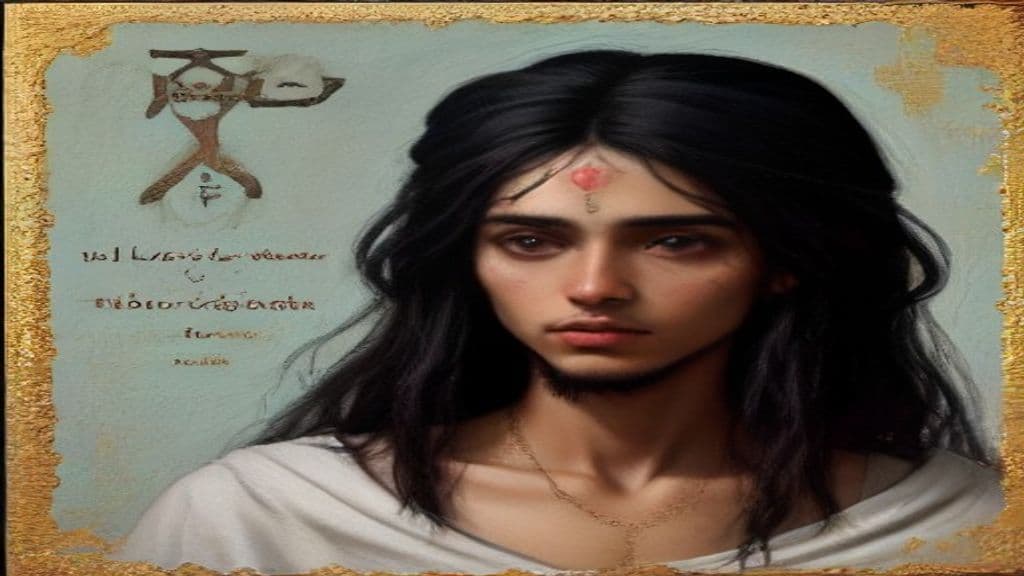
The sources provide separate origin contexts rather than a single myth. In Harari/Somali tradition, the figure named Sheikh Abadir Umar Al‑Rida (also Aw Abadir / Aw Badir) is described as the legendary founder of Harar and as a patron saint regarded as the common ancestor of the Somali Sheekhaal clan and the Harari people. In Phoenician‑descriptive material reported in Biblical Cyclopedia, 'Abadir' is given as the name applied to cone‑formed stones that served as ancient symbols of the deities. In the Coptic Synaxarium, Abadir (variant Apater) appears as a martyred son of Wasilides who held a high governmental office (Esfeh‑selar) and was commemorated liturgically; this is a hagiographic origin rather than a cosmological creation myth.
As a person in the Harari/Somali accounts, no standardized physical iconography or detailed physical description is provided in the cited summaries; he is portrayed as a legendary founder and saint. In the Coptic hagiographic entry, Abadir/Apater is attested as a historical/administrative figure (appointed Esfeh‑selar) but the excerpt offers no bodily description. In the Phoenician context, 'Abadir' denotes cone‑formed stones — an aniconic, conical stone form used as the oldest symbols of deities, though size, material, and decoration are not specified in the available excerpt.
The sources do not attribute supernatural powers or hostile behaviors to a unitary entity called Abadir. Functional roles attested are social and cultic: the Ethiopian/Harari Abadir serves as a founding saint and patron ancestor whose legacy structures clan identity and civic foundation; the Coptic Abadir/Apater is commemorated as a martyred official within ecclesial memory; and the Phoenician 'Abadir' cones function as cultic symbols representing deities in religious practice. No texts in the provided set describe miraculous or magical abilities directly.
Ababil
Ababil (Arabic: أبابيل, romanized abābīl) are miraculous birds mentioned in the Qur'anic account of Surah Al‑Fil. In Islamic tradition they appear as a divinely sent avian host that defended the Kaaba by pelting an invading army with small clay stones; tradition places the event in the year traditionally given as 570 CE.
Abaddon
In Hebrew scripture Abaddon is primarily a noun meaning 'destruction' or a section/condition of the underworld paired with Sheol; in the New Testament Book of Revelation Abaddon is personified as an angelic figure (Greek Apollyon) described as the king of an army of locusts released from the abyss during the apocalypse.
Abadiu of Antinoe
Abadiu of Antinoe was a fourth‑century bishop of Antinoe (Antinoopolis, in Roman Egypt) commemorated as a martyr and saint in the Coptic Orthodox Church, with a feast day on 26 December. Sources record that he was killed during a theological dispute with Arian opponents and reference him in collections of Egyptian martyrs.
Abagtha
Abagtha (Hebrew: אבגתא, ’Ǎḇaḡṯā) is a named human court official in the Hebrew Bible’s Book of Esther, listed among seven chamberlains who ministered before King Ahasuerus and were commanded to bring Queen Vashti before the king. He is attested only in Esther 1:10 and is presented as an institutional palace attendant rather than a supernatural being.
Abanoub
Abanoub is a 4th‑century Egyptian Christian child martyr venerated in the Coptic tradition. Remembered for his public confession of Christ, miraculous healings associated with his passion, and the translation and veneration of his relics, his feast is observed on July 31 (Epip 24) and his cult centers include Nehisa and Samanoud.
Abaskhiron the Soldier
A Coptic Orthodox martyr venerated for refusing imperial idolatry during the Diocletian persecution; reputedly healed by the Archangel Michael, preserved in monastery relics, and commemorated on 14 June (7 Paoni).
Abdel Messih El-Makari
Abdel Messih El-Makari (1892–1963) was a Coptic Orthodox monk and priest venerated as a 20th‑century Coptic saint. Associated with the Monastery of Saint Samuel the Confessor and the Monastery of Saint Macarius (Scetes/Wadi El‑Natrun), he is remembered for humility, asceticism, charity, and reported spiritual gifts such as prescience, discerning of spirits, and healing.
Abdul Qadir Gilani
A historical 11th–12th century Hanbali jurist, preacher, and Sufi shaykh who became the eponym and principal early figure of the Qadiriyya tariqa; venerated in Sunni Sufi traditions as an Awliya (saint) and often given exalted hagiographical ranks such as Muḥi al‑Dīn and Ghawth.
Abel
Abel is the second son of Adam and Eve in the Genesis narrative, a shepherd whose accepted offering and subsequent murder by his brother Cain form the biblical account of the first death. Later interpretive traditions expand his role, treating him as an archetypal righteous victim, a postmortem avenging or adjudicating figure, and in some systems (notably Mandaean) identifying him with an angelic lightbeing.
Abib and Apollo
Abib and Apollo are Christian ascetics and hagiographic saints of Akhmim (Upper Egypt) attested in Coptic sources and the Historia Monachorum. Remembered for extreme asceticism, monastic leadership, angelic encounters, and inclusion in the Coptic Synaxarion (feast day November 4).
Abiel
Abiel is attested in the supplied sources only as a male given name — borne by several historical American individuals and listed as two minor biblical figures. The provided materials contain no evidence presenting Abiel as a supernatural, mythological, or folkloric entity.
Abijah of Judah
Abijah (also Abijam or Abiah) is presented in the biblical and later interpretive traditions as a short-reigning human king of Judah from the Davidic line. He is portrayed as a dynastic successor whose military actions (notably the battle at Mount Zemaraim) and moral evaluation in rabbinic literature are interpreted theologically in relation to the Davidic covenant.
Community Record
- [1]Abadir Umar ar‑Rida (Wikipedia). "Sheikh Abadir Umar Al‑Rida, also known as Aw Abadir or Aw Badir was the legendary founder of Harar and a patron saint in modern‑day eastern Ethiopia. He is also regarded as the common ancestor of the Somali Sheekhaal clan and the Harari people."wiki
- [2]Abadir (woreda) (Wikipedia). Place-name attestation showing continued civic/geographical significance of the name Abadir in Harari Region.wiki
- [3]Synaxarium Tout 28: Saints Abadir (Apater) and Eraee (Herai), His Sister. "On this day, Sts. Abadir (Apater) and Eraee (Herai), his sister, the children of Wasilides, the minister of Antioch, were martyred. Abadir was appointed Esfeh‑selar (a high ranking governmental position) in his father's position..."other
- [4]Abadir - Biblical Cyclopedia. "Abadir in Phoenician mythology, was a name given to cone‑formed stones, which were the oldest symbols of the deities."other
- [5]Ali Abadır Ceddinn (archive item). Archival devotional text containing the sequence 'Ali Abadır ceddin...' (devotional/poetic material). The item is present in the corpus but does not provide explicit rites directed at an entity named Abadir in the provided excerpt.other