Liễu Hạnh is a deity in Vietnamese folklore, from Vietnam. Princess Liễu Hạnh is a principal immortal and mother-goddess figure in Vietnamese popular religion, venerated as one of the Four Immortals and a leading figure within the Đạo Mẫu (Mother Goddess) system. She is associated with the Earth Palace (Địa Phủ) of the Four Palaces cosmology and serves a mediating, representative role within that hierarchy.
The cited sources identify Liễu Hạnh as a legendary princess who is counted among The Four Immortals of Vietnamese popular religion and who became an immortal or mother-goddess figure central to Đạo Mẫu. These sources present her as a named, apotheosized princess figure (commonly referred to as Princess Liễu Hạnh) who occupies a high place in the indigenous mother-goddess cosmology. The supplied materials do not provide detailed variants of her birth, parentage, or the fuller narrative episodes of her life and apotheosis.
The provided sources do not include detailed iconographic or descriptive material about Liễu Hạnh's physical appearance or typical garments; she is referenced primarily as a princess and mother-goddess figure within Đạo Mẫu, which in the literature associates her with the status of a regal maternal immortal, but specific visual descriptions are not given in the cited documents.
Within the Đạo Mẫu Four Palaces schema, Liễu Hạnh's documented functions are institutional and mediatory: she governs the Earth Palace (Địa Phủ) and represents the Heaven realm on behalf of the higher Mother figure Mẫu Cửu Trùng Thiên. The sources frame her as a high-ranking maternal/immortal figure in the native Vietnamese cosmology; no additional specific miraculous powers, spells, or narrative acts are supplied in the cited material.
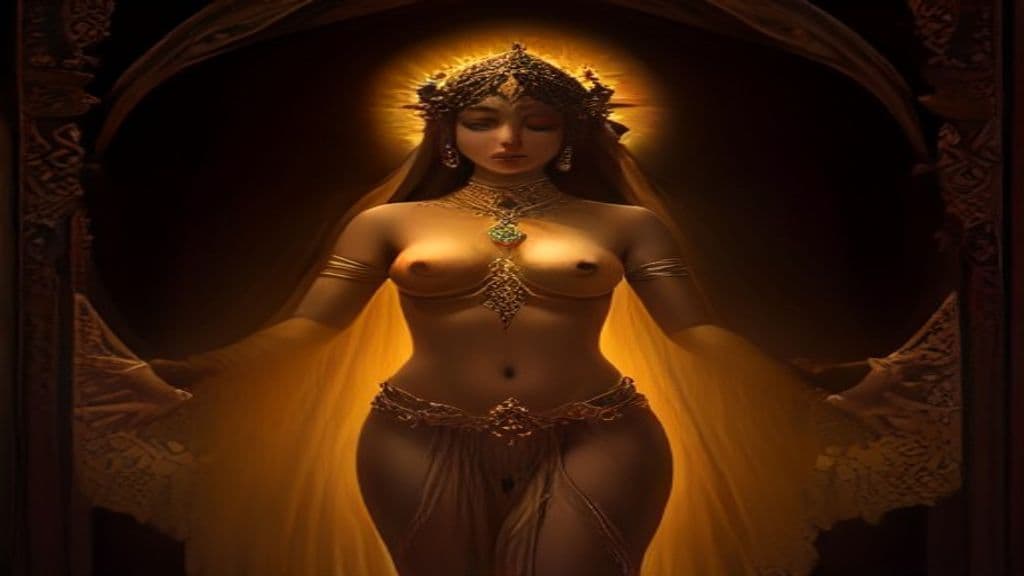
Apsara
Celestial dancers and water nymphs of Hindu cosmology — beautiful semi-divine beings who dance at the court of Indra and, by his command, descend to earth to distract sages from excessive asceticism.
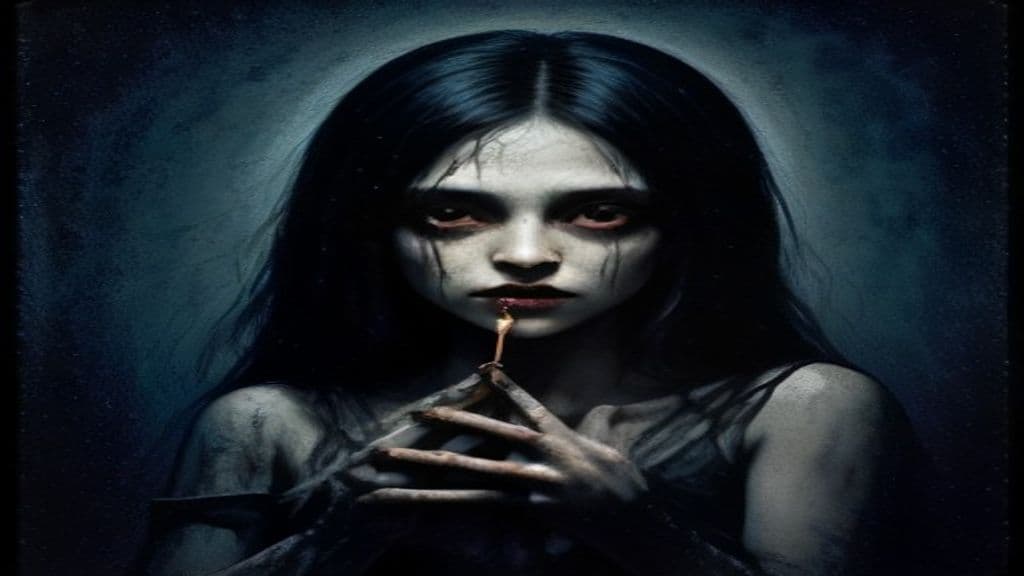
Mormo
A Greek child-eating bogeywoman used to frighten children into obedience, sometimes depicted as a shape-shifting female phantom who bit naughty children.
Bà Chúa Xứ (Lady of the Realm)
Bà Chúa Xứ, also called Chúa Xứ Thánh Mẫu, is a localized tutelary and prosperity goddess in Vietnamese folk religion centered at Vĩnh Tế village at the foot of Sam Mountain, An Giang province. She is worshipped as a protector of business, health, and the Vietnamese border and attracts pilgrimages and a major three-day festival beginning on the 23rd day of the fourth lunar month.
Bà mụ
In Vietnamese mythology, the Bà mụ are twelve deities revered for teaching infants important skills and traits. (Note: - Power tier should be Ancient, not Primordial (deity-level abilities described) - Abilities description supported by source material, but could be expanded upon - Sensory cues are missing; add that B)
Chông Tị (Four Immortals)
One of the Four Immortals in Vietnamese mythology, associated with immortality and appearing on a golden dragon. (Note: - Power tier: Greater (not Primordial) - Chông Tị is associated with longevity and appears on a divine entity (golden dragon), but not cosmic in scope. - Abilities: Remove "His immortality implies ext)
Cá Ông (Whale spirit / Whale God)
Cá Ông is the Vietnamese folk-religious spirit associated with large whales, venerated as a guardian of fishing communities. Coastal communities perform funerary burials for beached whales and hold festivals in the whales' honor, reflecting a protective, reciprocal relationship between fishermen and these whale-spirits.
Cáo (Hồ ly tinh)
This entry documents the absence of information on the Vietnamese fox spirit "cáo" or "hồ ly tinh" in the supplied source set. The provided materials do not describe this supernatural figure; they instead refer to unrelated entries (the historical Cao Cao, the Chinese surname Cao, and unrelated archived web pages).
Five Poisons (五毒, wǔ dú)
A culturally defined set of five hazardous animals in Chinese (and related Vietnamese) folk belief associated with the Dragon Boat Festival/Duanwu (the fifth day of the fifth lunar month). The term names a seasonal cluster of perceived dangers (snakes, scorpions, centipedes, toads, spiders) and denotes traditional prophylactic and talismanic responses; in modern usage the phrase is also repurposed as a political metaphor for five perceived threats to state security.
Four Holy Beasts
A set of four sacred animals in Chinese and broader East Asian cultural and astronomical tradition, mapped to the four cardinal directions and used as auspicious, protective, and cosmological symbols in literature, architecture, and material culture.
Four Immortals
Chief figures in the pantheon of genii worshiped by the Vietnamese people, associated with natural elements and supernatural powers. (Note: 1. Power tier: Lower than Primordial based on abilities described (deity-level but not cosmic). 2. Appearance: Remove statement as no specific physical description is provided in source material. 3. A)
Hou Yi
Hou Yi (后羿) is a mythic Chinese culture‑hero famed as an extraordinary archer who, by commission of a sky/imperial authority in variant traditions, shot down multiple suns and slew dangerous monsters. He is associated with receiving an immortality elixir, the tragic separation from his wife Chang'e (linked to the Mid‑Autumn Festival), and with variable portrayals ranging from mortal tribal leader to semi‑divine xian or legendary king.
Hồn Ma (wandering spirit)
Hồn ma (also rendered ma, hồn, vong, or bóng ma) refers to wandering human souls in Vietnamese belief whose failure to be ritually integrated into the ancestor line leaves them roaming the living world. They are socially significant, implicated in everyday ritual practice, missing‑person searches, and the work of spirit mediums and ritual specialists.
Kim Quy
Kim Quy (Chữ Hán: 金龜, "Golden Turtle") is a mythical golden turtle figure in Vietnamese legend who appears in narratives tied to royal foundation and sacred weapons. In the best-known tales Kim Quy provides magical aid to rulers or appears as the envoy of an aquatic deity (the Dragon King) to reclaim a divine sword.
Linh Hồn của núi
Linh Hồn của núi (literally, "spirit/soul of the mountain") is a descriptive label for a mountain spirit in Vietnamese language; the supplied sources contain no specific folkloric descriptions, rituals, or origin stories for an entity explicitly named "Linh Hồn của núi." The phrase participates in a broader Vietnamese cultural field where spirits and memory are topics of artistic and historical reflection, but concrete traditions for this exact name are not present in the provided materials.
Community Record
- [1]Liễu Hạnh — Wikipedia. Wikipedia contributors. "Liễu Hạnh." Wikipedia, The Free Encyclopedia.wiki
- [2]Mẫu Địa Phủ (Wikidata). Wikidata entry Q1195249: "Mother Goddess of the Earth Palace (Địa Phủ), one of the Four Palaces of Đạo Mẫu."wiki
- [3]Trùm Chăn Ngủ Nướng Sướng Hơn Vàng (Archive). Archive holdings listed in research notes; included among provided materials but not cited for specific claims about Liễu Hạnh.other
- [4]Phim tài liệu: 80 năm Quốc hội Việt Nam (VTV1) (Archive). Archive holdings listed in research notes; included among provided materials but not cited for specific claims about Liễu Hạnh.other
- [5]Trải nghiệm thanh toán mc876 game nhanh tiện lợi (Archive). Archive holdings listed in research notes; included among provided materials but not cited for specific claims about Liễu Hạnh.other