The provided sources do not record a single origin myth for the nahual. Within the same Mesoamerican cosmological framework referenced in the sources, the nahual concept is embedded in tonalism: individuals are understood to have a linked animal aspect (tonal) and the practice or capacity called nagualism involves accessing that tonal connection to gain power and spiritual insight. The available materials describe this cosmological linkage as the mechanism by which humans relate to animal counterparts but do not supply a fuller mythic genealogy or creation narrative.
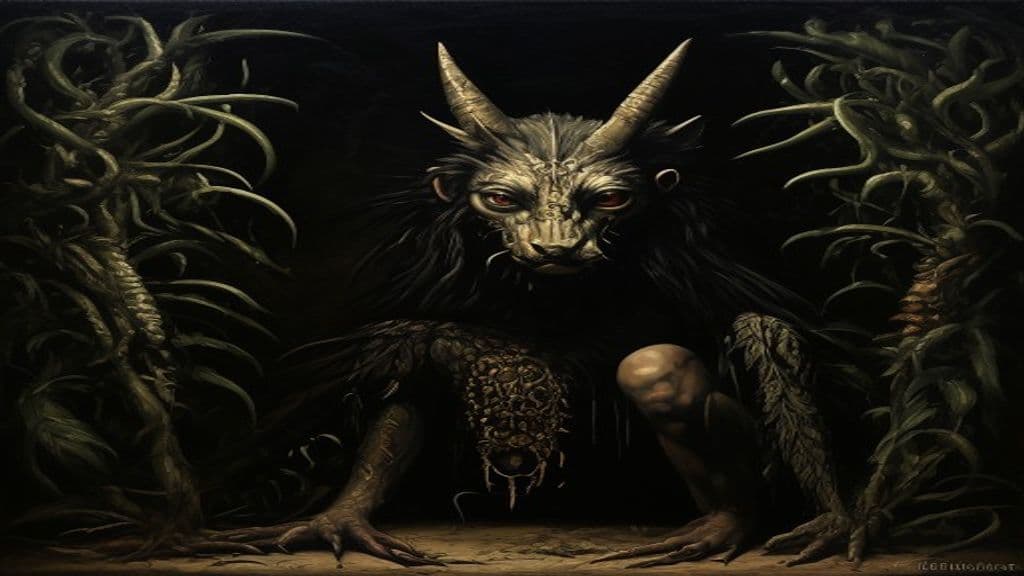
Source material gives a functional rather than fixed visual description: a nahual appears as an ordinary human in daily life and, when shapeshifted, appears as the specific animal that is their tonal counterpart. The supplied notes do not list particular animal forms or a standardized visual stereotype; they emphasize variability by account and region. No definitive catalogue of animal types or consistent transformed appearance is provided in the cited materials.
The primary ability documented in the sources is shapeshifting: a nahual is a human being who can assume the form of their tonal animal counterpart. Nagualism is specifically tied to the belief that one can access power and spiritual insight by connecting with that tonal animal within. The provided sources do not enumerate additional supernatural powers, standardized moral behaviors, or consistent community roles, and they note that practices and prominence vary by locality and account.
Acolnahuacatl
Acolnahuacatl is a name attested in central Mexican sources both as a historical Tepanec ruler of Azcapotzalco and, in several modern compilations and trivia lists, as a minor chthonic or underworld-associated figure (often given the variant Acolmiztli). The evidence in the provided material is divided: the historical/genealogical reading is supported by standard reference entries, while the deity reading appears mainly in secondary online god-lists and quizzes and is not substantiated by detailed primary ritual or mythic texts in the supplied set.
Ahuiateteo
Ahuiateteo (Āhuiatēteoh; also rendered Mācuīltōnalequeh) are a quintet of Aztec deities associated with excess, pleasure, and the dangers that accompany over‑indulgence. They appear in calendrical and codical contexts, are invoked in divinatory practice, and are thematically linked to pleasures (feasting, drinking, gambling, sex, music) and the misfortunes that follow excess.
Ahuitzotl
Ahuitzotl is both the personal name of the eighth tlatoani (ruler) of Tenochtitlan (reigned ca. 1486–1502) known for military expansion and monumental rebuilding, and an onomastic term in Nahuatl for an aquatic animal/legendary creature (commonly glossed 'water thorny' and often associated with an otter or water opossum). The sources treat these registers—historical ruler and animal-name—as related but distinct uses of the same Nahuatl lexeme.
Akateko
Akateko (赤手児, lit. 'red child's hand') is a yōkai from Japanese folklore commonly told as a small, red, disembodied child's hand that appears from trees—especially the Japanese honey locust—and startles travelers; in some regional variants it is accompanied by a specter of a young woman or manifests as paired foot- or leg-like apparitions. Accounts vary between mostly harmless trickster apparition and a violent variant that attacks humans.
Alicante
Alicante is attested in available reference sources as the proper name of a mythological snake identified with Mexico. The surviving entries provide only the name and a categorical label (mythological snake) without accompanying narrative, attributes, or ritual context.
Atabey
Atabey is a principal Taíno ancestral mother-spirit (a zemi) associated with fresh water, fertility, and prime matter; she appears in early ethnohistorical transmissions with multiple names and manifestations ranging from nurturing mother to violent storm-mother.
Atlacoya
Atlacoya is named in modern compilations as a figure from Aztec tradition associated with drought; some modern databases alternately classify the name under water-deity categories. The supplied sources do not provide primary-codex citations, iconography, etymology, or detailed ritual texts.
Atlahua
Atlahua is an Aztec water-associated deity attested in colonial and modern summaries as a water god described as a fisherman and archer, identified in sources as a blue/aspectual form of Tlaloc and invoked in contexts of deaths in water.
Aztec Creator-Brothers
A quaternity of primordial divine offspring in Aztec (Mexica) myth who dwell in the highest heaven Ilhuicatl-Omeyocan as children of Omecihuatl and Ometecuhtli. Identified in sources with fourfold aspects (conventionally four Tezcatlipocas / colored aspects such as Black, Red, White, Blue) they act as cosmological agents who create living beings, take turns ruling as the Sun in successive world-ages, and participate in sacrificial acts that sustain cosmic cycles.
Cadejo
A dog‑shaped nocturnal spirit from Central American and adjacent Mexican popular belief, the cadejo appears on lonely roads as a protective or dangerous companion. Rooted in Mesoamerican ideas of animal companions and psychopomps, modern accounts present white (benevolent) and black (malevolent) variants with regionally variable features.
Camaxtle (Mixcoatl)
Camaxtle (also spelled Camaxtli) identified with Mixcoatl is a Mesoamerican deity of the hunt who is associated with the Milky Way, the stars, and the heavens and served as a patron god for groups such as the Otomi and Chichimecs and as a central cult figure in Huejotzingo and Tlaxcala.
Centeōtl
Centeōtl is the Nahua/Aztec maize deity — the divine personification of maize, its growth, cultivation and role in human subsistence. The name (Cintli + teōtl) ties the deity to the maize ear; Centeōtl features centrally in planting and harvest rites, calendrical offices, and Aztec cosmological genealogy.
Community Record
- [1]Nahual. Wikipedia, 'Nagual' (accessed via provided research notes)wiki
- [2]Nahual (Wikidata entry noted in research materials). Wikidata entry referenced in research notes (not treated as a folkloric source for the nahual concept)other
- [3]Ep # 86: Edición # 10 del programa Melómanos por Radio TGD (archive reference to lexical occurrence). Archive.org item cited in research notes noting contemporary cultural use of the name 'Alux Nahual'; does not provide folkloric detailother