Iberian Supernatural Beings

50 documented Iberian supernatural beings from the Evil Eye grimoire, including 29 lesser and 14 minor spirit in power tier.

Aernus
Ancient

Aernus

Aernus is a theonym attested in a small number of Roman-period inscriptions from the vicinity of Bragança (north-eastern Portugal). Scholarly discussion treats Aernus as a local or regional deity within the Lusitanian and Gallaecian pantheons, probably serving as a protector of a specific tribal group (the Zoelae) in a limited territorial horizon.

Anjana
Minor Spirit

Anjana

Anjanas are benevolent female fairy beings in Cantabrian popular belief who protect forests, springs, animals and people, aid the poor and lost, leave gifts for the generous, and oppose the hostile Ojáncanu. Oral tradition presents them either as heavenly agents sent by God with a limited earthly term or as spirits of trees who care for the woodland.

Ares Lusitani
Lesser

Ares Lusitani

Ares Lusitani is a Latinized designation for a Lusitanian/Gallaecian deity identified with horses and knights; the figure is known through Greco‑Roman interpretative labeling and is placed in the cultural area of ancient Lusitania and Gallaecia (modern Portugal and Galicia, Spain). Very little else about worship, appearance, or ritual is recorded in the available sources.

Arquetu
Lesser

Arquetu

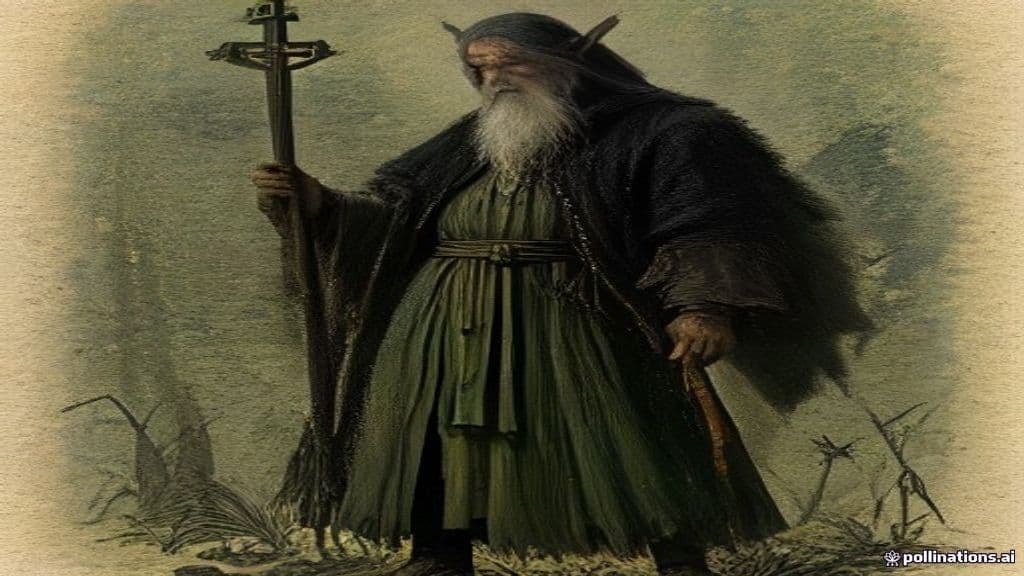
A Cantabrian popular-belief figure depicted as an old man marked with a green cross and seven keys on his forehead who intervenes in human economic affairs by lending money to prodigals and punishing repeat wastefulness with a curse of eternal poverty.

Ataegina
Lesser

Ataegina

Ataegina is a local goddess worshipped in the ancient Iberian Peninsula (Lusitania, Baetica and neighbouring areas). Epigraphic evidence from Roman‑era inscriptions associates her with the Roman Proserpina and presents her as a deity whose functions encompass underworld/night aspects and/or seasonal renewal (rebirth, spring).

Bandua
Lesser

Bandua

Bandua is a theonym attested in Roman‑period epigraphic sources from north‑west Iberia (Galaico‑Lusitanian area). The name appears with many localizing epithets and is reconstructed by scholars as a local tutelary or protective divine figure (or a set of closely related local figures) with occasional Roman syncretism to Mars.

Batea
Minor Spirit

Batea

Batea is a polysemous term found in scientific, geographic, material-culture, mythological, and modern technical contexts. In the supplied sources it appears as a genus of amphipod crustaceans, two named figures in Greek mythology (without further detail in these sources), a municipality in Catalonia, a traditional gold-panning pan, and as the name/acronym of contemporary technical and policy documents.

Caballucos del Diablu
Lesser

Caballucos del Diablu

In Cantabrian tradition the Caballucos del Diablu are supernatural horses—described as the damned souls of sinners—that are said to appear on the night of St John (June 23). They form part of a regional bestiary of fantastic beings and are linked to Christian notions of sin, punishment, and the annual bonfire rites.

Cantabrian Neptune
Minor Spirit

Cantabrian Neptune

A Roman-name sea-deity invoked in ritual contexts along the Cantabrian coast; attested in fragmentary sources as the sacred agent associated with the open sea in local ritual taxonomy rather than a richly attested autonomous Cantabrian personality.

Carassa de Barcelona
Minor Spirit

Carassa de Barcelona

No reliable information about a folkloric or supernatural entity called 'Carassa de Barcelona' is present in the supplied sources. References in the materials relate to Barcelona's street naming, Christmas markets, and neighborhood culture, but none document an entity by this name.

Catalina Lercaro
Minor Spirit

Catalina Lercaro

Catalina Lercaro is the legendary specter associated with a 16th‑century member of the Genoese Lercaro family who allegedly died by suicide in the family mansion (Casa Lercaro) in San Cristóbal de La Laguna, Tenerife. Tradition holds her ghost walks through the rooms of the mansion (now the Museum of History and Anthropology of Tenerife) and she is widely regarded in local lore as the Canary Islands' most famous ghost.

Corocotta
Lesser

Corocotta

Corocotta is a name attested in two related registers: a Cantabrian legendary/historical human figure remembered as a guerrilla leader or bandit active during the late 1st century BC, and a classical natural-history term for an exotic canid/felid‑like beast (often equated with the spotted hyena) described in Greco‑Roman literature. The two usages overlap by name but represent distinct traditions—local oral memory of resistance and wider Roman wonder‑literature about exotic animals.

Cuegle
Lesser

Cuegle

The cuegle is a monstrous figure from Cantabrian (northern Spain) folklore: a small, bipedal humanoid with grotesque features that attacks people and livestock and is reputed to steal babies from cradles. Household protection recorded in sources is placing oak or holly leaves in the cradle, which the creature is said to find repulsive.

Cuélebre
Lesser

Cuélebre

A legendary long‑lived reptilian guardian from Asturian and Cantabrian folklore, depicted as a giant winged serpent or dragon that inhabits caves and watery liminal places, guards treasure, and is sometimes said to hold xanas (fairy‑like beings) captive. Folktales attribute to it senescent physical changes, a miraculous healing byproduct, and specific folkloric countermeasures.

Dip
Lesser

Dip

In Catalan popular tradition the Dip is an evil black hellhound and emissary of the Devil that sucks the blood of cattle and humans. Tied specifically to the village of Pratdip, the Dip appears in local images (altarpieces, escutcheon) and in oral legend as a nocturnal predator whose tales were used to frighten drunken night‑goers.

Duende
Lesser

Duende

Duende is a polyvalent category of Iberian and Ibero‑American household and nature spirits comprising many regional types (Anjanas, Busgosos, Diaños, Enanos, Trasgos, Nuberos, etc.). They range from benevolent water‑nymphs and shepherd‑helpers to mischievous household intruders and shapeshifters, and are rooted in rural popular cosmologies where specific places (springs, forests, homes) are inhabited by agents with varied moral dispositions.

El Caganer
Minor Spirit

El Caganer

El Caganer is a small, conventional figurine placed within Catalan and neighbouring nativity scenes (pessebres), typically depicted squatting and defecating. It functions as a recurring, recognisable character in the constructed visual landscape of the Christmas nativity, carrying symbolic roles including fertility symbolism, social satire, and a playful family custom of hiding and seeking.

El Sombrerón
Lesser

El Sombrerón

El Sombrerón is a legendary folk character best known from Guatemala and also attested in Mexican and Colombian/Venezuelan collections; portrayed as a nocturnal suitor-like figure who courts or troubles young women, braids animal manes and tails, and travels neighborhoods at dusk with a string of mules carrying coal.

Enchanted Moura
Greater

Enchanted Moura

The Enchanted Moura (moura encantada) is a female supernatural figure in Portuguese and Galician folklore: an enchanted, often shapeshifting inhabitant of liminal landscape sites, noted in tales for great beauty (frequently combing long hair) and for association with stonework and the moving of heavy masonry.

Endovelicus
Ancient

Endovelicus

Endovelicus is a pre-Roman chthonic deity venerated in Iron Age Lusitanian and Celtiberian regions, associated with the underworld, healing, prophecy (oracular incubation), vegetation and the afterlife; the cult persisted into the Roman period and was syncretized with Roman underworld/healing gods.

Erudinus
Lesser

Erudinus

Erudinus is a named local pagan god attested by a single Roman-period votive altar inscription found at Monte Dobra near Torrelavega in Cantabria. The altar, discovered in 1925, bears a dedicatory text placing an altar "DEO ERVDINO" and is dated by Roman calendrical and consular formulae (sources disagree whether the inscription was once thought to date to 399 AD but is now dated to 161). No myths, attributes, iconography, or ritual prescriptions for Erudinus survive beyond the inscription and its archaeological context.

Fish-man of Liérganes (El hombre pez)
Lesser

Fish-man of Liérganes (El hombre pez)

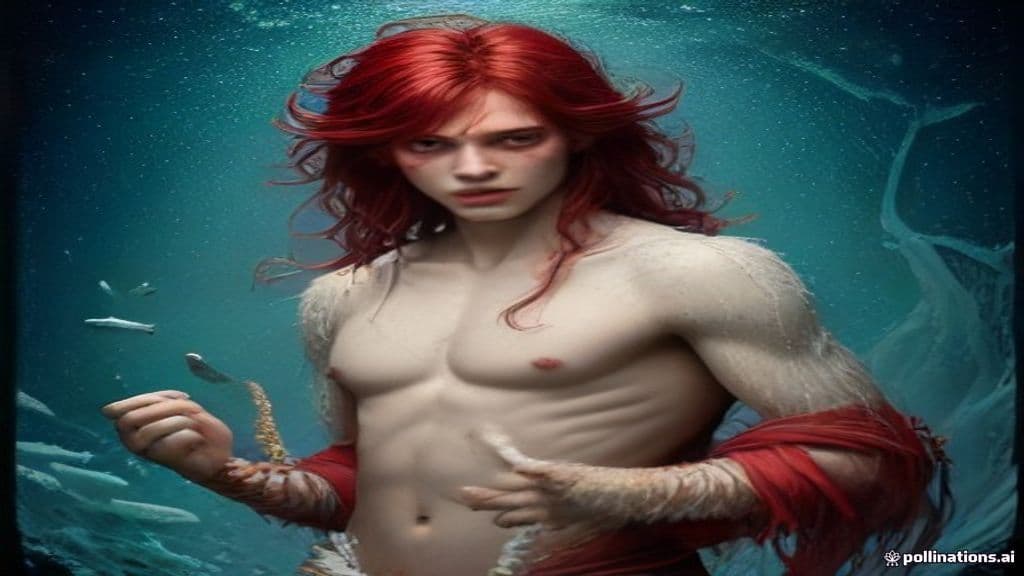
A Cantabrian popular‑tradition account of an amphibious, human‑shaped being identified with a missing man (Francisco de la Vega Casar) who was captured at sea, exhibited to clerics, returned to his village of Liérganes, lived in altered condition for years, and ultimately went back to the sea. The story is known primarily from Benito Jerónimo Feijoo's reporting of contemporary testimonies and later encyclopedic summaries.

Gegantona Laia
Lesser

Gegantona Laia

Gegantona Laia is a large female festival figure (a gegantona) used in Barcelona's civic street celebrations, especially the Festes de Santa Eulàlia. She functions as a municipal parade effigy and emblem of communal identity, exhibited on the Ajuntament de Barcelona patio and paraded in Plaça de Sant Jaume during the festival.

Gegants Vells de la Casa de Caritat
Lesser

Gegants Vells de la Casa de Caritat

A pair (or set) of traditional Catalan 'gegants' (giant festival effigies) associated with the Casa de Caritat institution in Barcelona, presented and animated as part of the city's Carnival processions and civic festivities.

Gegants de Cassà de la Selva
Minor Spirit

Gegants de Cassà de la Selva

Processional giant effigies belonging to the town of Cassà de la Selva in Catalonia, used in public processions and local festivities as civic and performative symbols of community identity.

Gegants de Ferreries
Lesser

Gegants de Ferreries

Gegants de Ferreries are large human-shaped processional effigies associated with the town of Ferreries. They function as civic festival figures carried in public processions and pageants rather than as autonomous supernatural beings.

Gegants de Guixers
Minor Spirit

Gegants de Guixers

Gegants de Guixers are processional giants (large human-form effigies) associated with the municipality of Guixers in Catalonia. They function as festival artifacts that appear in public processions and civic celebrations; available sources treat them as cultural objects rather than supernatural beings.

Gegants de Manacor
Minor Spirit

Gegants de Manacor

The Gegants de Manacor are large processional figures — 'giants' — used as parade effigies in public festivals in Manacor (Majorca, Balearic Islands). They function as ceremonial, performative embodiments within the town's festival dramaturgy, appearing alongside other ritual performers such as the Cossiers, demons, and the Drac de na Coca.

Gegants de Sant Llorenç d'Hortons
Lesser

Gegants de Sant Llorenç d'Hortons

Processional giants (gegants) from the municipality of Sant Llorenç d'Hortons. They are large anthropomorphic figures used in civic processions and public celebrations rather than autonomous supernatural beings.

Gegants de Sant Sadurní d'Anoia
Minor Spirit

Gegants de Sant Sadurní d'Anoia

Gegants de Sant Sadurní d'Anoia are processional giants associated with the town of Sant Sadurní d'Anoia in Catalonia. The available sources classify them as part of the Catalan tradition of gegants (processional giants) and identify their place-association but provide no further descriptive or ritual detail.

Gegants de Viserta
Minor Spirit

Gegants de Viserta

Gegants de Viserta are processional giants (large human-made effigies) associated with Monistrol de Montserrat in Catalonia. They belong to the Catalan tradition of gegants and function as civic ritual figures carried in public festival processions rather than as supernatural beings.

Gegants de la Sagrada Família
Lesser

Gegants de la Sagrada Família

Gegants de la Sagrada Família are a set of traditional Catalan festival giants (gegants) associated with the Sagrada Família neighbourhood in Barcelona. They function as civic/folk parade figures used in popular celebrations, part of the broader Catalan tradition of giant puppets appearing in festivals and public events.

Gegants del barri de Xauxa d'Igualada
Minor Spirit

Gegants del barri de Xauxa d'Igualada

Processional giants belonging to the Xauxa neighborhood of Igualada. Civic festival effigies used in public processions that serve as markers of local identity and participants in communal celebrations.

Gegants from Tarragona
Minor Spirit

Gegants from Tarragona

No information on the gegants of Tarragona is present in the provided source. The supplied material concerns the city of Terrassa and does not describe gegants, their appearance, history, rituals, or cultural role in Tarragona.

Guajona
Lesser

Guajona

The Guajona (also called Lumia) is a nocturnal, hag-like creature from Cantabrian (and related Asturian) folklore said to enter homes and suck the blood of sleeping people—especially children—leaving victims pale and weak without necessarily killing them.

Haqueta de foc
Lesser

Haqueta de foc

The Haqueta de foc is recorded in a Valencian source with the brief description 'a little mare.' The available entry is a single-line record and provides no further contextual information about the being's role, powers, or stories.

Hipermestra
Lesser

Hipermestra

Hipermestra is the operatic/theatrical adaptation of the classical heroine Hypermnestra as staged in 17th-century Italian and Spanish court festivals (festa teatrale, opera, zarzuela). The name denotes a dramatic protagonist used in courtly spectacle and allegory rather than an independently described supernatural being.

Jaun Zuria
Ancient

Jaun Zuria

Basque mythical figure, founder of the Lordship of Biscay with martial and territorial abilities. (Note: 1. Power tier: Greater (not Ancient) as Jaun Zuria's abilities are described as defeating regional invaders, not cosmic-level events. 2. Abilities: Clarify that his martial abilities are specifically )

Jentilak (the Jentil / Gentiles)
Ancient

Jentilak (the Jentil / Gentiles)

Jentilak are a Basque folkloric race of enormous, hill‑dwelling humanoids traditionally credited with shaping the landscape and building megalithic monuments. Conceptually they are framed as pre‑Christian or 'gentile' ancestors whose disappearance is associated in folklore with the spread of Christianity.

La Vaca
Lesser

La Vaca

La Vaca is not attested in the supplied sources as a supernatural being. In the provided materials the term appears as a Spanish toponym and lexical item: notably a small wetland in Bogotá (Humedal La Vaca / Techovita), an islet on Lake Nicaragua (Isla La Vaca), and as lexical occurrences in media or personal names. No folkloric, mythological, or supernatural attributes are documented in the sources provided.

Larus (Cantabrian)
Lesser

Larus (Cantabrian)

Larus is a figure attested in Latin literary sources as an exceptionally large and formidable Cantabrian warrior described in Silius Italicus' epic Punica and summarized in modern reference entries. Surviving accounts present him as a human martial exemplar rather than a supernatural being.

Mozas del Agua
Lesser

Mozas del Agua

Mozas del Agua (literally "Water Lasses") are a named category of Cantabrian water-associated female supernatural beings appearing in regional folklore source lists. The supplied sources list them alongside other northern Iberian water-fairies (Anjanas, Xanas/Janas, lamias) but provide no independent narratives, iconography, or documented rituals specific to them.

Musgosu
Lesser

Musgosu

Musgosu (alternately attested as busgosu) is a named figure in the folk catalogs of Cantabria and is also mentioned in Asturian popular-legends material. Available sources record the name and regional placement but provide no detailed ethnographic description; one comparative commentary equates the name with the Basque Basajaun as an analogue rather than supplying direct Cantabrian testimony.

Norax
Ancient

Norax

Norax is a mythic founder-figure in classical Greek and Roman tradition, described as a son of Hermes and Erytheia who led settlers from Iberia to Sardinia and founded the city of Nora. He functions as a demi-divine eponymous ancestor used by ancient authors to explain the origin of a Sardinian city and its links to Mediterranean mythic genealogy.

Nuberu (Ñuberu)
Greater

Nuberu (Ñuberu)

A northwest Iberian sky‑spirit or weather being (singular or plural) that controls clouds, storms, rain, wind, hail and lightning; capable of blessing fields with rain or wreaking destructive storms that endanger harvest, livestock and fishermen.

Raimundo
Minor Spirit

Raimundo

Raimundo is documented in the provided sources primarily as a male personal name borne by historical and contemporary individuals and as a modern fictional character name (not as a traditional supernatural being). The materials do not present a coherent mythological or folkloric entity named Raimundo with a consistent cosmology, appearance, powers, or ritual corpus.

Ramidreju
Lesser

Ramidreju

The ramidreju is a legendary weasel-like creature from Cantabrian (northern Spain) folklore said to inhabit mountains and forests. It is described as a very long, serpent-bodied animal with slightly green fur whose pelt is traditionally attributed healing properties and which is reputed to seek out gold and treasure.

Santa Compaña
Lesser

Santa Compaña

A nocturnal folkloric procession of the dead from northwestern Iberia, commonly imagined as a moving host led by a living parishioner compelled to walk each night; in popular belief it announces impending deaths and visits houses where death is due.

Sirenuca
Lesser

Sirenuca

A Cantabrian water-associated female figure, the Sirenuca (literally 'Little Mermaid') is portrayed in regional tradition as a transformed young woman who became a water nymph after repeatedly climbing dangerous coastal cliffs to sing with the waves.

Tronat
Lesser

Tronat

Tronat is attested in the provided sources primarily as a proper name applied to diverse modern uses (usernames, design/project titles) and, in one cultural catalog entry, as the name of a processional giant associated with Borges Blanques in Catalonia. There is no documentation in the supplied material of a supernatural biography, powers, or ritual tradition linked to the name.