Malay Supernatural Beings

32 documented Malay supernatural beings from the Evil Eye grimoire, including 20 lesser and 8 greater in power tier.

Badang
Greater

Badang

Badang is a legendary Malay culture-hero and supernaturally empowered strongman who gains immense physical strength after capturing a water spirit. Told in Malay Annals–style tradition and later retellings, his tales link feats of strength to local place-myths (split rock, thrown palace stone, graves) and to values of service and loyalty in a pre‑modern court setting.

Bawang Merah dan Bawang Putih
Lesser

Bawang Merah dan Bawang Putih

A widely told Malay/Indonesian folktale about two eponymous human stepsisters — Bawang Putih (the humble, patient sister) and Bawang Merah (the vain, cruel sister). The story uses small supernatural motifs (magic pumpkins, a talking fish, a gift-bearing old woman) set in rural liminal spaces to reward virtue and punish vice; it functions as a didactic children's tale rather than an account of a discrete spirit being.

Bisan
Lesser

Bisan

A female Malay/Jakun nature spirit who presides over camphor-bearing trees. She signals the presence of camphor by cicada-like song, is jealous of those seeking the resource, and must be propitiated or confused to allow harvest.

Datuk Keramat
Lesser

Datuk Keramat

Datuk Keramat denotes a class of locally venerated shrine-presences—respected ancestral or saintly figures associated with keramat (sacred graves/shrines)—forming a syncretic cult in parts of Malaysia and Singapore. Shrines are typically yellow, often sited under trees or at junctions, and receive offerings (food, joss sticks, paper money) from Malay and Chinese devotees seeking protection, wealth, or favors.

Ghost Child (toyol, urn)
Lesser

Ghost Child (toyol, urn)

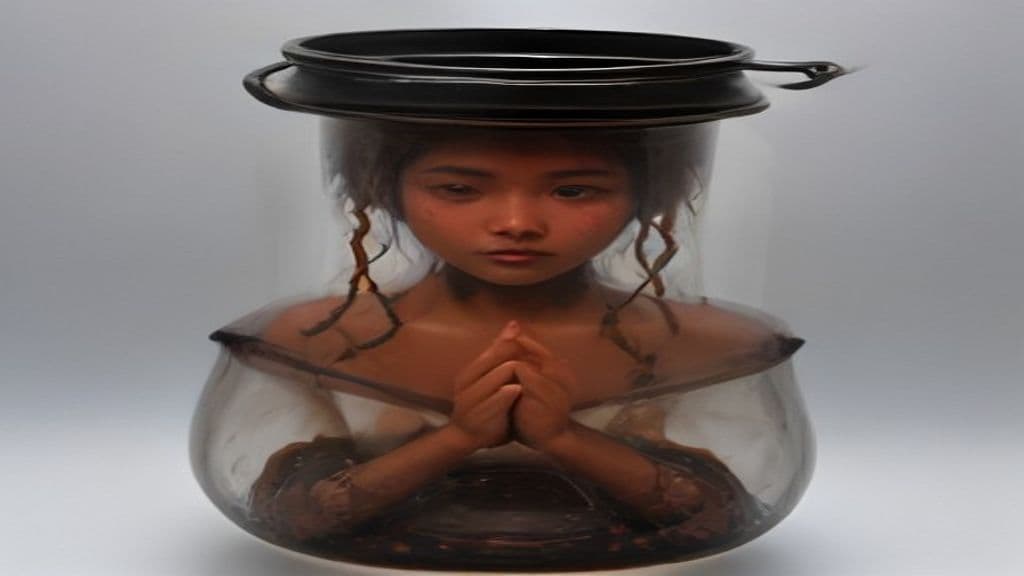
A named supernatural figure appearing in the 2013 Singaporean horror film Ghost Child (Chinese: 鬼仔), identified in the film as a toyol kept within an urn that brings malicious domestic disturbances to a household. The film is the only supplied source that presents this discrete spirit as an agent in a folk-derived domestic narrative.

Hang Jebat
Lesser

Hang Jebat

Hang Jebat is a legendary Malaccan warrior of the early 15th century notable in Malay court literature for his martial prowess and for rebelling against what he perceived as an unjust sultan after the apparent execution of his friend Hang Tuah. The figure embodies a moral tension between loyalty to ruler and opposition to tyranny and is commemorated in modern Malaysian and Singaporean toponyms and institutions.

Hang Tuah
Lesser

Hang Tuah

Hang Tuah is a legendary Malay warrior-admiral and court retainer remembered in the Hikayat Hang Tuah and the Sejarah Melayu; he functions as an idealized silat master, diplomat, and exemplar of loyalty associated with 15th‑century Malacca. The figure appears in narrative cycles that mix court historiography and wonder-tale elements (notably an enchanted kris), while his actual historicity remains debated in scholarship.

Hantu
Lesser

Hantu

Hantu is a Malay and Indonesian lexical and conceptual category for spirits and invisible beings that includes ancestral souls, animistic nature spirits, and, in modern usage, ghosts or demons. The term covers many named subtypes (e.g., Hantu Raya, Hantu Tinggi) whose forms and roles vary across local traditions.

Hantu Penanggal (Penanggalan)
Lesser

Hantu Penanggal (Penanggalan)

A nocturnal vampiric entity in Malay ghost myth, the penanggalan appears as a floating disembodied woman's head with trailing organs and entrails and is said from a distance to twinkle like a ball of flame.

Hantu Pocong
Lesser

Hantu Pocong

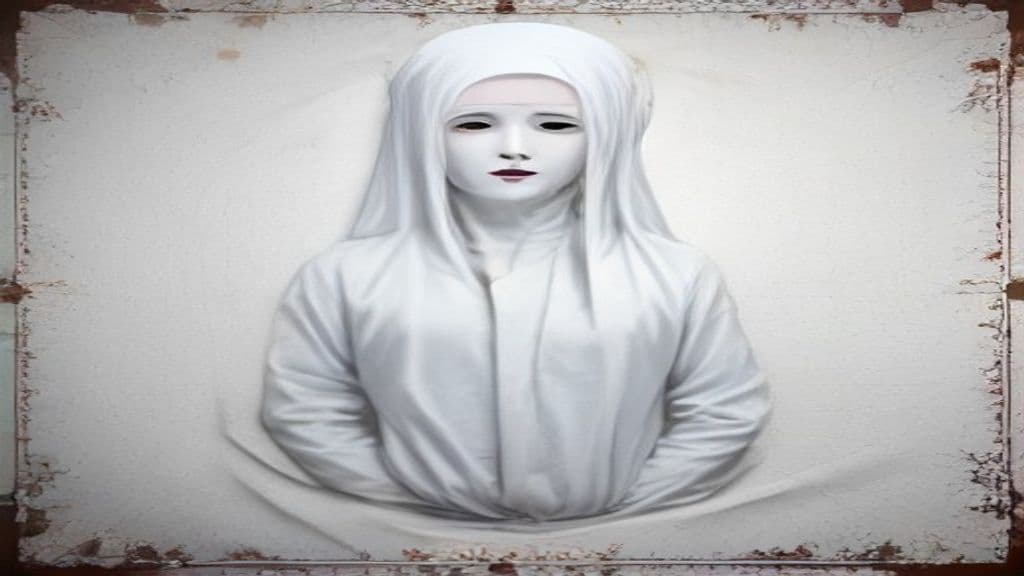
A Southeast Asian folkloric ghost understood as a dead body wrapped in an Islamic burial shroud (kain kafan), commonly associated with improper funerary procedure or unresolved death-related matters. Representations range from a hopping wrapped corpse in popular media to esoteric readings that interpret the phenomenon as residual energetic or liminal-layer disturbance.

Hantu Raya
Greater

Hantu Raya

A Malay spirit-familiar (hantu) described as a "great" or potent double that serves and substitutes for a human master, especially associated in sources with practitioners of black magic. It performs labor, provides alibis, and requires regular offerings to be kept under control.

Hantu Tetek
Lesser

Hantu Tetek

Hantu Tetek is named in Malay-language sources as a local hantu (ghost/spirit) variant within the broad family of female revenant or vampiric spirits found in Malay-region folklore. The available source treats it as one of many hantu types but provides no detailed, attested description specific to Hantu Tetek itself.

Hantu Tinggi
Ancient

Hantu Tinggi

A Malay spirit-type characterized by extraordinary height, Hantu Tinggi is an ancient forest/swamp-associated unseen being in Malay-speaking areas of Malaysia. Folklore describes it as similar to Hantu Raya or Genderuwo but vastly larger; protective practice reported in sources centers on Qur'anic recitation and seeking traditional or Islamic healers.

Hudoq
Lesser

Hudoq

Hudoq are ritualized pest-figures in Dayak agricultural cosmology of East Kalimantan: a group of thirteen crop‑destroying pests (in the traditions of Bahau, Busang, Modang, Ao’heng, and Penihing) that are personified in masked dance during the Erau harvest‑thanksgiving cycle and ritually expelled to secure abundant rice harvests.

Huminodun
Ancient

Huminodun

Huminodun is a sacred ancestral maiden in the Nunuk Ragang cycle of Kadazan‑Dusun tradition whose voluntary sacrifice ends a famine and, according to the legend, gives rise to cultivated staple crops (especially rice) and the ritual institutions of Momolianism including the bobohizan priesthood. Her story is commemorated in the Kaamatan harvest festival and the Unduk Ngadau pageant.

Jin (Malay/Javanese spirit)
Minor Spirit

Jin (Malay/Javanese spirit)

No information about a Malay or Javanese spirit called 'jin' is present in the provided source. The supplied material discusses Malaysian Malay ethnicity and does not contain data on supernatural beings, their appearance, abilities, rituals, or cultural role.

Krasue
Lesser

Krasue

A nocturnal Southeast Asian female spirit typically depicted as a floating, disembodied woman's head with internal organs trailing beneath the neck. The figure forms part of a regional cluster of related body-detaching female spirits and is presented in local traditions as a transformed or cursed human who leaves the living body by night to seek food.

Kuntilanak (Pontianak)
Greater

Kuntilanak (Pontianak)

A Malay‑world female revenant or vengeful spirit associated with women who died in childbirth or stillbirth; depicted as a pale, long‑haired woman in a blood‑stained white dress who preys on the living (men, pregnant women, women in childbirth, and in some variants virgins/young women). The figure appears across Indonesia, Malaysia, Singapore and neighboring areas and features in oral tradition and popular media.

Langsuir
Lesser

Langsuir

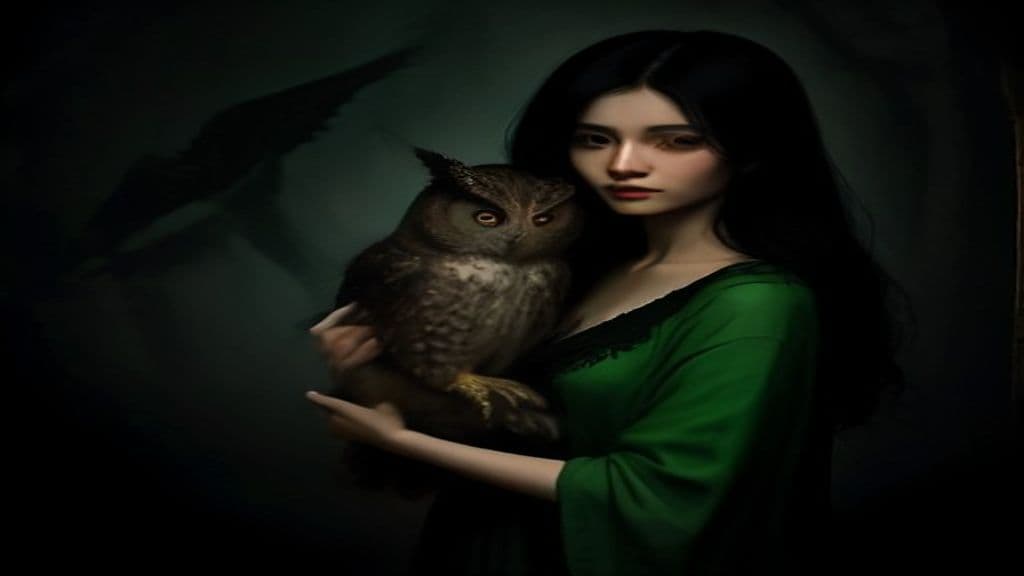
A Malay banshee-vampire — the spirit of a woman who died in childbirth, transforming into a beautiful owl-woman who sucks the blood of infants through a hole in the back of her neck.

Langsuyar
Greater

Langsuyar

A female revenant in Malay and related archipelagic traditions said to be the ghost of a woman who died in connection with pregnancy or childbirth. The langsuyar is described variously as a beautiful long‑haired woman or as a floating head with trailing entrails; she is vampiric in behavior, associated with night‑birds and certain trees/ferns, and managed by corpse‑preparations, charms, and exorcistic measures.

Mahsuri
Lesser

Mahsuri

Mahsuri binti Pandak Mayah is a historical‑legendary woman from Pulau Langkawi, Kedah, Malaysia, traditionally said to have been wrongfully executed in the late 18th century; with her dying breath she is said to have cursed Langkawi with seven generations of bad luck. Her tomb, Makam Mahsuri, remains a local memorial and tourist site.

Na Tuk Kong (Datuk/Datuk Gong)
Lesser

Na Tuk Kong (Datuk/Datuk Gong)

Na Tuk Kong, commonly called Datuk or Datuk Gong, are place-bound guardian spirits venerated in parts of the Malay Peninsula and nearby areas. Practised mainly among overseas Chinese communities in Malaysia and Singapore, the cult blends Malay animistic/keramat practices with Chinese folk-religious forms and honours individual local guardian presences tied to particular features of landscape or neighbourhood.

Orang Bunian
Greater

Orang Bunian

The 'invisible people' of Malay tradition — a sophisticated parallel civilization of beings sharing the world with humans but normally unseen, who can abduct or adopt humans who stray into their realm.

Orang Minyak
Lesser

Orang Minyak

Orang Minyak ('oily man') is a Malay folkloric figure — a nocturnal human-shaped assailant described as coated in shiny black grease who abducts and is blamed for rapes of young women. Accounts vary between supernatural cursed figures and human criminals or warlocks, and the legend functions as a cautionary nocturnal threat in Malay-speaking communities.

Orang Pendek
Lesser

Orang Pendek

Orang Pendek is a figure from Sumatran tradition and modern cryptozoology described either as a short, ground-dwelling bipedal primate inhabiting remote forests of Sumatra or, in some indigenous accounts, as a supernatural 'short ghost' (Hantu Pendek) used in oral lore and cautionary tales.

Pelesit
Lesser

Pelesit

A Malay familiar spirit traditionally conceived as a small insect (generally a cricket or sometimes a grasshopper) kept by a human owner—usually a woman—and used as an instrument of magical harm. The pelesit chirps and may enter a victim's mouth tail-first; its chirping can call a more dangerous spirit (the polong).

Penanggalan
Greater

Penanggalan

A Malay vampire consisting of a detached human head with dangling organs that flies at night to feed on the blood of infants and new mothers, then soaks its organs in vinegar to reattach.

Pocong
Lesser

Pocong

A revenant in Indonesian and Malay popular belief: the corpse wrapped in an Islamic burial shroud (kain kafan) that is said to animate when the burial knots remain tied. Pocong are described as unpredictable: some request prayers, others frighten or attack, and several local variants with distinct behaviors are attested in contemporary sources.

Polong
Lesser

Polong

A Malay familiar spirit produced from human blood and kept in a bottle by a human owner; it is deployed to afflict victims by possessing them, typically preceded by a smaller insect-like helper (pelesit). Victims are cured when the spirit is called off by its owner or through a shamanic exorcism that forces the polong to name its human 'parent.'

Pontianak (Kuntilanak)
Greater

Pontianak (Kuntilanak)

A Southeast Asian female vengeful spirit common in Malay‑language traditions, often portrayed as the restless ghost of a woman who died in traumatic circumstances; she commonly appears as a beautiful woman who may reveal a monstrous form and is associated with banana and banyan trees.

Seri Gumum Dragon
Greater

Seri Gumum Dragon

A lake-dwelling nāga (serpent/dragon) of Pahang Malay and Jakun oral tradition, said to inhabit Tasik Chini (Chini Lake). Seri Gumum appears in origin myths that explain the creation of the lake and nearby islands and is held responsible for floods, dreams of rulers, and occasional dangerous encounters in local lore and later cryptozoological reports.

Toyol
Minor Spirit

Toyol

A malevolent fetal spirit used as a supernatural familiar in Malay and Javanese black magic — typically stolen or purchased from a dukun, fed blood, and set to steal from neighbors.