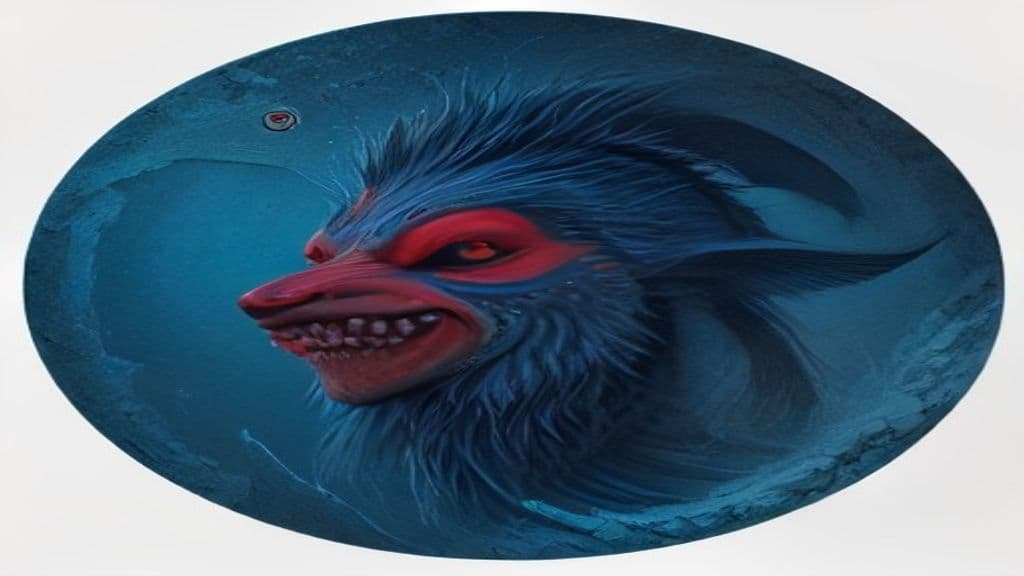
Sámi Supernatural Beings

17 documented Sámi supernatural beings from the Evil Eye grimoire, including 8 lesser and 6 ancient in power tier.

Beaivi
Ancient

Beaivi

Beaivi is the Sámi Sun and sun-being: the same term names both the celestial body and the personified solar deity. Central to seasonal rites in Sápmi, Beaivi is petitioned for the return of spring, warmth, fertility (especially of reindeer), and for recovery from mental illness and sun-related ailments.
Beaivi-nieida
Lesser

Beaivi-nieida

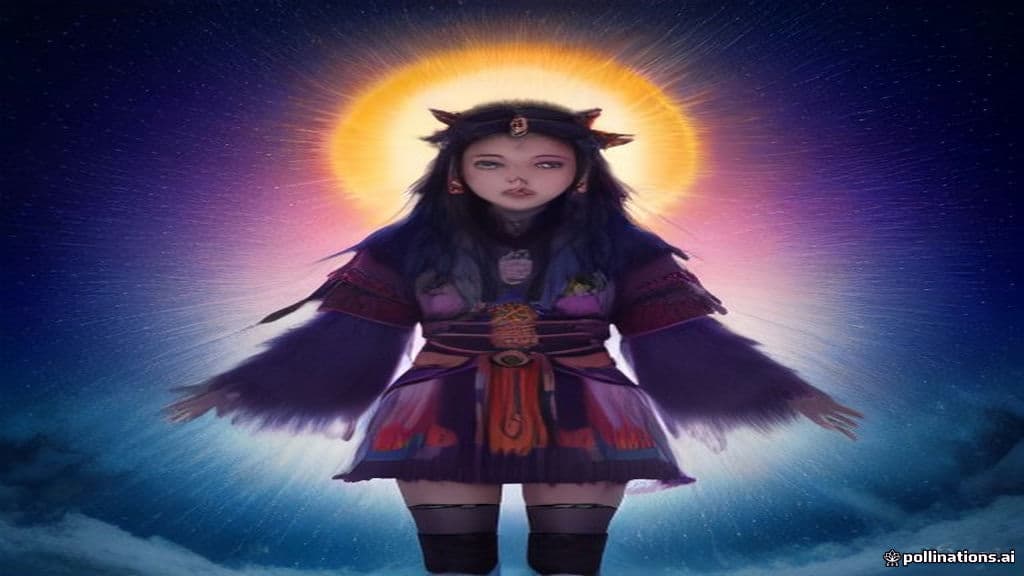
Beaivi-nieida (also given as Biejjenniejte) is identified in the cited source as a female solar figure in Sámi shamanism, translated as 'Daughter of the Sun' or 'Sun Maiden'. The available entry provides only a name, literal translation, and one-line identification within Sámi religious context.

Bieggolmai / Bieggagállis
Lesser

Bieggolmai / Bieggagállis

Bieggolmai (also attested as Bieggagállis) is named in available sources as the wind god of Sámi shamanism. The cited material identifies the entity's role with wind but provides no further mythic narratives, rituals, or descriptive detail.

Hiiden Hirvi
Minor Spirit

Hiiden Hirvi

Mythical moose from Finnish tradition that must be hunted by skiing. (Note: - Power tier: Greater (given its classification as a mythical entity that requires special skills to hunt, it's likely more powerful than a Minor Spirit) - Weaknesses: specify what the source material)

Horagalles
Ancient

Horagalles

A Sámi sky and thunder figure who produces thunder and lightning, controls weather, oceans and lakes, and whose rainbow is described as his bow. He functions as a protector of Sámi people and herds and a punisher of hostile mountain/rock spirits; in some eastern Sámi traditions the cognate Tiermes/Tiirmes has expanded cosmogonic or eschatological roles.

Hulder (Huldra)
Lesser

Hulder (Huldra)

The hulder (Norwegian huldra) is a class of Scandinavian 'hidden folk' — a forest-associated local spirit traditionally conceived as a race or kind rather than a single individual. They are counted among the rå (wardens/keepers) of particular natural places and are widely attested in Scandinavian toponyms and folk belief.

Juoksáhkká
Lesser

Juoksáhkká

Juoksáhkká (also Juksakka, Joeksaahka; lit. 'bow woman' — Stäukedne lit. 'bow mother') is a female household deity in Sámi shamanistic belief associated with childbirth, the development and protection of children, and immediate postnatal rites. She is one of the daughters of Máttaráhkká, located in the ground under the goahti (often at the back), and was reported among Sámi in the Scandinavian parts of Sápmi but not universally across all Sámi regions.

Jábmiidáhkká
Ancient

Jábmiidáhkká

Jábmiidáhkká (also Jabme-akka) is the female ruler of the Sámi underworld Jábmiidaibmu. She functions as gatekeeper and mediator for the dead, sometimes permitting them to affect the living and allowing captured souls to return in exchange for offerings; sacrificial burials of black animals are recorded as offerings to her.

Lieaibolmmai
Greater

Lieaibolmmai

Lieaibolmmai (also Leibolmai, Liejbbeålmáj, Leib-Olmai) is a Sami forest deity who rules wild animals and is petitioned by hunters for good fortune. He is associated specifically with alder trees and appears to humans in the form of a bear.

Máttaráhkká
Lesser

Máttaráhkká

Máttaráhkká is a Sámi mother figure associated with fertility, childbirth, and the giving of the physical body to a child. She is a domestic, chthonic presence said to dwell in the ground beneath the goahti and was traditionally petitioned by women during pregnancy; after Christianization she was often syncretized with the Virgin Mary.

Radien-attje
Ancient

Radien-attje

Radien-attje is a sky-centered, fertility-linked ruling figure in Southern and Western Sámi belief, portrayed as the cosmic ruler and giver of life who upholds the world via a world-pillar and receives the souls of the righteous. He functions as the senior member of a heavenly family and is propitiated with seasonal sacrifices to ensure fertility and the continued stability of the cosmos.

Radien-pardne
Ancient

Radien-pardne

Radien-pardne (also Radien-bardne, Southern Sámi Raedienbaernie; also Raediengiedte/Radienkiedde) is a deity in Sámi religion described as the active son who carries out the orders of his passive father, Radien-attje. He forms part of a divine triad with Radien-attje and Raedieahkka; scholars have compared this trio to the Christian configuration of God the Father, Jesus, and the Virgin Mary (comparative framing from the sources).

Raedieahkka
Ancient

Raedieahkka

Raedieahkka (also attested as Radien-akka) is a goddess in Sámi mythology who, together with her consort Radien-attje, is described in the cited sources as one of the two principal divinities responsible for creating the world and the human soul. She is named as the mother of Rana Niejta and Raediengiedte.

Rana Niejta
Lesser

Rana Niejta

Rana Niejta is a Sámi female divine figure associated with springtime greening and the renewal of plant life that provides pasture for reindeer. She is one of several related spring/fertility daughters in Sámi tradition and was propitiated to ensure grass and fodder for Sámi herds.

Ravgga
Minor Spirit

Ravgga

Ravgga is attested in one source as a fish-associated fortune-telling being in Sámi mythology. Beyond a single-line definition identifying it as a 'fortune-telling fish god,' there is no supporting ethnographic or narrative detail in the supplied materials.

Sáráhkká
Lesser

Sáráhkká

Sáráhkká is a Sámi female household/divine spirit primarily associated with childbirth, the embodiment of fetuses, and the protection of pregnant women and birthing reindeer. She inhabits the domestic locus beneath the goahti hearth and is attended by offerings, taboos, and lifecycle rites in Sámi communities of northern Norway and Sweden.

Uksáhkká
Lesser

Uksáhkká

Uksáhkká is a female household/threshold deity in Sámi shamanic belief associated with the goahti's door and childbirth. She is counted among the daughters of Máttaráhkká and functions as a guardian of passages, receiving newborns and protecting infants as they learn to walk and move about the household.