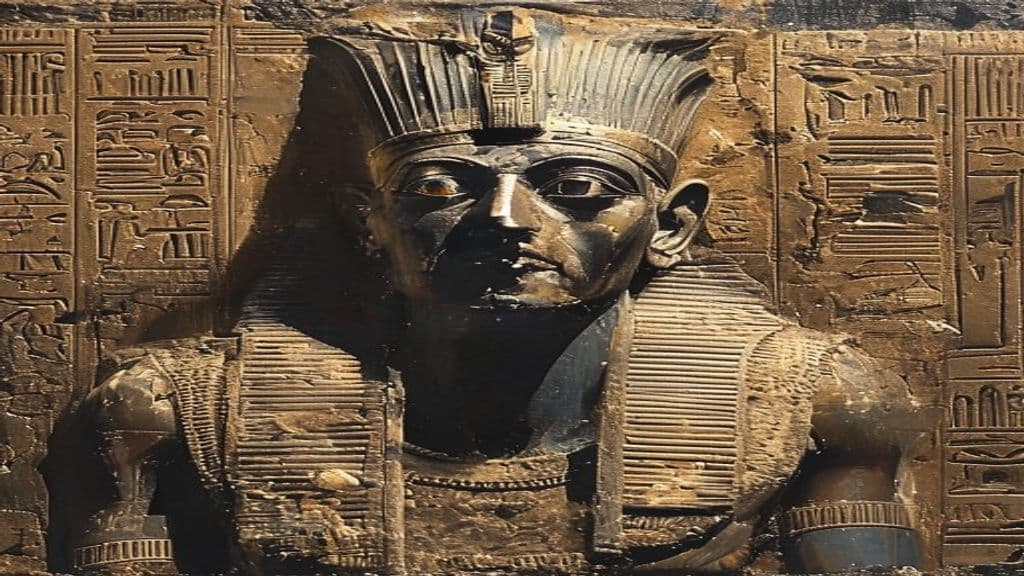
Imhotep began as an historical individual in the late 27th century BC who served as chancellor to Pharaoh Djoser and held priestly office in official contexts; over roughly three millennia his reputation was gradually glorified and he became one of a small number of non-royal Egyptians deified after death. By the Third Intermediate/Late Period and especially in Ptolemaic and Roman times he functioned within Egyptian religious imagination and cult as a divine or semidivine figure associated with healing, learned arts, and temple ritual, and was incorporated into cult genealogies (e.g., called a son of Ptah in some traditions) and equated with Thoth and, under Greek contact, with Asclepius.
Ancient contemporary inscriptions that name Imhotep survive on statuary bases and wall graffiti but provide no detailed physical portrait in the cited materials. Later ancient literary and cultic texts present him as a legendary wise man and healer rather than offering a consistent anthropomorphic description in the provided sources. Modern popular culture sometimes depicts Imhotep in fictional undead or monstrous guises (e.g., 20th–21st century films and fiction); these portrayals are explicitly modern creative reworkings and are not part of the ancient cultic descriptions cited.
In the ancient record as preserved in later texts, Imhotep is credited with wisdom, authorship of wisdom literature, and especially with functions in medicine and healing — attributions that appear prominently from the Thirtieth Dynasty onward and in Ptolemaic and Roman-period materials. Legendary narratives in Ptolemaic-era inscriptions and demotic papyri depict him engaging in priestly counsel (e.g., credited on the Upper Egyptian Famine Stela with a role in ending a seven-year famine during Djoser's reign) and performing miraculous or magical actions in literary tales (for example a demotic story in which he disguises himself, effects a rescue, and duels magically with an Assyrian sorceress). Contemporary Old Kingdom inscriptions do not attribute medical authorship or miraculous powers to him; those claims derive from much later priestly literature and temple tradition. Modern fictional sources attribute regenerative undead and elemental powers to Imhotep, but those are creative inventions of film and later fiction and are distinguished from the documented ancient cult roles.
Weaknesses
- otherNo ancient vulnerabilities recorded — the supplied sources do not record any specific weaknesses or vulnerabilities for Imhotep in traditional Egyptian material.
Wards
- ritualWab-priest libations to the ka / libation with water bowl
Thoth
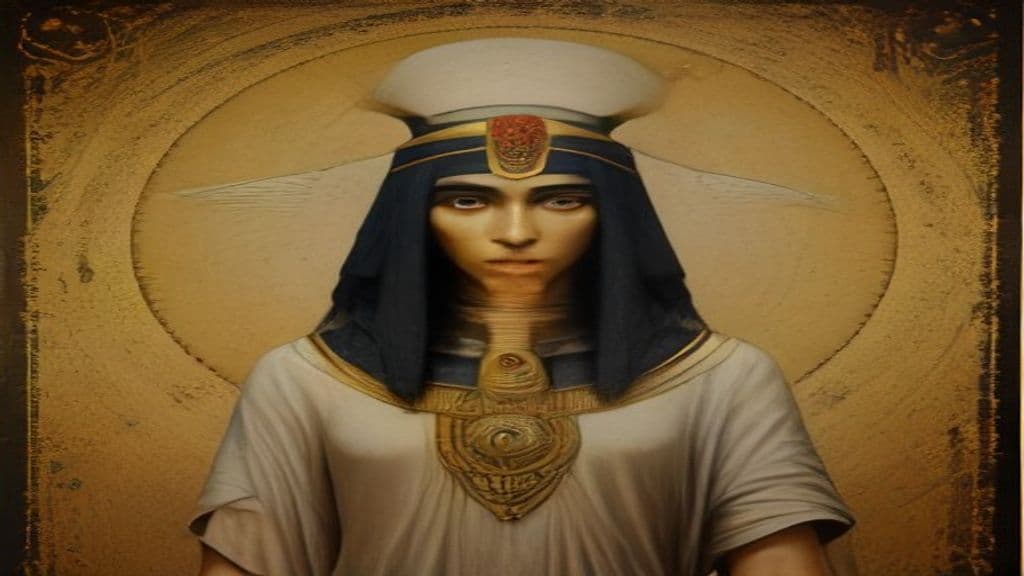
Thoth is an ancient Egyptian deity of the Moon, wisdom, writing, measurement, and magic, functioning as divine scribe, counsellor, and maintainer of Ma'at; he appears in myth as inventor/author of knowledge and as a recorder in funerary judgment and cosmic calculation.
Asclepius
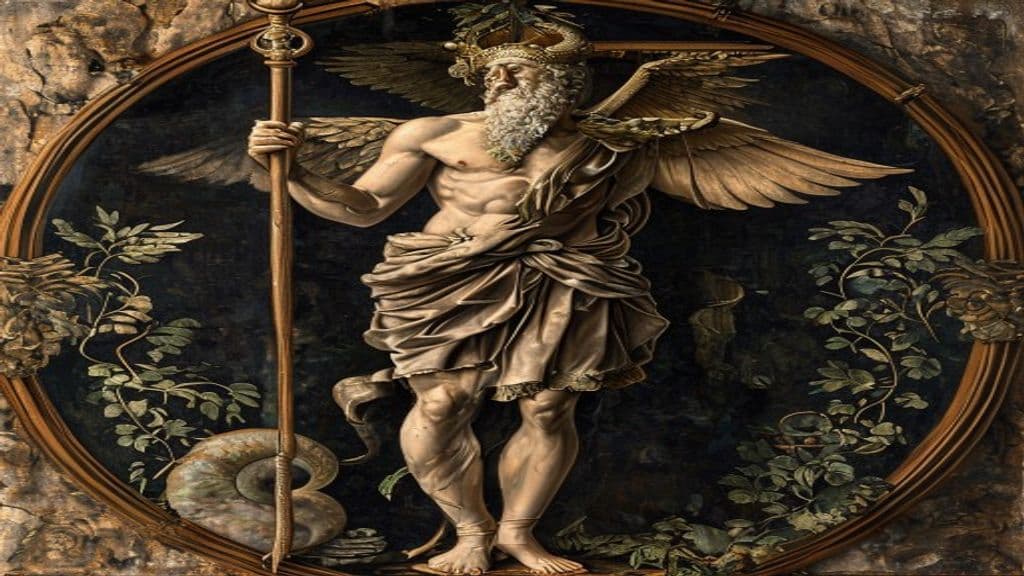
Asclepius is the ancient Greek divine figure and hero of medicine who personifies curing, medical expertise, and sanctuary-based therapeutic practice. Worshipped at major healing centers (notably Epidaurus), he functions as both mythic miracle-worker (including traditions of restoring life) and the patron-model for professional physicians and ritual healing procedures.

Amenhotep, son of Hapu
Amenhotep, son of Hapu was a historically attested 18th‑Dynasty official who was posthumously venerated and integrated into Egyptian temple cult as a deified, local healing intercessor. His cult appears in Thebes and resurges in the Ptolemaic period, represented in votive reliefs, chapels, and statues.
Ptah
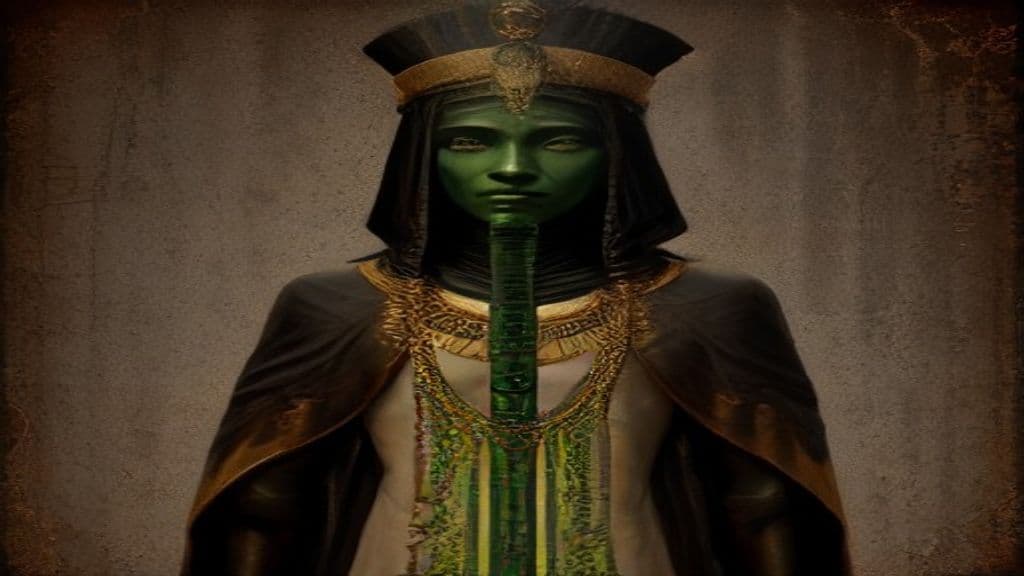
Ptah is the principal Memphite deity of ancient Egypt, venerated as a creator god and patron of craftsmen and architects. He conceives the world 'in the design of his heart' and realizes it by speech, serves as master of ceremonies and justice in state cult, and is central to funerary and royal ritual in Memphis.

Sekhmet
Sekhmet is an ancient Egyptian lioness-headed goddess who functions as the vengeful 'Eye of Ra', a solar agent of divine punishment, and simultaneously as a powerful healing and protective deity invoked against disease. Her mythology and cult deploy the same ambivalent force for destruction and restoration, with ritual practices developed to both propitiate and emulate her pacification.
*Péh₂usōn (reconstructed)
Péh₂usōn is a hypothetical Proto‑Indo‑European pastoral guardian reconstructed by comparative scholars from parallels in Greek and Vedic traditions. Proposed as a Graeco‑Aryan ancestor‑figure, the reconstruction describes a protector of flocks, roads, and travellers rather than an attested historical cultic personality.
Aani
Aani (ancient Egyptian jꜥnr) is the lexical term for the baboon in ancient Egyptian language and functions in religious contexts as an animal icon and theophoric epithet. Attested repeatedly in Egyptian texts and images, the baboon image is used to represent or denote aspects of gods such as Thoth, Hapy, Khonsu, and Osiris rather than implying the animal itself is an independent deity.
Aati
Aati (also rendered Ati) is one of the 42 judges of the dead in ancient Egyptian funerary literature, attested in the Book of the Dead tradition (notably the Papyrus of Nebsemy). Described as originating 'from Heliopolis', Aati's documented function is to question the deceased about a specific moral accusation during the Duat judgment; the funerary texts supply a formulaic denial the soul must recite.
Aba (disambiguation / name-form)
Aba is a polyvalent name-form attested across many unrelated contexts (place names, personal names, animal names, and brief mythological listings). The provided sources do not support a single, coherent supernatural entity called "Aba" and offer no descriptive or ritual material for such a being.
Abadiu of Antinoe
Abadiu of Antinoe was a fourth‑century bishop of Antinoe (Antinoopolis, in Roman Egypt) commemorated as a martyr and saint in the Coptic Orthodox Church, with a feast day on 26 December. Sources record that he was killed during a theological dispute with Arian opponents and reference him in collections of Egyptian martyrs.
Abarbarea
Abarbarea is a name attested in classical Greek and Roman sources for freshwater nymphs (naiads). The name appears for at least two individual mythic figures — a naiad wife of Bucolion and a naiad counted among ancestors of the Tyrians — and Hesychius records plural forms that may indicate the name was also used as a class-name (Abarbareai / Abarbalaiai).
Abas
Abas (Ancient Greek: Ἄβας, gen.: Ἄβαντος) is not a single mythic being but a recurring personal name borne by multiple mortals and minor mythic figures in Greek epic and genealogical traditions — kings, founders, seers, warriors, attendants, a centaur, and a youth transformed by a goddess. The name is glossed in the sources as 'guileless' or 'good-hearted' and appears across Argive, Theban, Trojan, Euboean, and other local cycles.
Abaset
Abaset is a localized ancient Egyptian goddess attested in tomb decoration at El‑Bawiti in the Bahariya Oasis during the 26th Dynasty. She is depicted anthropomorphically with a hedgehog motif incorporated into her headdress and appears on the walls of Qarat Qasr Salim, including twice in the Tomb of Bannentiu. No cult texts, myth narratives, or ritual prescriptions for her are recorded in the cited corpus.
Abderus
Abderus (Ancient Greek: Ἄβδηρος, romanized Ábdēros) is a mortal heroic figure in Greek myth closely associated with Heracles, remembered as the youth left in charge of the Mares of Diomedes who was killed by them. He functions as an eponymous local/divine-hero ancestor for the city of Abdera and received funerary commemoration and athletic agones at his tomb.
Abib and Apollo
Abib and Apollo are Christian ascetics and hagiographic saints of Akhmim (Upper Egypt) attested in Coptic sources and the Historia Monachorum. Remembered for extreme asceticism, monastic leadership, angelic encounters, and inclusion in the Coptic Synaxarion (feast day November 4).
Abomination of Desolation
An apocalyptic prophetic phrase originating in the Book of Daniel designating a profaning thing or act that renders the Jerusalem Temple cult desolate; later reused in the Synoptic Gospels as an eschatological sign prompting urgent flight. The term denotes ritual/cultic impurity (Hebrew shiqquts) and is variously interpreted as pagan offerings or altar, a foreign cult statue, or (in some New Testament readings) an acting agent.
Absyrtus
Absyrtus (Ancient Greek: Ἄψυρτος) is a Colchian prince in the Greek Argonautic cycle, son of King Aeëtes and brother or half-brother of Medea. He appears in variant traditions either as a companion taken by Medea during her flight with Jason and murdered/dismembered to delay pursuit, or as a pursuer sent by Aeëtes who is overtaken and slain by Jason; his death functions as a key narrative device in the escape from Colchis.
Community Record
- [1]Imhotep - Wikipedia. Wikipedia: Imhotep (summary of historical and cultic development; name ỉỉ-m-ḥtp; deification; Memphis cult; equation with Thoth and Asclepius; libation citation; Famine Stela and demotic stories referenced)wiki
- [2]Imhotep (popular/fictional references). Overview of modern fictional portrayals and adaptations of Imhotep in 20th–21st-century popular culture (used only to note modern fictionalizations distinct from ancient cult material).other
- [3]Imhotep (modern documentary / speculative mentions). Modern documentary/esoteric-style summary referencing Imhotep; cited in notes as example of modern speculative treatments and cautioned as combining fact with conjecture.other
- [4]Archive resources mentioning ancient Egyptian contexts. Archive collection materials on ancient Egypt used in the research notes to indicate documentary contexts and public-facing media discussing Imhotep.other