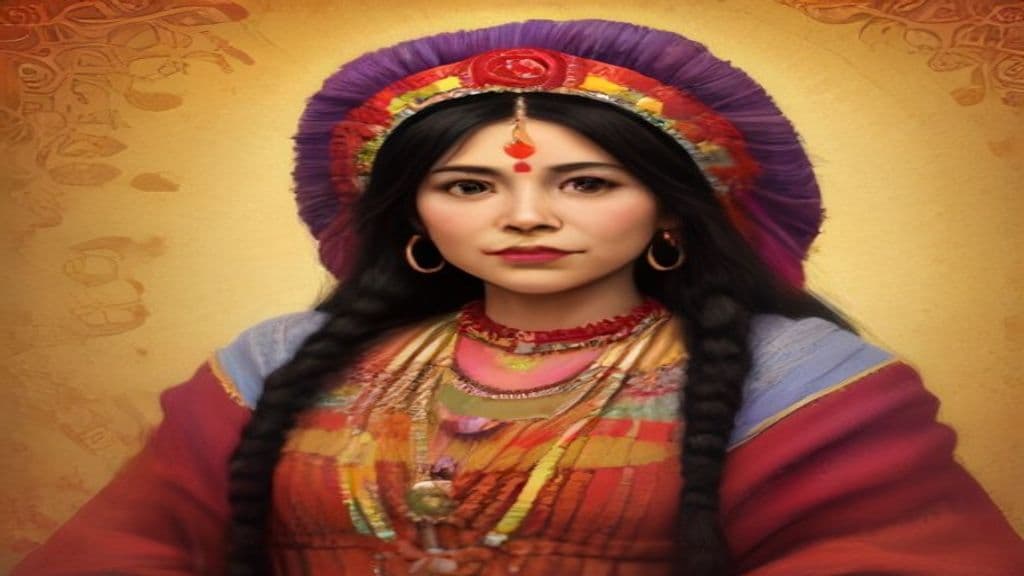
Andean Supernatural Beings

66 documented Andean supernatural beings from the Evil Eye grimoire, including 19 ancient and 16 lesser in power tier.

page 1 of 2

Aguano
Minor Spirit

Aguano

Aguano is an ethnonym for an indigenous people of Peru (also recorded as Awano, Ahuano, Hilaca, Uguano, Aguanu, Santacrucino, Tibilo). Sources identify them as inhabitants of riverine areas of the Huallaga, Samiria and Marañón and note demographic collapse after European contact; the provided materials do not document Aguano as a supernatural being.

Aiapæc (Ai Apaec)
Ancient

Aiapæc (Ai Apaec)

Aiapæc (Colonial Mochica: aiapæc, aiapäk) is a prominent mythological figure identified in Moche (Mochica) iconography. Scholarly reconstructions present Aiapæc as a powerful provider and protector associated with mountains, water, food and military success, and also as a feared punitive recipient of offerings including human heads; the exact rank and identity of the figure within pre‑Hispanic Moche religion is debated in the secondary literature.

Amaru (Inca mythology)
Primordial

Amaru (Inca mythology)

In Inca tradition, Amaru is a double-headed serpent representing infinity, knowledge, and cosmic renewal, with the ability to traverse worlds. (Note: - Power tier should be Ancient (Amaru's abilities suggest a deity-level power) - Origin story is missing - Wards and weaknesses are not mentioned in the source material, so they should be removed or r)

Apu
Lesser

Apu

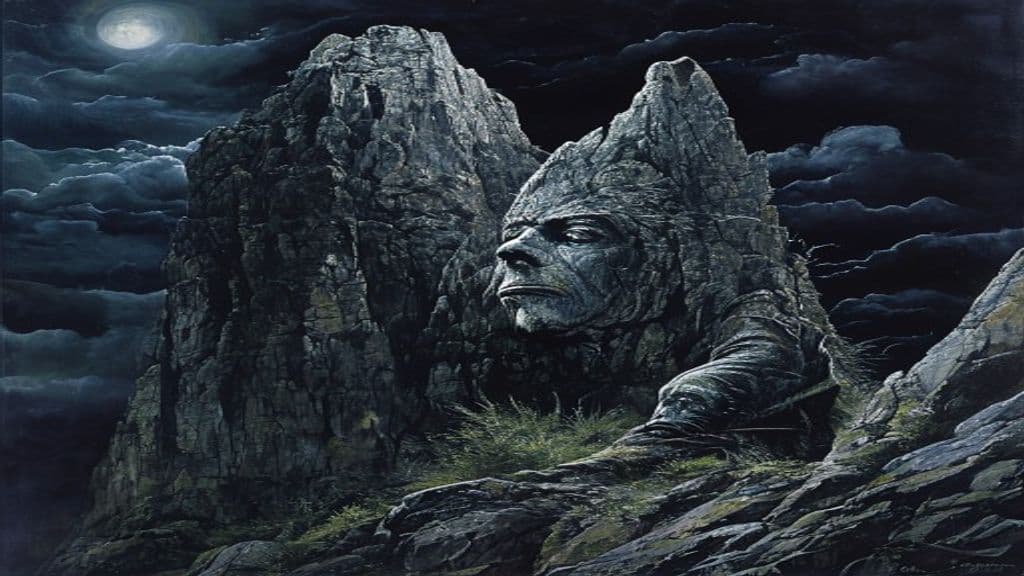
In Andean (Inca-era and continuing) belief, an apu is the spirit of a mountain or a solitary rock, conceived as a localized, often anthropomorphic guardian presence associated with a particular peak or notable stone in Peru, Ecuador, and Bolivia.

Apu Illapu
Ancient

Apu Illapu

Apu Illapu (also Illapa, Ilyapa, Ilyap'a, Iyapa) is a major Inca deity associated with thunder, lightning, rain and other atmospheric phenomena. He was invoked in agricultural contexts and during drought; temples, pilgrimages, prayers and sacrifices were offered to secure his favor or to halt destructive storms.

Atoq (Andean fox spirit) — Untested attestation
Minor Spirit

Atoq (Andean fox spirit) — Untested attestation

Atoq is presented in some modern summaries as an 'Andean fox spirit' associated with Inca-related material, but the single provided source (a general overview of Inca mythology) does not itself attest specific information about Atoq. This entry therefore limits claims to what the supplied source supports and notes absent evidence where appropriate.

Ayar Anca (unconfirmed)
Lesser

Ayar Anca (unconfirmed)

Ayar Anca is a queried name for which no direct attestation appears in the supplied source corpus. The materials provided document Inca creation and founding figures (e.g., Viracocha, Manco Cápac, Mama Ocllo) and note variant traditions; within that context the name Ayar Anca is not found and must be treated as unconfirmed pending primary-source evidence.

Ayar Auca
Ancient

Ayar Auca

Ayar Auca is named in modern accounts as one of the Ayar siblings in the Inca origin cycle who emerge from the cave at Paqariq Tampu; in the provided sources he appears as a member of the founding-ancestor group rather than as a separately detailed supernatural class.

Ayar Cachi
Primordial

Ayar Cachi

In Inca mythology, Ayar Cachi is one of the brothers of Manco Cápac and a significant figure in the origin myth of the Incas. (Note: 1. Power tier: Lower to Ancient (deity-level) since Ayar Cachi is described as one of Manco Cápac's brothers and shares an origin myth, but does not appear to possess cosmic powers. 2. Abilities: The )

Ayar Uchu
Lesser

Ayar Uchu

Ayar Uchu is a name that appears in at least one modern web listing as an 'Inca God of Mystery' but lacks corroboration in the supplied primary and reference sources. There is no reliable ethnographic or classical mythic documentation for an entity by this exact name in the provided materials.

Aymara people (tradition)
Minor Spirit

Aymara people (tradition)

Aymara cultural and ritual traditions of the high Andean Altiplano centering on long-term place-based continuity (Lake Titicaca, Tiwanaku), ancestor mortuary practices (chullpas), oral and musical repertoires, and distinctive linguistic cosmologies that shape how the community apprehends time, space, and relations with powerful places. The supplied sources do not record a single named supernatural entity; this entry documents the ethnographic and cosmological context relevant to Aymara beliefs about ancestors, sacred places, and ritual practice.

Bolas
Lesser

Bolas

Bolas are a physical throwing weapon consisting of weights connected by cords, used historically and traditionally to entangle the legs of animals (and occasionally humans) at a distance. They appear in multiple regional traditions—notably in southern South America among Tehuelche and gauchos, in Mapuche and Inca military contexts, and in Inuit bird-hunting practice—under a variety of local names and constructions.

Cañari (ethnonym; associated mythic figures)
Minor Spirit

Cañari (ethnonym; associated mythic figures)

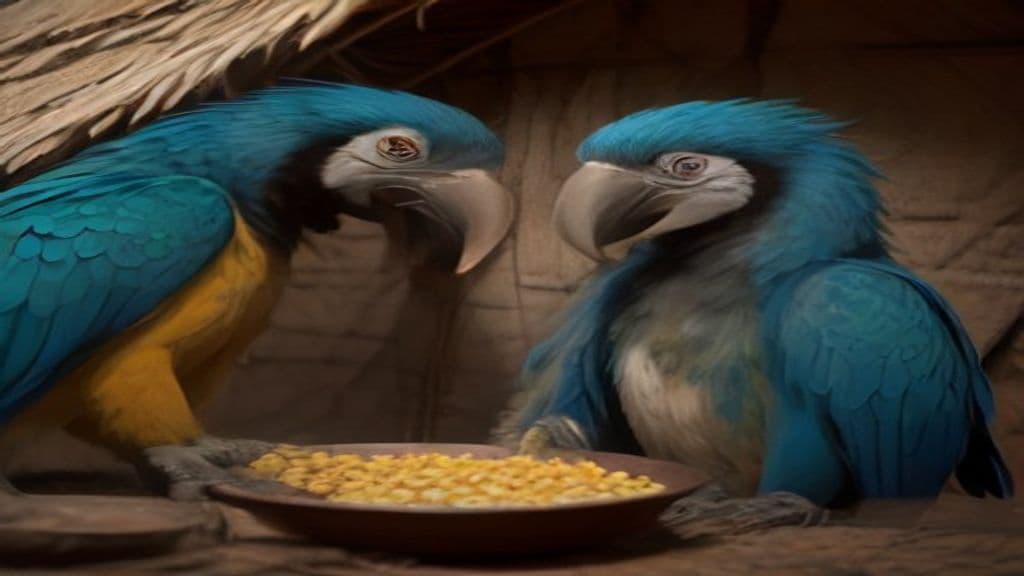
Cañari (Kichwa: Kañari) is primarily an indigenous ethnonym for a pre-Columbian people of southern Ecuador; surviving secondary sources document a Cañari flood myth that includes two macaw‑faced female beings who assist human survivors rather than describing a single supernatural entity named “Cañari.”

Chakana
Greater

Chakana

A symbol used by the Inca and pre-Incan Andean societies representing a bridge or means of crossing over, with a long cultural tradition spanning 4,000 years. (Note: 1. Power tier should be Primordial as it's an ancient and widespread symbol with deep roots in pre-Incan societies. 2. Abilities section is empty and not mentioned in the source material; add a note s)

Chiminigagua
Primordial

Chiminigagua

Chiminigagua is the supreme creative principle in Muisca (Chibcha) cosmology of the Colombian Altiplano; described in sources as the primordial source of light who brought the visible world into being and from whom the Sun, Moon and other lesser deities derive. The deity is presented more as a transcendent, often bodiless origin than as a regularly culted, anthropomorphic patron; veneration in practice was channeled through solar, lunar and fertility cults and major sanctuaries.

Chimú (Chimor)
Minor Spirit

Chimú (Chimor)

The Chimú (also terms as Chimor when referring to their polity) were a pre-Columbian coastal civilization of northwestern Peru that arose ca. 900 CE, produced distinctive material culture (ceramics, metalwork, textiles), controlled up to ~1,000 km of Pacific coastline, and persisted until conquest by the Inca under Topa Inca Yupanqui around 1470 CE. Archaeological evidence from Chimú-associated sites indicates ritual activity including human sacrifice, but the provided sources treat Chimú as a historical culture/polity rather than a supernatural being.

Ciqui Ollco
Minor Spirit

Ciqui Ollco

Ciqui Ollco is not documented in the supplied sources as a supernatural being; the materials reference historical Inca royals (notably Topa Inca Yupanqui and Mama Ocllo Coya). Any supernatural characterization of 'Ciqui Ollco' is unsupported by the provided research notes.

Cusco Quechua
Minor Spirit

Cusco Quechua

Cusco Quechua (Qusqu qhichwa simi / Qusqu runasimi) is a regional variety of Southern Quechua spoken in the city and Department of Cusco, Peru. It is part of the Southern Quechua grouping (including Puno and Bolivian varieties) and is the variety used and promoted by the Academia Mayor de la Lengua Quechua in Cusco; sources note debates over vowel analysis and orthography and list the variety as vulnerable in language-vitality metadata.

El Tío
Lesser

El Tío

El Tío ('The Uncle') is the subterranean lord and local spiritual power of mines in the Bolivian Altiplano (especially Cerro Rico, Potosí). Miners propitiate him with statues and offerings because he is believed to both protect and punish; his identity overlaps with the indigenous Supay and is shaped by colonial and mining contexts.

Gualicho
Lesser

Gualicho

Gualicho (also spelled gualichu or walichu in place-names) is a Patagonian/Tehuelche folk term used to name a harmful supernatural influence or curse attached to places, events, or people. The term appears in regional toponymy and modern popular sources and was adopted as the genus name for a newly described theropod, but the supplied materials are primarily toponymic and paleontological references rather than detailed ethnography.

Hanan (lexical element; as in Hanan Pacha)
Lesser

Hanan (lexical element; as in Hanan Pacha)

Hanan is not attested in the provided sources as an independent goddess. In the Andean/Quechua material within the corpus, hanan functions as a lexical/ontological element meaning the 'upper' or 'higher' realm (as in Hanan Pacha, the Higher World) and appears in compound epithets linking deities (e.g., Inti Hanan Pacha) to that higher world.

Huacas (Mountain Deities)
Primordial

Huacas (Mountain Deities)

In the Quechua mythology, Huacas are mountain deities revered as protectors of regional ethnicities and central figures in myths. (Note: 1. Power tier: Primordial seems too high given that Huacas are mountain deities and not cosmic entities. 2. Appearance: Should be added that there is no physical description provided for the Huacas, b)

Huanca
Lesser

Huanca

Huanca refers to two related Andean referents in the supplied sources: (A) an ethnonym for a Quechua people of the Junín region of central Peru, and (B) huanca/wanka, a sacred elongated vertical standing stone (monolith) in Andean ritual practice that is worshipped and given offerings and is believed to represent chiefs and ancestors.

Huayna Pacha
Greater

Huayna Pacha

Deity in Inca mythology associated with the upper world or sky, connected to weather and natural phenomena. (Note: - Power tier: Should be Ancient, not Greater, as a deity is typically on a higher power level than regional. - Sensory cues, wards, and weaknesses: None mentioned in source material; should be deleted)

Huitaca
Lesser

Huitaca

Huitaca is a female deity in modern secondary accounts of the Muisca (Chibcha) tradition, described in those sources as a goddess associated with pleasure, arts, dance, music, sexual freedom and—in some modern summaries—the Moon. She is commonly portrayed in retellings as a rebellious figure whose diversion of humans from labor leads to punishment and transformation into an owl in the narrative tradition preserved in secondary sources.

Huiñao
Local Spirit

Huiñao

The Huiñao is a geographical location with cultural significance in Inca tradition, possibly having some supernatural connotations. (Note: 1. Power tier should be Primordial (since it's a geographical location with cultural significance, implying a more significant impact). 2. Add Appearance, Abilities, Sensory cues, Weaknesses, and Ward)

Hunzahúa
Ancient

Hunzahúa

Hunzahúa is the legendary first zaque (northern ruler) of the Muisca polity based at Hunza (present-day Tunja). Presented in source material as a foundational cacique and moralizing figure, his myth explains local toponyms and landmarks (the Hunzahúa Well, rocks at Tequendama Falls) through a narrative of incest, communal outrage, and consequent etiological transformations.

Inca Human Sacrifice Entity
Primordial

Inca Human Sacrifice Entity

A supernatural force in Inca tradition believed to demand human sacrifice, particularly children, as a form of placation. (Note: 1. The summary should mention that the entity demands appeasement, not just placation. 2. Power tier should be Ancient (deity-level) instead of Primordial (cosmic). 3. The source material does not sup)

Inkarri
Primordial

Inkarri

Supernatural vengeful entity that resurrects and avenges Atahualpa's death, restoring balance between Pacha Mama and humanity. (Note: 1. Power tier: Inkarri's abilities don't suggest Primordial level; it seems more like Greater or Ancient. 2. Appearance: Add a description of what Inkarri looks like after resurrecting (e.g., how its )

Inti
Ancient

Inti

Inti is the principal Inca solar deity — a politicized and multilayered sun-power central to Inca state religion, agriculture, and dynastic legitimation. Treated as both the divine Sun and an ancestral source for the ruling lineage, Inti was worshipped in temples (notably Qurikancha), honored in seasonal rites such as the Inti Raymi, and served by an institutional priesthood.

Kichwa-Lamista tradition
Minor Spirit

Kichwa-Lamista tradition

The Kichwa-Lamista tradition refers to the cultural, linguistic, ritual, and spiritual lifeways of the Kichwa-speaking people of Lamas (San Martín Region, Peru). Their worldview combines Catholic practice with indigenous shamanic practices, is deeply embedded in forest-based subsistence (healing, farming, fishing, hunting), and preserves specialist esoteric registers and ritual knowledge within community life.

Mama Huaco
Ancient

Mama Huaco

Mama Huaco is an ancestral female figure in Inca origin narratives who emerges from the cave of Paqariq Tampu/Pacaritambo among the founding siblings; sources describe her as strong and skillful and record an act in which she hurled two golden staffs northward, an action tied to territorial marking in the origin cycle.

Mama Ipacura
Minor Spirit

Mama Ipacura

A name that appears in some modern mentions as a feminine figure associated with Inca origin-cycle narratives; however, the supplied source set contains no primary descriptions or attestations of Mama Ipacura as a distinct, historically documented mythic personage. Most statements about her must therefore be treated as uncertain and extrapolated from the general category of Inca "Mama-" founding women.

Mama Killa (Mama Quilla)
Ancient

Mama Killa (Mama Quilla)

Mama Killa (Quechua: Mama Killa / Mama Quilla, 'Mother Moon') is the Inca lunar goddess and a high-ranking divine figure whose cycles regulated time, ritual order, and aspects of women's social life. She is depicted as a moon-personified woman, served by priestesses, and figured in myths explaining lunar spots and eclipses.

Mama Ocllo
Greater

Mama Ocllo

Deified mother and fertility goddess associated with the establishment of the city of Cusco and foundational power within Inca society. (Note: - Power tier: Primordial (due to her association with creation and foundational power) - Abilities: The text only mentions reproductive and maternal care powers, but it is likely that Mama Ocllo's abi)

Mama Ocllo Coya
Lesser

Mama Ocllo Coya

Mama Ocllo Coya (fl. 1493) is recorded in the supplied sources as a princess and queen consort (Coya) of the Inca Empire, wife of Sapa Inca Topa Inca Yupanqui and mother of Huayna Capac. Described in historical and legendary accounts as politically active and influential, she is credited with a stratagem in a Chimor episode and with decisive action to secure her son's succession.

Mama Pacha
Primordial

Mama Pacha

Mama Pacha (commonly Pachamama) is an Andean/Inca deity and cosmological principle representing space-time, a maternal force that sustains life, fertility, and nature. She is presented in sources as an omnipresent, generative principle within Andean worldview rather than a narrowly localized spirit.

Mama Qucha
Ancient

Mama Qucha

Mama Qucha (Mama Cocha) is an Inca water mother deity, personifying the sea and other bodies of water. She functions as guardian of sailors and fishermen, provider of fish and calm seas, and is counted among the principal female elemental mothers in Inca cosmology.

Mama Quilla
Ancient

Mama Quilla

Mama Quilla is the Inca goddess of the moon, described in sources as the ‘third power’ in Inca religion. She is presented as daughter of the creator Viracocha, sister and wife of the sun-god Inti, mother of the culture-heroes Manco Cápac and Mama Uqllu, and associated with marriage, the menstrual cycle, protection of women, and the Inca calendar.

Mama Uqllu
Ancient

Mama Uqllu

Mama Uqllu (Hispanicized Mama Ocllo, Mama Occllo, Mama Okllo) is an Inca mother-figure and culture-founder associated with fertility, marriage, the menstrual cycle, and the transmission of domestic and civilizing arts (weaving, house-building). She is paired with Manco Cápac in foundation myths and appears in variant genealogies as child of either Inti and Mama Killa or of Viracocha and Mama Qucha.

Manco Cápac
Ancient

Manco Cápac

Manco Cápac is the foundational ancestral figure and culture‑founder of the Inca (Quechua) tradition: remembered as the first ruler (Sapa Inca) and progenitor who, according to origin legends, established Cusco after emerging with Mama Ocllo from Lake Titicaca. Sources treat him variably as mythic ancestor, legitimizing founder, and a possibly historical early ruler.

Pacha (Inca mythology)
Primordial

Pacha (Inca mythology)

Cosmological concept representing the relationship between space and time in Inca mythology; an abstract entity embodying the interconnectedness of the physical world and time. (Note: 1. Power tier should be Primordial, but a note or explanation on how it fits into that category would help clarify its role as a fundamental cosmic relationship. 2. The summary could be more accurate,)

Pacha Kamaq
Primordial

Pacha Kamaq

Pacha Kamaq (Pachacámac) is a pan-regional creator and sustaining deity venerated on the central coast of Peru and incorporated into Inca imperial religion. Sources describe him as the creator/animator of the universe and a controller of cosmic balance, variously conceived as a personal god and as an impersonal, unseen principle.

Pacha Mama
Ancient

Pacha Mama

Pacha Mama is an Andean/Inca mother-deity representing 'space-time' and a universal, life-sustaining principle tied to earth, fertility, and the totality of the cosmos. Revered across the Andes, she functions as a foundational generative presence from which major cosmological principles are said to trace their origin.

Pachacuti
Ancient

Pachacuti

Pachacuti is the name of the ninth Sapa Inca credited in Inca historiography with transforming the Cuzco chiefdom into the Tawantinsuyu empire and, simultaneously, a Quechua cosmological concept meaning a 'turning of the world' (pacha-kutiy). Sources present him both as a (possibly historic) ruler and as an ideological/cosmogonic signifier for epochal change.

Pachacámac
Ancient

Pachacámac

Pachacámac (Quechua: Pachakamaq) is both the name of a major pre-Columbian pilgrimage and temple complex on the central Peruvian coast and the creator deity associated with that sacred precinct. Sources portray Pachakamaq as an earth-making figure within regional Andean cosmologies whose cult endured at the Pachacámac site from ca. A.D. 200 through the late pre-Columbian period and was incorporated, in a subordinate role, into Inca religious administration.

Pachakutic
Greater

Pachakutic

Transformative event in Inca tradition, marking the end of one era and the beginning of another. (Note: - Power tier: Primordial (not Greater), as it represents a cosmic change in the sun or Earth's movement, which is on a universal scale. - Appearance: Remove statement about no physical description exi)

Paqarina
Primordial

Paqarina

In Incan mythology, Paqarinas are primordial portals between life and death that serve as gateways for ancestral energies. (Note: - Origin story: change to describe that Paqarinas are believed to originate from natural landmarks, such as holes in the ground and lakes, rather than stating they hold spiritual significance for the )

Paqariq Tampu
Primordial

Paqariq Tampu

Sacred cave and birthplace of the Ayar Brothers, ancestral beings responsible for creating humans in Inca mythology. (Note: * Power tier should be Ancient instead of Primordial, as the Ayar Brothers are considered ancestral beings but not cosmic entities. * Origin story is accurate, but it could be more specific: "Accordin)

Pariacaca (Parya Qaqa)
Ancient

Pariacaca (Parya Qaqa)

Pariacaca (Quechua Parya Qaqa) is a regional Andean mountain deity (apu) known from pre-Incan and Incan tradition, especially the Huarochirí Manuscript. He functions as a storm and creator/hero figure who controls rain and floods, acts as an oracle, tests human hospitality in disguise, and intervenes against dangerous rival divinities.

Pishtaco
Lesser

Pishtaco

An Andean folkloric slayer-figure (also called ñaqaq or kharisiri) associated with attacks on indigenous people to extract human fat for commercial, ritual, or practical ends. The figure straddles human and supernatural traits, frequently imagined as outsider professionals (soldiers, hacendados, doctors) and is used as an explanatory focus for wasting illnesses and violent deaths in Peru and Bolivia.

Q'ero (tradition)
Minor Spirit

Q'ero (tradition)

Q'ero (Q'iru) denotes a Quechua-speaking high-Andean people of the Paucartambo province, Cusco Region, Peru, whose living oral literature and ritual practice center on ayni (reciprocity), mountain deities (apus), Pachamama, and specialist practitioners called paqos. The term indexes a cultural-religious tradition rather than a single supernatural being.

Qantu (Cantua buxifolia)
Lesser

Qantu (Cantua buxifolia)

A culturally significant evergreen shrub with pink flowers in the Inca tradition. (Note: 1. Add origin story based on the Inca tradition. 2. Change Power tier to Greater: Qantu's cultural significance, association with Andean shamanism, and connection between music and flowers suggest a m)

Quya Anawarkhi
Lesser

Quya Anawarkhi

Quya Anawarkhi (also attested as Mama Anahuarqui, Coya Anahurque) is recorded in the provided sources as the wife (principal consort) of the Inca ruler Pachacuti and as a native of Ayllu Chocco. The sources treat her as a historical royal figure; they do not present her as a supernatural being.

Sinchi Roca
Ancient

Sinchi Roca

Sinchi Roca (Sinchi Ruq'a) is presented in colonial-era and modern summaries as the second Sapa Inca of the Kingdom of Cuzco (mid-13th century). In the sources he appears as an early, possibly legendary, human ruler associated in tradition with administrative reforms, markers of nobility, and the early investiture trappings of imperial power.

Situa Festival
Minor Spirit

Situa Festival

The Situa was a festival in the Inca Empire, held in Cusco to promote health and ritual purification. (Note: 1. Add a specific origin story or mythological reference to the "Origin Story" section. 2. Power tier: Given that it's an important festival and its rites are described by chroniclers, it's unlikely t)

Supay
Ancient

Supay

Supay is an ambivalent subterranean spirit and regent of the Incan underworld (Uku Pacha / Hurin Pacha). In Quechua and Aymara tradition he embodies aspects of shadow, death, and chaos, functioning both as lord of the dead and as the archetype or progenitor of many dangerous local spirits; Spanish colonial sources later equated him with the Christian Devil.

Taki Unquy
Primordial

Taki Unquy

A millenarian movement in Inca tradition that believed themselves to be reincarnations of ancient rulers and gods, seeking to restore their ancestors' rule over the Andean regions. (Note: * Power tier: Primordial is not plausible given the described abilities (resistance through armed conflict, purification rituals, and cultural revitalization efforts). A more fitting power tier would )

Ukhu Pacha
Ancient

Ukhu Pacha

Ukhu Pacha is the under- or inner-world layer in Andean (Quechua/Inca) tripartite cosmology. As a pacha it functions as a position in an integrated space–time ordering rather than as a single personal spirit or deity.

Unu Pachakuti
Ancient

Unu Pachakuti

A cataclysmic event in Inca mythology initiated by the creator god Viracocha. (Note: * Power tier should be Greater (powerful regional), as it's an event initiated by a deity-level entity (Viracocha) but is not itself a cosmic or deity-level entity. * Appearance: Mention that there is)