Aztec Supernatural Beings

47 documented Aztec supernatural beings from the Evil Eye grimoire, including 24 ancient and 10 lesser in power tier.

Acolnahuacatl
Lesser

Acolnahuacatl

Acolnahuacatl is a name attested in central Mexican sources both as a historical Tepanec ruler of Azcapotzalco and, in several modern compilations and trivia lists, as a minor chthonic or underworld-associated figure (often given the variant Acolmiztli). The evidence in the provided material is divided: the historical/genealogical reading is supported by standard reference entries, while the deity reading appears mainly in secondary online god-lists and quizzes and is not substantiated by detailed primary ritual or mythic texts in the supplied set.

Ahuiateteo
Lesser

Ahuiateteo

Ahuiateteo (Āhuiatēteoh; also rendered Mācuīltōnalequeh) are a quintet of Aztec deities associated with excess, pleasure, and the dangers that accompany over‑indulgence. They appear in calendrical and codical contexts, are invoked in divinatory practice, and are thematically linked to pleasures (feasting, drinking, gambling, sex, music) and the misfortunes that follow excess.

Ahuitzotl
Lesser

Ahuitzotl

Ahuitzotl is both the personal name of the eighth tlatoani (ruler) of Tenochtitlan (reigned ca. 1486–1502) known for military expansion and monumental rebuilding, and an onomastic term in Nahuatl for an aquatic animal/legendary creature (commonly glossed 'water thorny' and often associated with an otter or water opossum). The sources treat these registers—historical ruler and animal-name—as related but distinct uses of the same Nahuatl lexeme.

Ahuizotl
Lesser

Ahuizotl

Ahuizotl is identified in the provided sources as an Aztec mythological creature; the same lexical form also names an historical Aztec emperor (Ahuitzotl). The available materials for this entry are limited to modern reference pages and a small set of artistic and popular-culture uses of the name, and do not contain primary indigenous mythic accounts or detailed ethnographic descriptions.

Amimitl (Opochtli)
Lesser

Amimitl (Opochtli)

A Mexica/Aztec deity associated with fishing, hunting, and water-related technologies; identified in sources with the better-documented figure Opochtli, "The Left," who functions as a specialized patron of implements and as a representative or attendant of the rain god Tlaloc. A temple in the Tira de la Peregrinación has been interpreted by a scholar as possibly belonging to a figure labeled Amimitl, but that identification is uncertain.

Atlacoya
Lesser

Atlacoya

Atlacoya is named in modern compilations as a figure from Aztec tradition associated with drought; some modern databases alternately classify the name under water-deity categories. The supplied sources do not provide primary-codex citations, iconography, etymology, or detailed ritual texts.

Atlahua
Ancient

Atlahua

Atlahua is an Aztec water-associated deity attested in colonial and modern summaries as a water god described as a fisherman and archer, identified in sources as a blue/aspectual form of Tlaloc and invoked in contexts of deaths in water.

Atlaua
Ancient

Atlaua

Atlaua (also recorded as Atlahua, Ahtlahua, Atlahoa, Atlavâ) is an Aztec water deity described in the provided sources as a water god, fisherman and archer who was worshiped at multiple temples and was prayed to by the Aztecs when there were deaths in water.

Aztec Creator-Brothers
Ancient

Aztec Creator-Brothers

A quaternity of primordial divine offspring in Aztec (Mexica) myth who dwell in the highest heaven Ilhuicatl-Omeyocan as children of Omecihuatl and Ometecuhtli. Identified in sources with fourfold aspects (conventionally four Tezcatlipocas / colored aspects such as Black, Red, White, Blue) they act as cosmological agents who create living beings, take turns ruling as the Sun in successive world-ages, and participate in sacrificial acts that sustain cosmic cycles.

Camaxtle (Mixcoatl)
Greater

Camaxtle (Mixcoatl)

Camaxtle (also spelled Camaxtli) identified with Mixcoatl is a Mesoamerican deity of the hunt who is associated with the Milky Way, the stars, and the heavens and served as a patron god for groups such as the Otomi and Chichimecs and as a central cult figure in Huejotzingo and Tlaxcala.

Centeōtl
Ancient

Centeōtl

Centeōtl is the Nahua/Aztec maize deity — the divine personification of maize, its growth, cultivation and role in human subsistence. The name (Cintli + teōtl) ties the deity to the maize ear; Centeōtl features centrally in planting and harvest rites, calendrical offices, and Aztec cosmological genealogy.

Centzon Tōtōchtin
Ancient

Centzon Tōtōchtin

A collective of Aztec pulque deities literally rendered 'Four Hundred Rabbits', the Centzon Tōtōchtin function within the pulque cult and are associated with pulque production, ritual use, regulated intoxication, and related night/lunar symbolism.

Centzonhuītznāhua
Minor Spirit

Centzonhuītznāhua

A multitudinous collective of southern star-gods in Aztec (Nahuatl) mythology. They appear in origin myths of the god Huitzilopochtli as the innumerable brothers who conspire against their mother and are slain or scattered by Huitzilopochtli.

Centzonmīmixcōah
Greater

Centzonmīmixcōah

The Centzonmīmixcōah (Nahuatl: 'Four Hundred Mimixcoa') are a multitudinous cohort of Aztec gods identified in sources as the gods of the northern stars. Presented as a collective rather than a single person, they are born in origin myths, are taught weapons by the Sun, lapse in duty through drunkenness and licentiousness, and are slain (and in some accounts transformed) into the northern stars by a later band of five Mimixcoa.

Chalchiuhtlatonal
Minor Spirit

Chalchiuhtlatonal

Chalchiuhtlatonal is presented in the cited sources as an Aztec god of water related to the water goddess Chalchiuhtlicue. The sources state that "he looks over the sea, and protects the animals living in it," and that "he granted the gift of water to one human in 10,000 years to help look after the sea."

Chalchiuhtlicue
Ancient

Chalchiuhtlicue

Chalchiuhtlicue is a principal Nahua/Aztec water deity associated with groundwater, rivers, streams and other waters, and with fertility, childbirth, ritual bathing and purification. She is a calendrical and cultic figure in central Mexican religion who, in mythic tradition, presided over the era of the Fourth Sun and caused a prolonged flood that destroyed that world-age.

Chalchiuhtotolin
Lesser

Chalchiuhtotolin

Chalchiuhtotolin (Nahuatl, glossed 'Jade' or 'Jewelled Turkey') is an avian manifestation or nahual of the major Aztec deity Tezcatlipoca associated with disease and plague, sorcery/temptation, and ritual purification/absolution. The figure functions within the Aztec tonalpohualli (ritual calendar) as ruler of the day Tecpatl and the trecena 1-Atl.

Chantico
Ancient

Chantico

Chantico is an Aztec sacred power associated with the domestic hearth-fire, calendrical rulership of the ninth day (Nine Dog), occupational patronage of stonecutters, and iconography linking her to martial and pestilential aspects of fire. She appears in pre‑Columbian codices and in colonial ethnohistoric accounts and was venerated in temple contexts.

Chicomecōātl
Ancient

Chicomecōātl

Chicomecōātl is an Aztec (Mexica) goddess of maize, nourishment, and agricultural fertility. She functions in ritual life as a source of seed and sustenance, is closely associated with seed designation at harvest festivals, and embodies both nurturing and potentially harmful aspects tied to crop success or failure.

Chimalma
Ancient

Chimalma

Chimalma is an Aztec goddess who, in the supplied sources, is recorded primarily as the mother of the Toltec gods Quetzalcoatl and Xolotl. A separate modern television drama (The Feathered Serpent, 1970s) adapts the name for a fictional Toltec/Aztec‑like setting in which a character called Empress Chimalma is central to a dynastic marriage that functions as a political-religious device.

Cihuacōātl
Ancient

Cihuacōātl

Cihuacōātl is an Aztec (Mexica) motherhood and fertility deity associated with midwifery, childbirth, and the spirits of women who die in labor. She functions both as a mythic creator/mother figure who assisted Quetzalcoatl in the formation of the present human race and as a civic-symbol embodied by a high governmental office (cihuacoatl) in Aztec polity.

Cihuateteo
Greater

Cihuateteo

In Aztec tradition, the Cihuateteo (Cihuātēteoh; sing. Cihuātēotl) are the spirits of women who died in childbirth. They occupy an honored cosmic role—guiding the sun toward the west—and, on five calendar days, were believed to descend to the earth as dangerous nocturnal spirits who must be propitiated.

Cintēteo
Greater

Cintēteo

The Cintēteo are a quartet of Aztec maize deities, each personifying a different colour/variety of corn (white, red, yellow, black). They appear in lists of Aztec gods and are attested in ritual contexts where priests impersonated the maize gods.

Cipactli
Primordial

Cipactli

Cipactli is a primeval chthonic monster from central Mexican (Aztec/Mexica and related Mesoamerican) mythic cosmology, depicted as a composite crocodilian/fish/toad whose body serves as raw material for creation. The name also denotes the first day-sign of the 13 × 20 tonalpohualli divinatory calendar and carries associations with beginnings, dynastic foundation, and life-force (tonalli).

Cipactonal
Ancient

Cipactonal

Cipactonal is a primordial calendrical and astrological figure in central Mexican (Aztec) sources, presented as one half of the first human couple with Oxomoco and associated with responsibility for the calendar, divination, and the transmission of calendrical knowledge in pictorial codices and annals.

Citlālicue
Ancient

Citlālicue

Citlālicue is an Aztec (Nahua) creator goddess associated with the stars and the Milky Way. She is commonly paired with the male creator Citlalatonac and has a calendrical role as liege of days landing on the 13th in the tōnalpōhualli.

Coatlicue
Ancient

Coatlicue

Coatlicue (Cōātlīcue) is an Aztec (Mexica) earth-and-mother deity identified in modern sources as the mother who gave birth to the moon, the stars, and Huītzilōpōchtli; she is also associated with maternal and mortuary aspects through identification with titles such as Toci and Cihuacōātl.

Ehecatl
Ancient

Ehecatl

Ehecatl (Classical Nahuatl: Ehēcatl) is the central Mexican wind deity often understood as the wind aspect of the Feathered Serpent (Quetzalcoatl). He appears in creation narratives and is treated among creator gods and culture‑hero figures in the mythic corpus of central Mexico.

Ehecatotontli
Minor Spirit

Ehecatotontli

The Ehecatotontli are a group of Aztec gods presented in sources as forms or manifestations of the wind deity Ehecatl. They function as gods of breezes and are named for directional winds (for example north, west, east) and described as acting to blow clouds and make them move.

Feathered Serpent
Ancient

Feathered Serpent

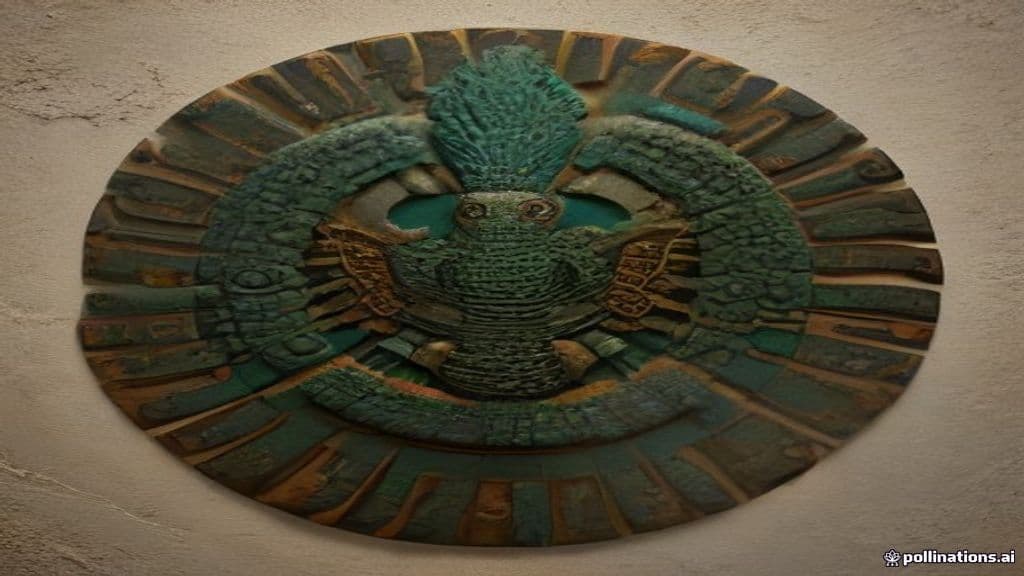
A composite avian-serpent supernatural figure attested across multiple Mesoamerican cultures (Olmec, Teotihuacan, Maya, Toltec, Aztec, Kʼicheʼ). Associated in sources with cosmological roles such as creation, wind and rain, knowledge, Venus, and calendric/origin mythic functions, and widely represented in monumental architecture and iconography.

Huitztlampaehecatl
Ancient

Huitztlampaehecatl

Huitztlampaehecatl is the Nahuatl name for the Aztec personification and deity of the South wind, one member of a quartet of cardinal wind gods in Aztec cosmology.

Huixtocihuatl
Lesser

Huixtocihuatl

Huixtocihuatl is an Aztec fertility and provider goddess associated primarily with salt and salt water. She is attested in Sahagún’s ethnographic materials as the patron of salt-makers, honored during the Tecuilhuitontli festival with an embodied impersonator (ixiptla) whose ritual dance and eventual sacrifice connect local salt-production communities to state temple cults.

Huēhuecoyōtl
Greater

Huēhuecoyōtl

Huēhuecoyōtl (Nahuatl huēhuehcoyōtl, 'very old coyote') is an auspicious Mexica (Aztec) deity of music, dance, song, mischief, deception, and uninhibited sexuality. He is a trickster-figure in the Tezcatlipoca family who rules the day sign cuetzpallin and the fourth trecena Xochitl in the Aztec calendar and who could be appealed to to mitigate ill fates.

Huītzilōpōchtli
Ancient

Huītzilōpōchtli

Huītzilōpōchtli is the principal Aztec (Nahua) solar and war deity, patron of the Mexica and Tenochtitlan. In Aztec cosmology he is a cosmic warrior whose continued vigor is sustained by ritual nourishment—notably human blood and hearts—administered in formal festivals and sacrifices.

Ilamatecuhtli
Lesser

Ilamatecuhtli

Ilamatecuhtli (attested also as Citlāllīcuē and Citlālinīcuē) is identified in the supplied sources as a creator goddess within Aztec mythology. The provided excerpts give no further mythic narrative, iconography, or ritual context.

Metztli
Greater

Metztli

Metztli (Nahuatl: Mētztli) is the Nahuatl term for the Moon and in the supplied sources is described as a god or goddess associated with the moon, the night, and farmers in Aztec/Nahuatl cultural context. The available material treats Metztli both as the celestial Moon and as a lunar deity, but supplies no detailed myths, iconography, or ritual corpus.

Mictlāntēcutli
Ancient

Mictlāntēcutli

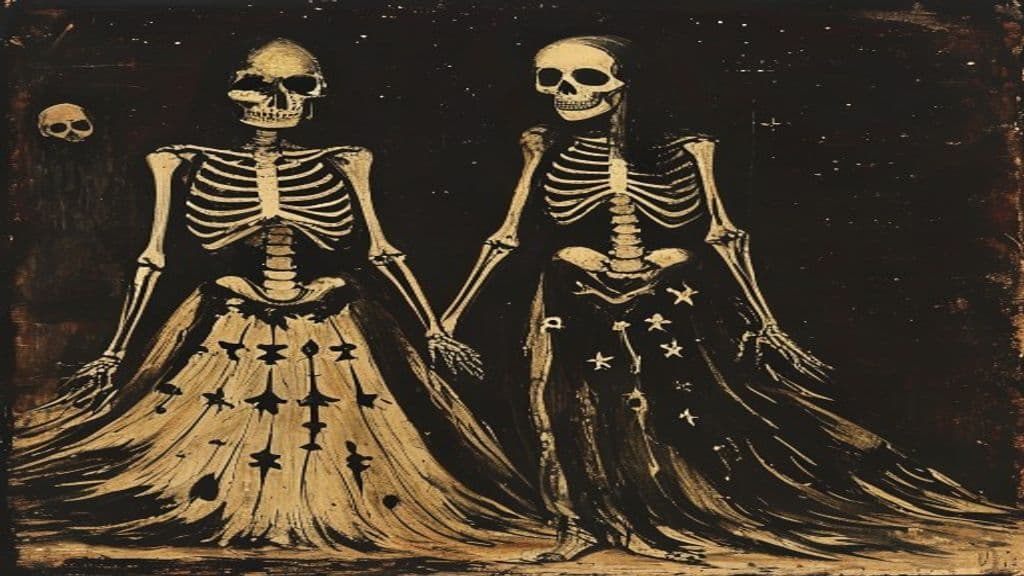
Mictlāntēcutli (Mictlantecuhtli) is the Aztec lord and ruler of Mictlan, the lowest northern region of the dead. He functions as a principal underworld authority who receives the deceased, figures in myths about the bones of former humans, and appears widely in Aztec calendrical and ritual iconography.

Mictēcacihuātl
Ancient

Mictēcacihuātl

Mictēcacihuātl is an Aztec death deity, consort of Mictlāntēcutli, who is described in the sources as watching over the bones of the dead and presiding over the ancient festivals of the dead; modern accounts link her figure to the evolution of those festivals into the contemporary Day of the Dead.

Opochtli
Lesser

Opochtli

Opochtli is an Aztec deity whose name means "The Left" or "The Left-Handed." He is associated with fishing, hunting, and the technologies of lacustrine and marsh livelihoods, credited with inventing the atlatl, the fishing net, the canoe pole, and the bird snare, and is commonly depicted riding a dolphin. He is described in some sources as a representative or attendant aspect of the rain god Tlaloc and is directionally linked to the south in Aztec ritual geography.

Personifications of Death
Greater

Personifications of Death

Named, often anthropomorphic figures across cultures that embody, govern, or mediate death and the realm of the dead. Roles vary from psychopomp guide to judge or sovereign of an underworld, and forms range from skeletal reapers to regal underworld rulers and spirit families.

Quetzalcoatl
Ancient

Quetzalcoatl

Quetzalcoatl is the central Mesoamerican 'Feathered' or 'Plumed Serpent' figure prominent in Aztec and broader pre-Columbian religious thought, associated with wind (Ehecatl), the planet Venus, learning, arts and crafts, merchants, and the priesthood. Represented as a hybrid serpent-and-bird emblem, Quetzalcoatl functions as both a deity and an organizing sacred principle linking sky and earth.

Tlacolotl
Minor Spirit

Tlacolotl

Tlacolotl is an Aztec-associated term linked to owls—often rendered as the 'horned owl'—and in secondary sources is portrayed as a symbol or personification of evil, darkness, sorcery, and ill-omen in central Mexican thought. Surviving references are fragmentary and vary between treating Tlacolotl as an owl-sign, an emblem of malignant forces, or (in some modern summaries) a god of evil.

Tlaltecuhtli
Primordial

Tlaltecuhtli

Tlaltecuhtli (Classical Nahuatl Tlāltēuctli) is a Mexica (Aztec) primordial earth-being whose dismembered body became the material world. She functions as both the living substance of the earth and a demanding power that must be ritually fed—notably with human blood and hearts—to maintain cosmic order and terrestrial fertility.

Tláloc
Ancient

Tláloc

Tláloc (Classical Nahuatl: Tláloc) is the Aztec god of rain, water, and earthly fertility, venerated as a giver of life and sustenance and feared for his power over destructive weather such as hail, thunder, and lightning. He is closely associated with mountaintop shrines (notably Cerro Tláloc), caves, springs, and ritual implements and was a central focus of offerings and impersonatory ritual in central Mexican religious practice.

Tzitzimimeh
Ancient

Tzitzimimeh

Tzitzimimeh (Nahuatl: Tzitzimītl, pl. Tzitzimimeh) are a class of celestial female beings in Aztec tradition associated with the stars. Sources describe them as ambivalent figures: generative and protective of the feminine and linked to fertility, yet feared as dangerous during liminal, cosmically unstable times such as the Nemontemi and the New Fire ceremony.

Tzitzimītl (Tzitzimime)
Ancient

Tzitzimītl (Tzitzimime)

Tzitzimītl (plural Tzitzimime) are a class of celestial deities in Aztec mythology associated with stars. They are commonly depicted as skeletal female figures and in post‑conquest sources are sometimes labeled as "demons" or "devils," a characterization that later authors applied to pre‑contact categories.

Xolotl
Ancient

Xolotl

Xolotl is an Aztec (Nahuatl) deity and liminal psychopomp associated with death, misfortune, twinship, deformity, and transformation; he functions as the dark/evening twin of Quetzalcōātl and escorts the dead through Mictlān while participating in creation narratives and lightning/fire imagery.