Germanic Supernatural Beings

252 documented Germanic supernatural beings from the Evil Eye grimoire, including 139 lesser and 34 minor spirit in power tier.

page 5 of 5

Wealhtheow
Lesser

Wealhtheow

Wealhtheow is a legendary/literary queen in the Old English epic Beowulf: wife of Hrothgar and a member of the Wulfing (Helming) kin who performs the courtly, diplomatic, and ceremonial duties that maintain social cohesion in the Danish hall.

Wechselbalg
Lesser

Wechselbalg

The Changeling of Germanic and Norse tradition — a fairy or demonic child substituted for a stolen human infant, identifiable by its voracious appetite, failure to thrive, and uncanny behavior.

Weiße Frauen
Lesser

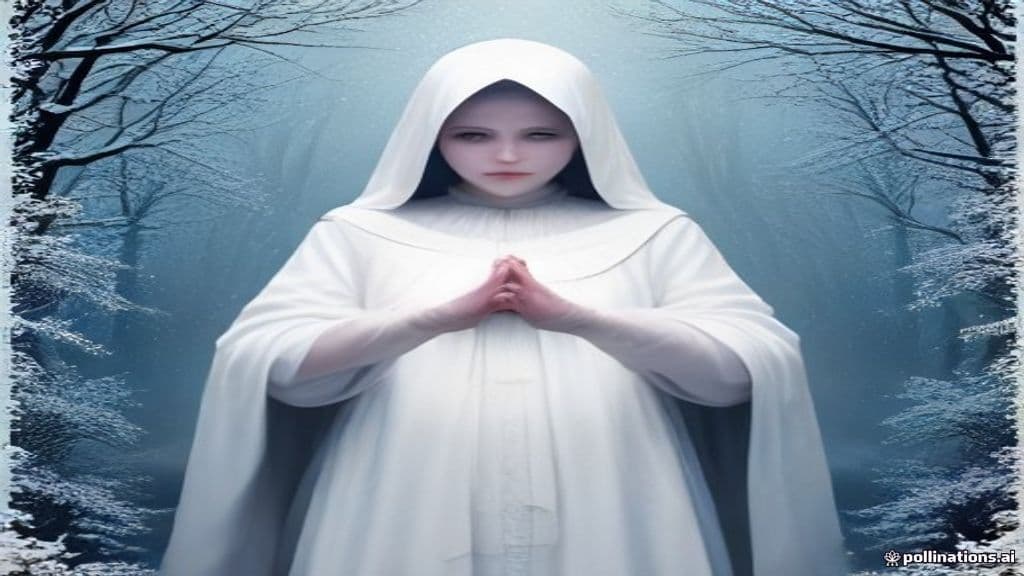
Weiße Frauen

A class of elf-like luminous female spirits in German folklore associated with sunlight, nature, and particular locales (brooks, castles). Scholars (notably Jacob Grimm) interpret them as survivals or localizations of older Germanic light-elves and goddess-figures.

Weohstan
Lesser

Weohstan

Weohstan is a legendary human warrior of Germanic heroic tradition attested in Old English and Old Norse sources. He appears in Beowulf as a Wægmunding retainer who killed the Scylfing prince Eanmund in service to Onela and later bequeathed the prize sword and armour to his son Wiglaf; he also appears in Old Norse skaldic material (Kálfsvísa) in the form Vésteinn.

Wiedergänger
Lesser

Wiedergänger

A Wiedergänger is a revenant — literally a 're-walker' — a deceased person or corpse believed in Germanic and Nordic traditions to return in bodily form or otherwise to affect the living. The concept functions as an umbrella for varied local revenant types (e.g., nachzehrer, aufhocker) and has cognates in Scandinavian genganger/gengångare and the Icelandic draugr traditions.

Wild Hunt
Ancient

Wild Hunt

A fearsome spectral cavalcade of the dead sweeping through the winter sky — those who see it risk being carried off or killed, and its passage foretells war, plague, or catastrophe.

Witege
Lesser

Witege

A significant figure in Germanic and Scandinavian folklore, appearing in various heroic legends, poems, and ballads. (Note: - Power tier should be Minor Spirit since it doesn't possess notable powers or abilities. - Add sensory cues, weaknesses, and wards sections based on the provided information (none mentioned in source)

Witte Wieven
Lesser

Witte Wieven

Witte Wieven are spirits in Dutch Low Saxon regional tradition associated either with the lingering dead of respected wise women (herbalists and seers) or with small elvish personages inhabiting hills, burial mounds and caverns. In many local traditions they were honoured with offerings and consulted for healing and prophecy; later Christianization recast them as mist-spirits or malevolent 'ghost witches.'

Wōden
Ancient

Wōden

Wōden (reconstructed Proto‑Germanic Wōðanaz) is the chief figure of Germanic paganism attested across Norse mythological sources and historical records of Northern Europe; scholarship reconstructs his name as linked to frenzy or possession and to poetic inspiration. Surviving information about him comes largely from medieval Norse literature and later historical commentaries of the Germanic world.

Yngling
Ancient

Yngling

The Ynglings (Old Norse Ynglingr) are a mytho-historical royal dynasty in Scandinavian tradition, presented as descendants of the god Yngvi-Frey and as early kings of Sweden who later produced branches in Norway. Their role is genealogical and political — legitimating kingship by divine descent and explaining settlement and dynastic origins in the legendary past.

Árvakr and Alsviðr
Ancient

Árvakr and Alsviðr

Paired mythic horses in Old Norse tradition that draw the sun's chariot (Álfröðull/Sól) across the sky each day; the Æsir provide cooling iron beneath their shoulders to help them endure the Sun's heat. Their labor continues daily until eschatological events (Ragnarök) when the pursuing wolf Sköll is said to catch and devour the Sun.

Æsir
Ancient

Æsir

Æsir are the principal gods of Old Norse and wider Germanic religion, used both as a general term for gods and as a specific family of deities contrasted with the Vanir; the term is also attested in some early-medieval English contexts as a label for potentially harmful unseen beings.