Germanic Supernatural Beings

252 documented Germanic supernatural beings from the Evil Eye grimoire, including 139 lesser and 34 minor spirit in power tier.

page 4 of 5

Mephistopheles
Greater

Mephistopheles

Mephistopheles is the named infernal agent of the Faust tradition who functions as Hell's messenger, tempter, and negotiator of pacts for human souls. Originating in early modern literary treatments of the Faust legend, he appears across chapbooks, Marlowe's drama and Goethe's Faust as a mutable, often ironic devil-figure rather than as a pre-existing element of ritual demonology.

Merseburg Charms Entities
Primordial

Merseburg Charms Entities

Two malevolent entities from Germanic tradition, protected against through incantations and spells. (Note: 1. Power tier: Based on the source material, there's no indication that these entities are Primordial; this should be reevaluated. 2. Origin story: Missing entirely from the draft and the source mater)

Nacht-Alb
Lesser

Nacht-Alb

A German-language folkloric night-being invoked in older parlance to explain sudden nocturnal terror in children; described in archival material as a fabled visitor that frightens sleeping children and is associated with what modern medicine calls pavor nocturnus.

Nachzehrer
Lesser

Nachzehrer

A German revenant who gnaws its own shroud in the grave while draining the life-force of surviving family members, causing them to waste away one by one.

Neck (water spirit)
Lesser

Neck (water spirit)

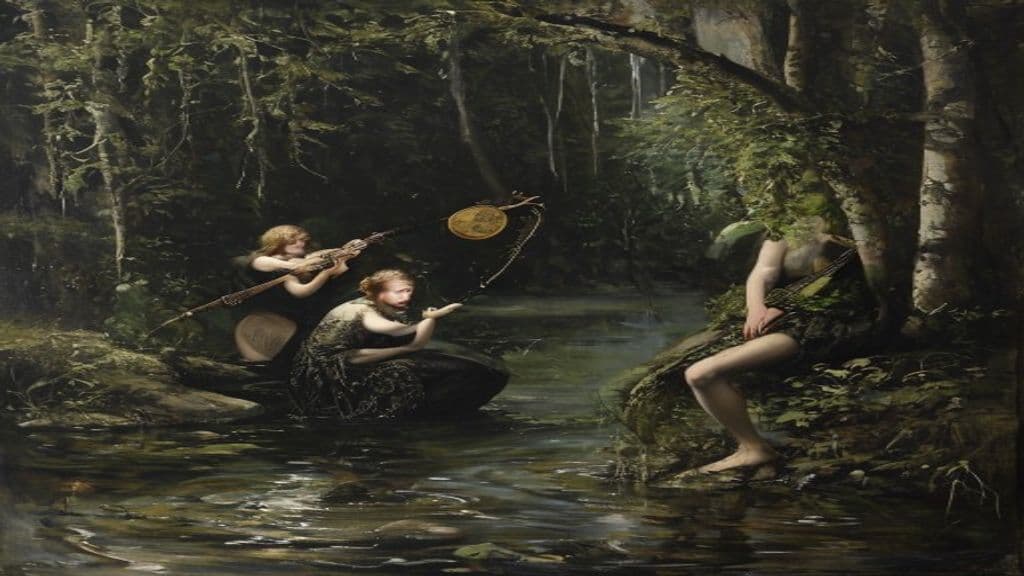
A class of humanoid water spirits in Germanic mythology and folklore, often described as shapeshifting; names include nixie, nix, nixy, neck, and nicker. The provided sources give only a brief classificatory statement without extended ethnographic detail.

Nerthus
Greater

Nerthus

Nerthus is an early Germanic cultic deity attested in Tacitus's Germania as the focus of a wagon‑procession cult kept on an island in a sacred grove. Tacitus reports a ritual in which a cart draped in white is drawn among communities, bringing a suspension of warfare and communal celebration, followed by ritual washing of cult objects in a secluded lake.

Nibelung
Greater

Nibelung

A personal or clan name in Norse mythology associated with misty or ambiguous realms, also giving its name to the Middle High German epic Nibelungenlied. (Note: - Power tier: Primordial (given the ambiguous and multifaceted nature suggested by source material) - Appearance: Add a note that specific physical description does not exist, but may be implied by as)

Night Hag
Lesser

Night Hag

A cross-cultural folkloric figure invoked to explain the experience now called sleep paralysis: an unseen nightly visitor said to sit upon or press down on sleepers, causing immobility, a sensation of weight on the chest, terror, and frightening dreams. The figure occupies different cultural forms (mare, karabasan, kana tevoro, Mokthi/Makthi, etc.) but functions as a common explanatory 'slot' linking the sleeping body to spirits, jinn, or the recently dead.

Night raven
Lesser

Night raven

A class of nocturnal raven-shaped folkloric presences from central and northern Europe variously described as giant raven-like birds, skeletal flying revenants, or revenant souls manifesting in bird form; associated with death, unquiet burials, and used in cautionary tales about children at night.

Nis Puk
Lesser

Nis Puk

The Nis Puk is a household spirit from Danish-, Low German- and North Frisian-speaking areas of Schleswig and adjacent regions. Treated as a hybrid of the nisse (house-sprite) and puk/puck (kobold-like manikin), it acts as a domestic helper or a wealth-bringer in some localities and enforces reciprocal obligations through tests, rewards, and punishments.

Nisse (tomte / tomtenisse / tonttu)
Lesser

Nisse (tomte / tomtenisse / tonttu)

A Scandinavian household and farmstead spirit tied to a particular homestead; a small, human‑like custodian who performs chores, protects livestock and property in return for annual ritual food offerings (notably Yule porridge), and who can become dangerous if offended or neglected.

Nixie
Lesser

Nixie

A category of water spirit from Germanic and neighbouring European folklore associated with lakes, streams, ponds and waterfalls. Commonly described as shapeshifting and linked to enchanted music, nixies may be helpful or dangerous to humans depending on local tales.

Norse Mythological Entities
Ancient

Norse Mythological Entities

A diverse range of beings, objects, and locations integral to the Norse cosmology, including gods, goddesses, giants, dwarves, and magical items. (Note: * Power tier: Change to "Ancient" is plausible given the described abilities, but it could be argued that some entities (gods) are even more powerful. Consider reevaluation. * Sensory cues: While ethe)

Norse gods
Ancient

Norse gods

A category of divine figures attested in Old Norse literature, inscriptions, place-names, and related evidence; members of the indigenous Norse/Germanic religious framework who appear in mythic narratives and were objects of worship and modern commemoration.

Numbers in Germanic Paganism (Norse Tradition)
Ancient

Numbers in Germanic Paganism (Norse Tradition)

The concept of Numbers holds symbolic significance across various contexts within Germanic paganism, appearing in both mythology and the lunar calendar, and is considered a fundamental aspect of ancient Germanic folklore. (Note: - Power tier should be "Primordial" as cosmic-level significance is implied (e.g., appearing throughout surviving attestations of ancient Germanic folklore). - Abilities: add that these numbers are us)

Nøkk (Nixie)
Lesser

Nøkk (Nixie)

A class of freshwater-associated humanoid spirits from Germanic and Nordic folklore, variously called nixie, nix, neck, Nøkk, Näcken, or nykur. They are consistently tied to rivers, streams, reeds and other inland waters and are commonly described as humanoid and often shapeshifting.

Nøkken
Lesser

Nøkken

Nøkken (variants: nixie, nixy, nix, neck, nicker, Nykken) is a class of water-associated humanoid spirits in Germanic folklore. They are localized freshwater spirits tied to ponds, rivers, and similar places and are commonly described in referenced sources as often shapeshifting water-spirits rather than a single unified mythic figure.

Odin
Ancient

Odin

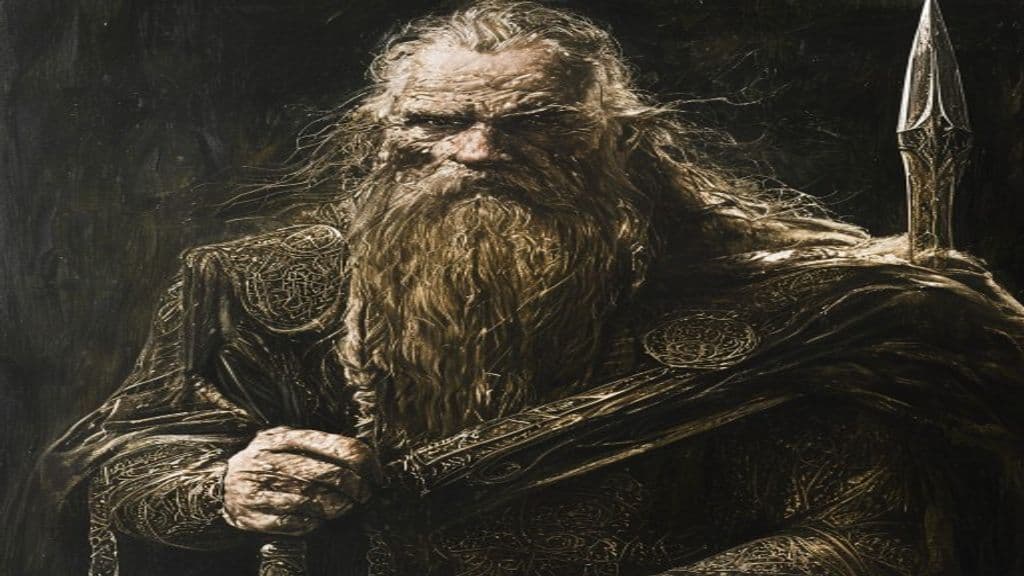
Odin (Old Norse: Óðinn) is the chief god of the Norse (Æsir) pantheon, a multifaceted deity associated with wisdom obtained by sacrifice, poetic inspiration, death and warfare, and rulership over the hall Valhöll where chosen slain warriors (einherjar) dwell. He appears throughout Germanic tradition from Roman-era accounts through the Viking Age and in later folklore as leader of the Wild Hunt.

Peird van Appels
Minor Spirit

Peird van Appels

Peird van Appels is attested in available sources as the name of a folkloristic horse associated with the town of Appels in East Flanders, Belgium. The extant references supply the name and classification only; no narrative, descriptive, or ritual details are recorded in the provided sources.

Perchta
Lesser

Perchta

Perchta (also Berchta/Berchta etc.) is a female midwinter supernatural figure of the Alpine folkloric complex (Upper Germany, Austria, South Tyrol, Slovene-Carinthia and adjacent areas). She functions as a seasonal guardian-inspector who enforces proper domestic labour (especially spinning) and fasting observance during the Rauhnächte (the twelve days between Christmas and Epiphany) and is realized both in narrative folklore and in local masquerade traditions (Perchtenlauf).

Poltergeist
Minor Spirit

Poltergeist

A poltergeist is a German-derived ghostlore label for an unseen agent associated chiefly with noisy, kinetic, and disruptive physical phenomena in domestic settings. Modern summaries and case literature emphasize episodic outbreaks of object movement, loud noises, and occasional assaults or electrical/foul-smell disturbances, with competing explanations ranging from spirit activity to hoax, psychogenic projection, or natural physical causes.

Pontus
Lesser

Pontus

Pontus is attested in the supplied sources primarily as a Greek theonym meaning "sea" (Πόντος, Póntos) and as a geographic/ethnic designation for the region on the southern coast of the Black Sea. The corpus does not provide evidence of Pontus functioning as a discrete, living folkloric spirit with attendant rituals or abilities.

Proto-Frigg-Freyja Entity (Hypothetical)
Primordial

Proto-Frigg-Freyja Entity (Hypothetical)

A hypothetical entity proposed to be the common origin of Old Norse goddesses Frigg and Freyja, based on similarities between them. (Note: 1. Power tier should be Ancient (deity-level) rather than Primordial (cosmic), as the entity is hypothetical and not explicitly stated to have cosmic powers. 2. The appearance section is missing entir)

Puck
Lesser

Puck

Puck is a northwest European liminal spirit occupying a space between household sprite and wild fairy trickster. Portrayed as a domestic helper who expects food offerings and as a nocturnal jester of the fairy court, Puck performs both useful chores and mischievous pranks in folklore and literature.

Pumuckl
Lesser

Pumuckl

Pumuckl is a fictional household spirit character created for German children's media by Ellis Kaut and popularized beginning with a 1961 Bavarian Radio play. Classified in modern catalogs as a 'Kobold', Pumuckl functions as a mischievous domestic companion within the Meister Eder und sein Pumuckl franchise and has been adapted into books, television, films and a musical.

Queen of Elphame
Ancient

Queen of Elphame

Supernatural entity tied to elven and faerie traditions in Germanic folklore, ruler of Faerie or Fairyland, but with poorly defined powers and appearance. (Note: 1. Power tier should be Primordial since she's tied to elven and faerie traditions, suggesting a more cosmic level of power. 2. Ability descriptions are incomplete; source mentions parallels with Thom)

Rebirth in Germanic Paganism
Primordial

Rebirth in Germanic Paganism

Concept of rebirth through naming and/or family line in pre-Christian Germanic society, tied to continuation of identity and heritage. (Note: * Power tier should be Lowered to Lesser (local spirit) as the abilities described do not suggest a cosmic or deity-level power. * Summary is accurate, but it could be more concise. * Origin story lac)

Reginn
Lesser

Reginn

Reginn is a figure in Old Norse heroic-literary tradition who functions as a foster-father, master smith, counsellor, and plotting instigator in the Sigurð/Sigurd cycle. Appearing in the Poetic Edda (Reginsmál, Dvergatal) and the Völsunga saga, he is embedded in a kin-group (son of Hreiðmarr; brother to Fáfnir and Ótr) tied to a cursed hoard.

Rerir
Lesser

Rerir

Rerir is a human dynastic figure in the Norse legendary corpus (not a supernatural being). He is presented as the son of Sigi, succeeds and avenges his murdered father, rules in Hunaland, and is the father of the saga-founder Völsung; Völsung's conception and birth involve divine intervention by the goddess Frigg and the giantess Hljod.

Reus op de Dam
Greater

Reus op de Dam

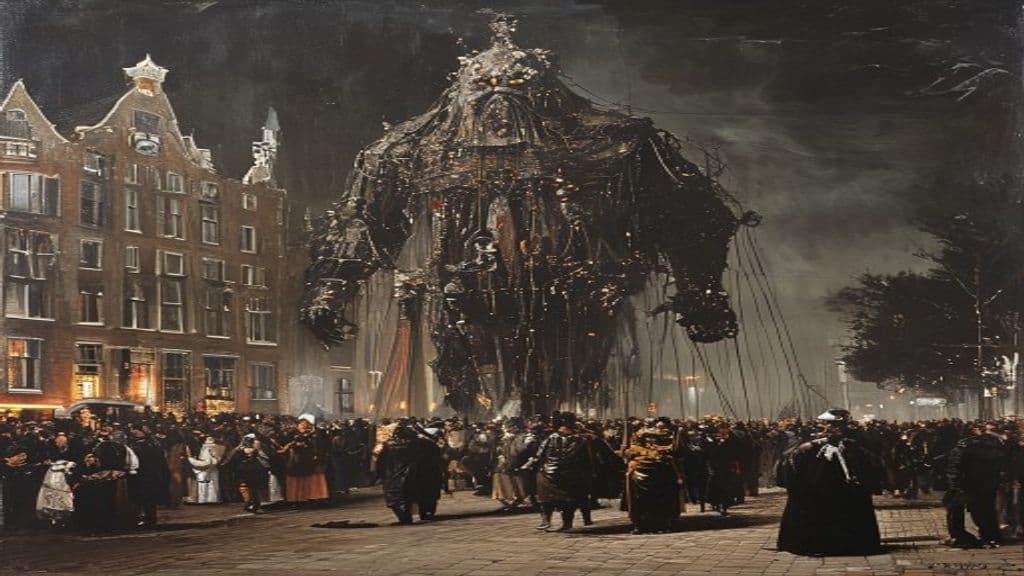
Reus op de Dam is a processional giant associated with the Dam, the central square in Amsterdam, Netherlands. It is a human-made ceremonial figure used in public processions rather than an autonomous supernatural being.

Rhinemaidens
Lesser

Rhinemaidens

Three water sprite sisters from Germanic mythology, known for their enchanting singing and association with the Rhine river. (Note: 1. Power tier should be Primordial, as they are associated with a major river and not specified to have regional or local power. 2. Appearance: "No physical description is provided in sources" should )

Rübezahl
Greater

Rübezahl

Rübezahl is a folkloric mountain spirit of the Giant Mountains (Riesengebirge/Krkonoše/Karkonosze). He appears in German, Czech and Polish traditions as a capricious mountain lord, weather-controller, treasure-guardian and tester of human behaviour, alternately depicted as giant, gnome, woodwose or disguised wanderer.

Seaxnēat
Ancient

Seaxnēat

Seaxnēat (Old Saxon Saxnôt) is attested in medieval sources as a national god or divine ancestor of the Saxons, named at the head of royal genealogies for Essex and listed among pagan gods in the Old Saxon Baptismal Vow. Scholarly discussion treats him as an eponymous patron linked to Saxon ethnic identity and as a figure variously compared to other Germanic and Celtic deities.

Sieglinde
Minor Spirit

Sieglinde

Sieglinde is a Germanic feminine given name formed from elements meaning 'victory' and 'soft/tender'. It appears in medieval Germanic literature (notably named as the mother of Siegfried in the Nibelungenlied) and as a central operatic character in Richard Wagner's Die Walküre; it also persists as a modern personal name and cultural label.

Siggeir
Lesser

Siggeir

Siggeir is a human king of Gautland in the Völsunga saga and related retellings. In the narrative he functions as an antagonistic royal whose wounded pride and treachery — inviting his in-laws as guests and then attacking and imprisoning them — set in motion a cycle of vengeance that shapes the fate of the Völsung family.

Sigmund
Lesser

Sigmund

Sigmund is a legendary human hero of the Völsung (Wælsing) lineage in Germanic/Norse and Anglo‑Saxon literary tradition. Presented as son of Völsung and Hljod and father of later heroes, his life links kin‑vengeance, an Odin‑placed sword, cursed wolf‑skins, and the hereditary destiny that prepares for the later dragon‑slayer of the cycle.

Sigurd
Lesser

Sigurd

Sigurd (Old Norse Sigurðr; continental Siegfried) is a legendary human hero of the Germanic heroic tradition—famed as the slayer of the dragon Fáfnir and the possessor of the Nibelung/Nibelungen hoard—whose life and death are told across Norse sagas, the Nibelungenlied, Eddic poetry, and medieval ballads.

Sköll
Ancient

Sköll

Sköll (Old Norse Skǫll) is a mythic wolf in Norse cosmology who pursues the personified Sun (Sól) across the sky; according to the Prose Edda summary, at Ragnarök the pursuer will overtake and devour the Sun. Sköll is presented as kin to the great wolf Fenrir and paired conceptually with Hati, who chases the Moon.

Slattenpatte
Lesser

Slattenpatte

Slattenpatte (also slattenlangpat) is a female supernatural figure in Danish folklore, classified among elle-figures as an ellekone (elf-woman). Named for her extremely long, pendulous breasts, she is associated in sources with fertility, nursing, haunting behaviour, and — in some interpretations — water or water-goddess imagery in parts of Denmark.

Sleeping Beauty (folktale motif)
Minor Spirit

Sleeping Beauty (folktale motif)

A widespread fairy-tale narrative figure (Aarne–Thompson Type 410): a royal young woman who falls into a prolonged enchanted sleep caused by a curse or a magical/physical agent and is later awakened by reversal of that causation. The story functions as a folkloric motif across Italian, French, and German literary traditions and many later adaptations.

Snær
Ancient

Snær

Snær (Old Norse Snærr; East Norse Sniō; Latin Nix/Nivis; English "Snow") is an euhemerized personification of snow in Norse-derived legendary-historical texts. Presented both as the elemental force of snow and as a legendary ancestral king, he appears in Scandinavian genealogies and medieval chronicles as an ancestor of royal lines and a member of the elemental family descended from Fornjót.

Storsjöodjuret
Greater

Storsjöodjuret

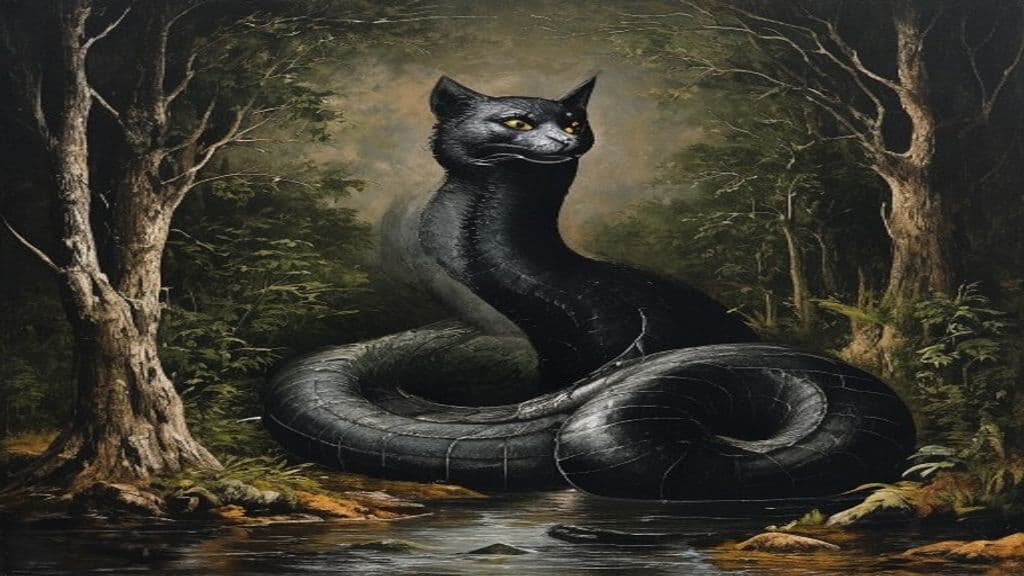
A regionally anchored lake monster of Jämtland, Sweden, variously attested as a bound sjöorm (lake‑serpent) depicted in local rune lore and as a troll‑created cat‑headed serpent; it figures in 17th‑century manuscripts, runestone tradition, later folktales and recurring modern eyewitness/cryptid reports from the 19th century onward.

Swan maiden
Lesser

Swan maiden

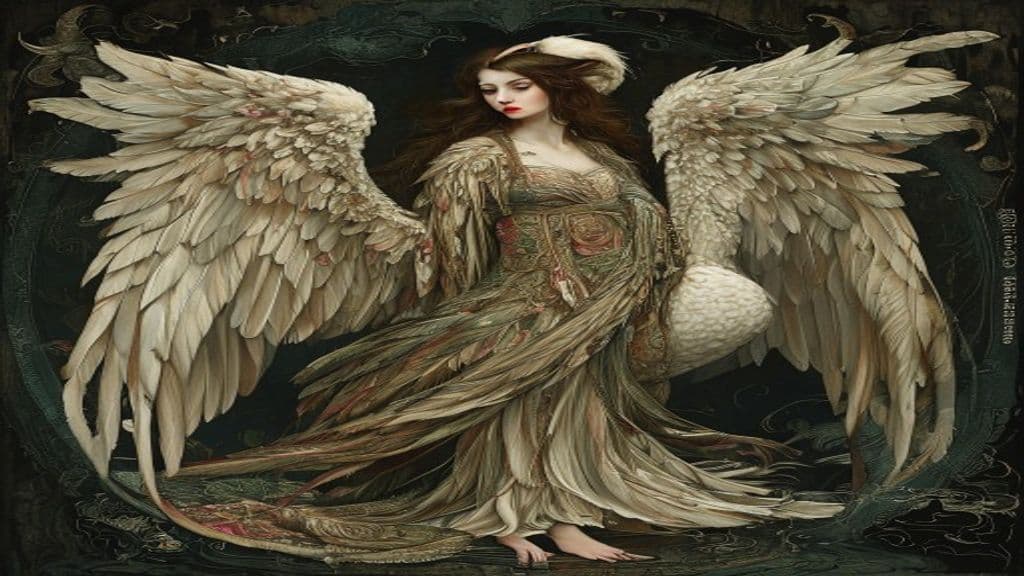
A widespread folktale and mythic figure: a female being who changes between human form and a bird via a feathered garment (feather cloak, swan‑shirt, hagoromo). The motif appears across many cultures and is classed in folktale catalogues under ATU 400 and related 'magic wife' narratives.

Sól
Ancient

Sól

Sól is named in the supplied source as the goddess who personifies the sun in Germanic mythology. The provided material is limited to this identification and a disambiguation noting other uses of the name.
Tapio
Lesser

Tapio

Tapio is a Finnish forest spirit and personification of the woods who functions as the owner/ruler of forests and a recipient of hunters' prayers and offerings. He appears both as an individualized forest-being with household members (wife Mielikki, children such as Tellervo and Nyyrikki) and, in runic song usage, as a synonym for the forest itself.

Tatzelwurm
Lesser

Tatzelwurm

A Germanic/Alpine legendary mountain and tunnel 'worm' — a lizard- or serpent-like dragon reported in Austrian, Bavarian, Swiss, French and Italian Alpine folklore. Accounts vary, but folklore attributes a cat-like head in some regions, variable limb counts, a shrieking or hissing cry, and (in some traditions) poisonous breath; it is embedded in local anecdotes and place-names rather than a single canonical myth.

The Water Nixie
Lesser

The Water Nixie

A water-associated supernatural antagonist appearing in the Brothers Grimm tale 'The Water Nixie' (collected at Hanau). In the story she captures a brother and sister from a well, compels them to work for her, and pursues them overland when they flee, only to be impeded by the children's thrown transforming objects.

Thor (Þórr)
Ancient

Thor (Þórr)

Thor (Old Norse Þórr) is a central god in the pre-Christian Germanic/Norse religious framework, primarily associated with thunder, storms, strength, protection, fertility, and the welfare of farmers. He is a hammer-wielding warrior who fights monstrous enemies (notably Jörmungandr) and is widely attested from Roman-era Germania through the Viking Age, with ongoing cultural presence in personal and place-names and weekday nomenclature (Thursday).

Thyrsus (Giant)
Minor Spirit

Thyrsus (Giant)

A giant from the Germanic tradition, associated with a specific location in Tyrol. (Note: * Power tier should be Greater=powerful regional, as the source implies significant local presence and legend. * Origin story and Abilities sections need expansion or deletion, as they contradict the )

Tiera
Minor Spirit

Tiera

In Finnish mythology and runic songs, Tiera is a male warrior entity with unknown powers and abilities. (Note: - The power tier should be Primordial, as it's unclear what its "powers and abilities" are, but since it's described as appearing in Finnish mythology and runic songs (which are often deeply connected)

Troll (Germanic Tradition)
Primordial

Troll (Germanic Tradition)

In Germanic folklore, a troll is a being that dwells in isolated areas of rocks, mountains, or caves, living together in small family units and rarely interacting with humans. (Note: - Power tier should be changed from Primordial to Ancient (trolls' origins from primordial forces don't necessarily imply cosmic-level power). - Ability description is not entirely accurate; it's stat)

Tuisto
Primordial

Tuisto

Divine ancestor in Germanic tradition, significant cultural importance. (Note: - Summary: too broad; clarify that Tuisto is specifically a god in ancient Germanic tradition. - Power tier: should be Ancient (deity-level) since Tuisto is described as a divine ancestor, implying he)

Uli der Fehlerteufel
Minor Spirit

Uli der Fehlerteufel

Uli der Fehlerteufel is a fictional didactic character created for German primary-school exercises from the 1960s onward. Presented as a rotund little red devil named Ulimantulus Irrichmich (abbreviated Uli), he is used as an anthropomorphized device to personify textual mistakes that pupils must find and correct.

Urðr
Ancient

Urðr

Urðr is one of the three Norns in Norse mythic tradition, commonly interpreted as the figure associated with the past. She is attested in the Poetic Edda (Völuspá) and in Snorri Sturluson's Prose Edda (Gylfaginning) as one of the fate-determining women who sit at Urðarbrunnr beneath Yggdrasil and measure or mark the destinies of gods and humans.

Valravn
Greater

Valravn

A valravn is a supernatural raven in Danish folk tradition associated with the slain and battlefields. In the principal ballad tradition it appears as a knight transformed into a raven whose curse in the story can only be broken by consuming the blood of a boy; other anecdotal sources present valravne as ravens with human speech connected to battlefield carrion.

Vættir (Germanic)
Minor Spirit

Vættir (Germanic)

A vague term in Germanic tradition encompassing various beings or things that exist. (Note: 1. Power tier: Should be "Primordial" as the source material does not provide any information about their abilities or interactions with humans, implying a vague and potentially cosmic scope. 2. Appea)

Völva (Norse seer)
Ancient

Völva (Norse seer)

Female seer or prophetess in Norse mythology, possessing mystical knowledge and power to see into the future. (Note: 1. The power tier should be Primordial, as Ancient typically refers to deities and Völva are mortal beings with mystical abilities. 2. Sensory cues should include dreams, which is a common way for Völ)

Vörðr
Lesser

Vörðr

A Norse personal guardian spirit (Old Norse: vǫrðr) believed to accompany an individual's soul (hugr) from birth to death. It functions as a warden or watcher, sometimes perceptible as a small light or the person's shape, and is linked in folk practice to protective 'warden trees' on farmsteads.

Wade's Causeway

Wade's Causeway

An archaeological site of uncertain origin and purpose located in the North York Moors national park, England. (Note: 1. The power tier should be set as "Minor Spirit" or even lower since it's an archaeological site with unknown origin and purpose. 2. The summary needs correction: it currently says the site is of "un)

Wayland the Smith
Greater

Wayland the Smith

Wayland the Smith is a legendary master craftsman from early Germanic and Norse tradition, famed for superlative metalwork, cunning devices, and a narrative of capture, mutilation, vengeance, and escape. He appears as a culture-hero/artisan in poetic and saga contexts (not a formal deity) and is later equated with classical craft-figures such as Daedalus in medieval manuscript tradition.