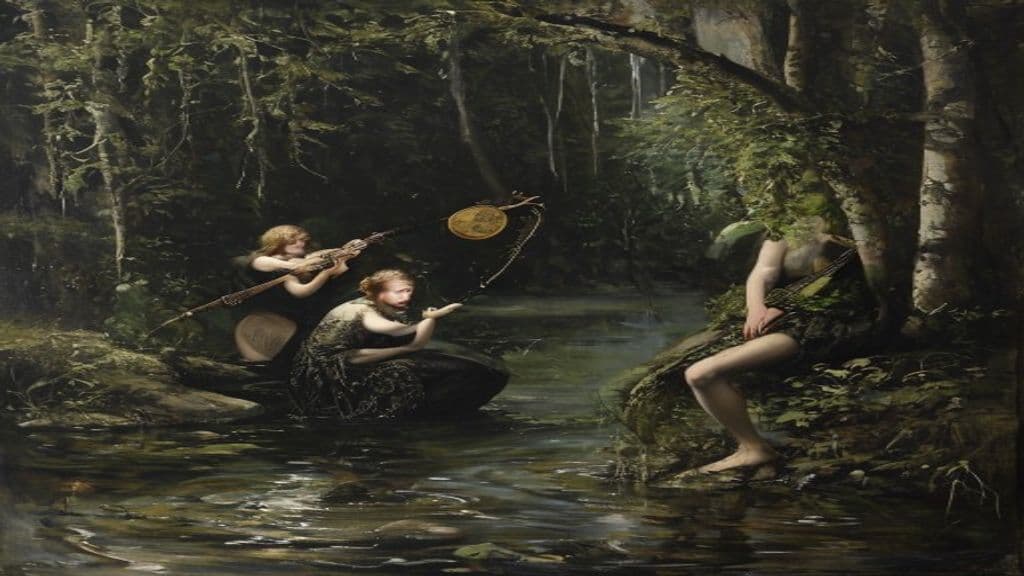
The name family of nixie terms is held to derive from Common Germanic *nikwus / *nikwis(i), ultimately from Proto‑Indo‑European *neigʷ, 'to wash'. Across Germanic and neighbouring traditions the term denotes beings attached to particular watery places (brooks, rapids, ponds, wells) rather than a single fixed ontological category. Local traditions and tale-clusters (e.g., Knucker-hole legends in England, Scandinavian Näcken/Fossegrim stories) locate these spirits as animate presences of specific water-sites and as intermediaries between communities and the watery landscape.
Accounts vary widely and often emphasize shapeshifting as a central attribute. Common male forms in Scandinavia are young, attractive men often depicted playing bowed or stringed instruments at brooks and waterfalls. German usage also preserves a feminine form (Nixe), typically a river mermaid. Animal or object forms are attested: the horselike 'brook-horse' (Bäckahästen / nykur) is a frequent Scandinavian form, while older English knucker tradition sometimes depicts a worm or dragon. Because many sources stress variability, no single appearance is definitive.
A recurring theme is musical enchantment: male water-spirits (Näcken / Fossegrim / Strömkarlen) play enthralling tunes on fiddles or similar instruments that can lure listeners — especially women, children, pregnant women and unbaptised infants — toward water. Nixies may drag victims under to drown or otherwise cause mischief, but are not uniformly malevolent in folklore; some tales record lovers, domestic coexistence with humans, or the spirit teaching musical skill. Some accounts record bargains or reciprocal exchanges (fragmentarily attested offerings such as 'three drops of blood, a black animal, brännvin or snus') in return for favours or instruction. Folklore also records that nixies become despondent when cut off from their water.
Weaknesses
- mantraCalling the nixie's name (folkloric belief that naming could defeat or kill a malicious nixie)
Wards
- ritualOffering/bargain (fragmentary attestations of reciprocal offerings such as 'three drops of blood, a black animal, brännvin or snus' to placate or obtain favour)
- mantraName‑calling to repel or defeat a malicious nixie (attested belief in some traditions)
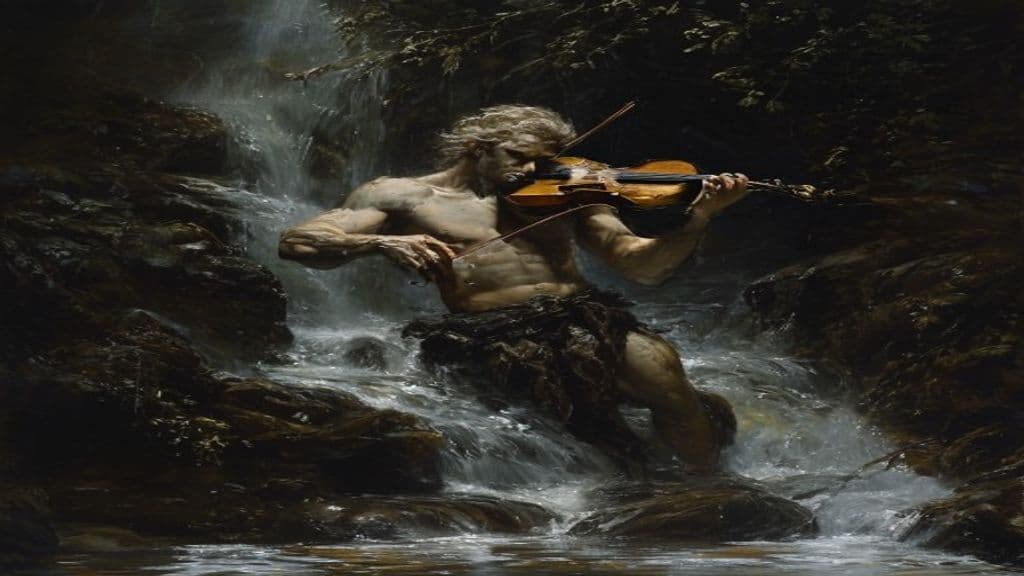
Fossegrim
A water spirit or troll in Scandinavian folklore, associated with music and enchantment. (Note: 1. Power tier: Lowered from Greater to Lesser, as it's described as a local spirit. 2. Origins story: Clarify that it's rooted in Scandinavian cultural values, but more specifically mention the Old No)
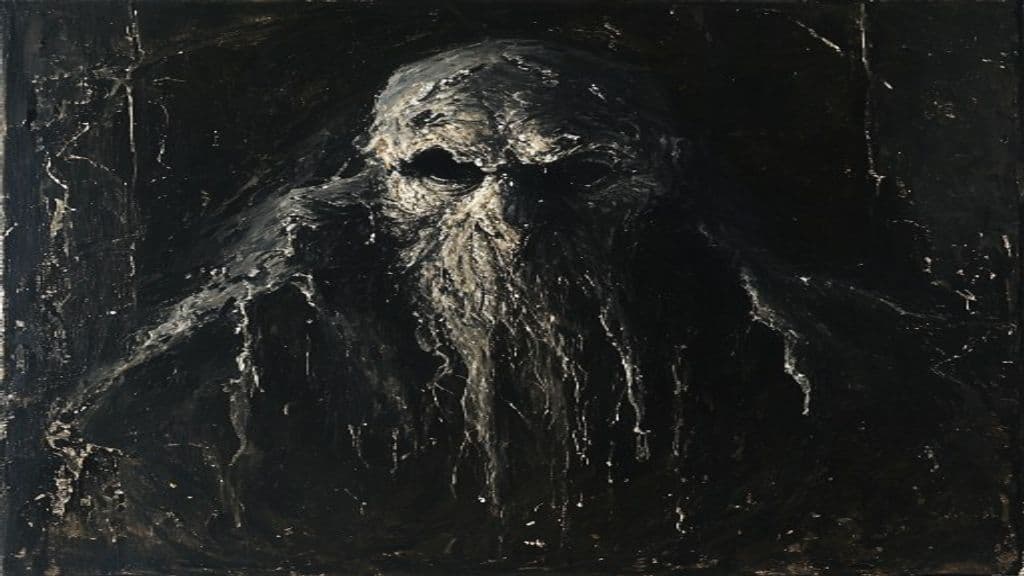
Knucker
A type of water dragon in Germanic tradition, said to inhabit knuckerholes in Sussex, England. (Note: 1. Power tier should be changed to Lesser, as the Knucker is described as a local water spirit. 2. Add sensory cues from knuckerholes in Sussex, England (e.g., strange noises, eerie feelings). 3. Note)
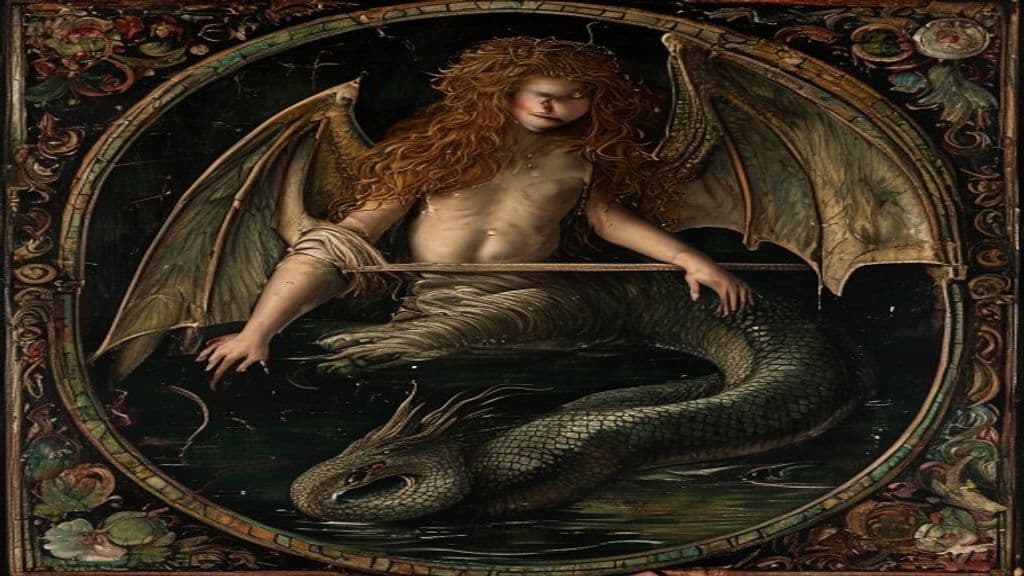
Mélusine
Mélusine is a European folkloric female freshwater spirit and locus guardian often depicted human above the waist and serpentine or fish‑tailed below. In medieval French romance she marries a human lord under a conditional taboo (commonly Saturday) and is associated with wealth, castle‑building, and as an ancestral figure for certain noble houses.

Rusalka
Water spirits in Slavic folklore — the spirits of young women who died by drowning or suicide, bound to rivers and lakes. Beautiful and dangerous, they can bewitch men to their deaths.

Banshee
A female spirit of Irish and Scottish folklore whose wail heralds an impending death in a family of Gaelic descent. Not a cause of death — a witness to it.
Abdiel
Abdiel (Hebrew עֲבְדִּיאֵל) is primarily a theophoric Hebrew personal name meaning "servant of El/servant of God," attested once in the Hebrew Bible (1 Chronicles 5:15). In later literature—most notably John Milton's Paradise Lost—Abdiel is reimagined as a faithful seraph who opposes Satan's revolt. The provided sources do not treat Abdiel as an autonomous folkloric spirit type or record rituals or wards associated with the name.
Abiel
Abiel is attested in the supplied sources only as a male given name — borne by several historical American individuals and listed as two minor biblical figures. The provided materials contain no evidence presenting Abiel as a supernatural, mythological, or folkloric entity.
Abigail
Abigail is a female figure in the Hebrew Bible portrayed in 1 Samuel 25 as the intelligent and beautiful wife of Nabal who intervenes to prevent David from committing violence; later tradition regards her as one of the Tanakh's seven female prophets and as a model of beauty and wisdom.
Abraun
Abraun is an attested name in German-language plant-legend scholarship (Der abraun, ein beitrag zur pflanzensagenkunde, 1916) and a short database entry (Wikidata) labels it as a spirit from German mythology. Surviving accessible documentation is extremely limited: the principal academic treatment is a 1916 contribution to pflanzensagenkunde (plant-saga studies), but the excerpts available here contain only bibliographic metadata and do not record tales, descriptions, or rituals.
Accolon
Accolon is a mortal knight of the Arthurian court, presented in the Post-Vulgate Merlin tradition and Malory's Le Morte d'Arthur as Morgan le Fay's paramour and instrument in a plot to supplant King Arthur; his tale centers on enchanted weapons (Excalibur and its scabbard), love-manipulation, and a tragic duel with Arthur.
Adils
Adils (Old Norse Aðils; also Eadgils, Adillus, Athisl, Adhel) is a semi‑legendary sixth‑century Swedish king attested in Old Norse saga material and later medieval traditions. He appears in saga episodes as a storied royal figure involved in warfare, court acts, and marriage suits rather than as a supernatural being.
Adsullata
Adsullata is attested as a Continental Celtic river goddess associated with the River Savus (modern Sava) in the Roman province of Noricum. Later traditions record her presence in Brittany as a goddess of hot springs and present her as an antecedent or origin-form of the Anglo‑Celtic sun goddess Sul.
Afaon fab Taliesin
Afaon fab Taliesin is a medieval Welsh warrior-counsellor, named as a son of the bard Taliesin and recorded among Arthur’s retinue in Welsh tradition. He appears in the Welsh Triads and in the tale Breuddwyd Rhonabwy (The Dream of Rhonabwy) as a notable martial figure and proverb-speaker rather than as a supernatural being.
Agilaz (Egil)
Agilaz (reconstructed Proto-Germanic) — commonly recorded in medieval sources as Egil or Ægil — is a legendary archer attested in Germanic heroic tradition. He appears as the brother of Völund (Wayland/Weland) in the Old Norse poem Völundarkviða and in the Thidreks saga, and his name is also inscribed on early medieval objects (Franks Casket, Pforzen buckle). The attested material presents him as a named heroic human archer within saga and inscriptional contexts rather than as a recurrent supernatural species.
Aglovale
Aglovale (also Agloval, Aglovan, Aglovaus, Acglavael) is a human knight of Arthurian romance, presented as the eldest legitimate son of King Pellinore and a Knight of the Round Table in the Vulgate/Post‑Vulgate cycles, Malory, and later adaptations. He brings his long‑lost brother Perceval to Camelot, takes part in military actions (including slaying Agrippa in one account), and his death is related in varying ways across traditions (accidental at Gawain's hand, deliberate murder by Orkney kin, or killed during Lancelot's rescue of Guinevere).
Agnarr Geirröðsson
Agnarr Geirröðsson is a mortal prince attested only in the Poetic Edda poem Grímnismál; he aids Odin (disguised as Grímnir) during Geirröðr's torture and, after Odin reveals himself and King Geirröðr dies, Agnarr succeeds as king.
Agne
Agne (also attested Agni, Hogne, Agni Skjálfarbondi) is a semi-legendary king of Sweden in Old Norse saga tradition, preserved in the Ynglingatal corpus and prose expansions such as Snorri Sturluson's Ynglinga saga. He is portrayed as a mighty and famous warrior-king whose campaign in Finland, marriage to Skjalf, and death by hanging form a remembered episode connected to local place-names and a burial mound.
Community Record
- [1]Nixie (folklore) — Wikipedia. Wikipedia: 'Nixie (folklore)' article — etymology, appearance, abilities, and cultural notes (excerpted in research notes).wiki
- [2]Selected Tales (table of contents referencing 'The nixie in the pond'). Archive.org 'Selected Tales' contents indicating presence of nixie-related tales in folk-collections.folk
- [3]Yog-blogsoth: NIXIE (blog excerpt). Blog excerpt used in research notes to corroborate modern retellings and summary material.other