Turkic Supernatural Beings

96 documented Turkic supernatural beings from the Evil Eye grimoire, including 42 lesser and 23 ancient in power tier.

page 2 of 2

Karakurt
Minor Spirit

Karakurt

Karakurt is attested in the provided sources as a modern Turkish toponym (a village in Sarıkamış, Kars) and as a common-language reference to the black widow spider species Latrodectus tredecimguttatus; the supplied materials do not document a folkloric or supernatural 'spider spirit' named Karakurt.

Karash Han
Minor Spirit

Karash Han

A name attested in modern popular compilations as “Karash Han, the god of darkness.” The provided research corpus contains no independent traditional ethnographic description of a deity called Karash Han; the only well-attested traditional underworld figure in the set is the Turkic Erlik (Erlik Khan).

Kayra
Primordial

Kayra

Kayra (also Kaira; Old Turkic: 𐰴𐰖𐰺𐰀) is the supreme creator-being in Turkic mythic cosmology. Presented as the originative power who orders the world, plants the tree of life (Ulukayın), and directs fate from the seventeenth heaven, Kayra appears in some accounts as a non-human, liminal creator and a parent of other divine figures.

Kerey Han
Lesser

Kerey Han

Kerey Han (also spelled Kirey Han) is a named son of Erlik in Turkic mythic genealogies who is associated with sowing sedition and setting people against one another; he is listed among Erlik's nine sons who hold specific duties and are said to assist shamans who descend into the underworld.

Khan of Heaven (Tian Kehan / Tengri Khagan)
Minor Spirit

Khan of Heaven (Tian Kehan / Tengri Khagan)

A politico-religious title used in Tang‑era diplomacy that linked imperial rulership to the supreme sky/heaven concept (Chinese Tian / Turkic Tengri). It functioned as a formula of recognition conferring celestially sanctioned authority on the Tang emperor in relations with Turkic and other Inner Asian polities between the early 7th century and the late 8th century.

Komur Han
Lesser

Komur Han

Komur Han is a named underworld functionary in Turkic myth, listed among the nine sons or subordinate 'hans' of Erlik. He is associated symbolically with coal/charcoal and darkness and is described in popular summaries as commanding evil entities and mediating between Erlik and 'dark shamans.'

Kormos
Lesser

Kormos

Kormos (also Kormoz; Tuvan: кормос; Turkish: Körmöz/Körmös) is a Turkic category of spirit-entities encompassing a range of post-mortem conditions — ancestral or beneficent sky-spirits, wandering suffering souls on earth, and demonic underworld spirits — variously described as helpful, harmful, or ambivalent depending on subtype and allegiance.

Korybantes
Greater

Korybantes

A confraternity of armed, crested ritual dancers attached to the Cybele/Rhea mystery traditions in Phrygia and related Anatolian–Greek cults. They perform drumming, stamping and an armored (pyrrhic) dance used in guardianship myths, male initiation and ecstatic cult practice; ancient authors and modern scholars often confuse or conflate them with nearby ritual groups (Kouretes, Idaean Dactyls, Kabeiroi).

Koyash
Ancient

Koyash

Koyash is the personified Sun and a solar deity in Turkic and related Turco‑Mongolian cosmologies. Regarded as one of the visible Tenger (heavenly beings), Koyash functions as a life‑giving intermediary whose rays connect Tengri to living spirits and who participates in cosmic creation.

Kubai (Kübey)
Greater

Kubai (Kübey)

Kubai (Turkish: Kübey) is a maternal birth and child-protecting figure in Turkic mythology. Traditionally described as a daughter of Kayra who lives in the Ulukayın (world tree) and draws life-water (Bengisu), she bestows souls, gives healing milk to newborns, eases birth pains, and guards infants until key developmental milestones.

Kyzaghan
Greater

Kyzaghan

Kyzaghan (Kızagan, Kyzaghan Han) is a Turkic war deity associated with martial success and protection of warriors. Described as a son of Kayra/Kara Han and a brother of Ulgan, he is placed high in the sky-cosmos (explicitly on the ninth floor of the sky in one source) and is semantically linked to the color red and the notion of anger or fierceness.

Lake Van Monster
Lesser

Lake Van Monster

A purported large aquatic creature reported in and around Lake Van (eastern Turkey). The figure exists in modern popular reports (late 19th century accounts, a contested 1997 video, and local publicity such as a statue) and is linked in scholarship to older Armenian vishap (water-dragon) imagery that personifies sudden storms on the lake.

Mergen
Ancient

Mergen

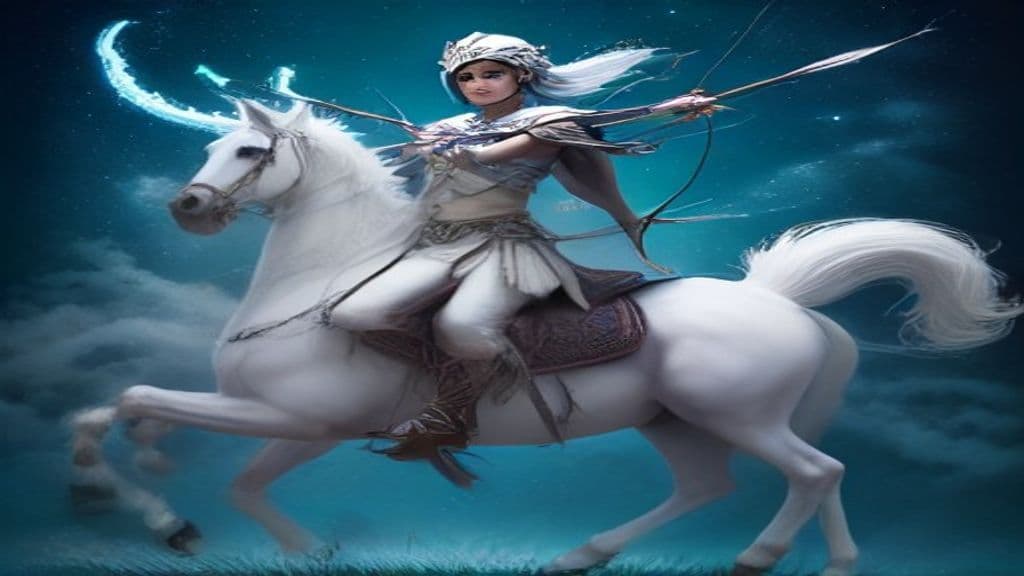
Mergen is a Turkic sky deity associated with wisdom, intelligence, abundance, and skilled marksmanship. He is presented in Turkic cosmology as a son of Kayra, brother of Ulgan, and as dwelling on the seventh level of the sky; iconographically he is linked to a white horse, the color white, and the image of a young helmeted archer.

Nasreddin Hoca (Nasreddin Hodja)
Ancient

Nasreddin Hoca (Nasreddin Hodja)

Nasreddin Hoca is a legendary folk trickster and anecdotal persona prominent in Turkish and broader Islamic oral tradition. He functions as a comic teacher and social critic in hundreds of anecdotes and performances, using wit and ironic reversal to expose hypocrisy, instruct, or entertain rather than as a supernatural spirit or deity.

Od İyesi
Lesser

Od İyesi

Od İyesi is the Turkic and Mongolic guardian spirit (iye) of fire and hearth. Conceived as the 'possessor' or master of the element fire, it appears in male and female personifications (e.g., Od Ana, Od Ata/Od Khan) and as household-specific forms (Ocak iyesi — hearth spirit, Soba iyesi — stove spirit).

Oghuz Khagan
Ancient

Oghuz Khagan

Oghuz Khagan (Oğuz Khan/Oğuz Han) is the legendary founding khan and eponymous ancestor of the Oghuz Turks whose miraculous birth, heroic deeds, divine encounters, and final division of lands and symbols for his sons constitute the charter myth of Oghuz tribal identity preserved in the Oguz‑nāme tradition.

Sheka
Lesser

Sheka

Sheka (Cyrillic: Шекә) is a small, liminal spirit attested in short summaries of Turkic/Tatar and Slavic popular traditions. In Turkic/Tatar material it is described as a dwarf‑like being inhabiting forests or derelict houses and appearing in comical episodes; in Slavic pagan description it functions as a field spirit that misleads, harms, or troubles peasants and children in crops.

Sky deity
Ancient

Sky deity

A class of deities associated with the sky, heavens, or celestial phenomena; commonly high‑ranking divine figures who occupy an 'upper world,' often serving as sovereigns, creators, or luminaries within diverse polytheistic cosmologies.

Su İyesi
Lesser

Su İyesi

Su İyesi is a Turkic water spirit — a localized guardian (iye) of bodies of water such as rivers, lakes, ponds and springs. It appears in male and female personifications (Su Ana, Su Ata) and is associated with both beneficent functions (bringing rain) and dangerous actions (drownings, floods, wrecks) when offended.

Szelanya
Minor Spirit

Szelanya

Szelanya is presented in the supplied sources as a named wind or air deity (often called a goddess) found in brief Turkish and Hungarian mythic listings and modern popular summaries. Traditional descriptions are fragmentary; later fantasy and fandom materials expand her image beyond the concise encyclopedic entries.

Szélatya
Lesser

Szélatya

Szélatya (also attested as Szélkirály) is presented in the cited sources as a deity associated with wind. The available references identify the figure as a wind god but provide only minimal details; one source labels the figure 'Turkic' while another describes it as 'Hungarian.'

Tengri
Ancient

Tengri

Tengri is the supreme sky/heaven principle in early Turkic and Mongolic religious frameworks, functioning as both the cosmic blue sky and a source of sovereign will, fate, and legitimacy. Central to Tengrism, Tengri is invoked in cosmology, political ideology, and shamanic/ancestor-associated practices.

Turul
Lesser

Turul

The Turul is a mythological bird of prey in Hungarian tradition—usually rendered as a falcon—serving as a dynastic totem, protective omen, and prophetic presence in origin legends and heraldry rather than a hostile monster.

Ulukayın
Primordial

Ulukayın

Ulukayın is the sacred World Tree of Turkic mythology and shamanism, a cosmic Tree of Life that stands at the center of the world, links underworld, earth and sky, and functions as an axis of social origin, souls, and life-giving substances.

Umay
Ancient

Umay

Umay is a maternal fertility and child-care divine figure in Turkic myth and Tengrism, conceived as a celestial mother who guards unborn souls, protects infants and mothers, confers community prosperity, and is associated with the sun and the color yellow.

Upyr
Greater

Upyr

Upyr (variants upir, upiór, upierz, впир/onpyr) is a Slavic and Turkic folkloric revenant-category described in collected Slavic tales and modern summaries as a prototype of the vampire: a corpse-like harmful dead blamed for infant deaths, disease, and other misfortunes in pre-modern communities. The term and concept occupy a boundary category between ordinary dead and active harmful forces in Slavic folk belief and figure in 19th‑century tale-collections and later popularizations.

Yel İyesi
Lesser

Yel İyesi

Yel İyesi is the Turkic iye (guardian spirit) of wind and air, a culturally ambivalent spirit or deity-form—often called Yel Ana (Wind Mother) or Yel Ata (Wind Father)—responsible for winds, weather phenomena, and related misfortune or aid in Turkic folk cosmology.

Yelbeghen
Greater

Yelbeghen

A multi‑headed monstrous being from Turkic (notably Altai) traditions, originally depicted as a serpentine or draconic creature that in later tellings appears as an ogre‑like behemoth; associated with cosmic predation (eclipses), guarded treasures, great strength, magic, and occasionally sexual relations with humans.

Yer Tanrı
Ancient

Yer Tanrı

Yer Tanrı (also attested Yertengri, Certenger) is the earth-as-divinity in Turkish and broader Altaic folk belief, an immanent Earth or World power associated with fertility, nourishment, household protection (via related household spirit Yereh), and transformative healing. It functions alongside the sky deity (Gök Tengri) as the terrestrial counterpart and is variably represented as a cosmic principle, a feminine Mother‑Earth figure, and as linked household guardian manifestations.

Yer iyesi
Lesser

Yer iyesi

Yer iyesi is the familiar spirit or guardian of the earth and specific territory in Turkic/Tatar and related Tengrism traditions. Conceived as a land-attached iye, it appears in male and female forms (Yer Ata and Yer Ana) and is associated with protection of land and, in the female aspect, fertility and primordial presence at cosmogony.

Yunak İyesi
Lesser

Yunak İyesi

Yunak İyesi is a Turkic household İye (possessor/guardian spirit) associated specifically with the bathhouse or bathroom (yunak/hammam/caghlyk). It functions as the bath's guardian and may punish those who disturb it; it is also reported to have a divinatory role by giving tactile signs to a consulter.

Yuxa
Greater

Yuxa

Yuxa is a Turkic legendary serpent‑being: an aged snake that transforms into a sentient, shape‑changing creature which may appear as a reptilian dragonlike form or as beautiful human men and women, interacting socially and sexually with people.

Zilant
Greater

Zilant

A legendary Tatar/Idel‑Ural snake‑dragon figure associated with foundation legends (notably Kazan). Descriptions range from enormous serpents to winged dragon‑like hybrids; in tales it threatens settlements, takes tribute, or is overcome by heroes often with magical counsel.

Ülgen
Ancient

Ülgen

Ülgen is a benevolent creator and high-sky deity in Turkic traditional belief (often discussed under Tengrism). He is credited with creating earth, heaven and living beings, promotes abundance and welfare, and functions as patron of shamans; in sources he is usually distinct from Tengri but in some accounts identified or conflated with Tengri.

İn Cin
Lesser

İn Cin

İn Cin (also written İn jinn) is a Turkish folkloric phrase and folk concept used to indicate that a place is entirely abandoned; it refers to two kinds of unseen inhabitants—İn and jinn—believed to occupy forgotten or desolated locations and make them unfit for human habitation.

İye
Lesser

İye

İye are Turkic spiritual proprietors or tutelary spirits understood as the unseen 'owners' or guardians of particular places, natural phenomena, objects, animals, households, or concepts. They mediate human relations with domains of the world and respond to human conduct—offering blessing when respected and retribution when violated.