
Lesser
Abzar İyesi
A Turkic iyesi (possessive/guardian spirit) of the courtyard, outbuildings, and farmstead grounds; ambivalent in nature, it protects its domain but may harm livestock and cause mischief, often appearing in animal forms.
96 documented Turkic supernatural beings from the Evil Eye grimoire, including 42 lesser and 23 ancient in power tier.
page 1 of 2
A Turkic iyesi (possessive/guardian spirit) of the courtyard, outbuildings, and farmstead grounds; ambivalent in nature, it protects its domain but may harm livestock and cause mischief, often appearing in animal forms.

Ak Ana (also Ağ Ana, Ak Ene) is the primordial water-mother of Turkic and some Siberian (Khanty, Mansi) traditions: a holy maternal creator principle associated with the pre-earth expanse of water, fertility of the land, and the threshold to the spirit world.

No folkloric or ethnographic evidence for a supernatural entity named "Al" or "Alı" is present in the supplied source set. The available materials are modern biographical, political, linguistic, and religious texts that do not describe a Turkish spirit, demon, or other supernatural being by this name.
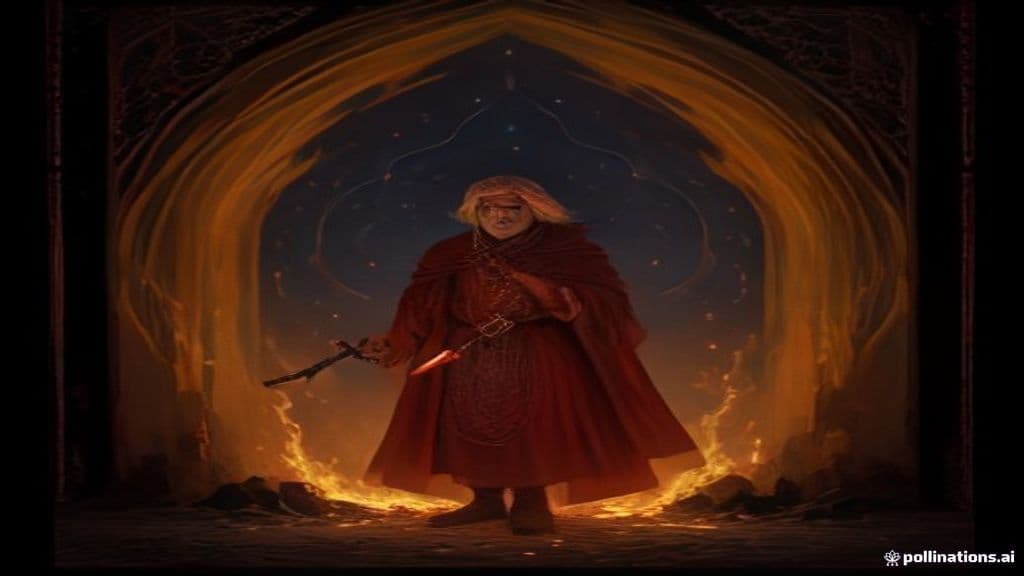
Alaz is the Turkic god of fire associated with hearths, flame, and the Great Fire (Ulugh Od). He is described as a powerful fire-being who sends protector-spirits (İye) to household hearths and can cause destructive fires when angered; fire under his authority is also a purifying force.

Alp Er Tunga is a legendary heroic ruler of Turan in early Turkic tradition, remembered as an ideal warrior-king and ancestral figure invoked in medieval dynastic genealogies. He also appears in Iranian epic tradition under the cognate name Afrosiyab/Afrasiab, where the figure is framed differently.

Amrak is not attested in the provided sources as a supernatural being. The lexical string "Amrak" appears across unrelated secular contexts — as a historical regnal name (Amrak Khagan / Ashina Anluo), a Turkish place-name (Çamrak / amrak), titles in modern Arabic-language music, an institutional name/acronym (AMRAK Institute), and as a modern brand/typeface/project name. No folkloric, ritual, or mythological descriptions of an entity called "Amrak" are present in the cited material.

Apa Qaghan (阿波可汗, Ābō Kèhán) is an historical Ashina prince and mid-6th century claimant to the Göktürk khaganate. Sources portray him as a political and military actor involved in the succession disputes after Taspar Qaghan's death, ruling contested steppe territories and engaging with both western Turkic allies and Sui China.
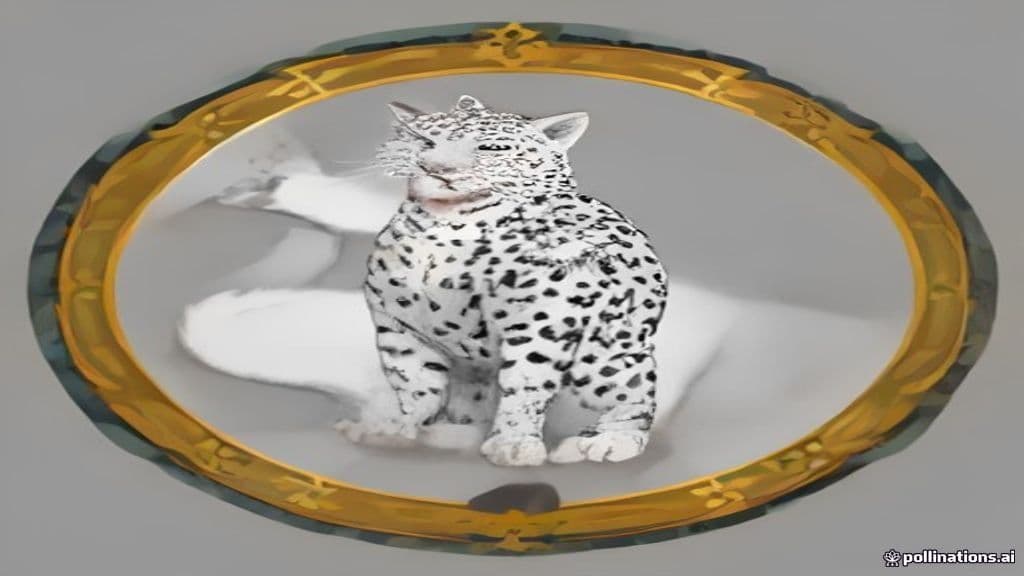
Aq Bars (Tatar: Ак Барс, 'White Leopard') is an ancient Bulgar tribal totem and heraldic emblem historically used in Volga Bulgaria and the Khanate of Kazan and adopted in the modern era as the official symbol of the Republic of Tatarstan (formally since 7 February 1992). It functions as a dynastic/tribal mark of identity (derived from the Barsil tribe) and as a political-state emblem rather than a personal supernatural being.

Archura (Arçura) is a Turkic woodland chura — a shapeshifting forest spirit associated with particular woodland tracts and wild animals. Traditions portray Archura as a protector of wildlife and a trickster-like figure that can be dangerous to humans.

Asena is a mythic she-wolf who functions as the ancestress in the Göktürk foundation myth; she rescues an injured child after a battle, becomes pregnant by him according to the legend, flees across the Western Sea to a cave near the Qocho mountains, and gives birth to progenitors of the Ashina clan. The figure legitimizes the ruling lineage of early Turkic polities and has been revalorized in modern Turkish nationalist symbolism under the related label Bozkurt ('gray wolf').
Ashide denotes (a) a historical Turkic clan/noble family closely allied with the Ashina ruling house of the Göktürk Khaganate and (b) a Japanese pictorial calligraphic technique (literally "reed-hand") in which cursive characters are disguised within painted natural motifs. Neither usage in the supplied sources describes a supernatural being.

Ashina Buzhen (Chinese: 阿史那步真) was a 7th-century member of the Ashina ruling house of the Western Turks who acted as a military and political claimant to khaganate authority on the Tang frontier. Recorded in Tang-era sources and modern summaries, he engaged in inter-elite rivalry, participated in Tang military campaigns, received an imperial-bestowed khagan title from Emperor Gaozong, and died in 667.

Ashina Helu (阿史那賀魯 / 阿史那贺鲁, āshǐnà hèlǔ) was a mid‑7th century member of the Ashina clan who claimed the title qaγan (khagan) of the Western Turkic polity. Active as a tribal shad and later self‑declared khagan, he contested Tang authority, was defeated by General Su Dingfang in 657, handed over by Chach, spared by Emperor Gaozong, and spent his remaining years in Chang'an.

Ashina Mishe (Chinese: 阿史那彌射; ?–662) was a mid-7th century member of the Ashina clan installed and recognized by the Tang court as a khagan and frontier protector-general over portions of the former Western Turkic territories. His career illustrates Tang imperial practices of using titled Turkic elites as intermediaries to administer and pacify western protectorates; his death in 662 following an intrafamilial rivalry weakened Tang influence in the region.

Ashina Nishufu was a member of the Ashina clan proclaimed qaghan in a short-lived Göktürk revolt against the Tang dynasty (679–680 CE). Declared by Turkic leaders Ashide Wenfu and Ashide Fengzhi, his uprising was defeated by Tang general Pei Xingjian; he was killed by his own men and the revolt’s leaders and many Göktürks were executed in Chang'an.

Ashina She'er (阿史那社爾) is a historical Turkic prince of the Ashina house who became a Tang dynasty general in the 7th century. Chronicle summaries record his roles as claimant to parts of the Western Turkic Khaganate, his submission to Tang in 635, marriage into the imperial family, major western campaigns (including Kucha, 648), and his burial alongside Emperor Taizong.

Ashina Shibobi (c. 603–631), regnal name Tolis (Töles) Khagan, was a member of the Ashina clan who served as a lesser khagan and military leader of the eastern wing of the Eastern Turkic Khaganate in the early 7th century CE. He held offices such as Nipu shad and Tolis khagan, participated in raids against Tang China, suffered internal punishment after military setbacks, and ultimately submitted to Emperor Taizong of Tang in 629.

Ashina Tuwu (Chinese: 阿史那吐務) is an early Göktürk/Ashina clan chieftain recorded in Chinese and later Turkic sources as the ancestor and father of the founders of the First Turkic Khaganate. He functions in the corpora as a dynastic progenitor and titled chief (rendered Da Yehu / Grand Yabgu) rather than as a supernatural being.

Ashina Xichun was a historical khagan (ruler) of the Eastern Turkic Khaganate who succeeded his brother Shibi Qaghan in 619 and ruled for about 18 months until his death c. December 620. His reign involved diplomacy and alliance-making with contemporary Chinese polities, appointment of subordinate rulers, and creation of a puppet Sui king.

Ashina Xin was an Ashina-lineage Turkic aristocrat consecrated as a khan of a multi-tribal confederation around 740 CE; he participated in Tang–steppe diplomatic and marital politics and was assassinated in factional violence in 742 CE.

Ashina Yuanqing (r. 685–692) was a historical member of the Ashina clan who served as a client Turkic khagan and commander under the authority of Wu Zetian. He was captured by the Tibetan Empire (686–689), later returned to Tang territory, and was executed in Chang'an in 692 after being falsely accused by the official Lai Junchen.

Ay Ata (Ay Dede) is the personified Moon in Turkic myth and traditional Tengrism, commonly glossed as 'Moon Father.' He is paired with the sun-being (Gun Ana / Kün Ana) in a layered sky cosmology and figures in folk tales, epic traditions, and shamanic prayer contexts.

Ayaz Ata is identified in the provided source as a winter-associated figure originating from Tengrism and also as a fictional tale character who serves as the Turkic counterpart to Santa Claus and Ded Moroz. The single source presents both a religious origin (Tengrist) and a later folkloric/seasonal role without further detail.

Bagha Qaghan (reign c. 587–588) was the seventh khagan of the First Turkic (Göktürk) Khaganate, recorded in Chinese sources under transcriptions such as 莫何可汗 and the personal name 阿史那处罗侯 (Ashina Chuluohou). He is represented in the sources as a historical political ruler who continued alliance policies with the Sui dynasty, acted as a viceroy of the eastern wing, and led military actions against rivals such as Apa Qaghan and Western Göktürk leaders.

Bagha Shad (Old Turkic: 𐰉𐰍𐰀𐱁𐰑, baγa šad; Chinese 莫贺设/莫賀設, mòhè shè) was an early 7th-century Göktürk shad (dynastic prince/general), a close kinsman and subject of the Western Turkic khagan Tong Yabghu, attested in Chinese sources as sojourning in China in 618–626 and probably the father of Böri Shad.

Bai Baianai is a Turkic‑Altaic protective spirit and sometimes goddess associated with forests, animals, hunters, fishing, fertility and material wealth. In the Yakut/Altai tradition she functions as a patron of hunters and a provider of abundance, yet in some accounts she can punish humans with drought, crop‑burning or livestock disease if offended.

Bai-Ülgen (often shortened to Ülgen) is a high creator-deity in Turkic religious cosmology, presented in available sources as a magnificent and wealthy divine figure who occupies a top position in the pantheon and is sometimes identified with the overarching sky god Tengri. Some modern references also list him within Mongolian contexts.

Organized maritime raiders and state‑linked privateers operating from North African ports (notably Algiers, Tunis, Tripoli, and Salé) from medieval times into the 19th century; engaged in ship capture, coastal raids, and the seizure of captives for slave markets and ransom, and in some Muslim sources framed as a form of naval jihad.

Broteas (Ancient Greek: Βροτέας, lit. 'mortal' or 'man') is a mythic human figure in Greek tradition, presented as a son of Tantalus and member of that cursed house. He is credited in local tradition with carving the ancient rock relief of the Great Mother (Cybele) on Mount Sipylus near Magnesia ad Sipylum and is also variously narrated as a hunter punished by Artemis or listed among the Lapiths slain in the Lapith–centaur battle.
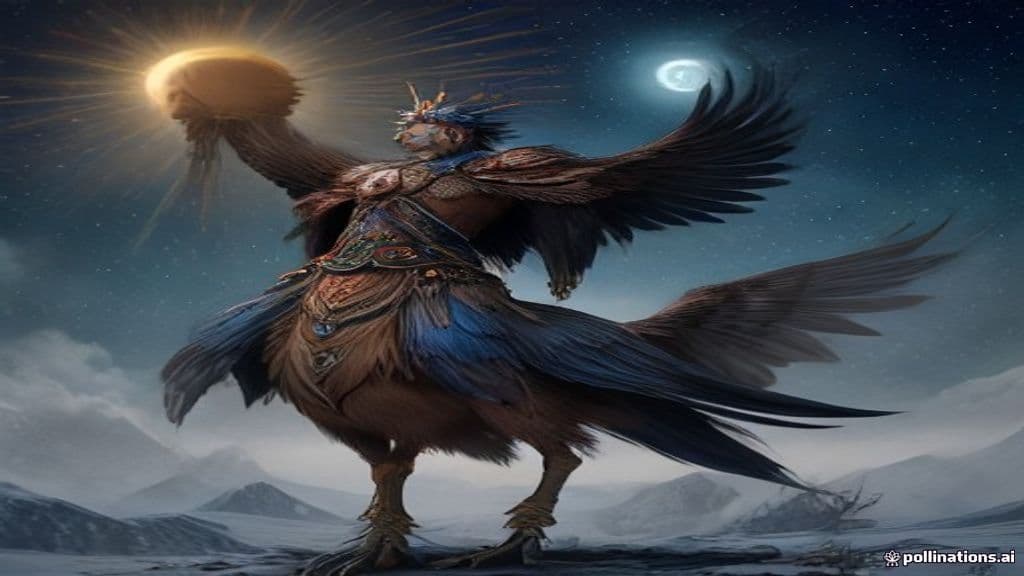
Burkut (also Bürküt, Merküt) is a sacred eagle figure in Turkic mythic cosmology associated with the sun, rulership, and protective authority. Treated as an emblematic or quasi-divine bird rather than a mundane animal, it appears in shamanic rites, world-tree iconography, folk performance, and modern heraldic motifs.

Böri Shad (fl. c. 627) is a historical Turkic princely governor and military commander (shad/ishad) of the Western Turkic Khaganate who operated in the far western North Caucasus and led campaigns into the South Caucasus during the Perso-Turkic conflicts of 627–630. He combined kinship status (son of Bagha Shad; nephew of Tong Yabghu Khagan) with delegated frontier authority and military command, and fled to Central Asia after Tong Yabghu's murder in 630.

Cayster is primarily attested as a geographic river in western Anatolia (modern Küçük Menderes) that flows westward to the Aegean near Pamucak beach by Selçuk. In one cataloging entry the name is also labeled as a “river god of Asia Minor,” indicating at least a classificatory or personifying tradition, but the available sources supply no mythic narratives, cultic details, or iconography for a deity figure.

Chebi Khan (Yizhuchebi Khagan; personal name Ashina Hubo) was a historical claimant and later khagan of the Eastern Turkic Khaganate in the mid-7th century CE who rebuilt a measure of Turkic authority after the collapse of the khaganate, before being captured by Tang forces and taken to Chang'an in 650.

A chort is an anthropomorphic malign spirit figure in Slavic folk tradition that occupies a liminal space between older Slavic demonology and Christian notions of the devil. Depending on region and narrative function it appears as numerous lesser malignant spirits, a trickster antagonist who tempts or is tricked by humans, or as a cover-term for 'unclean forces' credited with various negative creations in the world.

A serpentine supernatural being from Chuvash legend, described in sources as a large snake-like creature that can have wings, breathe fire, shapeshift, and in some variants possess multiple heads. The creatures are embedded in Volga-Bulgar regional legend and appear in place-based tales tied to sites such as Bilär and Alabuğa.

In the provided sources, Chveneburi (Çveneburi) is not a documented household spirit but an ethno-cultural label used by and for Georgians in Turkey, including Muslim immigrant Georgians. The materials treat the term as denoting a social community and a periodical title rather than a supernatural being.

Duolu Qaghan (born Ashina Nishu) was a historical Turkic ruler of the Western Turkic Khaganate who held the khaganate title associated with the Duolu tribal faction for roughly one year in the early 630s (reign dated 632–634; some sources give 633–634). He is presented in sources as a political-military actor in factional succession struggles between the Duolu and Nushibi tribes.

Ece is documented in the provided sources primarily as a Turkish feminine personal name meaning "queen." A single cross-reference in the material links the name to Umay (noting Umay is "also known as Ece"), but the supplied sources do not provide mythic narratives, attributes, or rituals for a supernatural entity called Ece.

El Bilga Khatun was the wife of Ilterish (Ilterish Qaghan), founder of the Second Turkic Khaganate, and mother of Bilge Qaghan and Kul Tigin. She appears in the Orkhon inscriptions and later historiography as a political partner and honored elite figure of the 8th-century Göktürk polity.

Ergene İyesi is a Turkic underground protector/guardian spirit of mine pits and subterranean workings, keeper of gems, crystals, and precious metals. It guides and protects respectful miners, warns of danger with cat-like sounds or whistling, and punishes those who insult or offend it.

Erkliğ Han is a Turkic–Altai celestial lord associated with space, stars, meteorites (falling stars), and the planet Venus. Traditionally titled a Han (ruler), he is described in source material as responsible for visible stellar phenomena, linked in some lists with virility and read as a martial symbol by analogy to his action at sunrise.

Erlik (Erlig, Erlik Khan; Mongolian Erleg/Yerleg) is the chthonic ruler of the underworld in Turkic and related steppe mythologies, associated with death, disease, and malignant spirit-agents. He functions as judge and lord of the lowest realm (Tamag), opposes upper-world figures like Ülgen, and demands sacrifices to avert his taking of souls.

Etügen Eke (also Etügen, Itügen, Etügen Ekhe) is an earth-mother goddess in Turkic and Mongolic Tengrism traditions, personifying the earth, fertility, homeland and natural forces. She is described in the sources as occupying a high place in the cosmic order, subordinate only to Kök‑Tengri, and is propitiated with seasonal sacrifices tied to pastoral and agricultural cycles.

A eunuch is a human male who has been castrated (testicles removed or destroyed) and who, in many societies, occupied specific social and institutional roles—especially in royal courts, harems, and religious or administrative offices. The term historically designates both an office (bed-keeper, chamberlain) and, in many contexts, men who had undergone castration and filled those offices.

Ev İyesi is a Turkic household spirit (İye) that functions as the unseen guardian and possessor of a house. It maintains domestic order, may assist with chores, and is placated by offerings and good household upkeep; it becomes hostile only when offended by neglect or profanity.

The Grey wolf is both the biological species Canis lupus and a mythic/symbolic animal in several Eurasian traditions. In Turkic, Mongolian, and broader Altaic contexts it is described as a sacred animal and national symbol; in other Eurasian mythic corpora wolves also appear as powerful mythic figures (e.g., Norse Fenrir) though those are distinct literary entities.

A folkloric Persian/Turkic monstrous being (Persian غول, Turkish ğul) described in etymological and lexical sources as an 'imaginary sylvan demon' that devours men and animals; the term also entered European languages and later literary usage as 'ghoul'/'goule'.

A Turkish folkloric figure described in modern sources as a large, ghoul-like nocturnal outsider associated with desolate places and with frightening people at night. Attested mainly in media descriptions (film entries and brief encyclopedia-style notes), the figure is represented both as a humongous bearded ghoul and, in at least one art-film description, as a restless spirit of a lonely place.

Gün Ana (literally 'Sun Mother') is the Turkic personification of the Sun attested in Kazakh, Kyrgyz, and related Turkic traditions as a maternal, life-giving sky-being associated with fertility, warmth, health, and protection of the vulnerable; she is placed cosmologically in the upper heavens and figures in creation accounts involving solar light.

Heshana Qaghan (personal name Ashina Daman) was a historical khagan of the Western Turkic Khaganate active in the early 7th century CE. Sources record him as a ruler whose heavy taxation and the massacre of numerous Tiele chieftains provoked rebellion, leading to his displacement, diplomatic submission to the Sui court (including marriage to a Chinese princess in 611), and eventual delivery to Eastern Turk emissaries to be executed by 619.

The supplied source contains no attested information about an evil twin of Hodja Nasreddin called Ayna-Adam or Leylek. The only material provided is a brief personal portrait of Hodja Nasreddin; therefore the existence, attributes, and rituals regarding an alleged evil twin are unverified in this source.

A Turkic folkloric figure denoting a troubled soul of the dead that rises from the grave; in older accounts a mournful grave-apparition, and in later popular retellings sometimes recast as a vampire- or zombie-like undead.

Hylas is a mortal youth in classical Greek myth, famed as the beloved companion and arms-bearer of Heracles and (in some accounts) an Argonaut. His myth centers on his disappearance at the freshwater spring of Pegae in Mysia, where naiads either abduct, entice, or transform him, a story remembered in local festivals and widely alluded to in later literature and art.

Inel Qaghan (Old Turkic: 𐰃𐰤𐰠:𐰴𐰍𐰣; Chinese: 泥涅可汗; personal name Ashina Fuju) was a historical Turkic ruler of the Ashina house, recorded as the third khagan of the Second Turkic Khaganate. He served as a military leader commanding the western wing and was killed in a dynastic struggle during the early 8th century.

Irbis Shekui Khagan (Irbis Seguy) was a historical ruler (khagan) of the Western Turkic Khaganate who reigned circa 642–651 CE. Linked to the Nushibi faction, his rule involved alliance with and conflict against the Tang dynasty and rival Duolu leaders, culminating in his overthrow by Ashina Helu.

Ishbara Tolis (personal name Ashina Tong'e) was a historical khagan of the Western Turkic Khaganate who reigned c. 634–639. He is recorded in Chinese and modern sources as a political ruler who sought to legitimize and balance competing tribal factions (Duolu and Nushibi) by investing ten tribal leaders as shads.
Istämi was a 6th-century Turkic ruler who governed the western portion of the Göktürk realm as a yabghu and is retrospectively referred to as a khagan. He exercised de facto sovereignty in the west, dominated Sogdian subjects there, defeated the Hephthalites, and engaged in high-level diplomacy with Sassanid Persia and Byzantium (including sanctioning a Sogdian embassy to Constantinople in 568).

The Zilant is a legendary winged serpentine creature in Tatar mythology, described as something between a dragon and a wyvern. It appears in foundation legends of the city of Kazan and has served as the city's official emblem since 1730.

The supplied source material does not contain folkloric information about any spirits named Karakaf, Karakaflân, or Karakulak. The only attested item in the provided source is a Turkish toponym, Karakâfur Dağı, identified as a mountain in Turkey; no descriptions, roles, rituals, or attributes of spirits are present.

A name attested in modern descriptions of Southeastern European and Anatolian folk belief referring to a malevolent household/forest goblin figure associated in comparative accounts with the Greek kallikantzaros tradition. The available sources describe the being only in general terms as a 'malevolent creature' or 'malevolent goblin' and do not provide detailed indigenous origin myths, appearance, powers, or ritual responses.