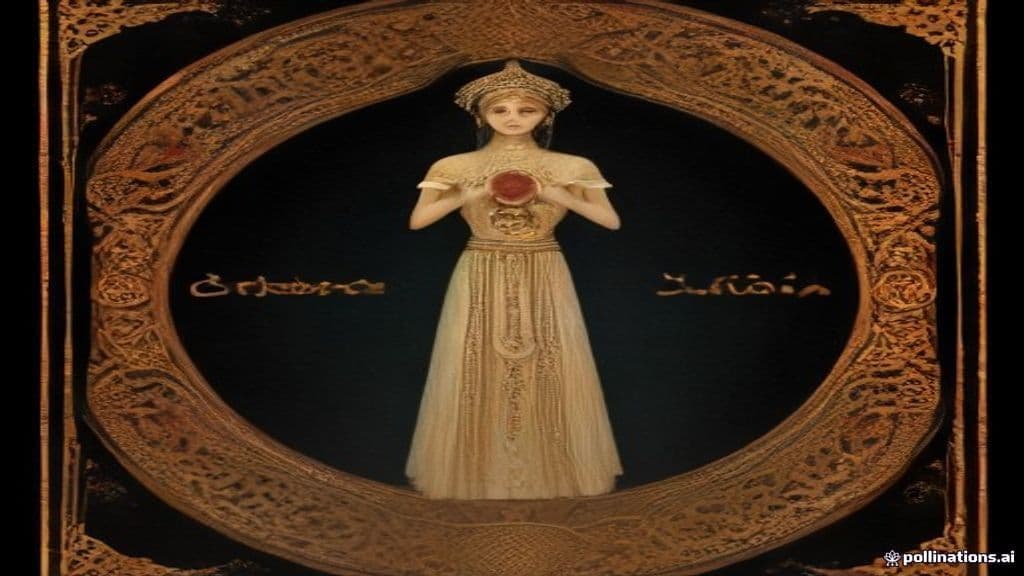
Ahura is not a single origin mythic figure but a classificatory term inherited from an earlier Indo‑Iranian religious context. Linguistically derived from Proto‑Indo‑Iranian *Hásuras and attested in Avestan as ahura, the term originally meant 'lord' and identified a class of sacred lords in a shared prehistoric divine taxonomy related to Vedic uses of 'asura'. In the development of Zoroastrian tradition the ahura category came to mark the sanctioned side of the divine order: adherents are enjoined in the Gathas and in creedal formulas (e.g., the Fravaraneh) to honor the ahuras and to reject the daevas, thereby defining communal allegiance in terms of acceptance of the ahura order rather than by a narrative birth or single cosmogonic genealogy (Source 1).
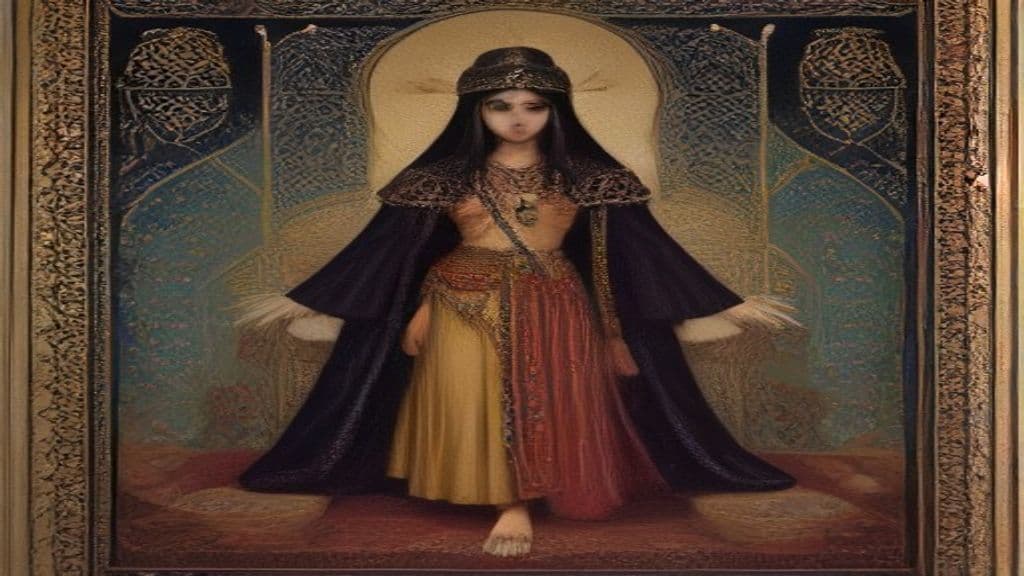
As a class-term, ahura does not carry a single, unified iconography in the cited material; the sources treat ahura primarily as a theological and liturgical designation rather than as a descriptive label for bodily form. The available texts do supply exalted, hymnic language for individual ahuras—most notably Ahura Mazda, who is praised in the Yasna as 'the greatest of all' and is presented in later summary accounts as the supreme, unbegotten Being—but the provided excerpts do not offer consistent mythic descriptions of physical appearance for ahuras collectively. Thus while specific named ahuras may receive distinctive religious representation in various texts and later visual traditions, the primary evidence in the cited materials is that 'ahura' functions as a status-term applied to particular divinities rather than as a shared set of iconographic features (Sources 1, 10, 11).
The ahuras, as the divinities to whom reverence is due, occupy liturgical, providential, and cultic roles in Zoroastrian scripture. Functionally, they are the sanctioned gods of the Zoroastrian religious order and are invoked and praised in hymnody and ritual speech; this status implies beneficence, moral authority, and suitability as objects of worship. In the Younger Avesta the ahura label is applied to named high divinities—Ahura Mazda, Mithra, and Apam Napat are grouped as an 'ahuric triad'—and many Amesha Spentas and notable yazatas are treated as ahuric figures with specialized functions (for example, Anahita in relation to waters; Ashi in relation to reward). Hymns in the Yasna attribute providential and creative functions to Ahura Mazda and instruct reciters to praise and address him, while secondary summaries portray Ahura Mazda as the supreme, creator‑apex figure (Sources 1, 10, 11).
Weaknesses
- otherNone attested in cited sources (ahuras are sanctioned and reverenced; warding is directed at daevas)
Wards
- otherNone attested in cited sources (ahuras are objects of veneration rather than threats to be warded off)
Ahura Mazda
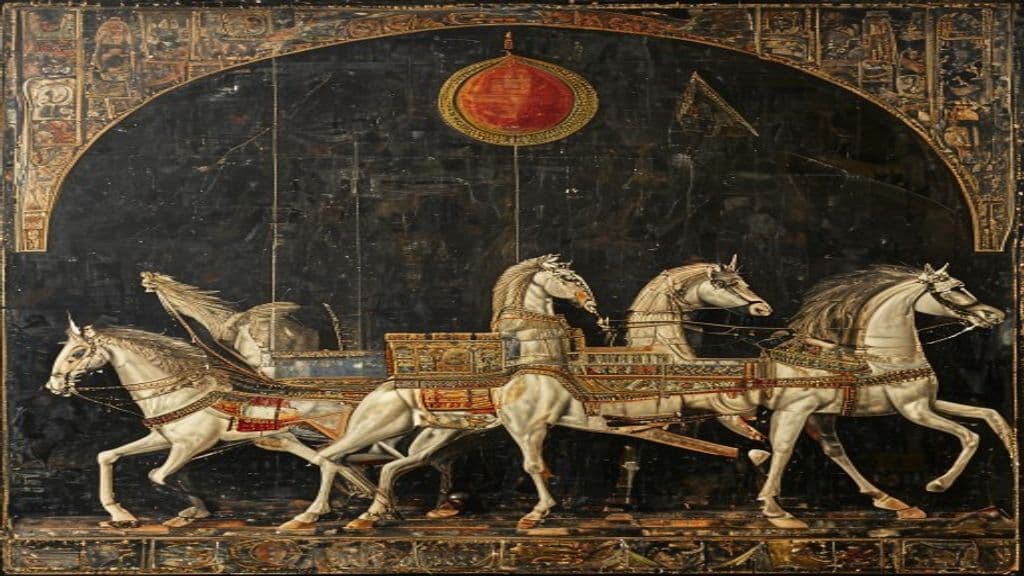
Ahura Mazda is the principal deity of Zoroastrian tradition, invoked as the supreme source of goodness and wisdom who instructs Zoroaster and commands helper spirits (yazatas). Historically attested in Achaemenid royal inscriptions, Ahura Mazda occupies a central role in Zoroastrian liturgy (notably the Yasna) and in various Iranian religious formulations.
Apam Napat
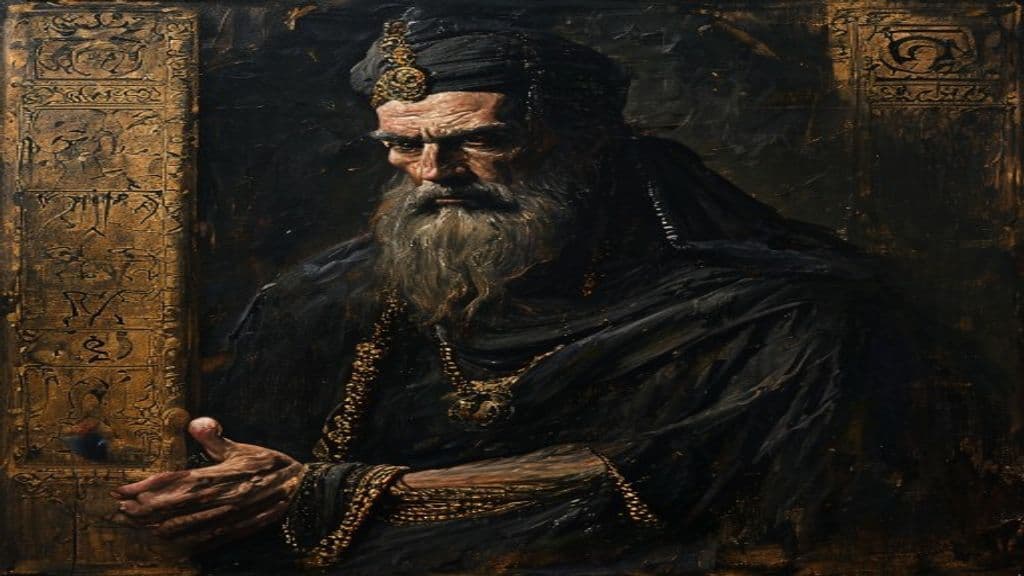
Persian deity associated with water, creation, and the natural world. (Note: 1. Power tier: Apam Napat is mentioned in the Rig Veda, which is an Indo-Iranian text, but he is not described as a cosmic creator figure; rather, he is specifically credited with creating all things.)
Anahita (Arədvī Sūrā Anāhita / Ardwisur Anāhīd)
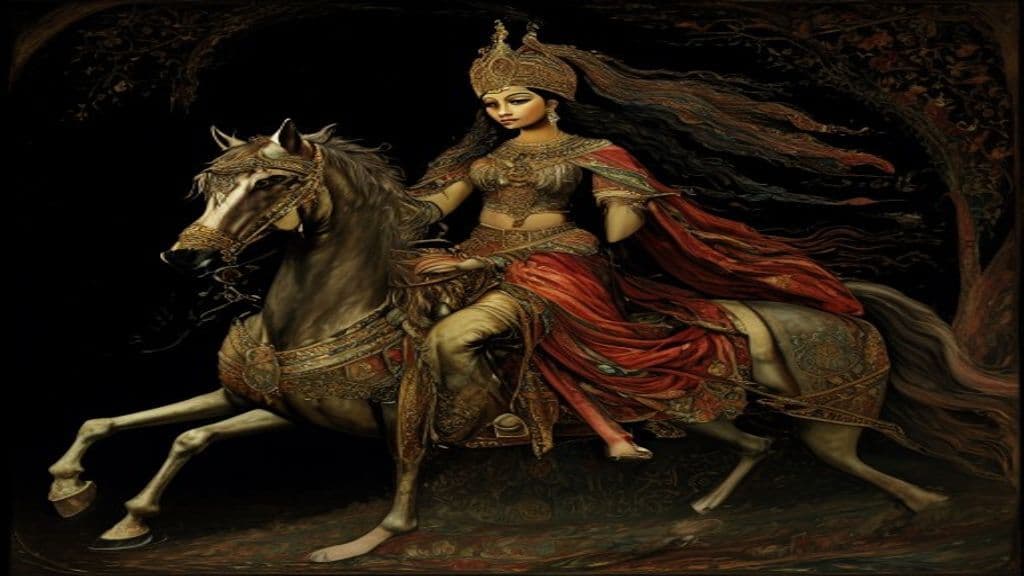
Anahita is a worship-worthy divine figure (yazata) in Iranian religious tradition, attested in the Avesta and later Middle Persian texts, who personifies the waters and the mythical heavenly river and is associated with fertility, procreation, wisdom, and (in later syncretic forms) martial success and the planet Venus.
Daeva
In Zoroastrian and Iranian tradition, a daeva (Avestan daēuua) is a class of supernatural being that the Zoroastrian revelation repudiates; in the oldest texts they are 'gods that are (to be) rejected' and in later tradition they come to be depicted as divinities promoting chaos and, ultimately, as personifications of evil.

Asura
Asura (Sanskrit: असुर) are a class of supernatural beings in Indian religious traditions. In Hinduism they are described as power-seeking beings related to, and often oppositional toward, the Deva; in Buddhist cosmology they form a demigod/titan class characterized by passions such as wrath and envy. Individual asura figures (notably the asura Svarbhānu) appear in myths that produce the eclipse-entities Rahu and Ketu.
*Perkʷūnos
*Perkʷūnos is the reconstructed Proto-Indo-European thunder‑god hypothesized by comparative linguistics and mythology. Scholarly reconstructions portray him as a storm or thunder figure associated with fructifying rain and as the combatant who fights a multi‑headed water‑serpent to release life‑giving waters; no direct attestations from the Proto‑Indo‑European period survive and the figure is inferred from later Indo‑European traditions.
*Péh₂usōn (reconstructed)
Péh₂usōn is a hypothetical Proto‑Indo‑European pastoral guardian reconstructed by comparative scholars from parallels in Greek and Vedic traditions. Proposed as a Graeco‑Aryan ancestor‑figure, the reconstruction describes a protector of flocks, roads, and travellers rather than an attested historical cultic personality.
57 Mnemosyne
57 Mnemosyne is a large main-belt asteroid (S-type) discovered in 1859 and named after the Greek Titaness Mnemosyne. It is a non-sentient astronomical body studied for its orbital and rotational properties and has been used in dynamical measurements related to Jupiter.
Ab-Zohr
Ab-Zohr is the culminating rite of the Zoroastrian Yasna service: a formal offering to the waters (Aban/Apas) that creates the consecrated liquid parahaoma and functions to purify, strengthen, and atone for damage done to waters. It is a ritual action rather than an independent supernatural being.
Abaddon
In Hebrew scripture Abaddon is primarily a noun meaning 'destruction' or a section/condition of the underworld paired with Sheol; in the New Testament Book of Revelation Abaddon is personified as an angelic figure (Greek Apollyon) described as the king of an army of locusts released from the abyss during the apocalypse.
Aban (Āb/Ābān)
Aban (Avestan apas; Middle Persian āb/ābān) is the collective, sacred principle of the waters in Zoroastrian cosmology — both the element water and its personified hypostases (the Apas/Ahuranis). Aban functions as a primordial, life-giving creation, a calendrical and liturgical focus (day-name, month-name, Abanagan feast), and a ritual object of veneration (ape zaothra, Aban Yasht) rather than a malign force to be expelled.
Aban Yasht
The Aban Yasht is a hymn from the Persian tradition that praises Anahita, a goddess associated with water, fertility, and wisdom. It consists of 132 stanzas and is part of the 21 Yashts collection. (Note: - Power tier should be "Primordial" or possibly "Cosmic", given that it's a hymn of great spiritual significance and associated with a goddess. - The article incorrectly states that Anahita is associa)
Abath
No corroborated folkloric entity named "Abath" is documented in the provided sources. The string appears in the supplied material only as a surname/personal name in Aruban/Dutch-Caribbean archival records and as an unrelated taxonomic or encyclopedic hit; no mythic attributes, origin stories, rituals, or apotropaic practices for an entity called Abath are present in the documents reviewed.
Abatur
Abatur is an uthra (celestial emanation) in Mandaeism described as the 'father of the Uthras' and called the Ancient (ʿattīqā). He resides on the boundary between the World of Light and lower regions, functions as a judge who weighs souls (Abatur Muzania), and supplies instructions and materials to the demiurgic uthra Ptahil in accounts from the Diwan (Scroll) of Abatur.
Abatwa (Twa / Batwa)
Abatwa (also recorded as Twa, Batwa, Mutwa; singular forms Barhwa or Murhwa in some transcriptions) are indigenous hunter‑gatherer peoples of the Great Lakes region of Central Africa, historically identified as some of the earliest inhabitants of the area. The available sources treat them as human ethnic groups whose livelihoods, lands, and populations have been severely affected by conservation policies and modern violence.
Abellio
Abellio is a theonym attested in Roman‑period inscriptions from the Comminges area of the Pyrenees and reported as worshipped in the Garonne Valley of ancient Gallia Aquitania. Surviving evidence is limited to a small number of inscriptions; scholars have variously hypothesized solar or arboreal associations and compared the name to forms of Apollo or to Celtic Belenus, but the deity's precise role in local cosmology remains uncertain.
Abraham
Abraham (originally Abram) is the foundational patriarchal ancestor in the Hebrew Bible whose life establishes a covenantal relationship between his family/people and God. He functions as an exemplar of faith, the progenitor of promised descendants, and a narrative anchor for claims of land, blessing, and communal identity in later religious traditions.
Community Record
- [1]Ahura — Wikipedia. Wikipedia, 'Ahura'wiki
- [2]AVESTA: YASNA (English). Yasna hymns (translated), Avesta collectionother
- [3]AHURA MAZDA TEACHES YIMA (Darmesteter translation). Darmesteter, 'Ahura Mazda teaches Yima' (tradition narrative)literary
- [4]History of Zoroastrianism (M. N. Dhalla, 1938). Dhalla, M.N., History of Zoroastrianismother