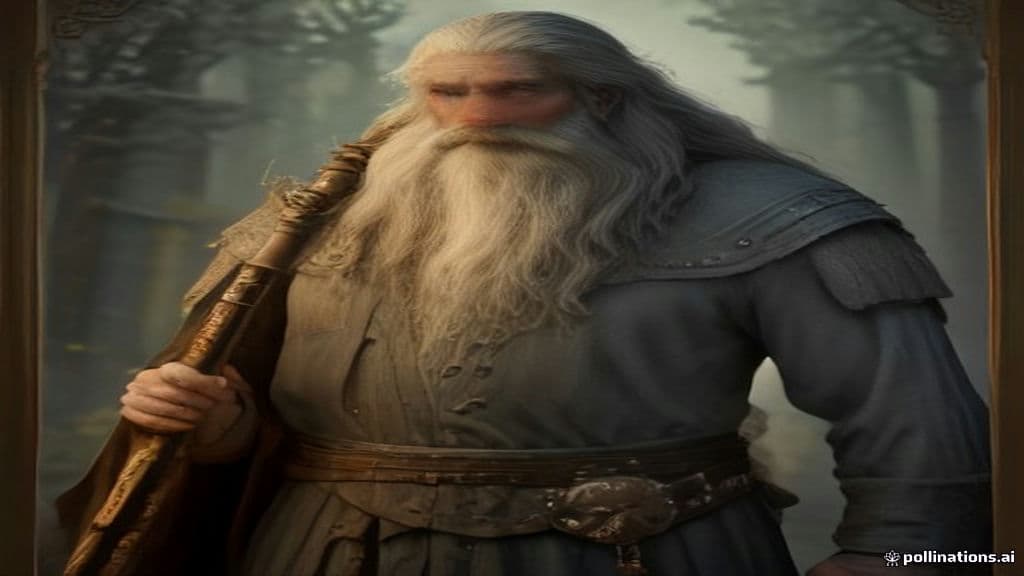
Hadingus is a legendary king in Norse folklore, from Denmark. Hadingus (Hading, Hadding) is a legendary early Danish king from medieval Scandinavian legendary-historical tradition whose career mixes human kingship, warfare and dynastic episodes with encounters with giants, gods (notably Odin and Freyr) and an underworld descent. He is presented as a mortal ancestral ruler whose life functions at the border of myth and pseudo-history in sources such as Saxo Grammaticus’ Gesta Danorum and the Codex Runicus.
Accounts collected in medieval Scandinavian sources present Hadingus as the son of Gram of Denmark and Signe (daughter of King Sumble). After Gram is slain by Swipdag (Suibdagerus), the youth Hadingus is fostered by the giant Wagnofthus and his daughter Harðgreipr (Harthgrepa). In the fosterage episode Harðgreipr encourages his warrior eagerness and, by her magic, raises a corpse to obtain information. Harðgreipr is later killed; Hadingus subsequently gains Odin as a patron who foretells and advises his future. Hadingus wages wars in the Baltic, defeats rivals (including Suibdagerus), rescues and marries Regnilda, commits an offence against a divine animal and atones by making a sacrifice to Freyr, undertakes a descent to the underworld (Hel) and is finally recorded as dying by hanging himself before his subjects. Scholarly commentators (for example Georges Dumézil in secondary literature cited by later summaries) have argued Hadingus’ figure was at least partially modelled on or associated with divine prototypes such as Njörðr, which places him conceptually between human founder-king and mythic archetype.
Primary narratives emphasise Hadingus’ temperament and actions rather than sustained physical description. Saxo’s accounts and later summaries characterise him as an eager youthful warrior during his fosterage with the giant family, later as a war-leader and king who commands armies in the Baltic and presides over dynastic affairs. The sources record scenes that foreground his conduct—martial ardour, leadership, and tragic end by hanging—rather than concrete bodily attributes (height, hair, dress), and no consistent physical portrait is supplied in the surviving summaries.
Hadingus is presented as a skilled human warrior, military leader and king: he leads campaigns in the Baltic, defeats rivals, secures dynastic marriages and governs Denmark. Narrative episodes attribute to him close relations with supernatural agencies: he is fostered among giants (Wagnofthus and Harðgreipr), benefits from Odin’s patronage (prophecy and counsel), performs a ritual atonement (sacrifice) to Freyr after killing a divine animal, and undertakes a mythic descent to the underworld (Hel) from which he returns in the accounts. Some secondary summaries note variant traditions (briefly attested in modern compilations) in which a feminine-form of the Hading descent tradition is said to have received magical endowments connected to underworld travel; these variants are treated as uncertain and secondary to the core Saxo tradition.
Weaknesses
- conditionhuman mortality and political/ritual vulnerability
- ritualneed for atonement after sacrilege (example: sacrifice to Freyr after killing a divine animal)
Wards
None recorded.
Odin
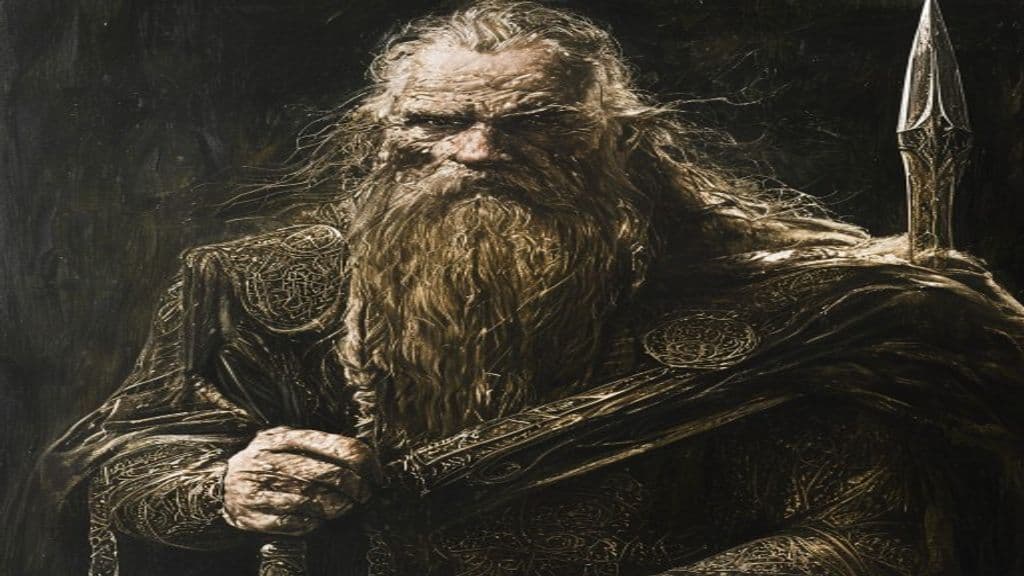
Odin (Old Norse: Óðinn) is the chief god of the Norse (Æsir) pantheon, a multifaceted deity associated with wisdom obtained by sacrifice, poetic inspiration, death and warfare, and rulership over the hall Valhöll where chosen slain warriors (einherjar) dwell. He appears throughout Germanic tradition from Roman-era accounts through the Viking Age and in later folklore as leader of the Wild Hunt.
Freyr
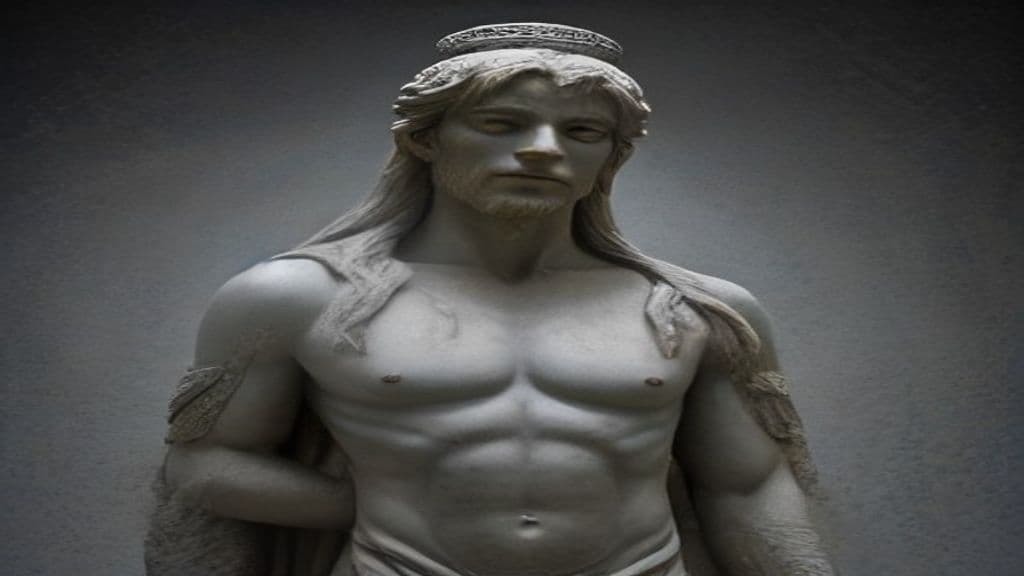
Freyr is a major Vanir deity in Old Norse myth associated with kingship, fertility, prosperity, fair weather, peace, and good harvests; he is attested in medieval Icelandic sources (Snorri) and continental reports (Adam of Bremen) and figures in myths of courtship, possession of magical artifacts, and eschatological death at Ragnarök.
Abraun
Abraun is an attested name in German-language plant-legend scholarship (Der abraun, ein beitrag zur pflanzensagenkunde, 1916) and a short database entry (Wikidata) labels it as a spirit from German mythology. Surviving accessible documentation is extremely limited: the principal academic treatment is a 1916 contribution to pflanzensagenkunde (plant-saga studies), but the excerpts available here contain only bibliographic metadata and do not record tales, descriptions, or rituals.
Adils
Adils (Old Norse Aðils; also Eadgils, Adillus, Athisl, Adhel) is a semi‑legendary sixth‑century Swedish king attested in Old Norse saga material and later medieval traditions. He appears in saga episodes as a storied royal figure involved in warfare, court acts, and marriage suits rather than as a supernatural being.
Agilaz (Egil)
Agilaz (reconstructed Proto-Germanic) — commonly recorded in medieval sources as Egil or Ægil — is a legendary archer attested in Germanic heroic tradition. He appears as the brother of Völund (Wayland/Weland) in the Old Norse poem Völundarkviða and in the Thidreks saga, and his name is also inscribed on early medieval objects (Franks Casket, Pforzen buckle). The attested material presents him as a named heroic human archer within saga and inscriptional contexts rather than as a recurrent supernatural species.
Agnarr Geirröðsson
Agnarr Geirröðsson is a mortal prince attested only in the Poetic Edda poem Grímnismál; he aids Odin (disguised as Grímnir) during Geirröðr's torture and, after Odin reveals himself and King Geirröðr dies, Agnarr succeeds as king.
Agne
Agne (also attested Agni, Hogne, Agni Skjálfarbondi) is a semi-legendary king of Sweden in Old Norse saga tradition, preserved in the Ynglingatal corpus and prose expansions such as Snorri Sturluson's Ynglinga saga. He is portrayed as a mighty and famous warrior-king whose campaign in Finland, marriage to Skjalf, and death by hanging form a remembered episode connected to local place-names and a burial mound.
Alaisiagae
A group of Germanic female deities attested in Roman Britain, worshipped by continental auxiliary troops at a shrine near Vercovicium (Housesteads) on Hadrian's Wall. Epigraphic evidence records dedications to named members (Beda, Fimmilena, and in other lists Baudihillia and Friagabis) alongside Mars Thincsus and the numen of the emperor; modern scholarship interprets them variously as war/victory goddesses, as goddesses associated with assembly/justice, or as part of Matronae‑type fertility/ancestor cults.
Alberich
In Germanic heroic legend, Alberich is a dwarf associated with elven qualities and power. (Note: 1. Power tier: Reduce to Ancient as Alberich's abilities are not described beyond being a dwarf with elven qualities. 2. Origin story: Clarify that Alberich is mentioned in multiple Germanic texts, bu)
Alcis
A pair of youthful brother-deities worshipped by the Naharvali, attested only in Tacitus' Germania (c. 98 CE). They were venerated in a sacred grove under the care of a priest in female attire and are compared by Roman ethnography to the Graeco‑Roman Dioscuri (Castor and Pollux).
Ale the Strong
Ale the Strong (Old Norse: Áli hinn frækni; Latin: Olo Vegetus) is a legendary human king in medieval Scandinavian saga and chronicle tradition. Portrayed as a vigorous and fearsome warrior-king, he appears in Heimskringla, Gesta Danorum and the Codex Runicus cycle and is consistently slain by the hero Starkad.
Alf and Alfhild
Alf and Alfhild are legendary human figures from Old Norse/early Scandinavian narrative tradition preserved principally in Saxo Grammaticus' Gesta Danorum. The tale presents Alf as a Danish prince and Alfhild as a Geatish princess who becomes a shieldmaiden and leader of a fleet of female raiders; their story includes combat, recognition, marriage, and later dynastic conflict.
Algaut
Algaut (also rendered Algöt or Algaut Gautreksson) is a semi-legendary Geatish king of West Götaland recorded in Scandinavian saga and genealogical tradition. Saga summaries (via Snorri Sturluson's Heimskringla as reported in later compilations) record that he was the father of Gauthild and was burnt to death by his son-in-law, the Swedish king Ingjald Ill-ruler.
Allerleirauh
Allerleirauh is the eponymous heroine of a Brothers Grimm fairy tale (Grimm no. 65; ATU 510B) who flees an enforced-marriage crisis by disguising herself in a mantle of many furs, takes menial service in another court, and later reveals her identity through three magnificent dresses and token objects to secure recognition and marriage.
Community Record
- [1]Hadingus — Wikipedia. Wikipedia, article 'Hadingus' (summary of Saxo Grammaticus’ Gesta Danorum and Codex Runicus references)wiki
- [2]Harðgreipr — Wikipedia. Wikipedia article on Harðgreipr summarising the fosterage episode and related bibliography (references to Saxo and scholarship such as Dumézil)wiki
- [3]Codex Runicus (fragmentary chronicle reference). Wikidata entry for Hadingus (links to runic attestation in the Codex Runicus as summarized in secondary sources)other
- [4]Seiðr praxis / Northvegr summary. Northvegr.org summary material referencing variant traditions about underworld visits and magical endowments in related talesother
- [5]Miscellaneous secondary online summaries. Modern secondary discussion collecting versions and interpretations of the Hadingus episodes (used only as modern summaries of the tradition)other