
Linguistically, English hag is a shortening of Middle English hægtesse (Old English term for 'witch') and traces back to Proto-Germanic *hagatusjon- of unknown origin; the first element may be related to 'hedge'. Folklorically the hag-concept in the supplied sources represents a convergence of several regional figures and ideas: nightmare spirits (Old English mæra / Scandinavian mara), river/pond cautionary monsters (Peg Powler, Jenny Greenteeth), woodland/otherworld dwellers (Baba Yaga), and sovereignty or seasonal goddesses (the cailleach, The Cailleachan). The supplied material treats 'hag' as an umbrella term rather than a single origin narrative.
Across sources the common image is 'a wizened old woman,' but features vary by local figure. River hags like Peg Powler are described with green, scum-coloured skin and long arms used to seize victims; Baba Yaga is a forest-dwelling hag associated with a hut on chicken legs and with travel in a mortar while sweeping tracks with a broom; cailleach-figures are hag-goddesses whose aged, harsh appearance embodies winter and barren land. No single standardized physical template is given in the sources—appearances depend on regional role and function.
Reported abilities differ by tradition. The 'Night Hag' (Old Hag) sits on a sleeper's chest, produces nightmares and an experience historically described as 'hagridden' (temporary paralysis and difficulty breathing on waking). River hags (Peg Powler, Jenny Greenteeth, Nelly Longarms, Grindylow) are described in cautionary tales as pulling children into water, drowning them, and in some accounts eating them. Some hag-figures function as shapeshifting or chosen forms of larger deities (e.g., Morrígan/Badb) or as sovereignty figures (Irish tales where acceptance of the hag leads to her revealing a young, beautiful goddess), and cailleach figures are associated with weather and seasonal powers (storm-raising, winter agency).
Weaknesses
- conditionsocial acceptance / bravely accepting the hag (sovereignty hag motif where hero's acceptance leads to transformation)
- otherno specific physical or ritual weaknesses documented in the supplied sources
Wards
- conditionavoidance and parental warning (storytelling used to keep children away from dangerous river edges)
- otherno documented named rituals, formulas, or protective procedures against hag-attack are present in the supplied material
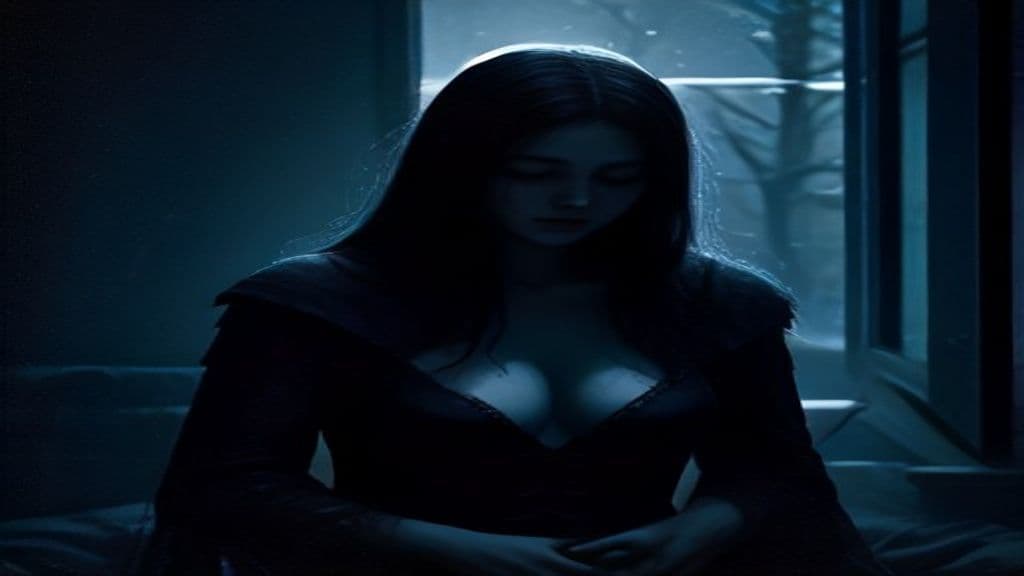
Mara
The nightmare spirit of Northern European tradition who rides sleeping people at night, causing suffocation, terror, and the sensation of an invisible weight on the chest.

Cailleach
A Gaelic 'veiled old woman' figure who personifies winter and its elemental forces; credited in tradition with shaping the landscape (mountains, hills, valleys) and with controlling storms and seasonal turnover. Treated both as a singular mythic sovereign (e.g., the Hag of Beara / Beira) and as a type (plural cailleachan or 'storm hags') in regional lore across Ireland, Scotland and the Isle of Man.
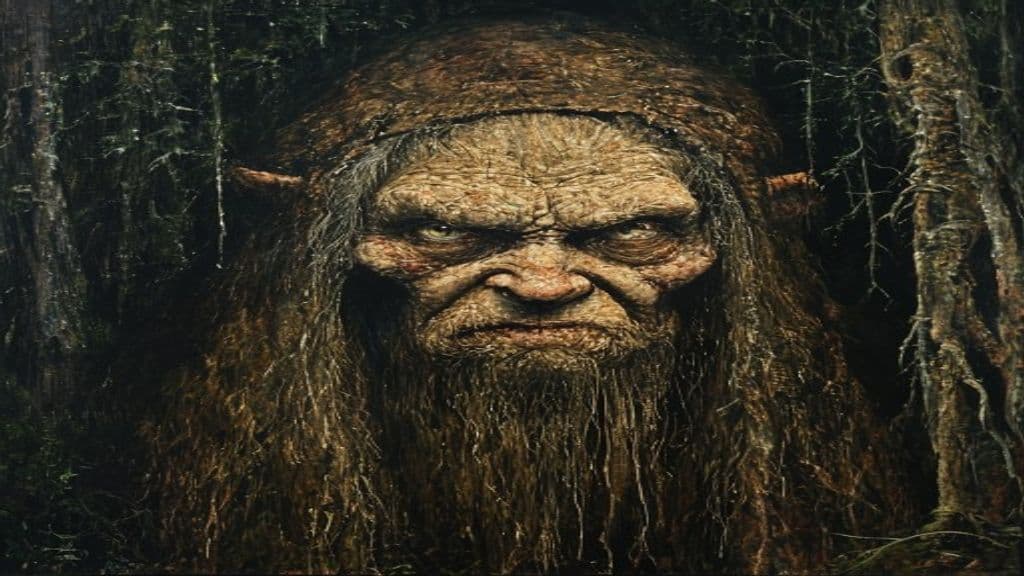
Baba Yaga
Baba Yaga is an ambivalent female figure of East Slavic folktale tradition, depicted variously as a fearsome, child-eating crone or as a helpful, maternal donor. She is associated with the deep forest, a hut described as standing on chicken legs, and the motific accoutrements of a mortar and pestle.
Abandinus
Abandinus is a locally attested Romano‑Celtic theonym known from a single inscribed bronze feather (votive object) dedicated at Godmanchester (the Roman fort Durovigutum) in Cambridgeshire. Scholars interpret him as a local god or male spirit tied to a specific place and possibly associated with a nearby spring or stream; this association is tentative and based on etymological readings of the name.
Abarta (Ábartach)
Abarta (also Ábartach) is a figure of Irish myth who, in surviving accounts, tricks Fionn mac Cumhaill's warriors by giving them a supernatural grey horse that bears them into the Otherworld. Sources variably identify him as a member of the Tuatha Dé Danann or as a Fomorian; after the incident he is compelled to release the captured warriors and is refused entry to the Fianna.
Abcán (Abhcán)
Abcán (modern spelling Abhcán) is a named dwarf poet and musician of the Tuatha Dé Danann in Irish myth. He appears in a small number of narratives as a musician whose art has soporific power and as the ferryman who brings the goddess Ruad from the Otherworld to the human world.
Abdiel
Abdiel (Hebrew עֲבְדִּיאֵל) is primarily a theophoric Hebrew personal name meaning "servant of El/servant of God," attested once in the Hebrew Bible (1 Chronicles 5:15). In later literature—most notably John Milton's Paradise Lost—Abdiel is reimagined as a faithful seraph who opposes Satan's revolt. The provided sources do not treat Abdiel as an autonomous folkloric spirit type or record rituals or wards associated with the name.
Abhean
Abhean is a named poet of the Tuatha Dé Danann in medieval Irish literature, described as a poet in particular of Lugh and recorded as having been killed by Óengus before Midir in a poem by Fland Mainistreach preserved in the Lebor Gabála Érenn.
Abiel
Abiel is attested in the supplied sources only as a male given name — borne by several historical American individuals and listed as two minor biblical figures. The provided materials contain no evidence presenting Abiel as a supernatural, mythological, or folkloric entity.
Abigail
Abigail is a female figure in the Hebrew Bible portrayed in 1 Samuel 25 as the intelligent and beautiful wife of Nabal who intervenes to prevent David from committing violence; later tradition regards her as one of the Tanakh's seven female prophets and as a model of beauty and wisdom.
Abnoba
Abnoba is a Gaulish theonym and toponym attested in Roman-era sources and inscriptions: a localized deity associated with woods, springs and the sources of rivers (notably the Danube) and simultaneously the name applied to a mountain or mountain range in the Black Forest/Baar/Odenwald region. Roman altars equate her with Diana, reflecting syncretic cult practice in frontier provinces.
Accolon
Accolon is a mortal knight of the Arthurian court, presented in the Post-Vulgate Merlin tradition and Malory's Le Morte d'Arthur as Morgan le Fay's paramour and instrument in a plot to supplant King Arthur; his tale centers on enchanted weapons (Excalibur and its scabbard), love-manipulation, and a tragic duel with Arthur.
Achall
Achall is an eponymous mortal woman in the Ulster Cycle of early Irish literature whose grief-induced death is given as the origin of the hill-name Achall (identified with the modern Hill of Skryne). She appears as a genealogical and etiological figure tied to Tara and later legendary events at the hill, rather than as a recurring supernatural agent.
Achtland
Achtland is a figure from Irish tradition who, according to the surviving account, was a mortal woman famed for rejecting mortal suitors who married a member of the Tuatha Dé Danann and crossed into the síde to become immortal as his wife.
Adar Llwch Gwin
Legendary large, intelligent birds from Welsh tradition said to understand human speech and obey their master's commands; best known for tearing their master Drudwas ap Tryffin to pieces when bound by a literal order in an Arthurian battle narrative. The term later came to be applied to raptors and metaphorically to brave men in medieval Welsh poetry.
Community Record
- [1]Hag. Wikipedia contributors, 'Hag,' Wikipedia, The Free Encyclopediawiki
- [2]The Old Hag. Bewildering Stories, 'The Old Hag'folk
- [3]Peg Powler; Jenny Greenteeth; river-hag motifs (summary in Wikipedia). Wikipedia contributors, 'Hag' (sections citing Peg Powler, Jenny Greenteeth)wiki
- [4]Baba Yaga (as hag-figure; description summarized). Wikipedia contributors, 'Hag' (section referencing Baba Yaga)wiki
- [5]Cailleach and The Cailleachan (hag-goddess / storm hags). Wikipedia contributors, 'Hag' (section referencing cailleach/The Cailleachan)wiki