
Sources indicate Sagaan Ubgen originated in Mongolian cultural-religious contexts as a pre-Buddhist figure associated with longevity, wealth, and fertility. With the spread of Buddhism, narratives were appended to explain his continued veneration within Buddhist practice — for example, stories in which he meets the Buddha and is declared a saint, or appears as one of two hunters who encounter the Tibetan yogin Milarepa and are converted to Buddhist teachings. Scholarly descriptions frame his cult as part of so-called 'white shamanism,' a label used to describe Buryat shamanic practice that incorporates Buddhist rituals and beliefs.
Conventional iconography presents him as a bald old man with a white beard, dressed in white in cham/tsam performance. Attributes and accompaniments reported in the sources include a dragon-headed staff, a book (described in sources as a book of destiny in some accounts), a deer and a peach tree, and in cham performance a snuff bottle attached to his girdle. In ritual enactments he may at first appear weak or staggering and later be renewed.
Traditional belief locates him as a guardian of life and longevity and a patronal figure for family longevity, fertility, health, and prosperity. Within Buddhistized narratives he is reframed by hagiographic episodes that legitimize his cult in monastic contexts while preserving earlier worldly functions. In the tsam/cham Tiger Dance he symbolically overcomes a dangerous force: he enters feigning weakness, strikes a tiger skin with a stick (symbolically 'killing' the tiger), and is thereby renewed; he then passes among the audience soliciting donations and offering snuff, enacting blessing, renewal, and social exchange.
Weaknesses
- otherNo weaknesses attested in the provided sources
Wards
- otherNo warding practices against Sagaan Ubgen are reported in the provided sources; he is described as a beneficent guardian rather than a hostile being
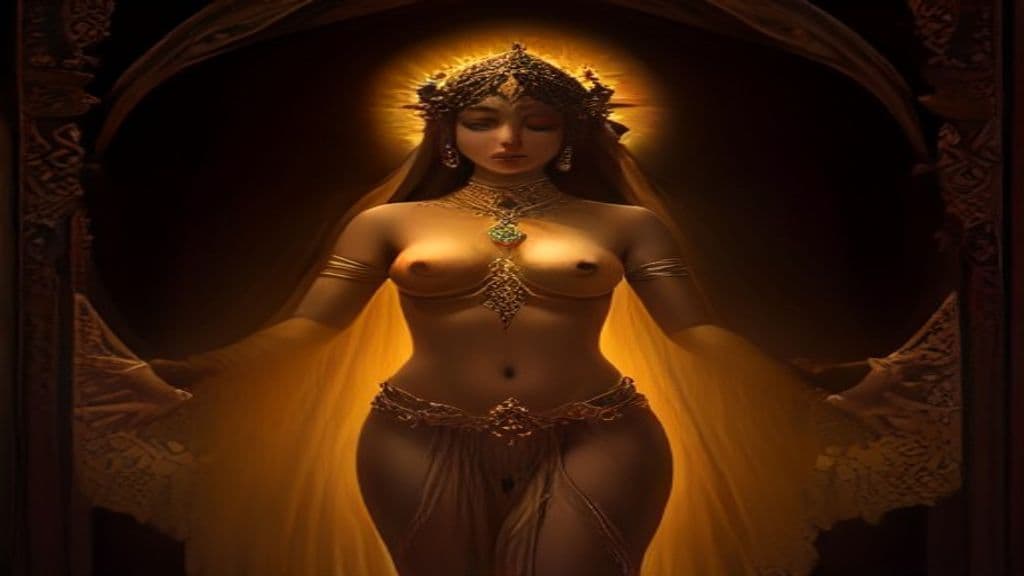
Apsara
Celestial dancers and water nymphs of Hindu cosmology — beautiful semi-divine beings who dance at the court of Indra and, by his command, descend to earth to distract sages from excessive asceticism.

Gashadokuro
A fifteen-times-human-height skeletal yokai formed from the bones of those who starved to death or died on battlefields, their unburied remains fused together into a hungry colossus.

Yuki-onna
The Snow Woman of Japanese folklore — a spirit born of blizzards who appears to travelers lost in snowstorms. Beautiful and lethal, she can show mercy or bring death depending on her mood.
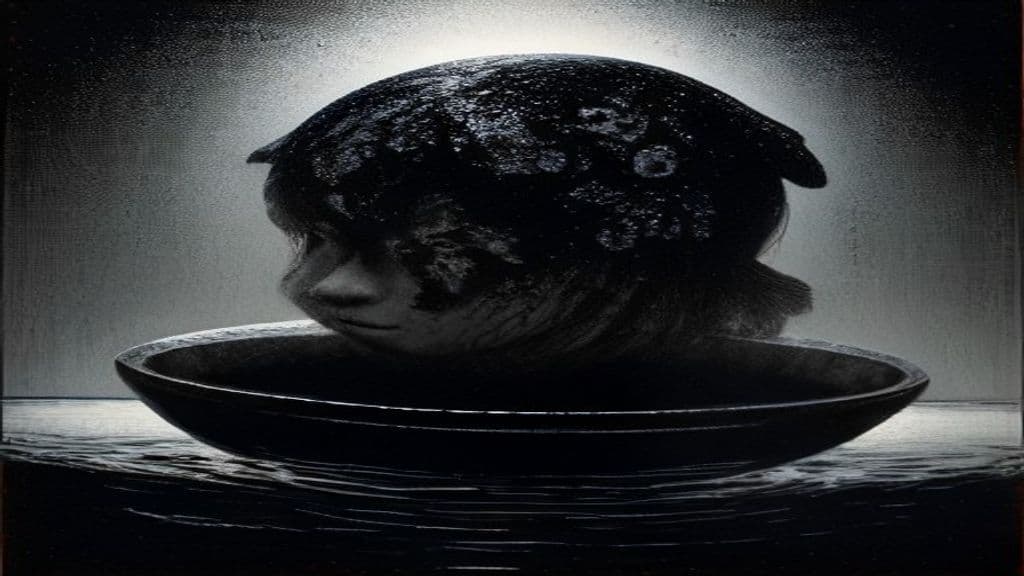
Kappa
A water-dwelling imp of Japanese folklore with a bowl of water on its head. Mischievous but bound by strict codes of politeness; dangerous near rivers.
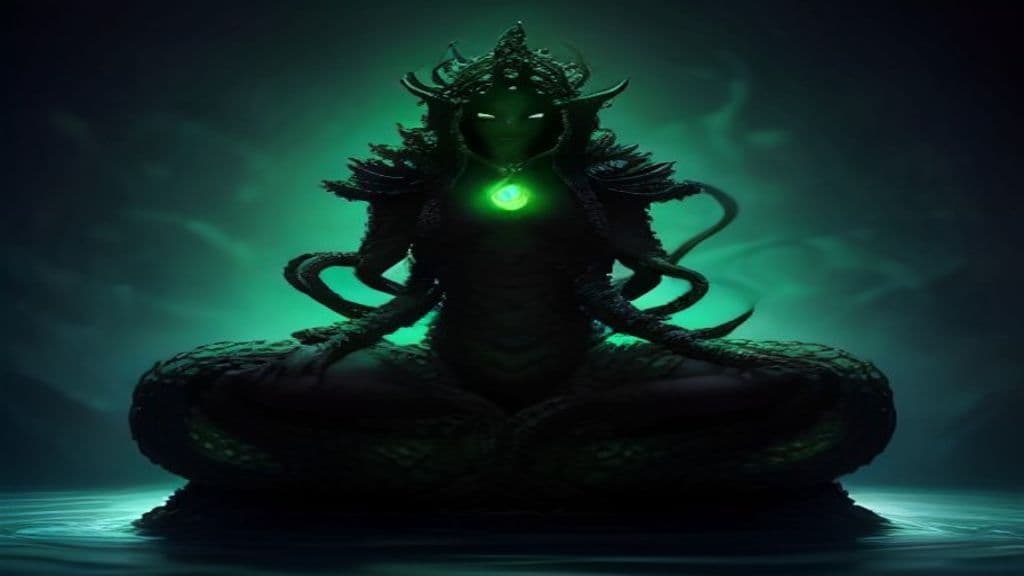
Naga
Divine serpent beings of Hindu, Buddhist, and Jain cosmology — powerful guardians of water, earth, and underground treasures. Revered as deities in South and Southeast Asia.
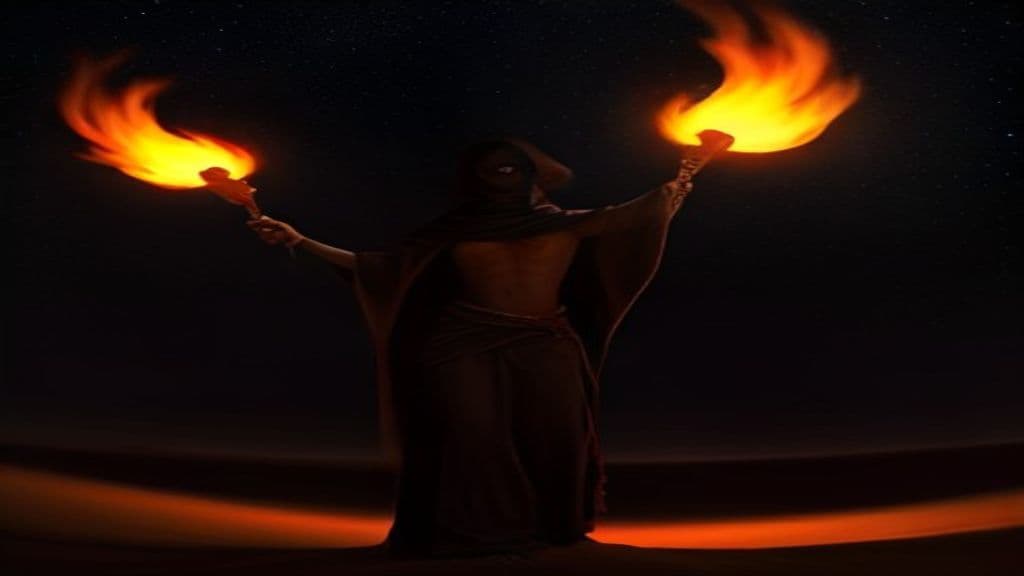
Djinn
The class of supernatural beings created from smokeless fire in Islamic cosmology — a parallel civilization to humanity, capable of belief or unbelief, with their own prophets, society, and judgment before God.

Jann
The weakest class of djinn in Islamic tradition, associated with desert winds and taking the form of snakes or whirlwinds, dwelling in empty wilderness and posing little threat to those who know the proper invocations.
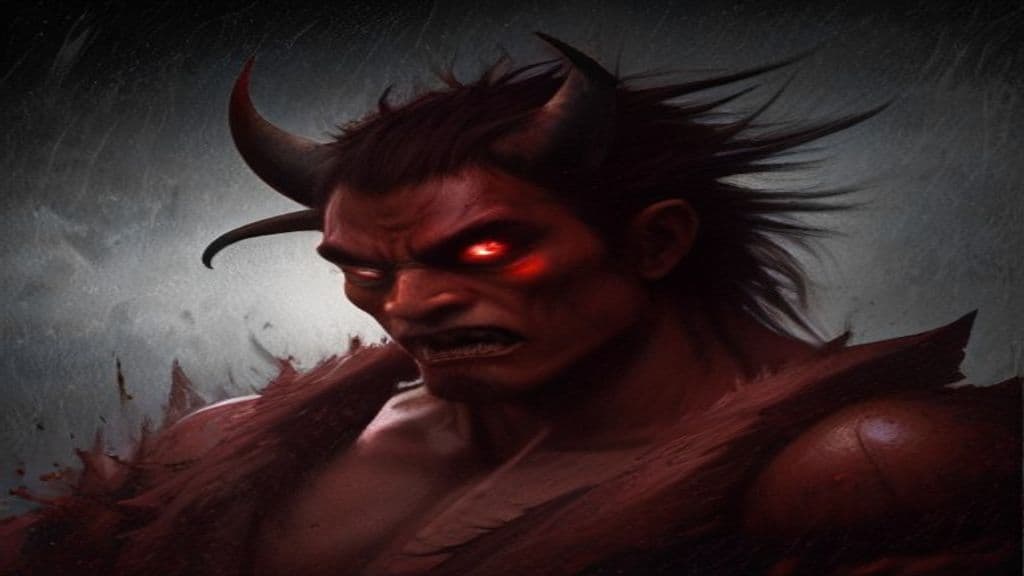
Oni
Powerful supernatural beings of Japanese folklore — associated with misfortune, disease, and the punishment of sinners in hell. Fearsome, often depicted as guardians of the underworld.
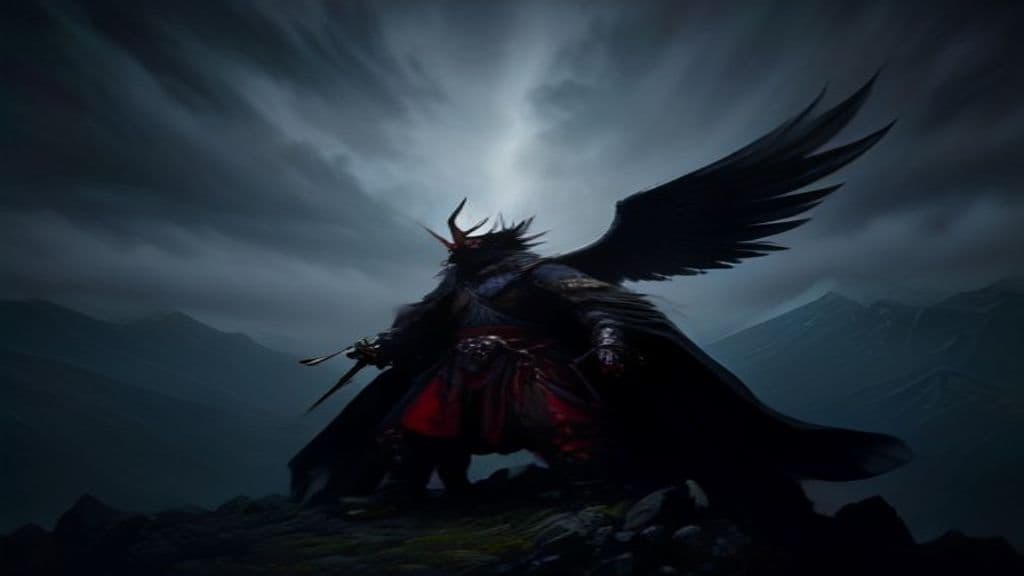
Tengu
Proud, warrior-like mountain spirits of Japan, associated with martial arts, pride, and the wild mountains. Neither fully good nor evil — they test and train warriors and monks, but punish the arrogant.

Lamia
In ancient Greek mythology, Lamia is described as a child-eating monster who, in later tradition, came to be regarded as a type of night-haunting spirit or 'daimon'. The supplied sources do not provide a full physical description or detailed mythic genealogy, and some modern fictional portrayals recast her with serpentine features which are not attested in the provided classical summary.
Abaasy
Abaasy (Abaahy, Abasy; Yakut: Абаасы, Abaası) are beings of the Sakha (Yakut) underworld, depicted in sources as destructive underworld spirits or demons associated with the long deceased. They inhabit the lower cosmic layer, serve an underworld ruler, are blamed for disease and madness, and may be appeased by blood sacrifice.
Aiy (Aiy-auk)
Aiy (also rendered Aiy-auk) is a name mentioned in relation to Siberian contexts in the queryer's sources, but the provided documents do not contain usable folkloric descriptions or ethnographic data about the entity. This entry records what the supplied materials do and do not establish and points to the research gap.
Ak Ana
Ak Ana (also Ağ Ana, Ak Ene) is the primordial water-mother of Turkic and some Siberian (Khanty, Mansi) traditions: a holy maternal creator principle associated with the pre-earth expanse of water, fertility of the land, and the threshold to the spirit world.
Almas
Almas is presented in the provided source as a Mongolian 'wildman' reported in folklore and modern anecdote and treated within the modern subculture of cryptozoology as a disputed cryptid. The source frames Almas not as an established element of Mongolian cosmology but as an entity whose existence is unsubstantiated by mainstream science and discussed primarily in anecdotal and folkloric terms.
Ama (Mother of Waters)
No documentation for a Siberian supernatural figure called 'Ama' or 'Mother of Waters' was found in the supplied sources. The reviewed materials either list unrelated senses of the string 'Ama' or are unrelated recordings titled 'AMA.'
Amoghapāśa
Amoghapāśa is recorded in the supplied sources as a named manifestation or form of the bodhisattva Avalokiteśvara/Lokeśvara attested in Mahāyāna and Vajrayāna contexts. The evidence in the provided material is archival and bibliographic (sūtra/dhāraṇī/maṇḍala filenames and database entries) rather than descriptive narrative or doctrinal exposition.
Amoghasiddhi
Amoghasiddhi is one of the Five Tathāgatas (Five Wisdom Buddhas) in Mahayana and Vajrayana/Esoteric Buddhism, representing the Karma family and the quality of "unfailing accomplishment". He functions as an archetypal, protective, and contemplative buddha-body within tantric mandalas, presiding over the northern quarter and invoked in mantras and ritual iconography.
Arunachal macaque (Macaca munzala)
A biological species of high‑altitude macaque native to the Eastern Himalaya, treated in the sources as a natural history and conservation subject rather than a supernatural being. It is a compact, brown, short‑tailed macaque found in deep montane forests of Arunachal Pradesh, Bhutan and adjacent China, and is considered endangered.
Asura
Asura (Sanskrit: असुर) are a class of supernatural beings in Indian religious traditions. In Hinduism they are described as power-seeking beings related to, and often oppositional toward, the Deva; in Buddhist cosmology they form a demigod/titan class characterized by passions such as wrath and envy. Individual asura figures (notably the asura Svarbhānu) appear in myths that produce the eclipse-entities Rahu and Ketu.
Bai-Ülgen
Bai-Ülgen (often shortened to Ülgen) is a high creator-deity in Turkic religious cosmology, presented in available sources as a magnificent and wealthy divine figure who occupies a top position in the pantheon and is sometimes identified with the overarching sky god Tengri. Some modern references also list him within Mongolian contexts.
Beyul Guardian Spirits
Place‑bound guardian spirits associated with beyul (Tibetan sBas yul), the concealed or hidden valleys of the Himalayas and Tibetan plateau. They function as protectors and gatekeepers of these sacred, fortress‑like lands and are integrated into Nyingma treasure (terton) traditions and local Himalayan ritual practice.
Bhairava
Bhairava is a fierce Shaivite deity and tantric figure—an intense manifestation of Shiva—worshipped across Hindu and Vajrayāna Buddhist traditions as executor of divine punishment, guardian of sacred sites, and a tantric teacher/meditational yidam.
Community Record
- [1]Sagaan Ubgen. Wikipedia: 'Tsagaan Ubgen... is the Mongolian guardian of life and longevity, one of the symbols of fertility and prosperity in the Buddhist pantheon.'wiki
- [2]Wikidata: Q4083098. Wikidata entry for Sagaan Ubgen / Tsagaan Ubgenother
- [3]The White Old Man (Tsagan Evgen) | Tsem Rinpoche. Tsem Rinpoche webpage on 'The White Old Man (Tsagan Evgen)' listing alternate spellings and brief commentary on cultural links.folk
- [4]Black, White, and Yellow Shamanism?. Damien Marie AtHope: discussion of shamanic color categories and listing Sagaan Ubgen among regional symbolic patterns.other