
In Wabanaki and related Algonquian narratives Manitou denotes the supernatural force responsible for creation and life: sources describe a supreme creator Manitou (Gitche Manitou) and also multiple lesser Manitous. An Abenaki emergence narrative cited in the sources states that the First Manitou, the Great Spirit, made Kloskurbeh, a great teacher, indicating a tradition in which the primal Manitou originates mythic teachers and cultural instruction (source 9). Scholarly and popular summaries characterize a pan-Algonquian use of the term to refer both to a Great Spirit and to localized spirit-owners or helper spirits, and note tribal variation in emphasis and practice across the Wabanaki nations (sources 6, 7, 13).
The provided sources emphasize Manitou as a pervasive, animating principle rather than a consistently visualized singular form; many accounts treat Manitous both as an impersonal force that 'imbues all nature' and as personified spirits in particular narratives. For example, the Abenaki emergence myth personifies the First Manitou by having it create Kloskurbeh, the great teacher (source 9), while general descriptions speak of Manitous appearing as lesser spirits associated with animals, places, or phenomena (sources 7, 13). The excerpts do not supply standardized physical descriptions for a universal visual form.
Sources describe Manitou as creative and animating—'the creator and giver of all life' in references to Gitche Manitou—and as a single supernatural force that 'imbued all nature' (sources 6, 13). The term also applies to multiple lesser spirits with local agency: the Mi'kmaq recognized a Great Spirit called Manitou and several lesser spirits also called Manitous (source 7). Manitou functions within religious life as the recipient of prayers and songs and as a source of teachings and helpers (for example, prayer-song transmission and animal helpers are noted in the sources; source 11). Mythic roles include creation, instruction (e.g., Kloskurbeh created by First Manitou; source 9), and localized spiritual relationships tied to landscape features (source 8).
Weaknesses
- otherNo documented weaknesses in provided sources
Wards
- ritualReciprocal prayer and song to maintain right relations
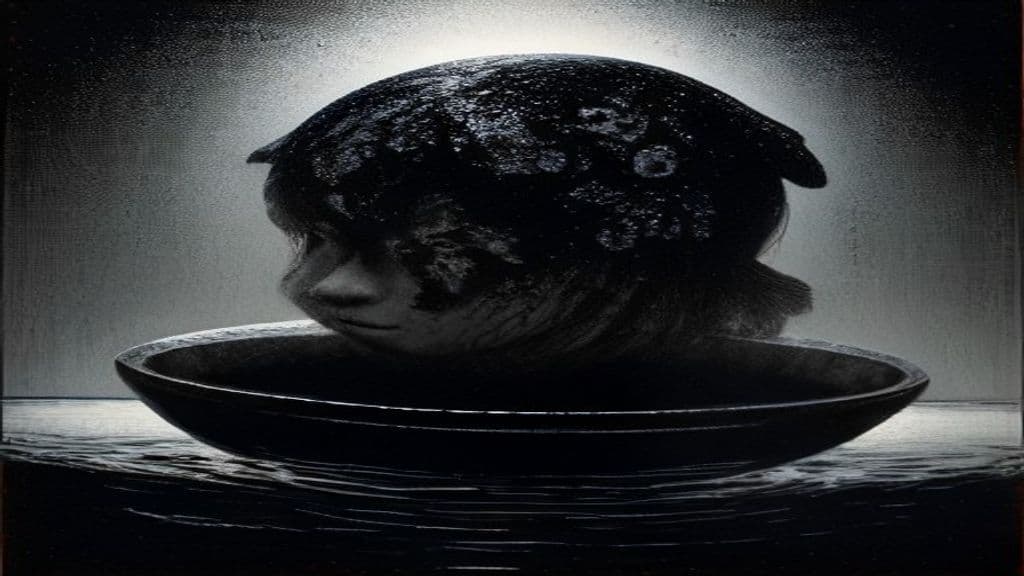
Kappa
A water-dwelling imp of Japanese folklore with a bowl of water on its head. Mischievous but bound by strict codes of politeness; dangerous near rivers.
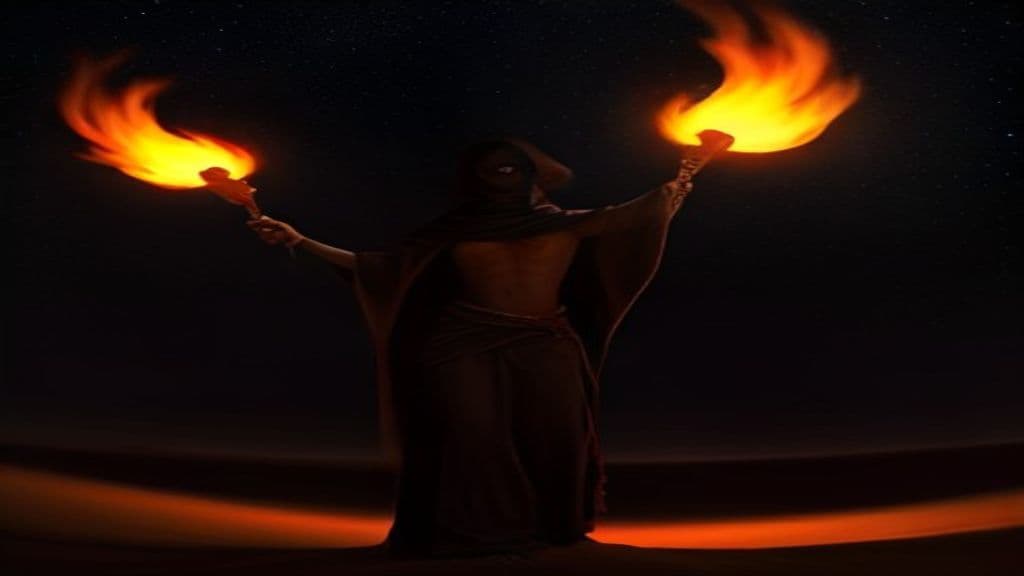
Djinn
The class of supernatural beings created from smokeless fire in Islamic cosmology — a parallel civilization to humanity, capable of belief or unbelief, with their own prophets, society, and judgment before God.
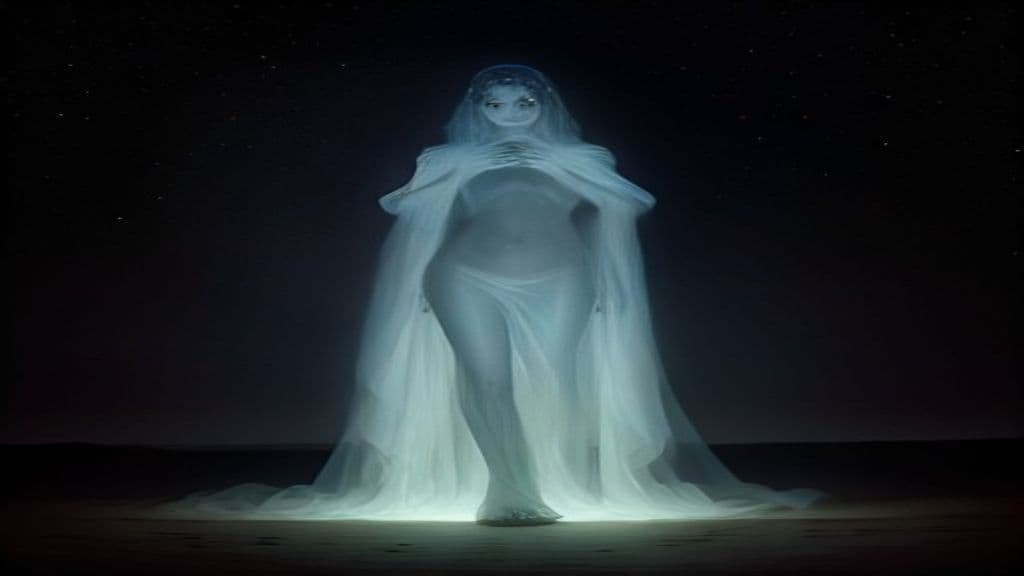
Jann
The weakest class of djinn in Islamic tradition, associated with desert winds and taking the form of snakes or whirlwinds, dwelling in empty wilderness and posing little threat to those who know the proper invocations.
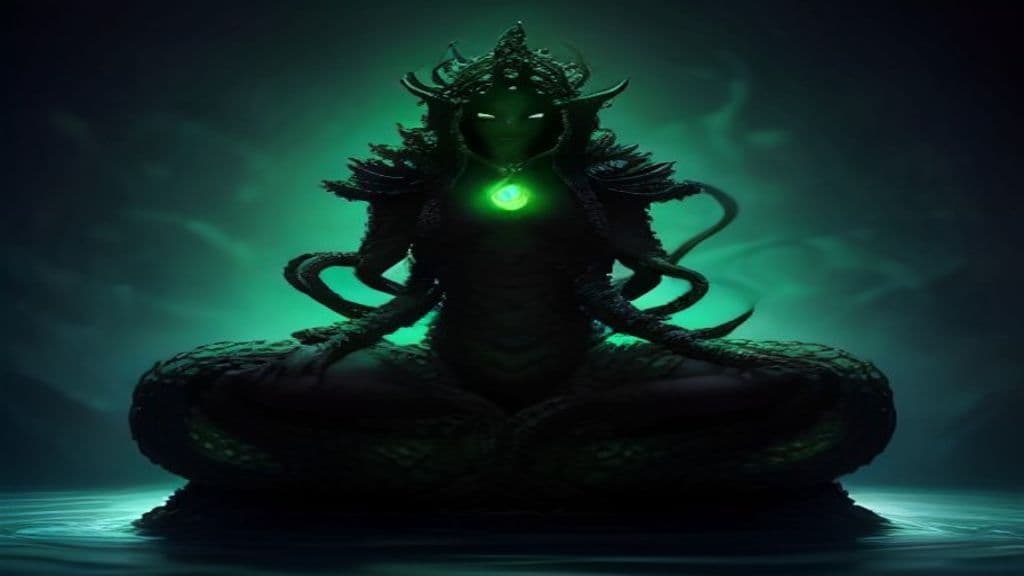
Naga
Divine serpent beings of Hindu, Buddhist, and Jain cosmology — powerful guardians of water, earth, and underground treasures. Revered as deities in South and Southeast Asia.
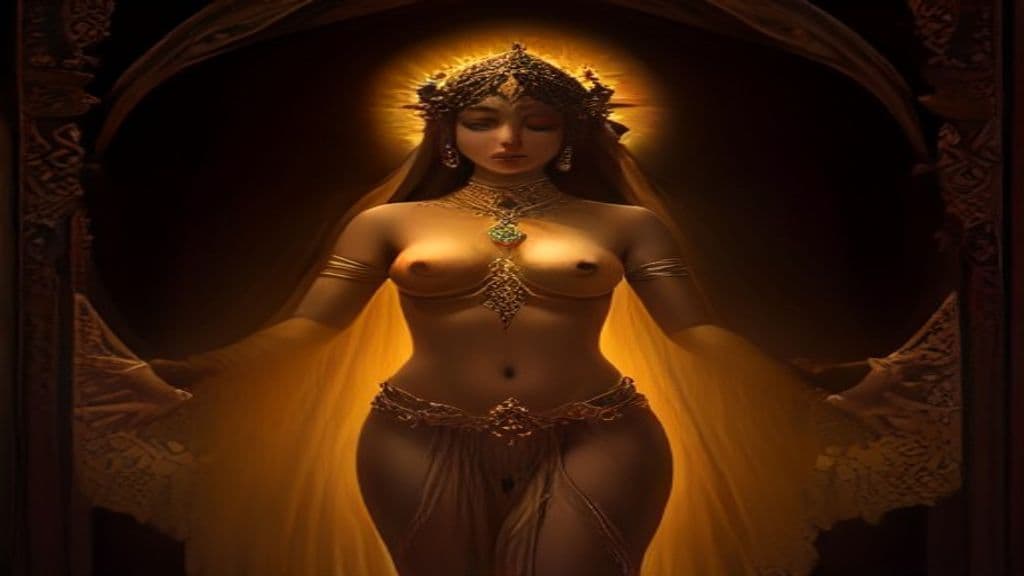
Apsara
Celestial dancers and water nymphs of Hindu cosmology — beautiful semi-divine beings who dance at the court of Indra and, by his command, descend to earth to distract sages from excessive asceticism.

Yaksha
Nature spirits of Hindu, Buddhist, and Jain cosmology — guardians of forests, treasures, and wilderness. Ambivalent beings, capable of great benevolence to the respectful and terrible harm to the greedy.
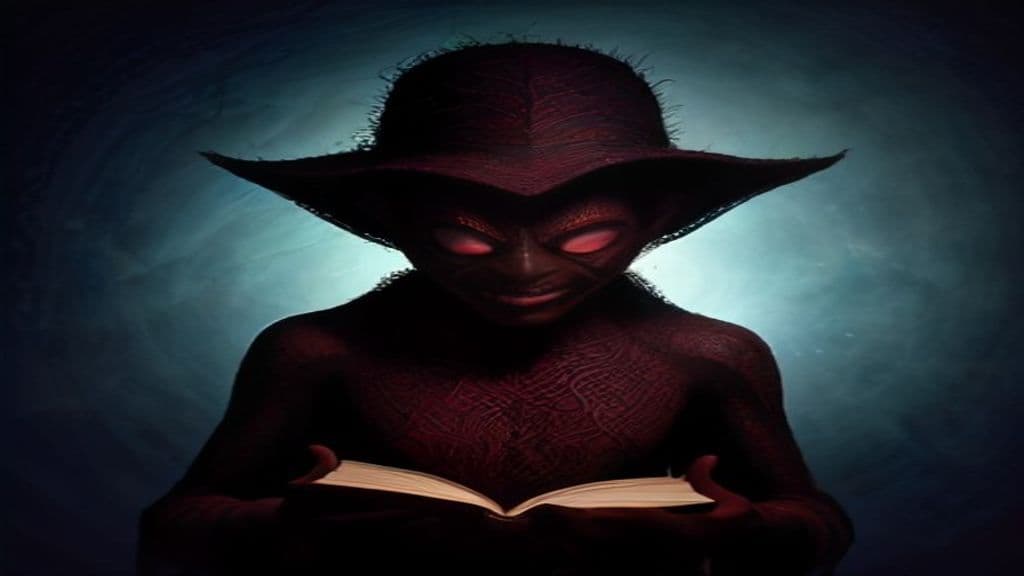
Anansi
The spider trickster god of Akan folklore — cunning, mischievous, and wise. Keeper of stories and teacher of human beings, brought through the slave trade into Caribbean and African-American tradition.
Adekagagwaa
Adekagagwaa is a Haudenosaunee sun deity associated with summer who is described as exercising authority over other weather spirits and participating in an annual cycle of departure and return tied to the seasons.
Alexander the Great (legend)
A pan-cultural legendary hero-king whose historical career was transformed into a body of miraculous and etiological tales (the Alexander Romance). In these traditions he is alternately a divinely sanctioned conqueror, boundary-builder credited with the Gates of Alexander, and a questing culture-hero associated with oracles, votive dedications, and tests of loyalty.
Corn Spirit
A vegetation or field spirit associated with cereal crops (especially maize/corn and grain) that embodies plant fertility, seasonal death-and-rebirth, and the continued productivity of fields. Appears in various forms across Indigenous North American and European peasant traditions and is sustained by ritual housing, vows, and harvest rites.
Gaoh
Gaoh (Ga-oh, Gǎ-oh) is a powerful wind spirit and giant in Haudenosaunee-related mythologies (Haudenosaunee, Wendat, Seneca) who personifies and controls the winds of the four cardinal directions and the seasons. He is depicted as subordinate to a higher divine authority (the Great Spirit or Adekagagwaa) and alternately benevolent and violent, responsible for storms and seasonal change.
Great Spirit
A supreme, often-immanent life force or creator-being present in the traditional spiritual beliefs of many Indigenous peoples of what is today Canada and the United States; concepts and names vary by nation and may refer to a single creator, a pervasive sacred power, or a collective of mysterious sacred forces.
Horned Serpent
A recurring mythic serpent-being attested across multiple cultures, typically depicted as a large horned snake associated with water, storms, fertility/regeneration, and sacred crystalline or iridescent bodily accoutrements that serve as ritual power-objects.
Kokum (Grandmother spirit)
No information about Kokum (a grandmother spirit in Algonquin tradition) is present in the single provided source. The supplied source (a Wikipedia entry for Joshua Whitehead's novel Jonny Appleseed) does not mention Kokum, Algonquin beliefs, or any grandmother spirit, so no factual claims about Kokum can be drawn from it.
Mishipeshu (Underwater Panther)
Mishipeshu, often rendered in English as the Underwater Panther or Great Water Lynx, is a major mythic water-being of the Northeastern Woodlands and Great Lakes region, especially in Anishinaabeg/Ojibwe-related traditions. Described as a hybrid feline–aquatic monster, it personifies powerful and potentially dangerous forces associated with deep lakes and is repeatedly cited in modern summaries as one of the most important regional water spirits.
Misshepeshu (Mishipeshu, Underwater Panther)
Misshepeshu, commonly rendered Mishipeshu and translated into English as the "Underwater Panther," is a named figure in Anishinaabe/Algonquin cultural materials and appears as a powerful water-associated being in broader literature and reference works. The supplied sources identify the term as part of Native American cultural discourse and note its presence in literary contexts, but they do not provide primary ethnographic detail within the provided extracts.
Nanabozho (Nanabush)
Nanabozho (also Nanabush) is a spirit figure in Anishinaabe aadizookaan, foremost among the Ojibwe as a trickster and culture hero who appears in oral narratives including creation stories. The figure functions within storytelling as a foundational and didactic agent rather than a documented historical person.
Pukwudgie
A class of small humanoid 'little people' from Algonquin-language traditions, described as forest-dwelling, ambivalent beings who can help or harm humans; the Ojibwe-derived name and tales entered New England folkloric use via 19th-century publications and later local retellings.
Wendigo
A malevolent spirit or being from Algonquian-language traditions associated with cannibalism, famine, winter, and insatiable greed. Tales describe humans transformed into wendigos or beings that possess humans, serving social and moral functions within affected communities.
Community Record
- [1]Wabanaki. Wikipedia: Wabanakiwiki
- [2]Mi'kmaq - New World Encyclopedia. New World Encyclopedia: Mi'kmaqother
- [3]Abenaki Emergence Myth | Quintessence. Abenaki Emergence Myth (online retelling) — cites First Manitou creating Kloskurbehfolk
- [4]Talking Radical Radio - A voice for Two-Spirit people in Atlantic Canada (archive). Archive broadcast material referencing Wabanaki cultural themesother
- [5]Social Justice and Planting Seeds, by Yvette McDonnell (sermon). Archive sermon noting sending prayers through song to Manitou (source 11)other
- [6]Characteristics of the Native American Creation Myth: Examples and Resources. Educational summary referring to pan-Algonquian creation motifsother
- [7]Indigenous peoples of the Northeastern Woodlands. Wikipedia: Indigenous peoples of the Northeastern Woodlands (context for regional traditions)wiki
- [8]Moccasin Tracks / Abenaki Cultural Regeneration Project (blog). Community material referencing Abenaki cultural teaching and regenerationfolk
- [9]Thought Catalog: 9 Of The Most Terrifying Legends Of Ancient Native American Lore. Popular retellings referencing regional spirits (used cautiously)other
- [10]Glossary of Indian Nations. Reference glossary with regional entriesother