Entity Index

A record of the unseen, drawn from world folklore.

7694 entities · page 65 of 129

Gautama Maharishi
Ancient

Gautama Maharishi

Gautama (Maharṣi Gautama) is a canonical Vedic rishi presented in Hindu, and to some extent Jain and Buddhist, sources as an authoritative seer, teacher, and ritual expert. He is traditionally credited with the authorship/attribution of the Nyāya Sūtras in later philosophical reception and appears as a household sage in narrative cycles (notably the Ahalyā episode).

Gawain
Minor Spirit

Gawain

Gawain is a human heroic figure of the Arthurian legendary cycle: a knight of King Arthur's Round Table, variously portrayed across medieval Welsh, French, Latin, and English traditions as an exemplar of courtesy and loyalty or, in later cycles, as a morally ambiguous or culpable noble. He functions within courtly, kinship, and martial narrative networks rather than as a supernatural spirit.

Gawish / Guwish
Lesser

Gawish / Guwish

No attested information on a supernatural household spirit named Gawish or Guwish appears in the provided source set. The name appears in the sources only as a modern personal name (e.g., Shahinaz Gawish) and not as a documented Coptic household spirit.

Gayomarthians
Minor Spirit

Gayomarthians

A medieval and later Zoroastrian sectarian current (Persian: کیومرثیان, Kayumarthiya) whose distinguishing theological claim is that the adversary Ahriman originates from a doubt or cognitive event within Ahura Mazda (Hormizd), thus making evil derivative rather than an independent, co-eternal principle.

Gazhdaham (Gostaham)
Minor Spirit

Gazhdaham (Gostaham)

Gazhdaham, also rendered Gostaham in some sources, is a human character appearing in the Persian epic the Shāhnāmeh by Ferdowsi. He is presented within the epic’s martial and familial narratives as a mortal figure associated with troops and episodes of reunion, not as a supernatural being.

Gazi Pir
Lesser

Gazi Pir

Gazi Pir is a Bengali Muslim warrior-saint (Ghazi and pir) traditionally dated to the 12th–13th centuries. In the Sundarbans and wider Ganges delta his cult functions as a local protective devotion: he is invoked for safety from tigers and other natural dangers and is depicted in a pictorial narrative known as the Gazi Scroll.

Gaṅgā (Ganges)
Minor Spirit

Gaṅgā (Ganges)

Gaṅgā is the major sacred river of northern India and Bangladesh, treated in the supplied sources primarily as a geographic and cultural entity — one of the mahānadī (great rivers) of the Indic textual tradition and a central feature of South Asian ecology and religion. The provided materials document its course, hydrology, longstanding textual presence (including limited Rigvedic mentions), and modern cultural significance, but do not present detailed mythic personification, ritual prescriptions, or spirit-warding practices.

Geb
Ancient

Geb

Geb (Egyptian gbb/Gebeb) is the ancient Egyptian personification of the Earth and a member of the Heliopolitan Ennead. He functions as the fertile, chthonic ground that produces crops and snakes, an early divine king who later judges in the divine tribunal, and the husband of the sky goddess Nut.

Gede (Ghede)
Greater

Gede (Ghede)

The Gede are a family of lwa in Haitian Vodou associated with death, ancestors, fertility, and the boundary between life and death. They function as psychopomps and graveyard guardians, appear in public ritual through distinctive drums, dance (banda), and possession, and are honored each year at Fèt Gede around All Souls' Day.

Gef (the Talking Mongoose)
Lesser

Gef (the Talking Mongoose)

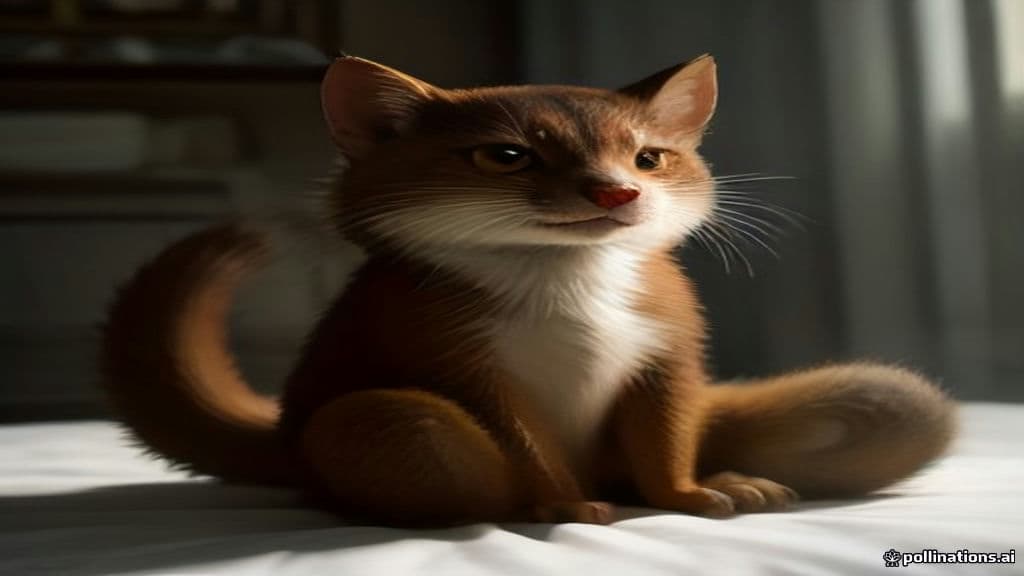
Gef is a reported talking animal-like intelligence tied to the Irving family farmhouse at Cashen's Gap, Dalby, Isle of Man in the early 1930s. Described by the family as a small yellowish, bushy‑tailed creature that spoke and performed minor household tasks, the case attracted press sensationalism and psychical researchers and remains contested between hoax, poltergeist, and psychological interpretations.

Gefjon
Greater

Gefjon

Gefjon is an Old Norse goddess (ásynja) attested in Snorri's Prose Edda, Heimskringla and the Poetic Edda (Lokasenna). She is best known for a ploughing myth that creates the Danish island Zealand and for a prose statement that she is a virgin who receives those who die virgins; Lokasenna also depicts Odin defending her by saying she knows mankind's destinies as well as he does.

Gefjun
Lesser

Gefjun

Gefjun is a named goddess in Old Norse myth attested in the Poetic Edda, the Prose Edda, Heimskringla, and skaldic poetry; she is associated with ploughing and an origin-myth for the Danish island of Zealand, with certain legendary kings, with virginity, and with foreknowledge in the surviving medieval sources.

Gegant Gerió
Minor Spirit

Gegant Gerió

Gegant Gerió is a named processional giant (gegant) associated with Girona. The figure is a civic/ritual effigy used in public processions and ceremonies rather than an independent supernatural being.

Gegant Negre (Cervera)
Lesser

Gegant Negre (Cervera)

The name "Gegant Negre (Cervera)" combines Catalan elements meaning "Black Giant" and a toponym (Cervera), but the supplied sources do not document a coherent traditional supernatural being by that exact name. Available evidence shows the "gegant" motif appearing in contemporary Catalan-language literary and science‑fiction texts as a poetic or apocalyptic image rather than as an ethnographic, ritualized entity tied to Cervera.

Geganta Sagrerina
Lesser

Geganta Sagrerina

The Geganta Sagrerina is a processional giant (geganta) associated with the la Sagrera neighborhood of Barcelona. The available source identifies it as a civic/folkloric effigy used in public processions rather than a supernatural being.

Gegantona Laia
Lesser

Gegantona Laia

Gegantona Laia is a large female festival figure (a gegantona) used in Barcelona's civic street celebrations, especially the Festes de Santa Eulàlia. She functions as a municipal parade effigy and emblem of communal identity, exhibited on the Ajuntament de Barcelona patio and paraded in Plaça de Sant Jaume during the festival.

Gegantons Xavier i Laia Cartulinus
Minor Spirit

Gegantons Xavier i Laia Cartulinus

A named pair of processional giants (gegantons) associated with the municipality of Arenys de Mar. They are civic, performative figures used in local processions and popular festivities rather than supernatural beings.

Gegantons de Cervera
Minor Spirit

Gegantons de Cervera

The Gegantons de Cervera are processional giants (gegantons) associated with the town of Cervera in Catalonia. They function as civic, performative effigies carried in public processions and festivals rather than as autonomous supernatural beings.

Gegants (Mataró)
Minor Spirit

Gegants (Mataró)

Gegants in Mataró are large festival effigies used in the city’s principal civic celebration, Les Santes (25–29 July). They function as performative, processional figures that arrive in public squares such as plaça Santa Maria and participate in the programmed festivities alongside music, comedy, fireworks and correfocs.

Gegants Elm i Carmeta
Minor Spirit

Gegants Elm i Carmeta

Gegants Elm i Carmeta are a pair of processional giants (gegants) used in public processions in Arenys de Mar. They function as large anthropomorphic effigies carried in civic festivals and represent performative, communal identity rather than supernatural beings.

Gegants Fantasmes
Lesser

Gegants Fantasmes

A Catalan-language phrase that functions both as a label for processional giants (gegants) associated with Ververa and as a metaphor in contemporary cultural and political discourse combining the ideas of monumental power (giants) and recurring anxieties or spectres (fantasmes). It is not documented in the supplied sources as a discrete folkloric spirit with myths or rituals.

Gegants Roc i Maria
Minor Spirit

Gegants Roc i Maria

Gegants Roc i Maria are a pair of Catalan procession giants (gegants) — large wearable figures animated by people during municipal festivals and saint’s day processions. They are civic/festival artifacts associated in the sources with Catalan towns (Wikidata links Roc i Maria to Arenys de Mar) and with festa major traditions such as the Sant Roc celebrations.

Gegants Vells de la Casa de Caritat
Lesser

Gegants Vells de la Casa de Caritat

A pair (or set) of traditional Catalan 'gegants' (giant festival effigies) associated with the Casa de Caritat institution in Barcelona, presented and animated as part of the city's Carnival processions and civic festivities.

Gegants d'Olot
Minor Spirit

Gegants d'Olot

Gegants d'Olot are large anthropomorphic processional giants used in public festivals and processions in the town of Olot, Catalonia. They function as civic/festival effigies within Catalan popular tradition rather than as supernatural beings.

Gegants de Calonge
Minor Spirit

Gegants de Calonge

Gegants de Calonge are processional giants — large anthropomorphic effigies — associated with the town of Calonge and used in public processions and festivals. The figures function as ceremonial objects/personifications representing characters or local identity rather than as autonomous supernatural beings.

Gegants de Calvià
Minor Spirit

Gegants de Calvià

The Gegants de Calvià are processional giant figures used in public festivals in the municipality of Calvià, Mallorca. They function as civic festival participants and crowd attractions within Mallorcan popular celebrations rather than as supernatural beings.

Gegants de Cassà de la Selva
Minor Spirit

Gegants de Cassà de la Selva

Processional giant effigies belonging to the town of Cassà de la Selva in Catalonia, used in public processions and local festivities as civic and performative symbols of community identity.

Gegants de Castellfollit de la Roca
Minor Spirit

Gegants de Castellfollit de la Roca

Processional giants from the municipality of Castellfollit de la Roca in La Garrotxa, Catalonia. They are large anthropomorphic parade effigies used in local festivals and civic processions and are treated as cultural heritage objects rather than supernatural beings in the provided sources.

Gegants de Ferreries
Lesser

Gegants de Ferreries

Gegants de Ferreries are large human-shaped processional effigies associated with the town of Ferreries. They function as civic festival figures carried in public processions and pageants rather than as autonomous supernatural beings.

Gegants de Guixers
Minor Spirit

Gegants de Guixers

Gegants de Guixers are processional giants (large human-form effigies) associated with the municipality of Guixers in Catalonia. They function as festival artifacts that appear in public processions and civic celebrations; available sources treat them as cultural objects rather than supernatural beings.

Gegants de Llucmaçanes
Minor Spirit

Gegants de Llucmaçanes

Processional giants from the Llucmaçanes quarter of Maó (Mahón) on Menorca. They are civic festival effigies used as ritual actors in public processions rather than autonomous supernatural beings.

Gegants de Manacor
Minor Spirit

Gegants de Manacor

The Gegants de Manacor are large processional figures — 'giants' — used as parade effigies in public festivals in Manacor (Majorca, Balearic Islands). They function as ceremonial, performative embodiments within the town's festival dramaturgy, appearing alongside other ritual performers such as the Cossiers, demons, and the Drac de na Coca.

Gegants de Nou Barris
Minor Spirit

Gegants de Nou Barris

A phrase referring to 'gegants' (Catalan parade giants) associated by name with Nou Barris, a district of Barcelona. The supplied sources do not provide a detailed description of these specific figures; available material only permits cautious contextualization within Barcelona's festival culture.

Gegants de Parets del Vallès
Minor Spirit

Gegants de Parets del Vallès

Gegants de Parets del Vallès are processional giant figures associated with the town of Parets del Vallès. They are civic ceremonial effigies used in public processions and festivals rather than described as supernatural beings in the available source.

Gegants de Premià de Mar
Minor Spirit

Gegants de Premià de Mar

The Gegants de Premià de Mar are a set of processional giants—large human‑form effigies—associated with the town of Premià de Mar in Catalonia. Sources present them as cultural, civic festival figures used in public processions rather than as supernatural beings.

Gegants de Sant Andreu
Minor Spirit

Gegants de Sant Andreu

A presumed local set of 'gegants' (large parade effigies) associated by context with the Festa Major of the Sant Andreu de Palomar neighbourhood in Barcelona. The supplied sources document Sant Andreu's Festa Major and Barcelona's broader festival traditions but contain no direct, specific information about a distinct troupe, history, appearance, or rituals for 'Gegants de Sant Andreu.'

Gegants de Sant Feliu de Pallerols
Minor Spirit

Gegants de Sant Feliu de Pallerols

Processional giants (gegants) belonging to the town of Sant Feliu de Pallerols in La Garrotxa, Catalonia. They are civic festival effigies used in local festa major processions and public spectacle rather than supernatural beings.

Gegants de Sant Jaume
Minor Spirit

Gegants de Sant Jaume

Gegants de Sant Jaume are large constructed festival figures (gegants) associated with civic celebrations for Sant Jaume (Saint James) and related municipal festivities in Catalonia and the Balearic Islands. The sources describe them as parade and meeting participants in events such as the Festes de Sant Jaume and organized gatherings in Barcelona rather than as supernatural beings.

Gegants de Sant Llorenç d'Hortons
Lesser

Gegants de Sant Llorenç d'Hortons

Processional giants (gegants) from the municipality of Sant Llorenç d'Hortons. They are large anthropomorphic figures used in civic processions and public celebrations rather than autonomous supernatural beings.

Gegants de Sant Sadurní d'Anoia
Minor Spirit

Gegants de Sant Sadurní d'Anoia

Gegants de Sant Sadurní d'Anoia are processional giants associated with the town of Sant Sadurní d'Anoia in Catalonia. The available sources classify them as part of the Catalan tradition of gegants (processional giants) and identify their place-association but provide no further descriptive or ritual detail.

Gegants de Santa Eugènia de Ter
Minor Spirit

Gegants de Santa Eugènia de Ter

The Gegants de Santa Eugènia de Ter are processional giants — large civic effigies used in public processions and festivals in Santa Eugènia de Ter (Girona). Available sources identify them as part of the Catalan tradition of gegants but provide only minimal descriptive or historical detail.

Gegants de Sants
Minor Spirit

Gegants de Sants

Gegants de Sants refers to the tradition of large parade effigies (gegants) appearing in Catalan neighbourhood festival culture, especially in Barcelona's festa major context such as the Sants neighbourhood; they are civic, performative figures rather than supernatural beings.

Gegants de Sitges
Minor Spirit

Gegants de Sitges

Gegants de Sitges are large processional figures employed in Sitges' civic festival life, notably within the town's Festa Major; they function as symbolic, ceremonial effigies rather than supernatural beings and participate in public processions, choreography, and spectacles.

Gegants de Torrelles de Foix
Minor Spirit

Gegants de Torrelles de Foix

Gegants de Torrelles de Foix are processional giants — large anthropomorphic effigies — associated with the town of Torrelles de Foix in Catalonia. Sources identify them as crafted, parade-used figures tied to civic and festive performance rather than autonomous supernatural beings; documentation available in the supplied notes is minimal.

Gegants de Viserta
Minor Spirit

Gegants de Viserta

Gegants de Viserta are processional giants (large human-made effigies) associated with Monistrol de Montserrat in Catalonia. They belong to the Catalan tradition of gegants and function as civic ritual figures carried in public festival processions rather than as supernatural beings.

Gegants de l'Esquerra del Ter
Lesser

Gegants de l'Esquerra del Ter

A set of processional giants (gegants) associated with Girona and the Ter river region, used as large effigies in public processions and local festivals. The term denotes material, performative figures rather than supernatural beings.

Gegants de la Barceloneta
Lesser

Gegants de la Barceloneta

No information about a folkloric or ceremonial entity called "Gegants de la Barceloneta" is present in the supplied source. The only provided source discusses the Algherese (Alguerese) dialect of Catalan and does not describe the Barcelona "gegants" tradition or any specific figures from La Barceloneta.

Gegants de la Ciutat
Lesser

Gegants de la Ciutat

Gegants de la Ciutat refers to the gegants i gegantes (giants and giantesses) appearing as large ceremonial parade figures in La Patum de Berga, a Corpus Christi festival with documentary roots cited to the 14th century. The term in the provided sources designates festival effigies or costumed figures that take part in public performances and processions in the streets and small squares of Berga.

Gegants de la Plaça Nova
Lesser

Gegants de la Plaça Nova

Gegants de la Plaça Nova refers to the tradition of civic festival giants (gegants) associated with Catalan popular celebrations; the provided source places related festival practices within the broader context of Catalonia's observances such as Saint George's Day but does not give specific details about these particular giants.

Gegants de la Sagrada Família
Lesser

Gegants de la Sagrada Família

Gegants de la Sagrada Família are a set of traditional Catalan festival giants (gegants) associated with the Sagrada Família neighbourhood in Barcelona. They function as civic/folk parade figures used in popular celebrations, part of the broader Catalan tradition of giant puppets appearing in festivals and public events.

Gegants de les Cabanyes
Minor Spirit

Gegants de les Cabanyes

Gegants de les Cabanyes are processional giant effigies associated with the locality Les Cabanyes in Catalonia. They belong to the Catalan tradition of gegants—large humanlike figures used as civic and festival effigies in public processions—rather than being described as supernatural beings.

Gegants del Casc Antic
Lesser

Gegants del Casc Antic

Gegants del Casc Antic are the neighborhood 'gegants' (festival giants) paraded during the festa major of Barcelona's Casc Antic (Ciutat Vella). They are civic, performative figures used in street celebrations that embody local identity for the barrios of Sant Pere, Santa Caterina and La Ribera (El Born).

Gegants del Pi
Lesser

Gegants del Pi

The corpus supplied does not document a supernatural being named 'Gegants del Pi.' The materials instead refer to two cultural referents: the Pi de les tres branques, a named dead pine tree near Berga with political-cultural significance, and the Catalan festival tradition of gegants (large processional figures). No source in the set ties these into a single mythic entity.

Gegants del Raval
Minor Spirit

Gegants del Raval

Processional giants associated with El Raval neighbourhood in Barcelona; civic festival effigies paraded during the Festa Major del Raval and other Barcelona street festivals. Sources treat them as part of popular festa-major culture rather than as supernatural beings.

Gegants del barri de Xauxa d'Igualada
Minor Spirit

Gegants del barri de Xauxa d'Igualada

Processional giants belonging to the Xauxa neighborhood of Igualada. Civic festival effigies used in public processions that serve as markers of local identity and participants in communal celebrations.

Gegants del tricentenari
Minor Spirit

Gegants del tricentenari

The Gegants del tricentenari are processional giants used in public celebrations in Barcelona. They are large anthropomorphic parade figures associated with a tricentenary commemoration and function as civic ceremonial effigies rather than autonomous supernatural beings.

Gegants from Balsareny
Lesser

Gegants from Balsareny

Processional giants belonging to the Catalan tradition of gegants, presented and carried in civic and religious festivals in the town of Balsareny. They function as communal, performative icons within local procession ensembles rather than as supernatural beings.

Gegants from Cardona
Lesser

Gegants from Cardona

No reliable information about 'Gegants from Cardona' was present in the supplied source. The single provided reference (a Wikipedia article about Sant Just Desvern) does not mention these figures; therefore no factual claims about their nature, appearance, or practices can be supported from the given material.

Gegants from Montblanc
Minor Spirit

Gegants from Montblanc

Gegants from Montblanc are large parade effigies (gegants, 'giants' in Catalan) associated with Montblanc and the wider Catalan festival tradition. They function as civic and performative symbols in public celebrations and are not treated as supernatural beings in the provided sources.

Gegants from Ripoll
Lesser

Gegants from Ripoll

Gegants from Ripoll refers to the local manifestation of the Catalan gegants (giants) tradition associated with the town/area of Ripoll in Catalonia. The provided sources are travel and regional descriptions that mention the regional context but do not supply detailed folkloric texts about the Ripoll gegants themselves.