Basque Supernatural Beings

32 documented Basque supernatural beings from the Evil Eye grimoire, including 9 primordial and 8 ancient in power tier.

Aatxe
Greater

Aatxe

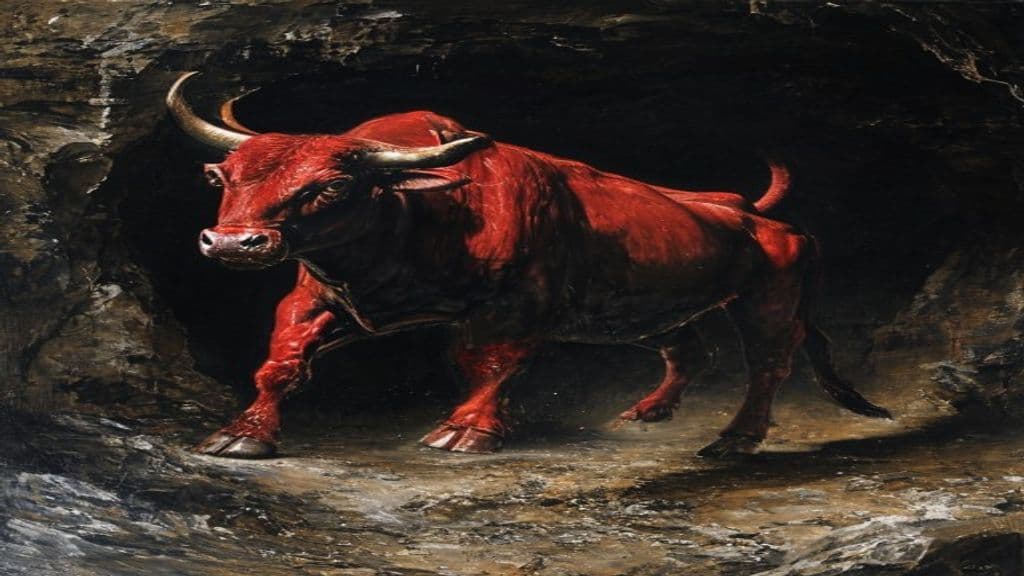
In Basque folk mythology, Aatxe is a spirit that exists alongside humans and other entities, protecting the law-abiding and punishing malevolent individuals. (Note: 1. Power tier: The source material does not explicitly mention Aatxe as a deity-level entity, so Greater is plausible but could be clarified. 2. Abilities: While it's mentioned that Aatxe attacks male)
Akelarre (Basque Witches' Sabbath)
Lesser

Akelarre (Basque Witches' Sabbath)

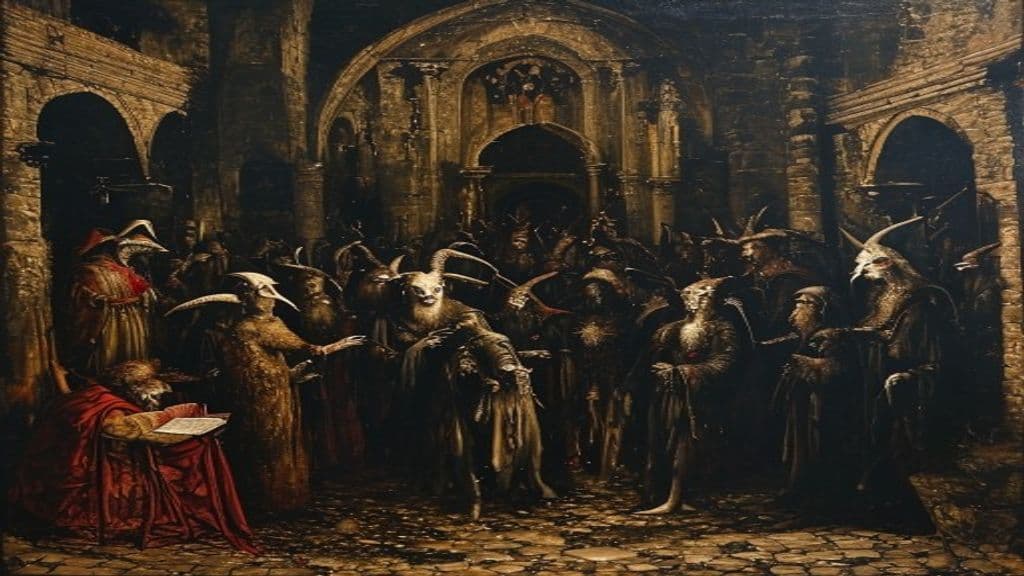
In Basque tradition, Akelarre is a gathering of witches presided over by a goat-like entity. (Note: - Power tier: Primordial (given it's a cosmic event and not a specific entity with supernatural power, but rather an event presided over by another entity) - Summary: In Basque tradition, the Akelarre)

Akerbeltz
Ancient

Akerbeltz

Malevolent Basque spirit associated with sexual abuses and seductive powers, likely tied to the natural environment. (Note: - Power tier: Greater (Akerbeltz's abilities are more regional in scope and do not match the description of an Ancient entity) - Abilities: While source material mentions "sexual abuses" and "seductiv)

Arquetu
Lesser

Arquetu

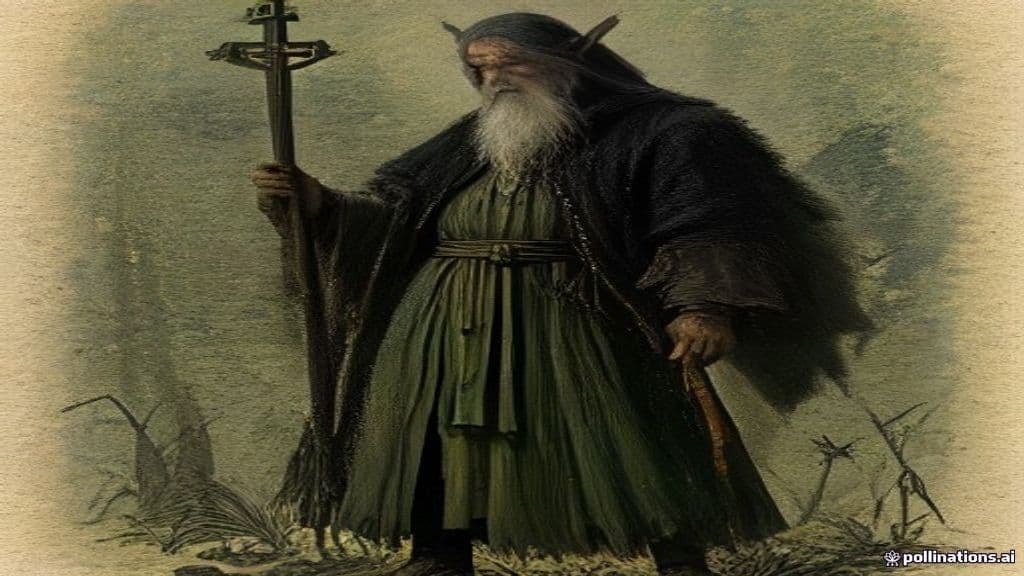
A Cantabrian popular-belief figure depicted as an old man marked with a green cross and seven keys on his forehead who intervenes in human economic affairs by lending money to prodigals and punishing repeat wastefulness with a curse of eternal poverty.

Artahe
Ancient

Artahe

Tutelary deity of Southern Gaul and Aquitania, providing protection and care to her associated group or place. (Note: - Power tier: Lower than Ancient (consider Greater, as she's a regional deity) - Sensory cues and weaknesses and wards are missing; add relevant information from source material - Abilities should inc)

Baian
Greater

Baian

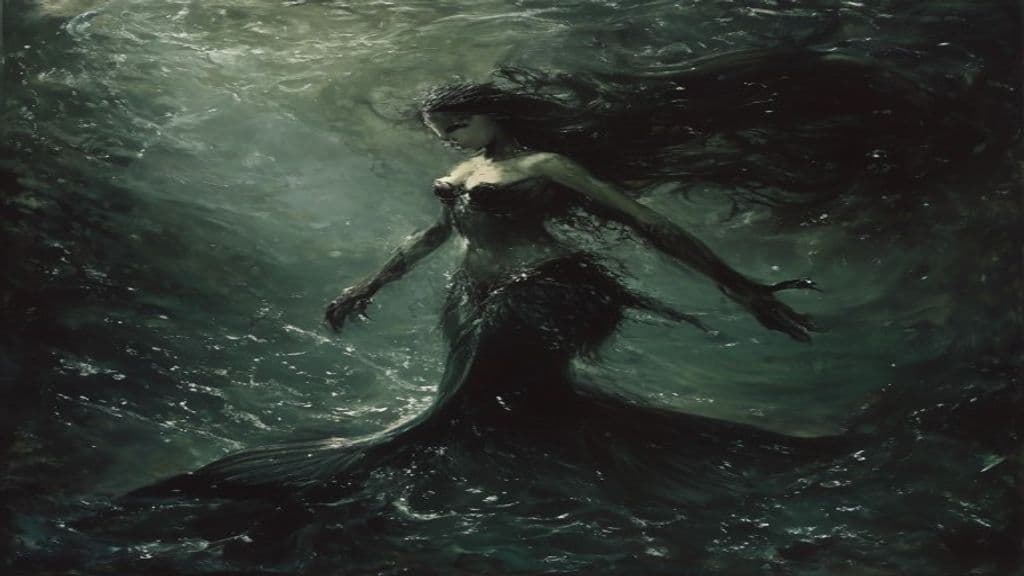
A semi-divine water spirit or mermaid-like creature in Basque mythology, associated with fertility and aquatic phenomena. (Note: Power tier should be "Lesser" or possibly "Primordial", as the entity is described as semi-divine and associated with fertility and aquatic phenomena. Summary needs more detail, e.g., "Semi-divine wat)

Basajaun
Ancient

Basajaun

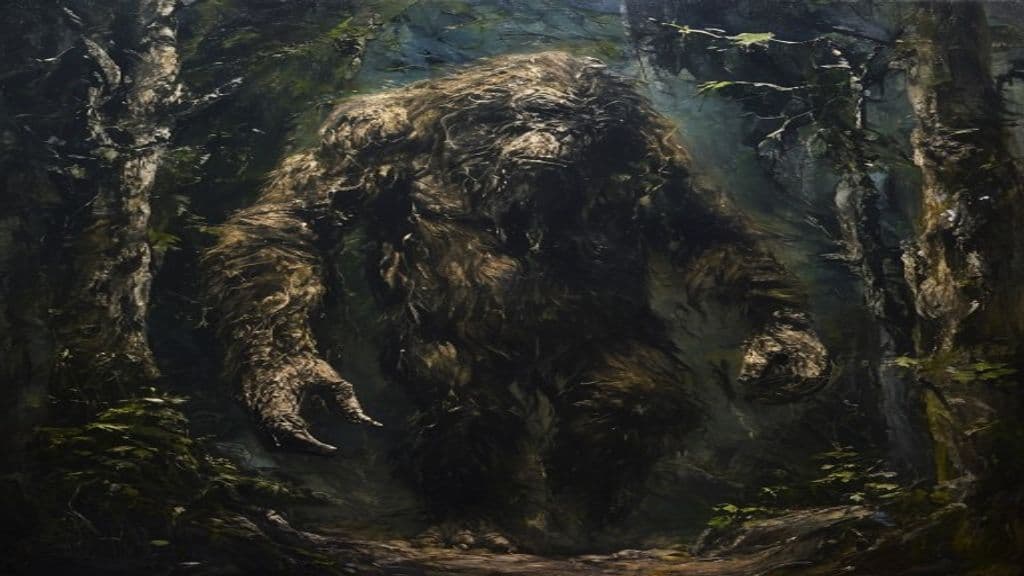
A huge, hairy hominid in Basque mythology that protects flocks and teaches humans skills. (Note: * Power tier: should be "Greater" instead of "Ancient", as Basajaun's abilities suggest regional power but not deity-level. * Origin story: it is actually mentioned in the source that the origin story)

Basque Primordial Entity
Primordial

Basque Primordial Entity

Very little is known about Basque mythology due to the lack of surviving texts from the pre-Christian worldview. (Note: 1. Summary: Add that most knowledge comes from indirect sources such as legends and place names. 2. Power tier: Remove or change Primordial, as there is no information about its abilities or powers. 3)

Eacus (God)
Primordial

Eacus (God)

Weather god associated with forces of nature in Basque tradition. (Note: * Power tier should be Ancient, not Primordial, as Eacus is described as a specific god associated with a particular region (Iberian Spain) rather than a cosmic entity. * The article should indicate t)

Eate, Storm God in Basque Tradition
Greater

Eate, Storm God in Basque Tradition

Eate is a storm god worshipped by the ancient Basques, associated with powerful weather events and control over fire and ice. (Note: - Power tier should be Ancient, as the source describes Eate as a "storm god", implying a more deity-level power. - Abilities: add "possibly" is unnecessary; rephrase to make it clear that control ove)

Eguzki Amandrea (Sun Mother)
Greater

Eguzki Amandrea (Sun Mother)

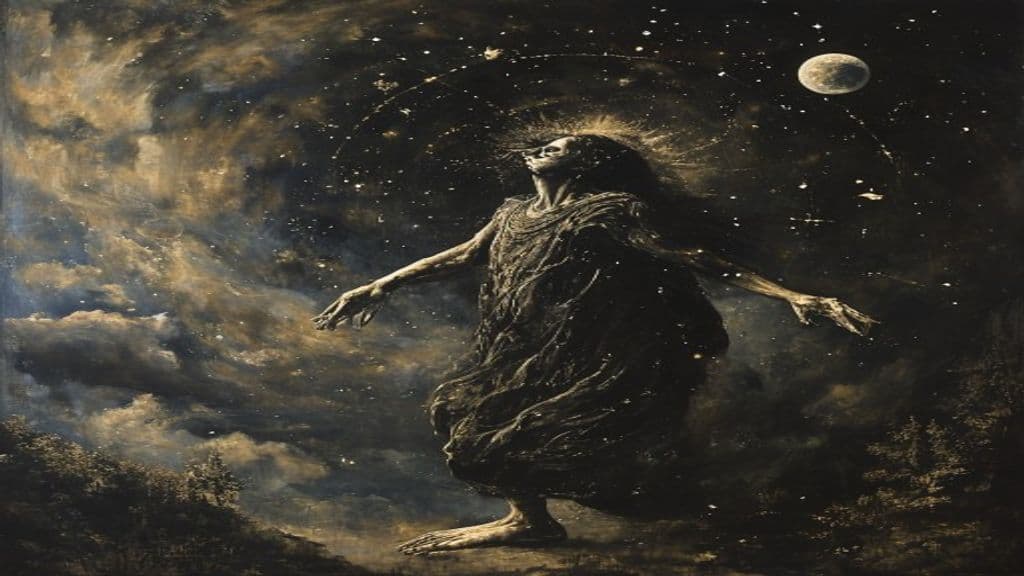
Eguzki Amandrea is the Basque personification of the sun, presented in the cited corpus as a female, familial cosmic figure associated with warmth, growth, and the visible life of the world. Sources frame the sun as an animate, gendered celestial body embedded in a kinship-like cosmology with Earth and the Moon.

Gaizkiñ (Basque Tradition)
Primordial

Gaizkiñ (Basque Tradition)

In Basque mythology, Gaizkiñ is a malevolent entity believed to cause diseases and harm humans physically. (Note: * Power tier: Primordial seems too high given the limited scope of abilities (causing diseases and physical harm). A Greater power tier might be more fitting. * No sensory cues or weaknesses mentioned)

Galtxagorri (Galtzagorris)
Minor Spirit

Galtxagorri (Galtzagorris)

Galtxagorri (also spelled Galtzagorris in the cited tourism material) are described in the supplied source as tiny elfin beings from Basque mythology who are presented in a local Zarautz tourism experience where they are hidden around the town's historic monuments for families to find.

Gaueko
Primordial

Gaueko

The spirit of the night, governing human activity and regulating nocturnal behavior in Basque mythology. (Note: 1. Power tier: Lower to Greater (Gaueko's abilities don't quite match Primordial-level powers, but his influence on nocturnal behavior and punishment suggest he's at least more powerful than a Lesser )

Herensuge
Primordial

Herensuge

A mythical dragon in Basque mythology with seven heads and serpent-like appearance. (Note: - Remove "Primordial" as Power tier and replace with Lesser or Greater depending on further research (no specific mention of its powers in source material). - Add information about sensory cues, weakn)

Intxixu (Intxisua)
Lesser

Intxixu (Intxisua)

A class of small mischievous beings in Basque folklore described in available sources as 'little creatures that make mischief' that can both help people and cause problems. Mentioned in modern English-language summaries of Basque mythology as part of a variety of such creatures.

Iratxoak
Ancient

Iratxoak

In Basque mythology, benevolent imps that assist with farm labor at night if treated kindly. (Note: - Power tier: Lesser (not Ancient), as Iratxoak assist with farm labor, but do not seem to have cosmic or deity-level abilities. - Appearance: The article contradicts itself by stating that the appear)

Jaun Zuria
Ancient

Jaun Zuria

Basque mythical figure, founder of the Lordship of Biscay with martial and territorial abilities. (Note: 1. Power tier: Greater (not Ancient) as Jaun Zuria's abilities are described as defeating regional invaders, not cosmic-level events. 2. Abilities: Clarify that his martial abilities are specifically )

Jentil
Primordial

Jentil

In Basque mythology, the Jentil are a race of giants associated with pre-Christian civilizations and megalithic monument builders. (Note: - Power tier should be Primordial because the text suggests they are associated with pre-Christian civilizations and megalithic monument builders, but doesn't imply cosmic powers. - Summary should cla)

Jentilak (the Jentil / Gentiles)
Ancient

Jentilak (the Jentil / Gentiles)

Jentilak are a Basque folkloric race of enormous, hill‑dwelling humanoids traditionally credited with shaping the landscape and building megalithic monuments. Conceptually they are framed as pre‑Christian or 'gentile' ancestors whose disappearance is associated in folklore with the spread of Christianity.

Lamia (Basque mythology)
Primordial

Lamia (Basque mythology)

In Basque mythology, the Lamia is a siren-like creature associated with rivers and seduction. (Note: - Power tier should be adjusted to Ancient (deity-level) or Greater (powerful regional), as there is no indication that Lamia has cosmic powers. - No information on wards, weaknesses, or sensory cues )

Lete
Lesser

Lete

Lete is not attested in the provided sources as a supernatural being. The attested uses of the form 'Lete' are lexical and onomastic: a Basque toponym and surname, an ancient city (Lete in Mygdonia), a modern village in Nepal, an entry-word in the constructed language Toki Pona meaning 'cold' (with an associated glyph), an esoteric programming language (esolang) called Lete, an ICAO airport code (LETE for Morante Airfield), and a proper name applied to an exoplanet. No sources in the consulted corpus describe Lete as a spirit, demon, deity, or monster.

Mairu (Basque water spirits)
Greater

Mairu (Basque water spirits)

In Basque mythology, Mairu are a type of water spirit associated with the natural environment and regional folklore. (Note: * Power tier should be Lesser (as they are regional spirits associated with specific areas) * Appearance and Abilities sections need to be filled in based on more detailed source material * Weaknesses)

Mikelats
Lesser

Mikelats

Mikelats (also spelled Mikelatz / Mikelat) is a figure in Basque mythic narratives, typically presented as one of two brothers born to the goddess Mari in some tellings and taught by a cave‑dwelling teacher named Etsai; in modern retellings he is characterized as the 'profane' counterpart to the 'sacred' Atarrabi and his name is used locally as that of a festival giant (erraldoi) in Mendillorri.

Odei (Basque mythology)
Greater

Odei (Basque mythology)

A Greater supernatural entity associated with thunderstorms, personifying storm clouds in Basque mythology. (Note: - The origin story summary should specify that it's the personification of storm clouds, not just associated with them. - Power tier: There is no clear indication in the source material that Odei's ab)

Orko (Basque Thunder God)
Ancient

Orko (Basque Thunder God)

Deity associated with thunder and the forces of nature in ancient Basque mythology. (Note: * Power tier: Greater (not Ancient), as there's no indication of deity-level powers. * Abilities: Specify exactly what abilities related to weather control are associated with Orko, instead of making )

San Martin Txiki
Greater

San Martin Txiki

A trickster figure from Basque mythology with a strong connection to the natural world, particularly agriculture. (Note: - Power tier should be Ancient (deity-level), as San Martin Txiki is a trickster figure who stole secrets from deities and is described as inventing new tools. - Sensory cues are not mentioned in the )

Sorginak (Basque mythology)
Ancient

Sorginak (Basque mythology)

In Basque mythology, the Sorginak are assistants to the goddess Mari, having a sacred or spiritual role within the culture's cosmology. (Note: - Summary: Inaccurate. The summary should mention that Sorginak are associated with witches, priests, and priestesses as well as assistants to the goddess Mari. - Power tier: Unclear from source mater)

Sugaar
Primordial

Sugaar

A male deity associated with storms and thunder in pre-Christian Basque mythology. (Note: 1. Power tier: Lower power_tier (e.g., Ancient or Greater) as Primordial implies a level of cosmic influence not described in the source. 2. Summary should be revised to indicate Sugaar is associated )

Tartalo
Lesser

Tartalo

A one-eyed giant from Basque mythology, known for enormous strength and hunting habits. (Note: - Power tier: Primordial (due to similarity with a Greek mythological figure, suggesting a more cosmic or archetypal power level) - Abilities: Expand on eating habits, specifically mentioning the cons)

Tubal
Primordial

Tubal

Patriarchal ancestral figure in Basque tradition associated with Caucasian Iberia, son of Noah, and considered a cosmic ancestor. (Note: - Power tier should be Ancient, not Primordial, as Tubal is a deity-level figure in biblical tradition. - Abilities section should be removed or rephrased, as there is no information about Tubal's abi)

Urtzi (Basque Tradition)
Greater

Urtzi (Basque Tradition)

A pre-Christian sky deity or concept associated with the celestial realm in Basque tradition. (Note: 1. Power tier: Primordial (since it's a "pre-Christian sky deity" and likely on a cosmic level) 2. Abilities: Should be left as "Unknown" since no abilities are mentioned in the source 3. Sensory cues)