
Lesser
Abzar İyesi
A Turkic iyesi (possessive/guardian spirit) of the courtyard, outbuildings, and farmstead grounds; ambivalent in nature, it protects its domain but may harm livestock and cause mischief, often appearing in animal forms.
36 documented Central Asian supernatural beings from the Evil Eye grimoire, including 17 lesser and 10 ancient in power tier.
A Turkic iyesi (possessive/guardian spirit) of the courtyard, outbuildings, and farmstead grounds; ambivalent in nature, it protects its domain but may harm livestock and cause mischief, often appearing in animal forms.
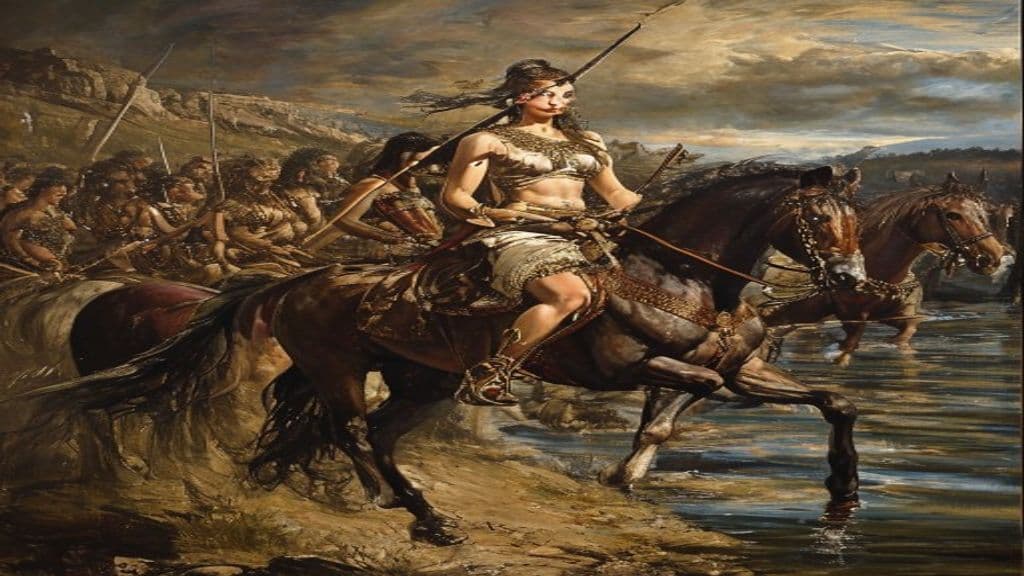
A society of women-warriors in ancient Greek myth and legend, depicted as skilled horsemen and archers who inhabit the periphery of the Greek world and act as recurring opponents and counterparts to Greek heroes. Treated by ancient authors as a past people and by modern scholars as a mythic construct possibly inspired by Eurasian female warrior burials.
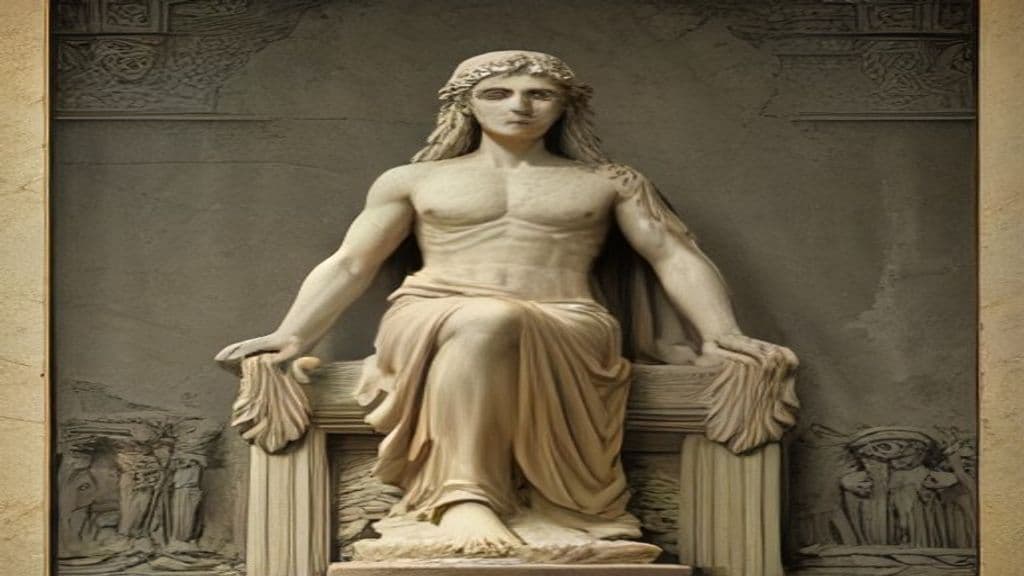
Antimachus is attested in the provided sources primarily as a classical Greek personal name borne by historical figures (notably Antimachus of Colophon, a poet and grammarian ca. 400 BC, and Antimachus I Theos, a Greco-Bactrian king). The name is also reused in modern contexts (a Wikidata taxon entry and small-press fictional/divinatory pages). The sources do not present Antimachus as a supernatural or folkloric entity.
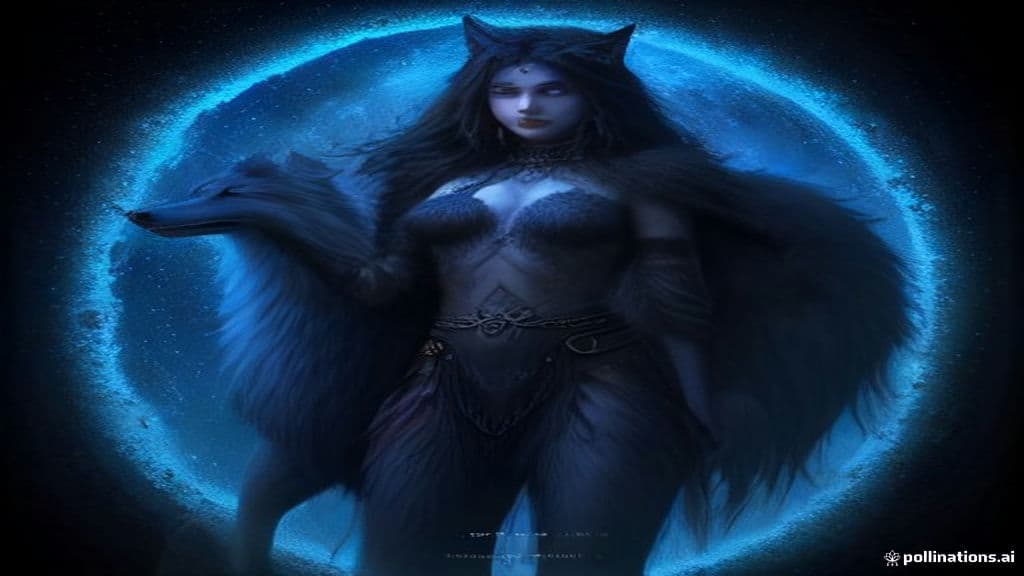
Asena is a mythic she-wolf who functions as the ancestress in the Göktürk foundation myth; she rescues an injured child after a battle, becomes pregnant by him according to the legend, flees across the Western Sea to a cave near the Qocho mountains, and gives birth to progenitors of the Ashina clan. The figure legitimizes the ruling lineage of early Turkic polities and has been revalorized in modern Turkish nationalist symbolism under the related label Bozkurt ('gray wolf').

Ashina Buzhen (Chinese: 阿史那步真) was a 7th-century member of the Ashina ruling house of the Western Turks who acted as a military and political claimant to khaganate authority on the Tang frontier. Recorded in Tang-era sources and modern summaries, he engaged in inter-elite rivalry, participated in Tang military campaigns, received an imperial-bestowed khagan title from Emperor Gaozong, and died in 667.

Ashina Shibobi (c. 603–631), regnal name Tolis (Töles) Khagan, was a member of the Ashina clan who served as a lesser khagan and military leader of the eastern wing of the Eastern Turkic Khaganate in the early 7th century CE. He held offices such as Nipu shad and Tolis khagan, participated in raids against Tang China, suffered internal punishment after military setbacks, and ultimately submitted to Emperor Taizong of Tang in 629.

Ay Ata (Ay Dede) is the personified Moon in Turkic myth and traditional Tengrism, commonly glossed as 'Moon Father.' He is paired with the sun-being (Gun Ana / Kün Ana) in a layered sky cosmology and figures in folk tales, epic traditions, and shamanic prayer contexts.

Ayaz Ata is identified in the provided source as a winter-associated figure originating from Tengrism and also as a fictional tale character who serves as the Turkic counterpart to Santa Claus and Ded Moroz. The single source presents both a religious origin (Tengrist) and a later folkloric/seasonal role without further detail.
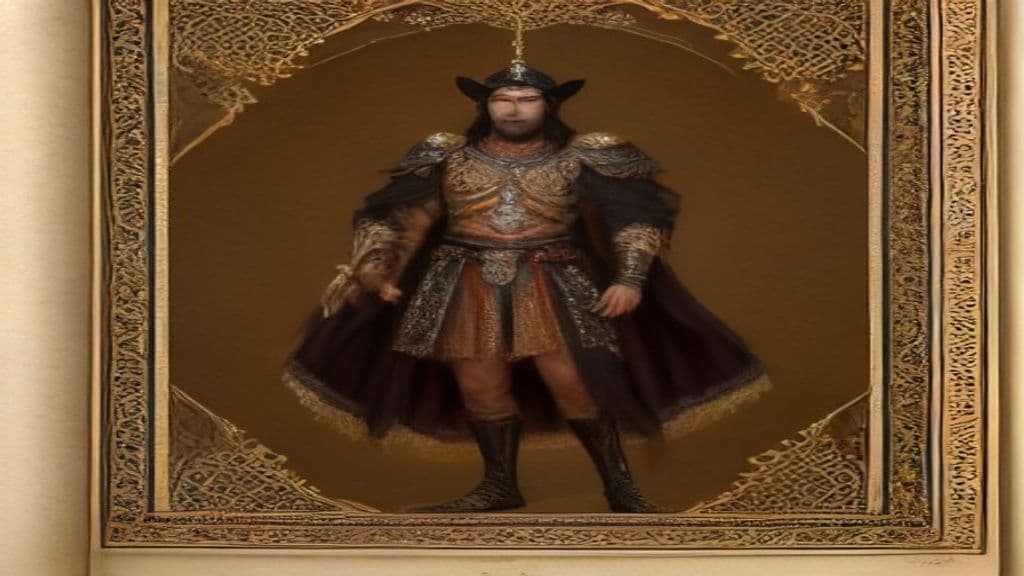
Babr-e Bayān is the name of a legendary suit or armor associated with the Iranian hero Rostam in Persian epic tradition. In most accounts it is an extraordinary protective garment (sometimes said to be made from a slain creature’s hide) that confers invulnerability when worn.

Bai Baianai is a Turkic‑Altaic protective spirit and sometimes goddess associated with forests, animals, hunters, fishing, fertility and material wealth. In the Yakut/Altai tradition she functions as a patron of hunters and a provider of abundance, yet in some accounts she can punish humans with drought, crop‑burning or livestock disease if offended.

The Budini (Ancient Greek Βουδῖνοι) are recorded in Graeco-Roman ethnographic sources as a human tribal people of the forest‑steppe north of the Black Sea, associated with the Vorskla river valley and the multiethnic city of Gelonus in the first millennium BC. Classical accounts portray them as a hunting-dependent, linguistically distinct group noted for red hair and blue eyes; some archaeological interpretations tentatively link them to anomalous mortuary deposits.
Burut (also attested as a clan name Burutia in some modern mentions) is documented in the supplied sources not as a supernatural being but as a social/lineage name attested in Central Asian ethnographic records (Kirghiz / Khakassian contexts). The provided corpus contains no evidence identifying Burut or 'Burutia' as an Assamese folk spirit, nor does it record myths, powers, or rituals for such an entity.

Duolu Qaghan (born Ashina Nishu) was a historical Turkic ruler of the Western Turkic Khaganate who held the khaganate title associated with the Duolu tribal faction for roughly one year in the early 630s (reign dated 632–634; some sources give 633–634). He is presented in sources as a political-military actor in factional succession struggles between the Duolu and Nushibi tribes.
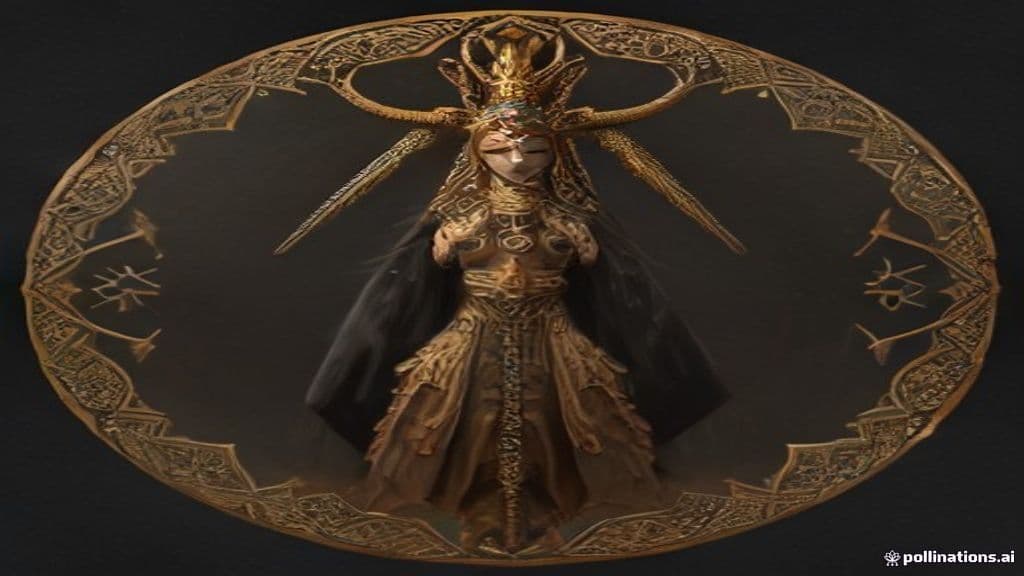
A class of Scythian male‑assigned ritual specialists who underwent a recognized religious transformation, adopted feminine dress and roles, and served as seers and shamanic priests attached to cults of Artimpasa and the Snake‑Legged Goddess. They performed distinctive divination, participated in funerary and cult rites, and held recognized ritual authority in matters affecting the king and community.
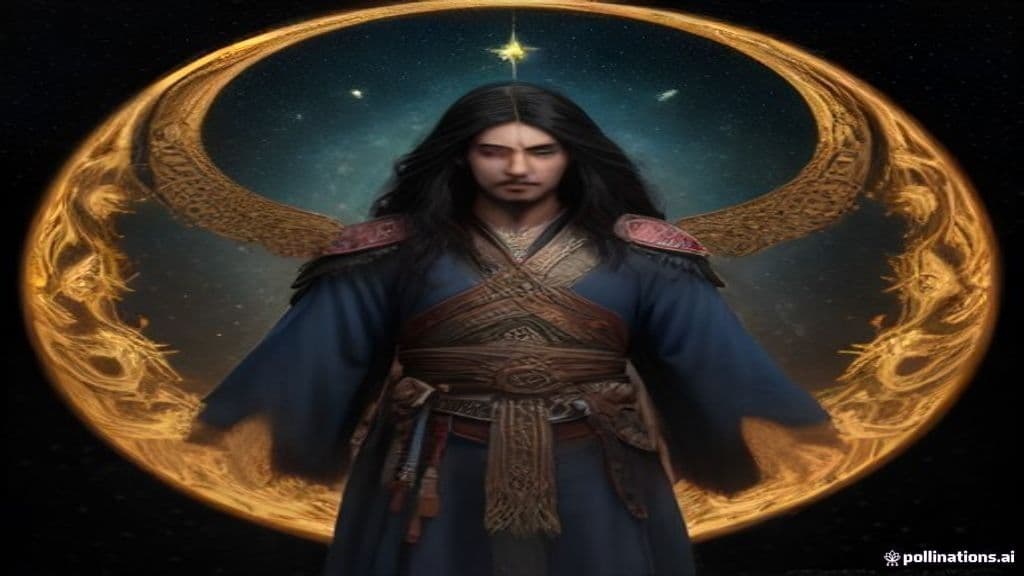
Erkliğ Han is a Turkic–Altai celestial lord associated with space, stars, meteorites (falling stars), and the planet Venus. Traditionally titled a Han (ruler), he is described in source material as responsible for visible stellar phenomena, linked in some lists with virility and read as a martial symbol by analogy to his action at sunrise.

Erlik (Erlig, Erlik Khan; Mongolian Erleg/Yerleg) is the chthonic ruler of the underworld in Turkic and related steppe mythologies, associated with death, disease, and malignant spirit-agents. He functions as judge and lord of the lowest realm (Tamag), opposes upper-world figures like Ülgen, and demands sacrifices to avert his taking of souls.

Etügen Eke (also Etügen, Itügen, Etügen Ekhe) is an earth-mother goddess in Turkic and Mongolic Tengrism traditions, personifying the earth, fertility, homeland and natural forces. She is described in the sources as occupying a high place in the cosmic order, subordinate only to Kök‑Tengri, and is propitiated with seasonal sacrifices tied to pastoral and agricultural cycles.

The Gelonians (Geloni) are described in Herodotus and later summaries as a settled, urbanized people of the forest‑steppe north of the Black Sea who inhabited the city of Gelonus. In Herodotus' ethnographic account they are distinguished from neighbouring nomads by agriculture, crafts, wooden temples, and a triennial Bacchic/Dionysian festival; archaeological verification of some claims (e.g., sanctuaries) is noted as lacking in the supplied sources.

Inel Qaghan (Old Turkic: 𐰃𐰤𐰠:𐰴𐰍𐰣; Chinese: 泥涅可汗; personal name Ashina Fuju) was a historical Turkic ruler of the Ashina house, recorded as the third khagan of the Second Turkic Khaganate. He served as a military leader commanding the western wing and was killed in a dynastic struggle during the early 8th century.

Ishbara Tolis (personal name Ashina Tong'e) was a historical khagan of the Western Turkic Khaganate who reigned c. 634–639. He is recorded in Chinese and modern sources as a political ruler who sought to legitimize and balance competing tribal factions (Duolu and Nushibi) by investing ten tribal leaders as shads.
Istämi was a 6th-century Turkic ruler who governed the western portion of the Göktürk realm as a yabghu and is retrospectively referred to as a khagan. He exercised de facto sovereignty in the west, dominated Sogdian subjects there, defeated the Hephthalites, and engaged in high-level diplomacy with Sassanid Persia and Byzantium (including sanctioning a Sogdian embassy to Constantinople in 568).

Jade is a material and cultural concept referring to two distinct groups of ornamental rocks—nephrite and jadeite—valued across many societies (not a supernatural being). It has deep historical, ritual, and symbolic significance especially in East Asia and Mesoamerica, and carries folk associations with health and social status.

Kayra (also Kaira; Old Turkic: 𐰴𐰖𐰺𐰀) is the supreme creator-being in Turkic mythic cosmology. Presented as the originative power who orders the world, plants the tree of life (Ulukayın), and directs fate from the seventeenth heaven, Kayra appears in some accounts as a non-human, liminal creator and a parent of other divine figures.

A politico-religious title used in Tang‑era diplomacy that linked imperial rulership to the supreme sky/heaven concept (Chinese Tian / Turkic Tengri). It functioned as a formula of recognition conferring celestially sanctioned authority on the Tang emperor in relations with Turkic and other Inner Asian polities between the early 7th century and the late 8th century.

Komur Han is a named underworld functionary in Turkic myth, listed among the nine sons or subordinate 'hans' of Erlik. He is associated symbolically with coal/charcoal and darkness and is described in popular summaries as commanding evil entities and mediating between Erlik and 'dark shamans.'
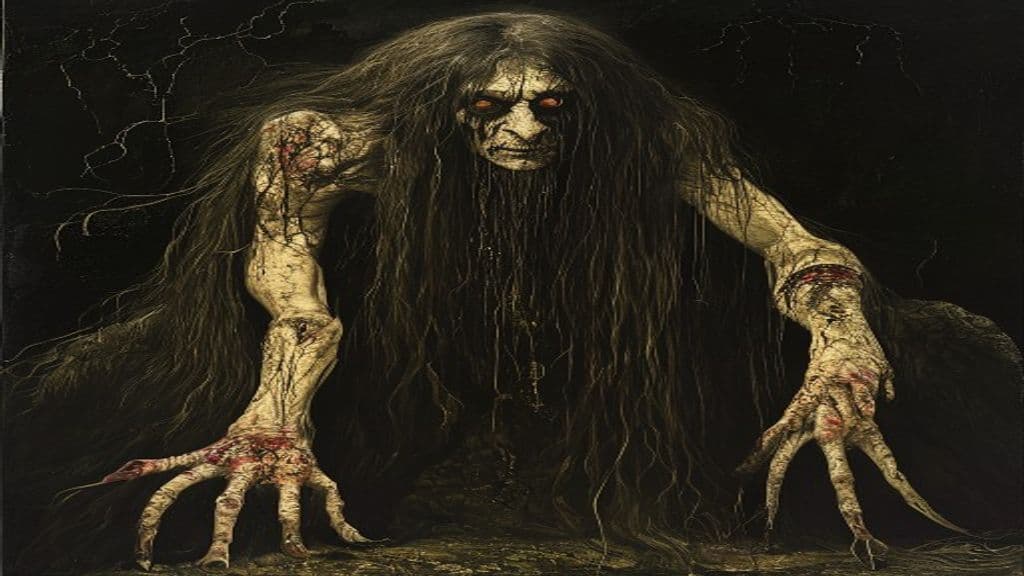
Kormos (also Kormoz; Tuvan: кормос; Turkish: Körmöz/Körmös) is a Turkic category of spirit-entities encompassing a range of post-mortem conditions — ancestral or beneficent sky-spirits, wandering suffering souls on earth, and demonic underworld spirits — variously described as helpful, harmful, or ambivalent depending on subtype and allegiance.

Koyash is the personified Sun and a solar deity in Turkic and related Turco‑Mongolian cosmologies. Regarded as one of the visible Tenger (heavenly beings), Koyash functions as a life‑giving intermediary whose rays connect Tengri to living spirits and who participates in cosmic creation.

An ovoo is a constructed ritual cairn or shrine in Mongolian and other Mongolic folk religious practice that marks and sacralizes places (borders, passes, high points) and serves as a negotiated contact point for offerings and ritual exchange with the non-visible world. It is primarily a material and ritual locus rather than an individualized supernatural being.

Spirits understood as the local, animating presences of ovoo (sacred cairn) sites within Mongolian shamanic practice (Böö Mörgöl/Tengerism). They function as place-spirits tied to specific cairns and the social-religious life surrounding those sites.

Tengri is the supreme sky/heaven principle in early Turkic and Mongolic religious frameworks, functioning as both the cosmic blue sky and a source of sovereign will, fate, and legitimacy. Central to Tengrism, Tengri is invoked in cosmology, political ideology, and shamanic/ancestor-associated practices.

Umay is a maternal fertility and child-care divine figure in Turkic myth and Tengrism, conceived as a celestial mother who guards unborn souls, protects infants and mothers, confers community prosperity, and is associated with the sun and the color yellow.

A multi‑headed monstrous being from Turkic (notably Altai) traditions, originally depicted as a serpentine or draconic creature that in later tellings appears as an ogre‑like behemoth; associated with cosmic predation (eclipses), guarded treasures, great strength, magic, and occasionally sexual relations with humans.

Yer Tanrı (also attested Yertengri, Certenger) is the earth-as-divinity in Turkish and broader Altaic folk belief, an immanent Earth or World power associated with fertility, nourishment, household protection (via related household spirit Yereh), and transformative healing. It functions alongside the sky deity (Gök Tengri) as the terrestrial counterpart and is variably represented as a cosmic principle, a feminine Mother‑Earth figure, and as linked household guardian manifestations.

Yer iyesi is the familiar spirit or guardian of the earth and specific territory in Turkic/Tatar and related Tengrism traditions. Conceived as a land-attached iye, it appears in male and female forms (Yer Ata and Yer Ana) and is associated with protection of land and, in the female aspect, fertility and primordial presence at cosmogony.

Ülgen is a benevolent creator and high-sky deity in Turkic traditional belief (often discussed under Tengrism). He is credited with creating earth, heaven and living beings, promotes abundance and welfare, and functions as patron of shamans; in sources he is usually distinct from Tengri but in some accounts identified or conflated with Tengri.

İye are Turkic spiritual proprietors or tutelary spirits understood as the unseen 'owners' or guardians of particular places, natural phenomena, objects, animals, households, or concepts. They mediate human relations with domains of the world and respond to human conduct—offering blessing when respected and retribution when violated.