Primordial
A'akuluujjusi
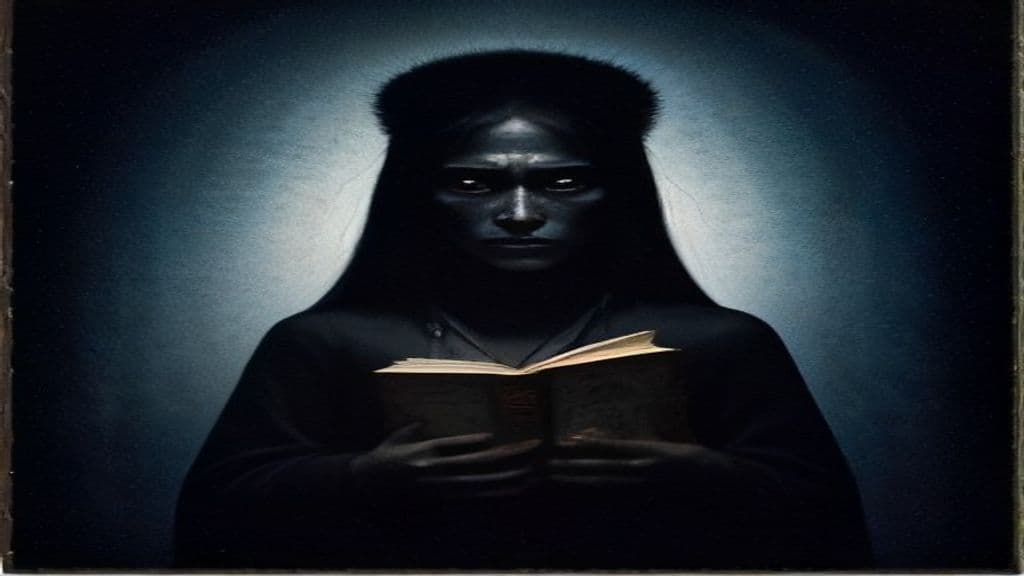
A'akuluujjusi is an Inuit primordial creator mother who fashioned the non-human animals and adjusted their physical traits so they could be hunted by people.
56 documented Inuit supernatural beings from the Evil Eye grimoire, including 26 lesser and 14 ancient in power tier.
A'akuluujjusi is an Inuit primordial creator mother who fashioned the non-human animals and adjusted their physical traits so they could be hunted by people.
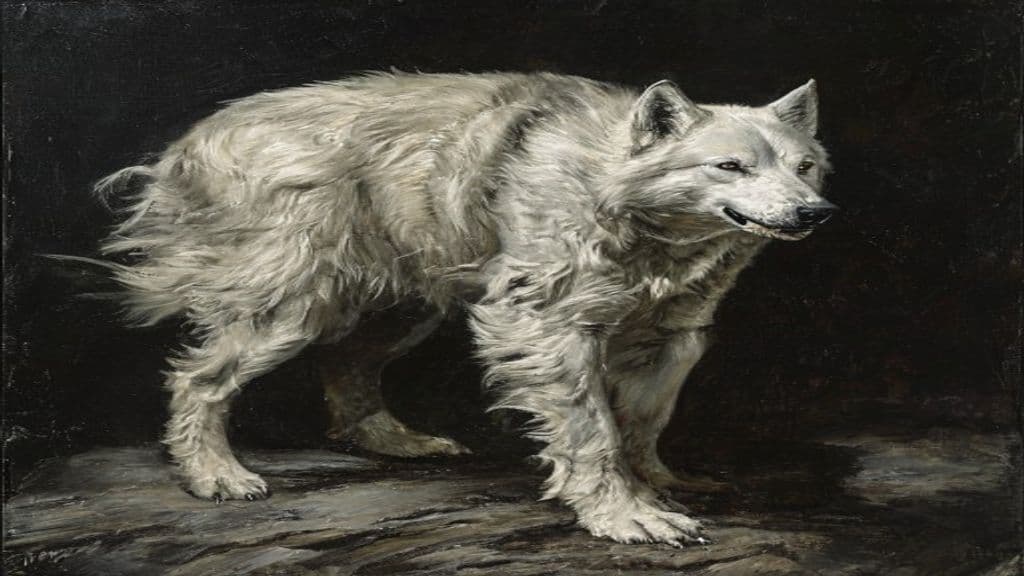
A category of non-human peoples in Inuit narrative tradition (also rendered Erqigdlet/Irqigdlit) that functions both as a mythic ancestor-race and as dog‑legged antagonists; the term can denote inland native American peoples or half‑canine humanoids depending on regional usage.

Agloolik (Inuktitut: ᐊᒡᓗᓕᒃ) is an Inuit spirit that dwells beneath Arctic sea ice and functions as a tutelary guardian of seals. Hunters and fishermen petition Agloolik for success; prayers before fishing are said to bring blessings of prey.

Ahkiyyini is described in available sources as a skeleton spirit in Inuit folklore, called "the ghost of Alaska" in one account. Accounts report that his movements and the music made with his bones cause tidal waves, earthquakes, and could overturn boats.

Aipaloovik is an Inuit sea-associated supernatural being described in available sources as an evil or dangerous water deity linked to death and hazard for fishermen. The figure is described as the opposite of the being Anguta; beyond this brief characterization the cited sources provide no detailed myths, appearance, or ritual corpus.

An Inuit composite, shape‑changing animal‑spirit described in early ethnographic accounts as an orca that can become a wolf on land (and sometimes depicted in later popular media as a wolf‑orca hybrid). Associated with the seashore and ice edge along the Bering Sea, it is portrayed as powerful and dangerous in the cited sources.

Akna is a female figure named in modern secondary sources as associated with childbirth and motherhood. The provided materials conflate brief mentions linking the name to both Maya and Inuit maternal goddesses; primary Maya iconographic or epigraphic evidence for a distinct Maya Akna is not supplied in the sources.
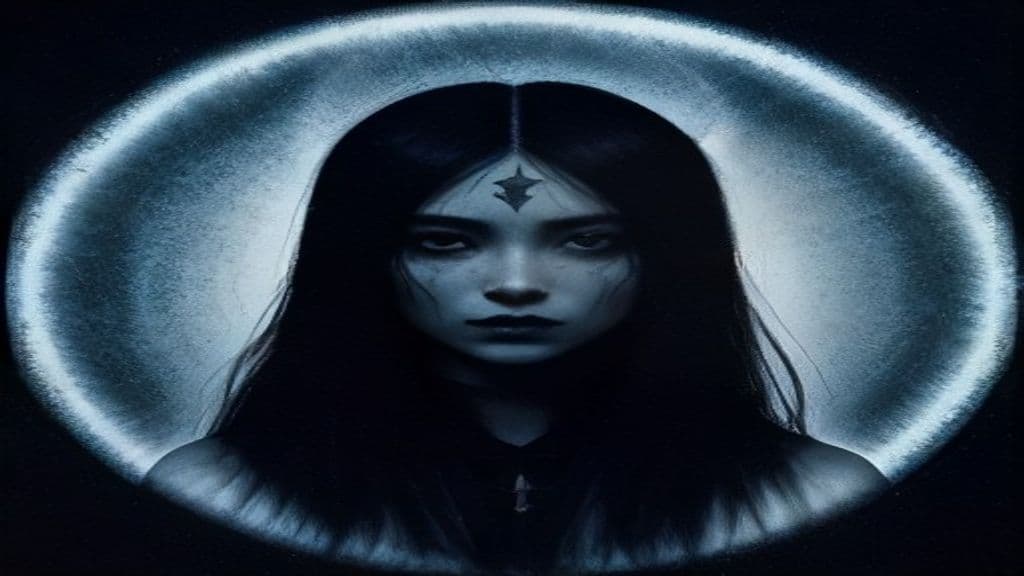
Akycha is identified in the supplied sources as a solar goddess in Inuit mythology. The available materials attest the name and classification but provide no further narrative, iconographic, or ritual detail.
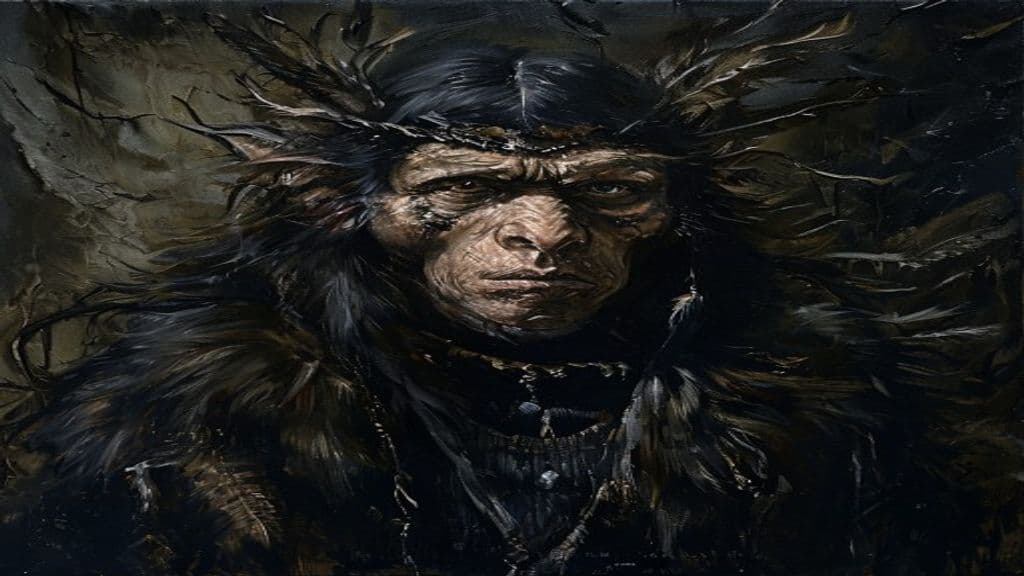
Alignak is named in modern reference works as an Inuit deity associated with the moon and with dynamic natural phenomena such as weather, water, tides, eclipses, and earthquakes. The available sources provide only terse domain associations and do not supply narrative, iconographic, or ritual detail.

Amaguq is an Iñupiaq term for 'wolf' that in modern summaries and secondary sources is presented as a wolf spirit or trickster capable of shapeshifting between wolf and humanlike modes. Available sources are brief popular or tertiary accounts; detailed traditional narratives and rituals are not documented in the provided material.

In Greenlandic Inuit tradition the Amarok (also Amaroq) is a singular, gigantic wolf-like spirit said to hunt alone and to interact powerfully with humans: stalking and devouring lone nocturnal hunters, wresting with humans to bestow strength in Rink's tales, and — in another tale — dragging a humanoid from the water and taking a mourner's soul. The term in some dialects is reserved for this legendary wolf, while other Arctic peoples may use the word for ordinary wolves.

Amautalik is a child‑stealing ogress from Inuit folktale collections and modern retellings. Presented in story collections, illustrated books, graphic novels, and short films, she functions as a monstrous threat who carries away children and haunts communities, and whom protagonists overcome through luck, courage, and ancestral knowledge.
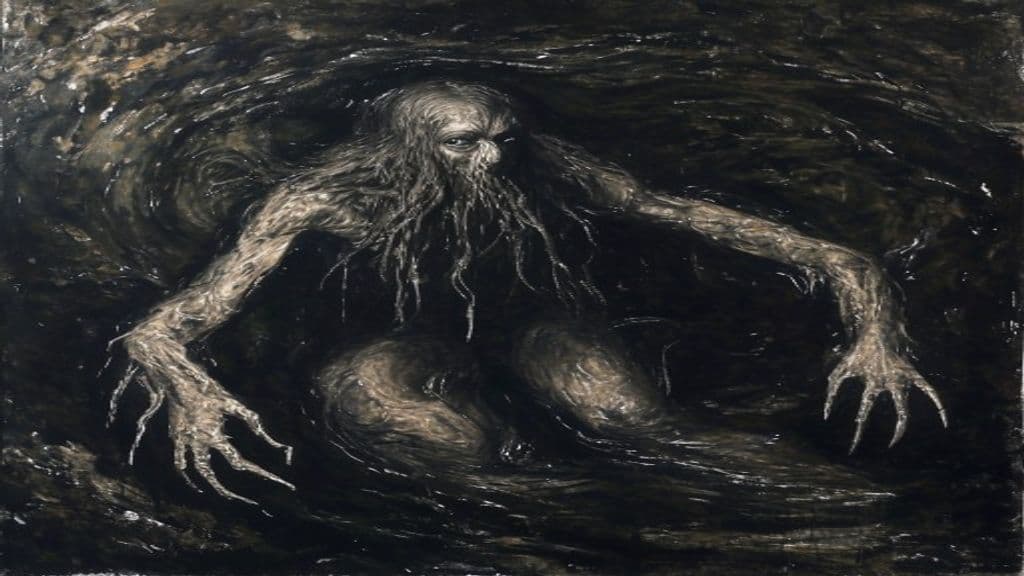
Amikuk is a Yup'ik / Alaskan Inuit spirit-creature associated with the ground and coastal waters; sources describe it as a shapeshifter that lives within the earth, can swim through earth and water, may take human form, and is dangerous to hunters and travelers.

Anguta is an ancestral/parent figure in Inuit cosmology associated with the sea-goddess Sedna and the underworld Adlivun. Different traditions variously portray him as a creator or supreme being (especially in some Greenlandic accounts), a mortal ancestor, and most consistently as a psychopomp or lord of the dead who ferries souls and supervises part of the afterlife journey.

Apanuugak is an Inuit legendary figure presented in modern summaries as a culture-hero who is narratively ambivalent: sometimes an error-prone or long-lived warrior and elsewhere depicted as a dastardly villain or cunning trickster.

Arnakuagsak is an Inuit sea-mother deity worshipped primarily in Greenland, described as an 'old woman from the sea' who is responsible for ensuring hunters' success and the health and strength of the people. She is treated in sources as essentially equivalent to related sea-mother figures in Canadian and Alaskan Inuit traditions.

A fearsome sea-being of the Coronation Gulf Copper Inuit who controls access to seals and other marine mammals; she withholds game as punishment for taboos or indiscretions and thus governs hunters' success.

Asiaq is a Greenlandic Inuit weather-controlling supernatural figure described in sources as a weather goddess (and more rarely as a god) who is invoked by ritual specialists (Angakoq) to influence wind, snow, rain and the timing/quantity of snow and ice melt. In Greenlandic accounts she is called the “mother of weather” and is petitioned pragmatically to secure favorable seasonal conditions.

Ataksak is a sky deity in Inuit tradition described as the ruler of the sky and a personification of celestial light that brings joy and happiness to people. The figure is depicted as a bright, glowing sphere often shown with rays or strings of light attached; some sources refer to Ataksak using masculine pronouns while other accounts call the figure a goddess.

Aulanerk is an Inuit sea spirit attested in several short ethnographic and reference summaries as a benevolent sea-being who lives in the ocean and is responsible for producing waves and surf; he is also described as helping hunters by working with other sea powers to lead them to seals.

An Inuit deity described as the maternal source and protector of caribou herds and, in some texts, the owner of all land animals. She is depicted as ancient and gigantic and is implicated in regulating human behaviour toward animals, especially in the context of hunting.
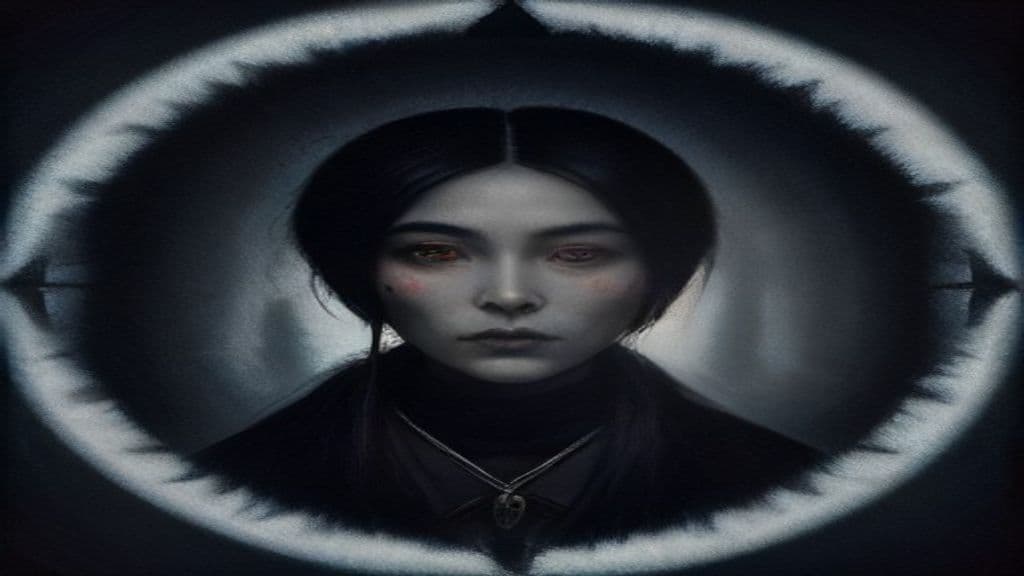
Eeyeekalduk is identified in multiple compiled references as an Inuit supernatural figure associated with medicine, healing, and good health. The available sources list the name among Inuit deities or pantheons but provide no primary ethnographic detail about myths, rituals, or iconography.
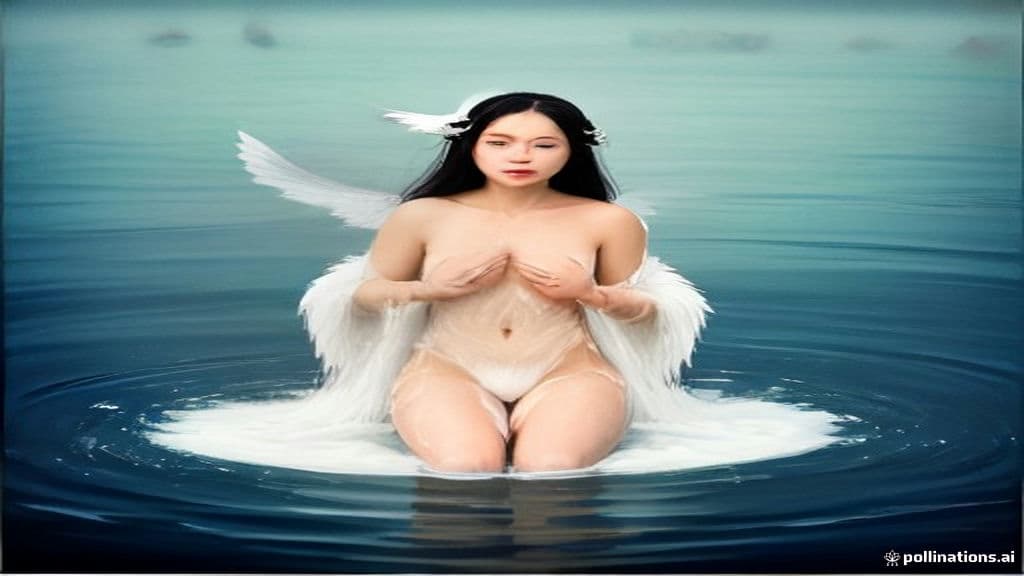
A bird‑woman figure from Inuit and other Arctic oral traditions who alternates between human and avian form by removing or donning a feathered skin; she may become a human wife when her skin is taken and later return to the bird realm by reclaiming or fashioning feathers.

Idliragijenget is an Inuit underworld figure identified as the ruler or mistress of a country of the dead in Adlivun and is also invoked as a name of Sedna when she is appealed to in that capacity. She is depicted in the sources as dwelling in a domestic underworld house alongside her father, a pairing that is described as keeping summer and winter distinct.

In Inuit folklore the ijiraq is a shapeshifting supernatural being associated with abducting or misleading children and causing loss or disorientation in the Arctic landscape. Stories link the phenomenon of getting lost to cultural navigation practices such as inuksuk; detailed origins, appearance, and ritual countermeasures are not extensively recorded in the supplied sources.

Inua is an Inuit concept of a pervasive spirit-force or soul-quality that inheres not as an individual personal soul but as a shared vital continuity across members of a given kind (people, animals, lakes, mountains, plants). It functions as the generational chain or continuum linking past, present, and future individual spirits of a genus.

Issitoq is an Inuit supernatural being described in the cited sources as a deity that punishes those who break taboos. The same sources state that he usually takes the form of a giant flying eye.

Kadlu is one of three sister-figures in an Inuit account who together produce storm phenomena; Kadlu specifically makes thunder by actions such as jumping on hollow ice, singing, or rubbing dried seal skins. The sisters are described as living in a large house supported by whalebone ribs.

Kigatilik is an entity in Inuit religion commonly described in sources as a "demon" and reported as a fanged being that kills angakkuit (shamans). The available attestations are very brief and do not provide detailed mythology or rituals.

A kikituk is an Inuit shamanic animal effigy or carving that is invested with spirit-force by a shaman and used as a spiritual weapon; the shaman brings the effigy to life, casts it toward a target where it is said to destroy the opponent's heart, and then retrieves it. Sources present the kikituk as a spirit-infused object functioning as the material focal point of a shaman's animalistic power in Inuit practice.
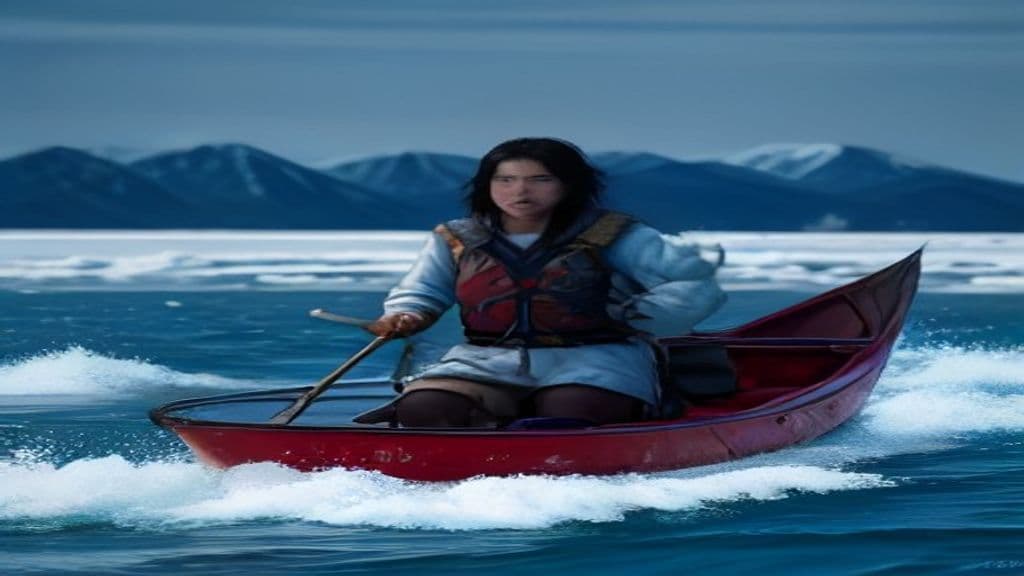
Kiviuq is a pan‑Inuit culture‑hero and eternal wanderer of oral literature whose epic cycle of voyages and encounters with witches, spirits, giants, sea monsters, and cannibals is told across Greenland, Alaska, and the Canadian Arctic. Tales present him as an Inuk hunter‑traveler who survives by skill, tools (kayak, harpoon, dog sled), occasional supernatural events, and cunning; in some regional variants his prolonged life is cosmically significant.

Nanook is the Inuit name applied to the polar bear and, in Inuit religious descriptions, the spiritual master associated with bears who regulates human–bear relations, deciding whether hunters deserve success and punishing violations of hunting taboos.

Negafook (also Negagfok) is a Yup'ik/Inuit spirit identified with the North Wind and associated with cold, stormy weather. Represented in ceremonial masks alongside other wind-spirits, Negafook is part of a set of named winds engaged in community ritual and commemoration.

Nerrivik (also Nerivik) is an Inuit sea-mother figure—an elder female supernatural who is the owner/provider of sea creatures and the patron of fishermen and hunters. She appears in Greenlandic and Canadian Inuit traditions as a principal sea goddess (regional equivalents include Sedna, Arnapkapfaaluk, and Arnakuagsak). Her origin myths explain her residence at the bottom of the sea and a mutilated condition (one-handed) resulting from being cast off a boat.

In Inuit tradition Nootaikok is a spirit bound to large ice masses—described as presiding over and living inside icebergs and glaciers—and is attested as one who, alongside Agloolik, led hunters to seals.

In Inuit mythology, Nujalik is named in the sources as the goddess of hunting on land. The available references provide only this basic identification and do not record myths, attributes, or rituals associated with the figure.
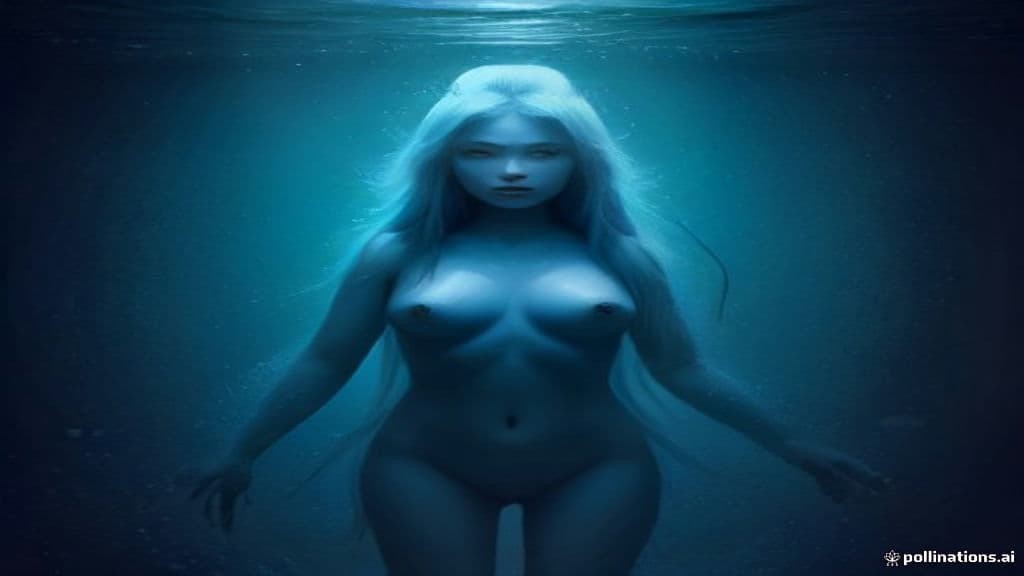
Nuliajuk is an Inuit sea-being presented in the supplied sources as a powerful female ruler of marine animals and of the undersea realm; communities and shamans must seek her aid or appeasement when marine resources are scarce. She is treated in the materials as a sea goddess figure connected in English-language accounts with the broader Sedna tradition.

Pana (also attested as Panna or Pavna) is an Inuit female supernatural figure described in brief ethnographic and encyclopedic sources as a sky‑dwelling custodian who cares for souls transported from the Middle World while they await reincarnation.

Pinga is an Inuit goddess associated with the hunt, the well‑being of animals (especially caribou in Caribou Inuit contexts), and with medicine. She is described in modern summaries as sky‑associated — often rendered 'She Who is On High' — and functions as an overseer of ethical hunting practice whose disposition can influence hunting success.

Pukkeenegak is an Inuit household goddess associated with children, pregnancy, childbirth, and the making of clothes. She functions as a benevolent overseer of domestic labor and reproductive life, providing food and clothing materials and protecting pregnant women.

Qailertetang is an Inuit sea-associated figure who functions both as a mythic caretaker of marine animals, fishers, and hunters and as a ritual persona enacted during Quviasukvik (the Inuit New Year). She is described as dwelling with Sedna at the bottom of the sea and in performance appears as gigantic masked figures who invoke winds, pair community members, and provide divinatory murmurs.

A shoreline-dwelling supernatural being in Inuit oral tradition that inhabits the liminal space between sea and ice. Presented primarily as a cautionary figure, the Qallupilluit lures and steals children who approach hazardous sea-ice edges.

Qiqirn is an Inuit non-human spirit from around Baffin Island depicted as a large, hairless dog‑spirit whose mere presence causes men and dogs to suffer convulsions — sometimes fatal — that cease only when the qiqirn departs. It is feared for these effects yet is said to be frightened of humans and will flee if an angakkuq (Inuit shaman) sees it.

The supplied sources identify Sedna only as an Inuit goddess. The provided materials contain no myths, attributes, origin stories, iconography, or ritual details for this figure beyond the classificatory label.

A pervasive Inuit cosmological principle—often called Sila—understood as breath/spirit, the animating medium of life, and the force of sky, wind, and weather. It is generally formless and impersonal, functions as the source or category for certain shamanic powers and helping spirits, and shows regional variations in depiction and emphasis.

An English-titled index entry for a traditional Inuit story concerning the Sun and Moon is listed on a Wikipedia disambiguation page. The supplied sources do not contain the narrative, characters, cosmology, or ritual details of this story; only the disambiguation listing itself is present in the provided material (Source 1).

Tariaksuq are Inuit 'shadow-people'—humanoid beings associated with shadows, invisibility, and a separate realm. They are described as socially parallel to humans (houses, families, tools) yet are not seen when looked at directly, instead disappearing into their own world or appearing only as shadows; they reportedly become visible if killed, said to appear as half-man, half-caribou.

Tarqeq is presented in two overlapping registers in the provided sources: (A) the modern astronomical name for a small prograde satellite of Saturn (Saturn LII), and (B) the Inuit moon spirit / personification of the Moon, a named lunar figure in Inuit lexical and mythic material. Modern astronomical naming explicitly draws from the Inuit lunar figure.

Tarqiup Inua (also Tatqim Iñua) is the lunar spirit or 'Master of the Moon' in Inuit thought, described as a man — a mighty hunter — who dwells in the skies and is associated with fertility, moral authority, and (for Alaskan Inuit) the animals.

A serpent‑like sea creature of Inuit oral tradition, reported in sources as inhabiting cold Alaskan waters (notably near Key Island / the Kenai Fjords). Traditional accounts describe it as a large, physical aquatic predator reported to seize people from piers and kayaks.

Tootega is presented in the available sources as a wisened, elderly female spirit or goddess associated with an island dwelling and with supernatural relations to kayaks, umiaks and the sea; she is described as able to 'dispense with kayaks, umiaks and other craft' and to walk on water.

Torngarsuk is a prominent supernatural being in Greenlandic and northeastern Canadian Inuit traditions, described as leader of a class of protective spirits called the Tornat and associated with the sea, death, and the underworld. He is invoked by angakkuit (shamans/medicine-men) and by fishermen as a source of good fortune and healing and is traditionally said to be visible only to ritual specialists.

Tulugaak (also spelled tulugaq, tuluqaq) is an Inuit creator figure associated with light. The Inuit word tulugaq/tulugaak means 'raven', and sources state Tulugaak was the creator of light and is sometimes related to other sky gods such as Torngarsuk and Anguta.

Tuluŋigraq (also attested Tulunigraq, Tulugaak) is a raven-associated mythic figure in Iñupiat (Tikiġaq) oral tradition who, in attested narratives, steals and releases the skin-wrapped sun to create daylight, acquires a wife by wrestling, and transforms a sea-animal into the promontory Tikiġaq. He appears in shamanic songs and recorded oral histories of the Tikiġaq people.

A created harmful agent in Inuit cosmology produced by angakkuq; regionally described either as a materially constructed avenging monster (Greenland) or as an invisible spirit/restless soul perceived and countered only by ritual specialists. Its manufacture, use, and neutralization are tied to beliefs about secrecy, taboo, and public confession.

Uumarnituq and Aakulujjuusi are the pair of first human parents in a corpus of Inuit unipkaaqtuat (origin tales). In overlapping Netsilik, Iglulingmiut, Natsilingmiut, Cumberland Sound and Greenlandic variants they re‑populate the earth after a pre‑historical destruction and act as progenitors whose actions (including performance of magic songs called irinaliuti) explain childbirth, gender transformation in specific tellings, and certain social conditions in particular variants.