North African Supernatural Beings

19 documented North African supernatural beings from the Evil Eye grimoire, including 8 lesser and 6 greater in power tier.

Abāmūn of Ṭoukh
Lesser

Abāmūn of Ṭoukh

Abāmūn of Ṭoukh is a Coptic Christian martyr attested in the Synaxarion of Mikhail of Atrib, commemorated with a feast day on 20 July (13 Abib). He is said to have been visited by the archangel Michael, traveled to Ansena where he was tortured and beheaded, was credited with working miracles, and whose body was wrapped by Julius of Aqfahs and returned to Toukh.

Aicha Kandicha (Qandisa)
Greater

Aicha Kandicha (Qandisa)

Aicha Kandicha (also romanized Qandisa/Qandisha) is a female mythological figure in Moroccan folklore described as a jinn-like seductress associated with water. She appears as a beautiful woman with hoofed lower limbs who dwells at rivers, springs, lakes and the sea and is said to use sexual allure to seduce men, sometimes driving them mad or killing them.

Aicha Qandicha
Greater

Aicha Qandicha

Aicha Qandicha is a female seductress spirit in northern Moroccan folklore, often associated with bodies of water and implicated in harmful encounters with men. She appears both as a wild liminal monster and as a named spirit incorporated into local ritual systems (Hamadsha, Zār, Buffi Sufi orders).

Antaeus
Greater

Antaeus

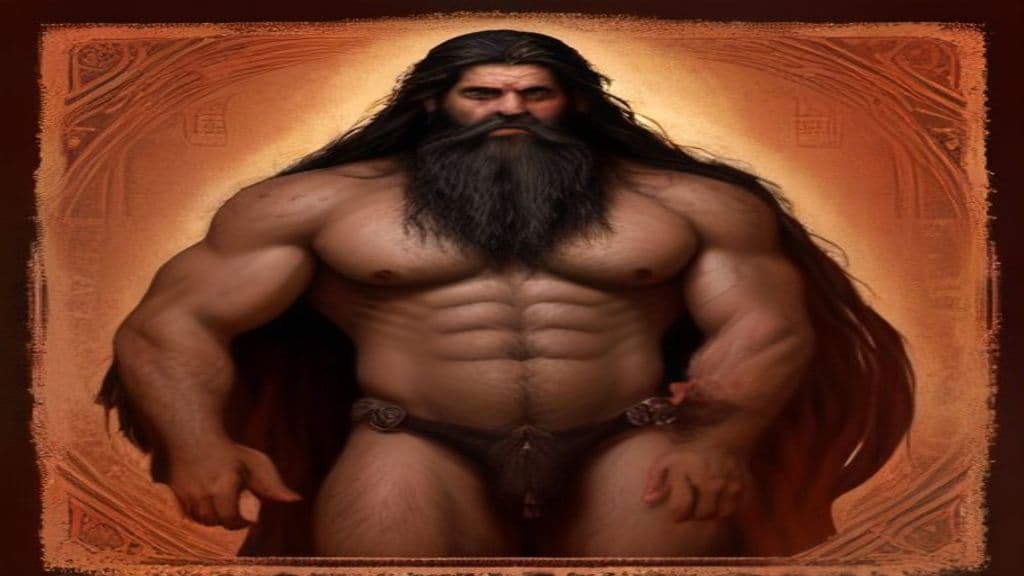
Antaeus (Greek: Ἀνταῖος; Berber: Anti) is a mythic giant of Greek and Berber narrative worlds, son of Poseidon and Gaia, whose invulnerability derives from direct contact with the earth. Found in accounts placing him in the interior of Libya or in local North African memory, he challenges travelers to wrestling matches and is defeated by Heracles when lifted off the ground and crushed.

Antaios / Antaeus (tradition)
Lesser

Antaios / Antaeus (tradition)

Antaios (Greek Antaeus; Berber Anti) is a polyvalent name attested as (a) a mythic Berber/Greek figure famed for his wrestling encounter and defeat by Heracles, (b) a Hellenized rendering of an obscure archaic Egyptian deity called Antiwy/Antwey often depicted as paired falcons in early iconography, and (c) a modern German cultural magazine and publisher imprint; the provided sources treat these as distinct referents that share a common name rather than a single coherent supernatural being.

Apedemak
Ancient

Apedemak

Apedemak is an indigenous Meroitic/Kushite deity primarily associated with martial power, royal legitimation, and aspects of fertility and life. He is attested in temple reliefs and hymnic material at southern Meroitic cult centres such as Musawwarat es‑Sufra, Naqa and Meroe, where he appears in diverse leonine and occasionally syncretic forms.

Baal Ḥamon
Ancient

Baal Ḥamon

Baal Ḥamon (Baal Hammon) is the chief god of ancient Carthage in the Punic religious framework, venerated as a male deity associated with weather, fertility of vegetation, and regarded as king among the gods. He is cultically paired with the principal female deity Tanit and is attested in archaeological and textual traditions as an authoritative lordly divine figure.

Barbary corsairs
Greater

Barbary corsairs

Organized maritime raiders and state‑linked privateers operating from North African ports (notably Algiers, Tunis, Tripoli, and Salé) from medieval times into the 19th century; engaged in ship capture, coastal raids, and the seizure of captives for slave markets and ransom, and in some Muslim sources framed as a form of naval jihad.

Baʿal Hammon
Ancient

Baʿal Hammon

Baʿal Hammon is the chief male deity of the Punic (Carthaginian) pantheon, associated principally with vegetation fertility, communal prosperity, and kingly supremacy. He is syncretized with North African/Egyptian Ammon (Amun) and, in Greco‑Roman interpretatio, with Cronus/Saturn. Classical authors accuse his cult of child sacrifice, a claim debated by modern scholars and archaeologists.

Buda
Greater

Buda

In Ethiopian and Eritrean popular religion, buda (Ge'ez: ቡዳ) is a socially-located hostile power associated with the evil eye and the ability of its bearer to change into a hyena. It is attributed to particular social groups (for example Beta Israel and metalworking castes) and is countered by amulets, debtera-made protections, and Christian exorcism.

Diodorus (son of Sufax)
Lesser

Diodorus (son of Sufax)

A legendary Berber/Numidian ancestral king named in modern summaries of North African mytho-historical traditions. He is presented in the cited materials as son of Sufax and as a legendary ruler linked genealogically to Numidian dynasties and to Hellenic mythic figures.

El Naddaha
Lesser

El Naddaha

El Naddaha (Arabic النداهة, "the caller") is an Egyptian popular-legend female water spirit associated with the Nile and its canals. She is portrayed as an alluring, voice-centered figure who calls men—often by name—with a hypnotic voice, drawing them toward the riverbank where they are believed by locals to disappear or drown.

Gurzil
Ancient

Gurzil

Gurzil is an ancient Berber (Amazigh) sacred figure attested in late‑antique and medieval sources and in archaeological remains from Tripolitania. Best known from Corippus’s mid‑6th‑century poem Iohannis as a war‑associated cult image carried into battle by the Laguatan, and attested archaeologically at the site commonly identified as Ghirza.

Hippo (term; zoological and toponymic usages)
Lesser

Hippo (term; zoological and toponymic usages)

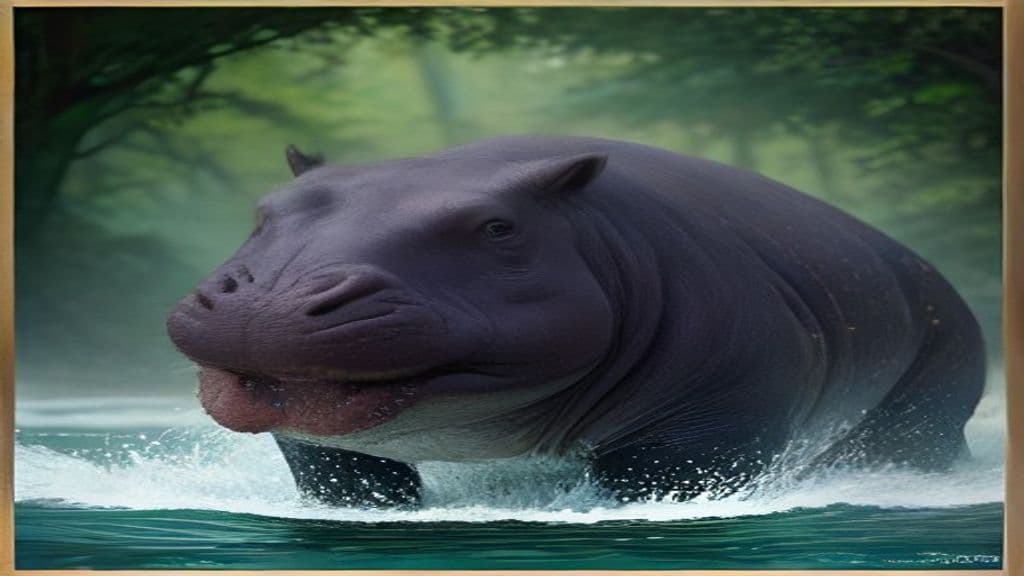
Hippo is not presented in the provided sources as a single supernatural entity. The term appears primarily as (1) an English short form for the hippopotamus (the large semiaquatic mammal), (2) an ancient North African place-name (Hippo Regius, Hippo Diarrhytus), and (3) an epithet indicating origin or episcopal see (e.g., Augustine of Hippo). Modern technical and popular-culture uses also occur.

Maymun
Greater

Maymun

Maymun (Maymun Abanuch / Maymun al‑Shahabi / Abu Nuh) is presented in Islamic folkloric and occult sources as the last of the seven kings of the jinn, a powerful wind‑jinn king associated in those traditions with Saturday, the planet Saturn, the color black, and gold. He appears both as a fearsome, martial, abducing jinn in manuscript imaginaire and as a venerated saintly figure in North African local cults (Sidi Mimun / Lalla Mimuna).

Nanna Tala
Lesser

Nanna Tala

Nanna Tala is a sacred ancestral woman-figure associated with a perennial spring in the Nafusa (Western) Mountains of Libya. Treated as a holy woman and local ancestor, her burial-mound and the spring above it serve as a locus of pilgrimage, offerings, healing practice, and communal ritual that also registers moral or ritual correctness.

Sardus
Lesser

Sardus

Sardus (Ancient Greek Σάρδος, Sardos), also called Sardus Pater and Sid Addir, is an eponymous mythic founder and ancestral hero of the island of Sardinia attested in classical authors. Classical sources (notably Sallust and Pausanias) present him as the namesake of Sardinia and attribute to him an arrival from Libya and a filial link to broader Mediterranean heroic figures (Heracles/Makeris/Melqart).

Shamharush
Ancient

Shamharush

Shamharush (also Shamhurish, Shamhurash, Sidi Chamharouch) is a longstanding jinn sovereign figure in Moroccan folk belief, described as one of the seven jinn kings and a supreme judicial ruler of the jinn. Associated with Thursday and Jupiter, he was historically venerated at a shrine near Aroumd in the High Atlas but his cult was later contested by Islamic scholars.

Zār
Lesser

Zār

Zār (also zar) names a class of possessing spirit and the associated ritual system found across the Horn of Africa and adjacent Middle Eastern communities. Governed socially and ritually, Zār possession is treated as an ongoing relationship to be managed through communal rites (the zār ritual or zār cult) that reconcile spirit and person rather than forcibly expelling the spirit.