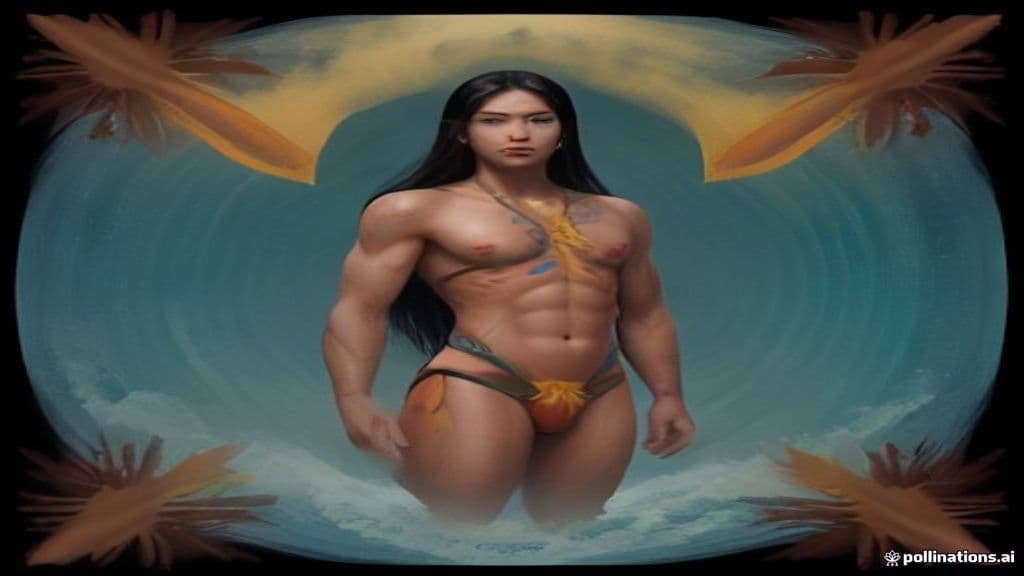
Polynesian Supernatural Beings

94 documented Polynesian supernatural beings from the Evil Eye grimoire, including 22 greater and 20 primordial in power tier.

page 2 of 2

Naka moli
Lesser

Naka moli

A term attested in an archive discussion of Lahaina (Malu'ulu o Lele) that appears associated with the place's cultural significance; the supplied sources do not define the term or describe it as a specific supernatural being. The only direct textual evidence in the provided material is the phrase "the Naka moli" linked to Lahaina and to a statement that the place "is rich in cultural traditions and history kept alive through generations."

Nana-Ula
Greater

Nana-Ula

Hero and first King of Hawaii in Hawaiian mythology, who led his people from Tahiti to establish the royal dynasty. (Note: - Power tier should be at least Primordial given the entity's role in shaping the foundation of Hawaiian society. - Appearance: Consider adding that no physical description is mentioned, but this does)

Nawao (Hawaiian)
Greater

Nawao (Hawaiian)

The Nawao are a legendary people in Hawaiian mythology, characterized as 'wild, large-sized hunting people' that existed before the Menehune era. (Note: * Power tier: Since there is no explicit information about their abilities and behaviors beyond being 'a wild, large-sized hunting people', it's not clear if they should be classified as Greater or Le)

Ngāti Ranginui
Minor Spirit

Ngāti Ranginui

Ngāti Ranginui is a Māori iwi (tribe) based in the Tauranga / Bay of Plenty region of Aotearoa New Zealand. The iwi traces descent from the ancestor Ranginui (of the Takitimu canoe), exercises kaitiakitanga (guardianship) within a defined rohe, maintains marae and governance bodies, and has engaged in Treaty settlement and resource management processes in the contemporary period.

Nightmarchers (Huakaʻi Pō)
Lesser

Nightmarchers (Huakaʻi Pō)

In Hawaiian tradition, Nightmarchers (Huakaʻi Pō) are described as the deadly ghosts or spirit ranks (ʻoiʻo) of ancient tribal Hawaiian warriors. They are portrayed as an organized nocturnal procession that acts as the vanguard for a sacred king, chief, or chiefess.

Nuʻu
Lesser

Nuʻu

A mortal figure from Hawaiian mythology known for building an ark to escape a Great Flood, but mistakenly attributing his safety to the moon rather than Kāne's intervention. (Note: - Power tier should be Minor Spirit (Nuʻu is a mortal figure, not a spirit) - Appearance: Add "Unknown" - Abilities: Specify that Nuʻu's ingenuity and resourcefulness are demonstrated in building an a)

Nāmaka
Ancient

Nāmaka

In Hawaiian mythology, Nāmaka is a sea goddess and an older sister to the volcano goddess Pele-honua-mea. She is associated with the natural elements of water and earth. (Note: * Power tier should be Greater, not Ancient, since her domain is tied to a powerful regional aspect (sea) rather than a cosmic or deity-level one. * Summary needs to include the fact that she is a sea)

Ohomairangi
Greater

Ohomairangi

An important ancestral figure in Māori mythology, guardian of Taputapuatea marae in Rangiatea. (Note: - Power tier should be Ancient, not Greater, given that Ohomairangi lived six generations before the migration to Aotearoa. - Origin story should mention Hawaiki, not Rangiatea (Raiatea) for his place)

Paliuli
Primordial

Paliuli

In Hawaiian mythology, Paliuli is a legendary paradise and the home of Princess Laieikawai, equivalent to the Garden of Eden. It serves as a symbol of spiritual guidance and inspiration. (Note: 1. Power tier: Primordial is incorrect; based on its description as an idyllic realm and paradise, it's more likely to be Ancient (deity-level). 2. Abilities: Add more specific details from the source)

Pangatoru (Māori canoe)
Greater

Pangatoru (Māori canoe)

A traditional Māori ocean-going canoe used in the migrations that settled New Zealand. (Note: 1. Power tier should be Minor Spirit or at least Lesser (it's not described as having supernatural abilities), and "Greater" is too high. 2. No information about sensory cues, wards, or weaknesses is )

Paoa (Horouta)
Minor Spirit

Paoa (Horouta)

Paoa (Pāoa) is a polyvalent proper name attested across Polynesian contexts — as an eponymous ancestor of Ngāti Pāoa (Māori), as a figure related to the Hawaiian goddess Hiʻiaka, and as a lexical label for a type of club on Rapa Nui/Easter Island. The available sources do not support treating Paoa as a single, coherent supernatural entity with consistent appearance, powers, or rituals.

Pele
Ancient

Pele

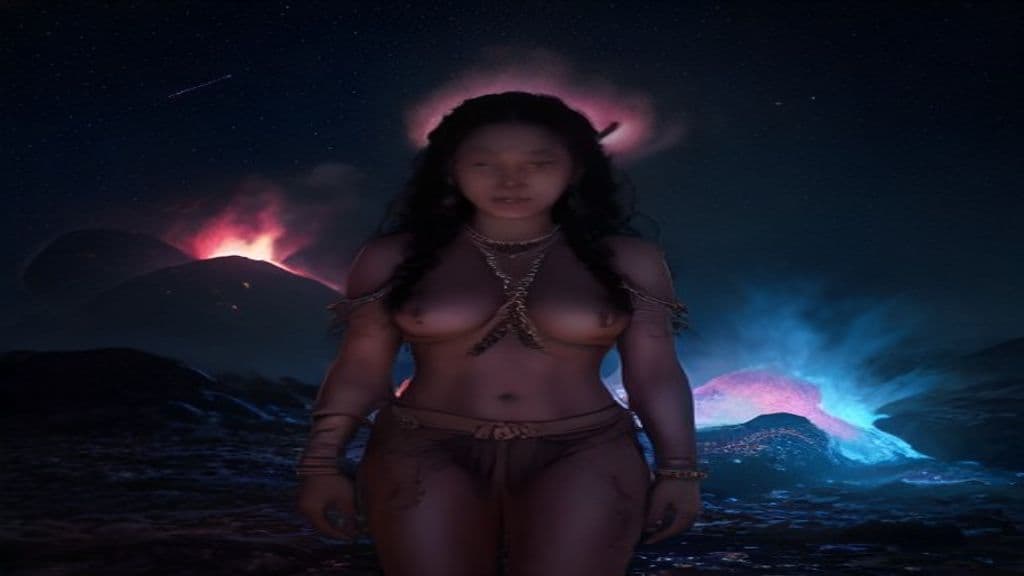
Pele is the Hawaiian goddess of fire, lightning, wind, and volcanoes, traditionally credited in Hawaiian narratives as the creator of the Hawaiian Islands and addressed with honorifics such as "Madame Pele" and "Tūtū Pele." She figures in genealogies of Hawaiian deities and in myths that explain volcanic activity and island formation.

Pele's Curse
Minor Spirit

Pele's Curse

A supernatural concept that manifests as an implied threat of bad luck associated with taking native Hawaiian materials away from Hawaii. (Note: 1. Power tier: Greater (the curse can have significant consequences for those who disregard it) 2. Abilities: specify that the bad luck is said to manifest as accidents, mishaps, or other unfortunate )

Pueo
Lesser

Pueo

The pueo is the Hawaiian subspecies of the short‑eared owl (Asio flammeus sandwichensis) and, in Native Hawaiian belief, a common physical form assumed by ʻaumākua (ancestor guardian spirits). It functions both as an endemic bird with specific ecological vulnerabilities and as a culturally significant ancestral protector and omen, mentioned in chants and mele.

Rangi and Papa
Primordial

Rangi and Papa

Rangi (Ranginui) and Papa (Papatūānuku) are the primordial sky father and earth mother of Māori cosmogony whose intimate union encloses their many children in primeval darkness; their forced separation is the central creative act that brings light, space, and the ordering of the world and its domains.

Rehua
Ancient

Rehua

Rehua is a very sacred sky-personage in Māori tradition who dwells in the highest heaven and is described as untouched by death with powers of healing and revival; in Tahitian material Rehua appears as a star-god associated with the New Year and the production of star-groups.

Riukākara
Lesser

Riukākara

A type of ocean-going canoe in Māori tradition, significant in the migrations that settled New Zealand. (Note: 1. Power tier should be revised as "Primordial" since it's described as one of the great ocean-going canoes and played a significant role in settling New Zealand. 2. Add sensory cues that reflect its )

Roua
Ancient

Roua

Roua is a creator figure attested in a brief summary of Tahiti and Society Islands mythology, described as the creator god of the Tuamotus and the father, by Taonoui, of Fati (the moon god) and the stars.

Rākaihautū
Greater

Rākaihautū

A Polynesian ancestor and captain of the Uruaokapuarangi canoe, revered by various iwi groups in Māori tradition. (Note: 1. Power tier: Based on the provided source material, there is no indication that Rākaihautū has supernatural abilities, so Greater power tier may be inaccurate. 2. Abilities: The draft states that it)

Tagaloa
Ancient

Tagaloa

In Samoan myth Tagaloa (also Tagaloa-Lagi or Tagaloa Lagi) is presented as the supreme ruler and creator who dwells in the heavens and is credited in various traditions with making the heavens, sky, land, seas, fresh water, trees, and people. Tagaloa functions as progenitor of other gods and figures in origin narratives that link divine actions to island formation and human genealogy.

Tamatea Pokai Whenua
Lesser

Tamatea Pokai Whenua

Tamatea Pokai Whenua (also Tamatea Pōkaiwhenua, Tamatea Urehaea) is remembered in Māori sources as an important ariki (chieftain) and ancestral explorer whose voyages and deeds are invoked in place‑names, whakapapa, marae and iwi institutions. He is presented as a human tūpuna whose travels help explain landscape names and validate tribal affiliations rather than as a supernatural entity.

Tangaloa
Ancient

Tangaloa

Tangaloa is a family of sky-associated divine personages in Tongan mythology whose members together occupy roles tied to rulership of the sky and genealogical links between heavenly beings and human chiefly lines. The name is a Polynesian cognate found across island traditions with variable local functions.

Tangaroa
Ancient

Tangaroa

Tangaroa is a principal Polynesian atua of oceanic realms — in Māori tradition he is the great atua of the sea, lakes, rivers, and creatures within them, especially fish. Cognate figures (Tagaloa, Tangaloa, Taʻaroa, Kanaloa) appear across Polynesia with varying rank and functions from departmental sea-god to supreme creator in regional traditions.

Taʻaroa
Primordial

Taʻaroa

Taʻaroa is the supreme creator god of the Society Islands (French Polynesia), depicted in origin myths as a primordial being who existed alone in a shell or egg in the pre-cosmic void and fashioned the world and other gods from his shell and body.

Tiʻitiʻi
Greater

Tiʻitiʻi

Tiʻitiʻi is a Samoan mythological culture-hero, a Māui-type figure who performs transformative deeds for humans — most notably wresting the secret of fire from the earthquake god Mafuiʻe. He is presented in Samoan tradition as an extraordinary being whose exploits explain origins and important cultural goods rather than as a regularly worshipped deity.

Tākitimu
None

Tākitimu

An ancestral waka (canoe) in Māori tradition, representing a cultural and historical connection between Polynesia and New Zealand. (Note: - Power tier: Primordial (due to its role in facilitating a major cultural and historical event) - Abilities: Not applicable, as it doesn't possess supernatural powers or behaviors; instead, describe )

Tūpurupuru
Lesser

Tūpurupuru

Tūpurupuru is a named human rangatira/warrior in Māori tradition, remembered in regional narratives (notably Wairarapa and some East Coast accounts) as a leader who confronts and kills the taniwha Ngārara Huarau and who appears in related genealogical and local-place stories. He functions as an ancestral/heroic human agent rather than a class of supernatural being.

Tūwhakararo
Ancient

Tūwhakararo

A chief in Māori mythology, significant figure in the migration myth of Hawaiki. (Note: 1. Power tier: Downgrade to Greater (he is not described as having supernatural abilities, but his significance lies in his leadership). 2. Sensory cues: Add "None mentioned" or "Unknown". 3. Weakness)

Ulupoka
Greater

Ulupoka

Ulupoka is a figure in Fijian and wider Polynesian mythic material described in modern summaries as a god of evil and demons whose beheading left a wandering body and an autonomous head that bring sickness, death, and misfortune across Pacific islands.

Varima-te-takere
Primordial

Varima-te-takere

Varima-te-takere is the primordial mother-figure of southern Cook Islands cosmology (Mangaia/Rarotonga). She is the originating substrate or womb in the lowest depth of Avaiki from which the principal gods and, by extension, humankind are formed.

Wahieloa
Lesser

Wahieloa

Hero in Hawaiian mythology associated with epic stories. (Note: * Power tier: Given that Wahieloa is associated with epic stories and has exceptional abilities, it's likely that his power tier should be Greater (powerful regional) or at least Ancient (deity-level))

Wākea
Primordial

Wākea

Wākea is the Hawaiian Sky father and primordial ancestral progenitor who, with Papahānaumoku, forms the founding parent‑couple of the Hawaiian cosmos and chiefly genealogies. He is credited in some accounts with cosmogenic acts (creating islands, heavens, rain, and celestial bodies), is ancestor of the aliʻi, and is associated with moral adjudication of departed souls.

ʻAumakua
Greater

ʻAumakua

An ʻaumakua is a Hawaiian personal or family deity that originates as a deified ancestor and functions as a protective and evaluative spirit for a particular family line. It may manifest through various 'spirit vehicles' such as animals or natural objects and acts as guardian and moral arbiter for descendants.

ʻElepaio
Minor Spirit

ʻElepaio

The ʻelepaio is a species of bird (monarch flycatcher) endemic to the Hawaiian Islands, known for its adaptability and survival in various environments. (Note: 1. Power tier is not supported by source material; ʻelepaio's abilities and behaviors as a monarch flycatcher species do not imply Minor Spirit classification. 2. Add sensory cues (e.g., distinctive c)