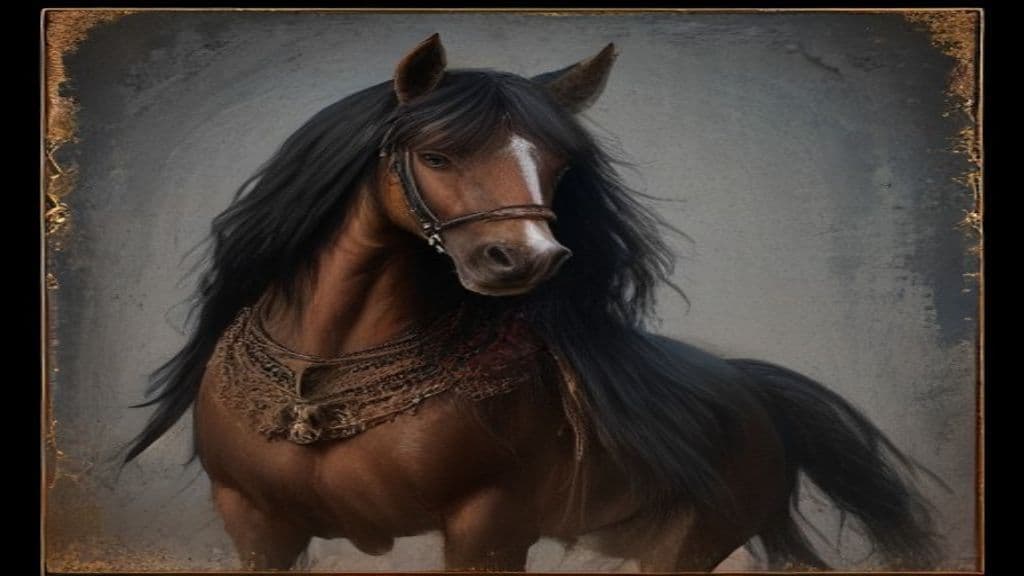
The sources do not preserve a narrative origin tale for the si'lah. Attestations are lexical and glossatorial: the principal evidence comes from a scholion in the Diwan al-Mufaḍḍaliyāt where the term is used and glossed. In that commentary the si'lah is described as the most dangerous among female ghūl or as an enchantress associated with the jinn. Thus the entity's presence in the record is primarily as a named folkloric figure embedded in poetic language and glosses rather than as part of a transmitted creation or origin myth.
No sustained physical description is provided in the available material. The attested usage is largely metaphorical (for example, a horse said to have "turned into a si'lah"), which indicates an imagined female threatening or beguiling presence but supplies no concrete visual features. The commentary frames the si'lah as a dangerous female demon/enchantress without detailing form, attire, or consistent outward traits.
In the scholion the si'lah is characterized as exceptionally dangerous among female ghūl and as an "enchantress of the Jinn," implying capacities for enchantment, seduction, and harmful action typical of ghūl/jinn-related figures in Arabic folk taxonomy. Poetry uses the term to convey wildness, swiftness, danger, or beguiling power (as when comparing a powerful horse to a si'lah). The commentary's phrasing links the si'lah to jinnic agency or influence by association but does not specify techniques, spells, or precise supernatural mechanics.
Weaknesses
- conditionabsence of specific weaknesses in sources
Wards
- ritualar-ruqā (ruqyah)
- otherat-tamīm (tamīmah / amulet)
- othertilism (talisman)
A'ra
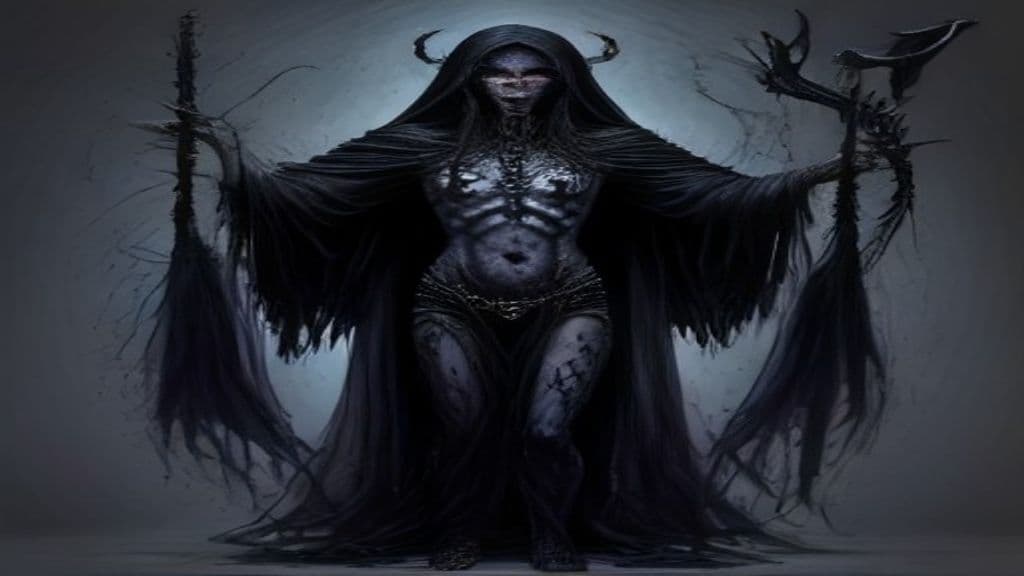
No reliable sources in the supplied material establish A'ra as a distinct supernatural entity. The token "A'ra" appears in the dataset as (a) part of general references to pre-Islamic Arabian deities, (b) a modern Korean female given name (A-ra/아라), and (c) an Arabic toponym (A'ra, one village merged into Ar'ara).
Ababil
Ababil (Arabic: أبابيل, romanized abābīl) are miraculous birds mentioned in the Qur'anic account of Surah Al‑Fil. In Islamic tradition they appear as a divinely sent avian host that defended the Kaaba by pelting an invading army with small clay stones; tradition places the event in the year traditionally given as 570 CE.
Abadir
Abadir is a polysemous name attested in distinct cultural contexts: a legendary founding saint and clan ancestor in eastern Ethiopia (Sheikh Abadir Umar Al‑Rida / Aw Abadir), a term applied to cone‑shaped cult stones in Phoenician religious description, and a personal name of a martyr (Abadir/Apater) in the Coptic Synaxarium. The attestations are independent usages of the same name rather than a single supernatural being.
Abdul Qadir Gilani
A historical 11th–12th century Hanbali jurist, preacher, and Sufi shaykh who became the eponym and principal early figure of the Qadiriyya tariqa; venerated in Sunni Sufi traditions as an Awliya (saint) and often given exalted hagiographical ranks such as Muḥi al‑Dīn and Ghawth.
Abel
Abel is the second son of Adam and Eve in the Genesis narrative, a shepherd whose accepted offering and subsequent murder by his brother Cain form the biblical account of the first death. Later interpretive traditions expand his role, treating him as an archetypal righteous victim, a postmortem avenging or adjudicating figure, and in some systems (notably Mandaean) identifying him with an angelic lightbeing.
Abgal
Abgal (Arabic: أبغال) is a pre‑Islamic local tutelary figure attested in the Palmyrene cultural sphere (c. 154–270 AD), primarily venerated by nomadic Arab groups in the Syrian desert. He appears in inscriptions and reliefs as one of a constellation of armed, mounted protective deities associated with caravan and nomadic protection, though no ritual texts survive in the cited sources.
Abraham (Ibrāhīm) in Islam
Ibrāhīm (Abraham) in Islam is a human prophet and messenger chosen by God, a paradigm of pure monotheism (hanīf), patriarchal ancestor to later peoples and prophets, and traditionally regarded as having helped establish the Kaʿbah with his son Ismāʿīl. He is called Khalīl Allāh ('Friend of God') and is central to rites commemorated in Hajj and Eid al‑Adha.
Abū Lahab
Abū Lahab (ʿAbd al-ʿUzzā ibn ʿAbd al-Muṭṭalib) is a historical Meccan figure — a paternal uncle of the Prophet Muḥammad and a Quraysh leader who opposed the Prophet; he is singled out and condemned in Qurʾān 111 (Sūrat al-Masad) and functions in Islamic textual memory as an exemplar of divine punishment for opposition.
Adam (ʾĀdam)
In Islamic theology Adam (Arabic: آدم, ʾĀdam) is presented as the first human being and the first prophet (nabī), created by God from earth/clay, granted life by God's spirit, placed in a paradisal Garden, taught knowledge (the "Names"), tested by divine command, tempted by Iblīs, and ultimately sent to live and die on Earth while remaining eligible for repentance and forgiveness.
Ahmed al-Badawī
Ahmed al-Badawī (Aḥmad al-Badawī, al-Sayyid al-Badawī) was a 13th-century Arab Sufi mystic and founder of the Badawiyyah order. Born in Fes to a Bedouin tribe and later settled in Tanta, Egypt, his tomb remains a major site of visitation and he is regarded as one of the most popular Sufi saints in Egypt (sources emphasize his historical sainthood and pilgrimage cult rather than detailed folkloric attributes).
Aicha Kandicha (Qandisa)
Aicha Kandicha (also romanized Qandisa/Qandisha) is a female mythological figure in Moroccan folklore described as a jinn-like seductress associated with water. She appears as a beautiful woman with hoofed lower limbs who dwells at rivers, springs, lakes and the sea and is said to use sexual allure to seduce men, sometimes driving them mad or killing them.
Aicha Qandicha
Aicha Qandicha is a female seductress spirit in northern Moroccan folklore, often associated with bodies of water and implicated in harmful encounters with men. She appears both as a wild liminal monster and as a named spirit incorporated into local ritual systems (Hamadsha, Zār, Buffi Sufi orders).
Community Record
- [1]Diwan al-Mufaḍḍaliyāt (scholia and commentary excerpt as cited). Scholion on a poem in Diwan al-Mufaḍḍaliyāt (commentary noting 'si'lah' as 'the most dangerous of the female demons called ghūl, or an enchantress of the Jinn'); glossary entries on ar-ruqā and at-tamīm in the same commentary.literary
- [2]Demonology (overview entry referencing Arabic categories). Overview noting classifications of unseen beings and usage of terms such as jinn and ghūl; cited in the research notes as contextual background for the scholion's taxonomy.wiki