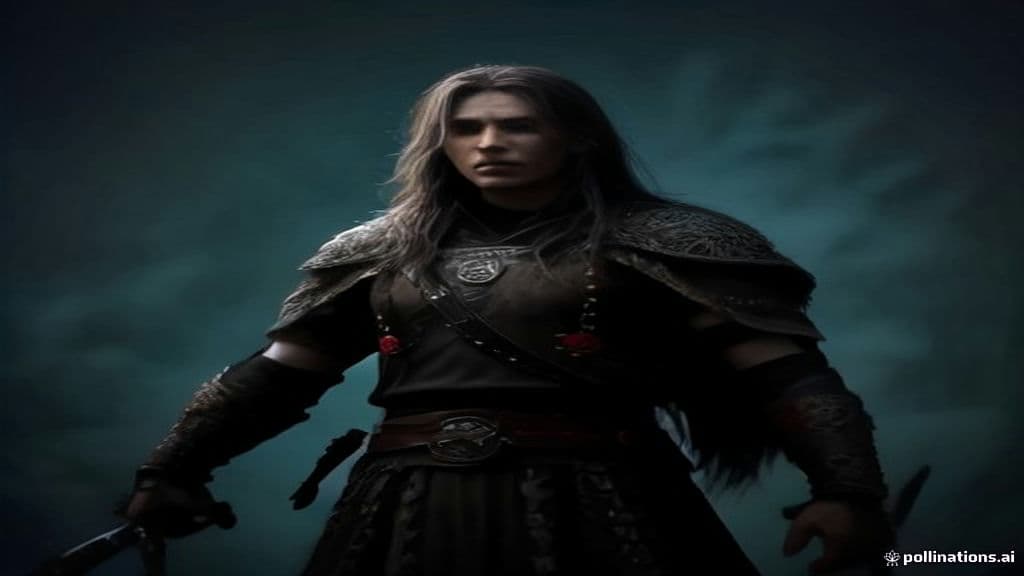
Sinfjötli is a hero in Norse folklore, from Scandinavia. Sinfjötli (Old Norse Sinfjǫtli; Old English cognate Fitela) is a legendary hero of the Völsung cycle—presented as the son (and in saga logic also nephew) of Sigmund—whose life in the Norse sagas combines exceptional martial prowess, an episode of lycanthropic curse tied to cursed wolf-skins, and a death by poisoning after which Odin takes his body away.
In the Völsunga saga Sinfjǫtli is born to Signý by deliberate design to continue the Völsung line and to carry out vengeance against King Siggeir; Signý uses a shape-changing stratagem (appearing in the form of a völva) and spends nights with her brother Sigmund to conceive him. In Old English tradition the cognate Fitela appears as Sigmund's nephew (Beowulf reference), reflecting variation between traditions.
Saga descriptions emphasize Sinfjötli as no less strong, handsome, and fearless than Völsung himself; he is portrayed as a young warrior who grows to adult strength and martial prowess. The sources supply no systematic physical metrics (height, hair color, garments) beyond this heroic characterization.
Sinfjötli displays exceptional martial skill and endurance in the saga: he takes part in the killings required for Signý's revenge, ignores extreme pain (an episode describing cuffs sewn to skin), and engages in combative speech (he appears as an accuser in a flyting in the Poetic Edda). He and Sigmund encounter men sleeping in cursed wolves' skins; by killing them and donning the skins they become afflicted with a form of lycanthropy (the sources describe this as a curse tied to the wolf-skins). After his death by Borghild's poisoned wine, Odin—disguised as a ferryman—takes Sinfjötli's body away, implying divine intervention in his fate.
Weaknesses
- otherpoison (Borghild's poisoned cup caused his death)
- conditioncurse of wolf-skins (lycanthropy-like affliction tied to donning cursed wolves' skins)
Wards
- substancedestruction or avoidance of cursed wolf-skins (narrative prevention: do not don or keep the cursed skins)
Odin
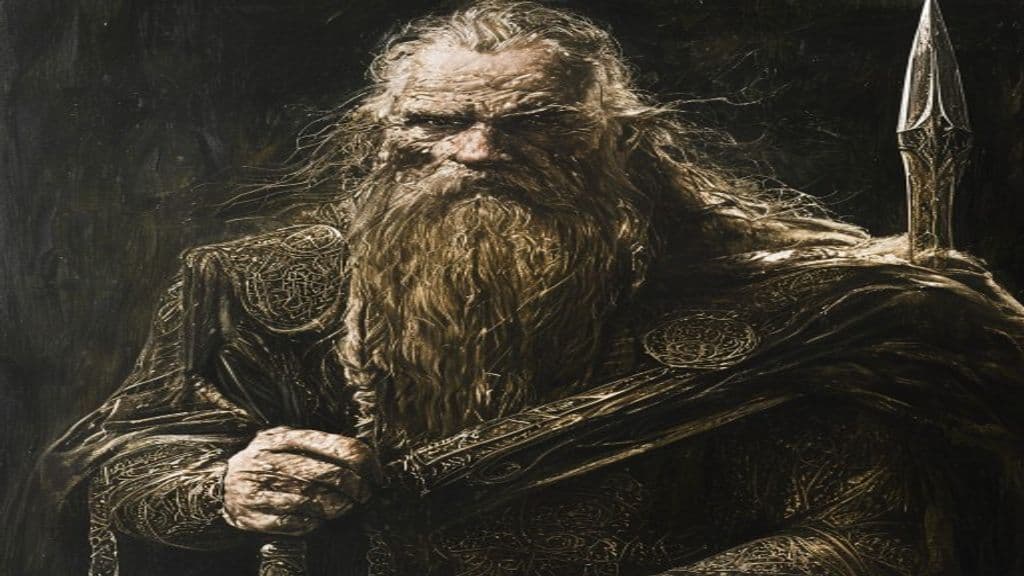
Odin (Old Norse: Óðinn) is the chief god of the Norse (Æsir) pantheon, a multifaceted deity associated with wisdom obtained by sacrifice, poetic inspiration, death and warfare, and rulership over the hall Valhöll where chosen slain warriors (einherjar) dwell. He appears throughout Germanic tradition from Roman-era accounts through the Viking Age and in later folklore as leader of the Wild Hunt.
Sigmund
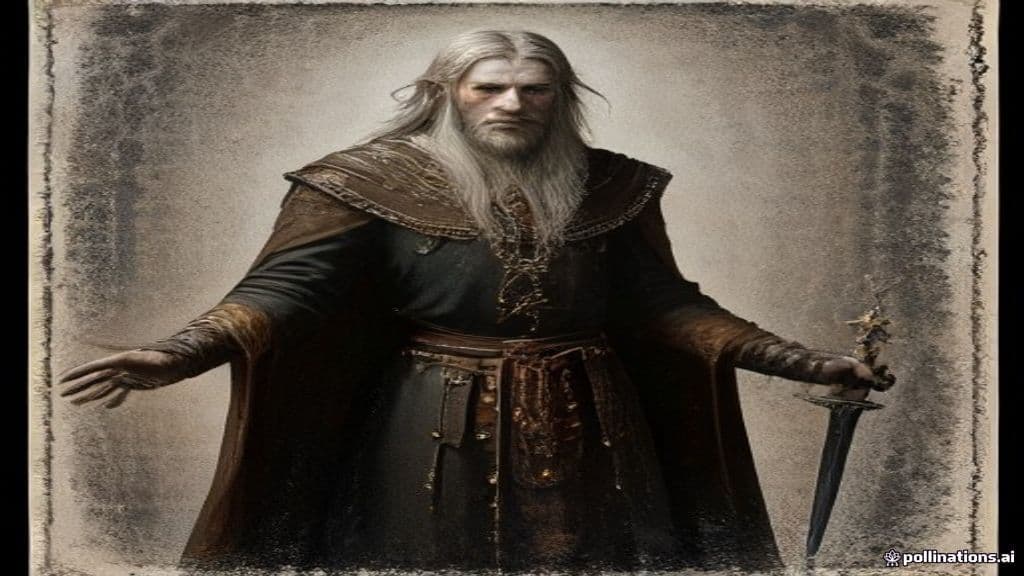
Sigmund is a legendary human hero of the Völsung (Wælsing) lineage in Germanic/Norse and Anglo‑Saxon literary tradition. Presented as son of Völsung and Hljod and father of later heroes, his life links kin‑vengeance, an Odin‑placed sword, cursed wolf‑skins, and the hereditary destiny that prepares for the later dragon‑slayer of the cycle.

Signy
Signy (Old Norse: Signý) is the personal name of several human heroines in medieval Scandinavian legend, most notably two connected figures in the Völsunga cycle and the Hagbard–Signy tale; in the sagas she is a mortal royal woman whose life is defined by kin-vengeance, cunning, and self-sacrifice rather than supernatural agency.
Abdiel
Abdiel (Hebrew עֲבְדִּיאֵל) is primarily a theophoric Hebrew personal name meaning "servant of El/servant of God," attested once in the Hebrew Bible (1 Chronicles 5:15). In later literature—most notably John Milton's Paradise Lost—Abdiel is reimagined as a faithful seraph who opposes Satan's revolt. The provided sources do not treat Abdiel as an autonomous folkloric spirit type or record rituals or wards associated with the name.
Abiel
Abiel is attested in the supplied sources only as a male given name — borne by several historical American individuals and listed as two minor biblical figures. The provided materials contain no evidence presenting Abiel as a supernatural, mythological, or folkloric entity.
Abigail
Abigail is a female figure in the Hebrew Bible portrayed in 1 Samuel 25 as the intelligent and beautiful wife of Nabal who intervenes to prevent David from committing violence; later tradition regards her as one of the Tanakh's seven female prophets and as a model of beauty and wisdom.
Abraun
Abraun is an attested name in German-language plant-legend scholarship (Der abraun, ein beitrag zur pflanzensagenkunde, 1916) and a short database entry (Wikidata) labels it as a spirit from German mythology. Surviving accessible documentation is extremely limited: the principal academic treatment is a 1916 contribution to pflanzensagenkunde (plant-saga studies), but the excerpts available here contain only bibliographic metadata and do not record tales, descriptions, or rituals.
Accolon
Accolon is a mortal knight of the Arthurian court, presented in the Post-Vulgate Merlin tradition and Malory's Le Morte d'Arthur as Morgan le Fay's paramour and instrument in a plot to supplant King Arthur; his tale centers on enchanted weapons (Excalibur and its scabbard), love-manipulation, and a tragic duel with Arthur.
Adils
Adils (Old Norse Aðils; also Eadgils, Adillus, Athisl, Adhel) is a semi‑legendary sixth‑century Swedish king attested in Old Norse saga material and later medieval traditions. He appears in saga episodes as a storied royal figure involved in warfare, court acts, and marriage suits rather than as a supernatural being.
Adsullata
Adsullata is attested as a Continental Celtic river goddess associated with the River Savus (modern Sava) in the Roman province of Noricum. Later traditions record her presence in Brittany as a goddess of hot springs and present her as an antecedent or origin-form of the Anglo‑Celtic sun goddess Sul.
Afaon fab Taliesin
Afaon fab Taliesin is a medieval Welsh warrior-counsellor, named as a son of the bard Taliesin and recorded among Arthur’s retinue in Welsh tradition. He appears in the Welsh Triads and in the tale Breuddwyd Rhonabwy (The Dream of Rhonabwy) as a notable martial figure and proverb-speaker rather than as a supernatural being.
Agilaz (Egil)
Agilaz (reconstructed Proto-Germanic) — commonly recorded in medieval sources as Egil or Ægil — is a legendary archer attested in Germanic heroic tradition. He appears as the brother of Völund (Wayland/Weland) in the Old Norse poem Völundarkviða and in the Thidreks saga, and his name is also inscribed on early medieval objects (Franks Casket, Pforzen buckle). The attested material presents him as a named heroic human archer within saga and inscriptional contexts rather than as a recurrent supernatural species.
Aglovale
Aglovale (also Agloval, Aglovan, Aglovaus, Acglavael) is a human knight of Arthurian romance, presented as the eldest legitimate son of King Pellinore and a Knight of the Round Table in the Vulgate/Post‑Vulgate cycles, Malory, and later adaptations. He brings his long‑lost brother Perceval to Camelot, takes part in military actions (including slaying Agrippa in one account), and his death is related in varying ways across traditions (accidental at Gawain's hand, deliberate murder by Orkney kin, or killed during Lancelot's rescue of Guinevere).
Agnarr Geirröðsson
Agnarr Geirröðsson is a mortal prince attested only in the Poetic Edda poem Grímnismál; he aids Odin (disguised as Grímnir) during Geirröðr's torture and, after Odin reveals himself and King Geirröðr dies, Agnarr succeeds as king.
Agne
Agne (also attested Agni, Hogne, Agni Skjálfarbondi) is a semi-legendary king of Sweden in Old Norse saga tradition, preserved in the Ynglingatal corpus and prose expansions such as Snorri Sturluson's Ynglinga saga. He is portrayed as a mighty and famous warrior-king whose campaign in Finland, marriage to Skjalf, and death by hanging form a remembered episode connected to local place-names and a burial mound.
Community Record
- [1]Sinfjötli. Wikipedia entry 'Sinfjötli' (sections on life, etymology, and death)wiki
- [2]The Saga of the Volsungs : the Norse epic of Sigurd the Dragon Slayer. Byock translation / edition of the Völsunga saga (narrative material on Signý, Sinfjǫtli, wolf-skin episode, Borghild's poisoning, and Odin's ferrying)literary
- [3]The Norse Mythology Blog — The Heroes, Part Two & Part Three. Norse Mythology Blog summaries and discussion of heroic material (secondary commentary cited in notes)other
- [4]Archive: The werewolf hunter's guide. Secondary thematic material on werewolf motifs referenced in research notesother
- [5]Wikidata: Sinfjötli. Wikidata item on Sinfjötli (cross-reference for names and identifiers)other