English Supernatural Beings

294 documented English supernatural beings from the Evil Eye grimoire, including 186 lesser and 54 minor spirit in power tier.

page 1 of 5

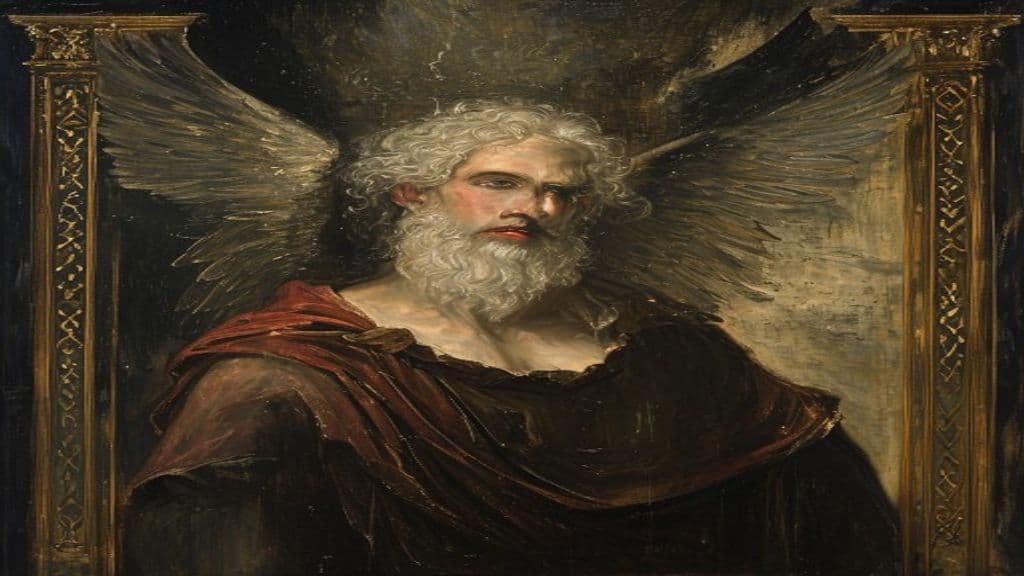
Abdiel
Minor Spirit

Abdiel

Abdiel (Hebrew עֲבְדִּיאֵל) is primarily a theophoric Hebrew personal name meaning "servant of El/servant of God," attested once in the Hebrew Bible (1 Chronicles 5:15). In later literature—most notably John Milton's Paradise Lost—Abdiel is reimagined as a faithful seraph who opposes Satan's revolt. The provided sources do not treat Abdiel as an autonomous folkloric spirit type or record rituals or wards associated with the name.
Abiel
Lesser

Abiel

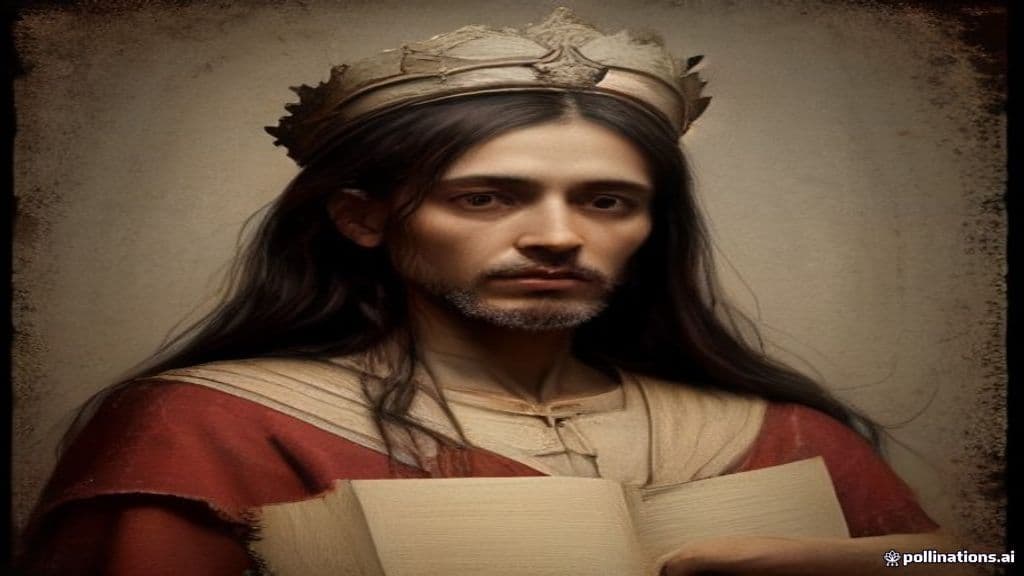
Abiel is attested in the supplied sources only as a male given name — borne by several historical American individuals and listed as two minor biblical figures. The provided materials contain no evidence presenting Abiel as a supernatural, mythological, or folkloric entity.

Abigail
Lesser

Abigail

Abigail is a female figure in the Hebrew Bible portrayed in 1 Samuel 25 as the intelligent and beautiful wife of Nabal who intervenes to prevent David from committing violence; later tradition regards her as one of the Tanakh's seven female prophets and as a model of beauty and wisdom.

Accolon
Lesser

Accolon

Accolon is a mortal knight of the Arthurian court, presented in the Post-Vulgate Merlin tradition and Malory's Le Morte d'Arthur as Morgan le Fay's paramour and instrument in a plot to supplant King Arthur; his tale centers on enchanted weapons (Excalibur and its scabbard), love-manipulation, and a tragic duel with Arthur.

Adsullata
Ancient

Adsullata

Adsullata is attested as a Continental Celtic river goddess associated with the River Savus (modern Sava) in the Roman province of Noricum. Later traditions record her presence in Brittany as a goddess of hot springs and present her as an antecedent or origin-form of the Anglo‑Celtic sun goddess Sul.

Afaon fab Taliesin
Lesser

Afaon fab Taliesin

Afaon fab Taliesin is a medieval Welsh warrior-counsellor, named as a son of the bard Taliesin and recorded among Arthur’s retinue in Welsh tradition. He appears in the Welsh Triads and in the tale Breuddwyd Rhonabwy (The Dream of Rhonabwy) as a notable martial figure and proverb-speaker rather than as a supernatural being.

Aglovale
Lesser

Aglovale

Aglovale (also Agloval, Aglovan, Aglovaus, Acglavael) is a human knight of Arthurian romance, presented as the eldest legitimate son of King Pellinore and a Knight of the Round Table in the Vulgate/Post‑Vulgate cycles, Malory, and later adaptations. He brings his long‑lost brother Perceval to Camelot, takes part in military actions (including slaying Agrippa in one account), and his death is related in varying ways across traditions (accidental at Gawain's hand, deliberate murder by Orkney kin, or killed during Lancelot's rescue of Guinevere).

Agravain
Minor Spirit

Agravain

Agravain is a literary knight of Arthurian romance cycles: one of the sons of King Lot of Orkney, a member of the Round Table, and a recurring figure in French and English medieval prose and verse. He is portrayed as a skilled but morally problematic courtly knight whose jealousy, malice, and intra-familial violence drive key narrative conflicts (notably the slaying of Lamorak and the exposure of Guinevere).
Albanactus
Lesser

Albanactus

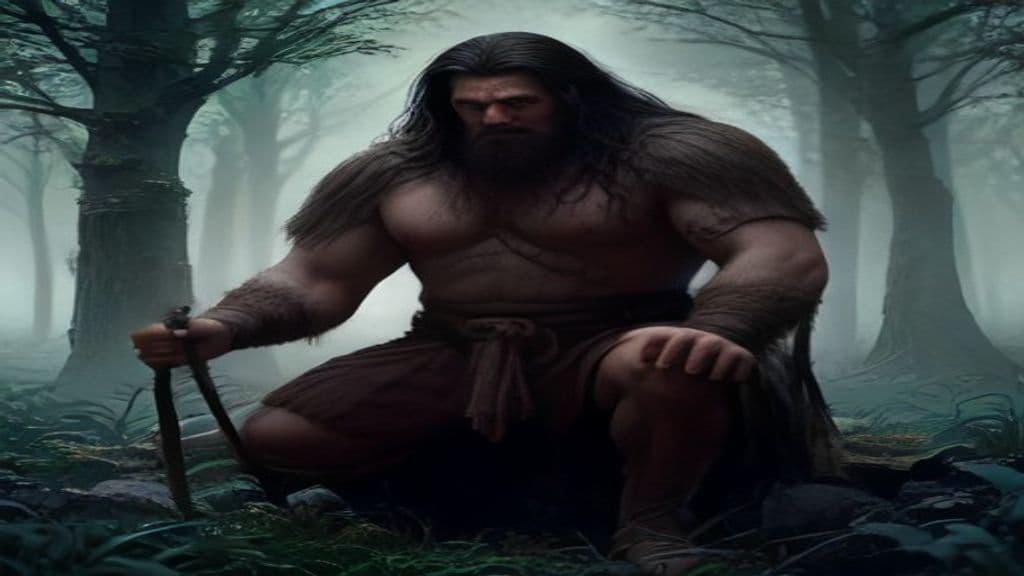
Albanactus is a legendary eponymous founder-king in medieval pseudo-historical chronicles (not a supernatural being). In Geoffrey of Monmouth’s narrative he is the youngest son of Brutus who receives Alba/Albany as his share, rules briefly, and is killed by Humber, king of the Huns; the figure serves as a medieval reverse-etiology to explain the name of the land and to support later political claims.

Aldroen
Lesser

Aldroen

Aldroen is a legendary early medieval king of the Bretons of Armorica appearing in Geoffrey of Monmouth and later medieval chroniclers. Presented as a dynastic and martial founder-figure (son of Salomon) in pseudo-historical accounts, he is credited in tradition with military action in 5th-century Brittany and involvement in British-Breton affairs rather than any supernatural role.

Alice (Alice's Adventures in Wonderland)
Minor Spirit

Alice (Alice's Adventures in Wonderland)

Alice is the fictional little girl protagonist of Lewis Carroll's 1865 novel Alice's Adventures in Wonderland. Portrayed as a curious child who follows a White Rabbit down a rabbit hole, she serves as the reader's point of entry into the dreamlike realm of Wonderland and is not described in the provided sources as a supernatural being.

Allison Gross
Lesser

Allison Gross

A witch-figure from a Scottish/English ballad (Child 35) who courts a man with gifts and, when rebuffed, transforms him into a wyrm bound to a tree; in some versions the Seelie Queen later restores him. Presented in ballad tradition as a powerful but contestable supernatural suitor and punishor.

Alphyn
Minor Spirit

Alphyn

The alphyn is a heraldic composite creature from medieval European heraldry and bestiary traditions, depicted as a chimera-like emblematic beast used on coats of arms, badges, and tapestries. Sources treat it as a stock heraldic motif with variable parts rather than as a folkloric spirit or deity.

Ambrosius Aurelianus
Minor Spirit

Ambrosius Aurelianus

Ambrosius Aurelianus is presented in British late‑antique and medieval literary sources as a Romano‑British leader who rallied survivors against Anglo‑Saxon incursions in the 5th century. He is attested earliest in Gildas's De Excidio (6th century) as a Christian aristocratic war leader and is later expanded into prophetic and dynastic roles in the Historia Brittonum (9th century) and Geoffrey of Monmouth (12th century).

Amphialus (Amphialos)
Minor Spirit

Amphialus (Amphialos)

Amphialus (Ancient Greek: Άμφίαλος, Amphialus/Amphialos, lit. 'of two seas') is a recurring personal name in classical Greek epic, genealogical tradition, and later pastoral/romance literature. The name is applied to several distinct mortal figures — a Phaeacian athlete in the Odyssey, various seafaring companions and suitors in Homeric summaries, a son of Neoptolemus and Andromache in genealogical accounts, and a noble/warrior character in early modern Arcadian romances — rather than to a single supernatural being.

Amphibalus
Lesser

Amphibalus

Amphibalus is a medieval hagiographical figure—an early Christian priest said to have sheltered Saint Alban in Roman Britain. The personal name appears in twelfth-century sources and the figure became the focus of relic veneration and a local cult at St Albans Abbey in the later Middle Ages.

Ancasta
Lesser

Ancasta

Ancasta is a locally attested Celtic goddess known from a single Roman-period votive inscription from Clausentum (modern Bitterne, near Southampton). She appears as a named deity venerated in the context of a fulfilled vow; little else about her cult, appearance, or powers is recorded in the surviving sources.

Andraste
Lesser

Andraste

Andraste (also attested as Andrasta or Andate in some passages) is a named supernatural figure invoked by the Iceni in the Roman account of Boudica's rebellion (AD 60). Recorded by Dio Cassius as a recipient of Boudica's rallying prayer, Andraste functions in surviving sources as a tutelary war figure associated with victory and the preservation of liberty.

Angel of Hadley
Lesser

Angel of Hadley

A New England colonial legend of a sudden, providential defender who appeared in Hadley, Massachusetts during attacks in King Philip's War. The figure is commonly identified in tradition with the fugitive regicide Colonel William Goffe; accounts blend possible historical actions, contemporary silence or obfuscation, and later legendary embellishment that calls the rescuer an 'angel.'

Angels of Mons
Greater

Angels of Mons

A World War I legend of a supernatural force that intervened to protect British troops during the Battle of Mons (23 August 1914). Originating in Arthur Machen's short story "The Bowmen" and amplified by wartime press, spiritualist magazines, sermons and memoirs, the phenomenon was variously described as phantom medieval bowmen, a luminous cloud, or angelic warriors associated with Christian figures such as St. George, Joan of Arc, or the archangel Michael.

Annowre (Elergia)
Lesser

Annowre (Elergia)

Annowre (also rendered Anouwre; Elergia in Italian La Tavola Ritonda) is a malignant enchantress in medieval Arthurian romance who attempts to seduce and bewitch King Arthur, typically through an enchanted ring and an entrapping tower or castle; she is ultimately overthrown and beheaded, her head displayed as proof of victory.

Anties
Minor Spirit

Anties

Anties is not a documented supernatural being in the supplied sources; the string appears primarily as a personal name (Antie) in Dutch and early American records and as a lexical element in modern titles and technical names. No coherent folkloric characteristics, rituals, or cosmology are attested in the provided material.

Anu
Primordial

Anu

Anu (also Ana, Anann, Anand) is a mother-figure in early Irish tradition associated with nourishment, territorial fertility and prosperity—especially in Munster—and is variably conflated with other maternal or war-related goddesses in later sources.

Archgallo
Lesser

Archgallo

Archgallo is a legendary mortal king in the pseudo‑historical Kings of Britain tradition (popularized by Geoffrey of Monmouth). His story, dated in the chronicle framework to around 339 BC, narrates tyranny, deposition, exile, restoration by his dutiful brother Elidurus, a decade of reformed rule, and death.

Archimago
Lesser

Archimago

A human sorcerer figure from Edmund Spenser's The Faerie Queene who practices deceptive magic—creating false appearances and impersonations—to tempt and undermine the faith and virtue of the poem's protagonists. The figure is read by critics as an allegorical personification of religious hypocrisy and temptation; the name also contributed to later literary vocabulary for a high-ranking wizard.

Arnemetia
Minor Spirit

Arnemetia

Arnemetia is a local Romano-British goddess attested by a shrine name at Aquae Arnemetiae (modern Buxton, Derbyshire). Her name links her to a sacred grove (nemeton) and to water, suggesting a place-centered divinity associated with spring(s) and grove cults.

Arragoussets
Lesser

Arragoussets

Arragoussets are a class of dwarf-like, troglodyte beings in Anglo-Norman folklore of Guernsey, portrayed as a warlike subterranean people who emerged from a named coastal cavern and committed lethal raids on the human population; the surviving account names only two human survivors, a man and a boy, who hid in an abandoned oven for multiple years.

Arvirargus
Ancient

Arvirargus

Arvirargus is a legendary British king presented in medieval chronicle tradition (notably Geoffrey of Monmouth) as a first‑century AD ruler who fought the Romans, married a Roman emperor's daughter in narrative, rebuilt cities, and was buried at Gloucester; modern scholarship treats Geoffrey's account as highly romanticised and of uncertain historicity, possibly echoing the historical Caratacus/Togodumnus.

Aschanes
Lesser

Aschanes

Aschanes is attested in medieval and modern sources as a legendary eponymous ancestor associated with Saxon origin tales (not presented as a clearly supernatural being). The name also appears separately in biblical-commentarial material where its status as a personal name or an office is debated.

Asrai
Lesser

Asrai

A female aquatic fairy or water-spirit figure appearing in English-language literature and later folkloric-style retellings; associated with lakes and deep water and variably described as timid, long-lived, and vulnerable to light. Its provenance is disputed between 19th‑century literary origins and later folkloric claims.

Atmospheric ghost lights
Lesser

Atmospheric ghost lights

Luminous aerial phenomena reported in folklore and modern observation: balls, orbs, beams, or floating fires that appear in the atmosphere without an obvious physical cause. Traditions variously interpret them as spirits of the dead, yōkai/fairy activity, signs connected to graves or buried goods, weather omens, or as natural optical/electrical phenomena.

Aurvandil
Lesser

Aurvandil

Aurvandil is a named figure in medieval Germanic traditions attested across Norse, Old English, Old High German, Lombardic, and Old Danish/Latinized sources. In Norse material he figures in a cosmological episode in which Thor casts his frozen toe into the sky as the star Aurvandils-tá; in Old Danish/Latinized tradition (Saxo) a Horwendillus/Ørvendil bearing the same name appears as the father of Amlethus in a legendary-genealogical narrative.

Aurvandill
Lesser

Aurvandill

Aurvandill is a figure attested in medieval Germanic onomastics and Norse narrative, most famously remembered in an Old Norse tale where Thor carries him across icy rivers and his frozen toe is cast into the sky as the star called Aurvandils-tá. Comparative linguistic study reconstructs a Common Germanic name associated with dawn or the morning star.

Barghest
Lesser

Barghest

A Northern English uncanny presence most often described as a monstrous black dog that serves as an omen of death; the term also covers variant local beings (ghosts or household elves) in some counties, making it a fluid category of liminal, threatening presences in regional folklore.

Beaduhild (Böðvildr)
Lesser

Beaduhild (Böðvildr)

Beaduhild (Old Norse Böðvildr; Old English Beaduhild/Beadohild; also Bodil, Badhild) is a legendary human princess in Germanic heroic tradition whose life is entangled with the smith Wayland (Weland/Vǫlundr). In earlier sources she appears as a tragic victim in the Weland cycle; in later Scandinavian recensions she is recast as Wayland's wife and the mother of a heroic descendant (Viðga).

Beast of Bodmin
Lesser

Beast of Bodmin

A modern British cryptid associated with reports of a non-native large cat prowling Bodmin Moor, Cornwall. Treated variously as an escaped or released large felid blamed for livestock damage and as a piece of contemporary folklore amplified by media, books and popular culture.

Bedwyr (Bedivere)
Minor Spirit

Bedwyr (Bedivere)

Bedwyr (Welsh; Anglicized Bedivere) is a named heroic figure in early Welsh poetry and later medieval Arthurian romances. Presented in the sources as a human warrior and courtier — famed as the one‑handed great warrior Bedwyr Bedrydant in Welsh texts and later as a Knight of the Round Table and Arthur's marshal who, in English versions, returns Excalibur to the Lady of the Lake.

Belatucadros
Lesser

Belatucadros

Belatucadros is a native Brittonic/Celtic deity attested in northern Britain (modern Cumbria) whose cult continued into the Roman period; in Romano-British inscriptions he is commonly equated with the Roman god Mars (Mars Belatucadrus). Archaeological evidence shows roughly 28 inscriptions in the Hadrian's Wall region and small, simple altars, suggesting a local tribal protector and martial focus worshipped by Britons and lower-ranked Roman soldiers.

Belinus
Lesser

Belinus

Belinus is a legendary king of the Britons as recounted in Geoffrey of Monmouth’s Historia regum Britanniae and later summaries: a warrior-king and lawgiver who fights his brother Brennius, unites Britain, campaigns in Gaul and Italy, founds or restores cities (notably Kaerusc/Caerleon), and is cremated atop a great tower at his death. His name is probably derived from the ancient god Belenus according to some modern summaries, but the sources treat him as a human legendary ruler rather than a deity.

Beorn
Lesser

Beorn

A fictional individual in J. R. R. Tolkien's legendarium: a 'skin-changer' who is a man able to assume the form of a great black bear. He is a solitary chieftain who aids the company in The Hobbit and becomes the ancestor of the Beornings, a people retaining diminished bear-shaping power.

Beowa (Germanic Tradition)
Greater

Beowa (Germanic Tradition)

A figure associated with barley and agriculture, appearing in Anglo-Saxon royal genealogies. (Note: - Power tier should be Primordial or Ancient, as it's associated with agriculture and fertility on a cosmic or deity-level. - The appearance section is missing, but since there's no description in the)

Beowulf
Lesser

Beowulf

Beowulf is a legendary Geatish hero preserved in the Old English epic poem Beowulf. Presented as an exceptional human warrior and later king, he undertakes dangerous journeys to aid other polities (notably the Danes of Hrothgar) and to protect his own people, confronting monstrous threats such as Grendel and Grendel's mother.

Berthe / Bertha
Lesser

Berthe / Bertha

A personal name attested across heterogeneous historical, hagiographic, civic, and folkloric sources rather than a single, consistently defined supernatural being. The supplied materials record Bertha as (separately) a historical queen (Bertha of Kent), a late/local Rheims saint (Ste. Berthe of Avenay), a named processional giant (Anderlecht), and a German‑language folk‑literary figure (Bertha die Spinnerin).

Bertilak (the Green Knight)
Lesser

Bertilak (the Green Knight)

A lordly figure in the Matter of Britain who, in Sir Gawain and the Green Knight and related texts, is revealed to be the Green Knight in disguise. He functions as a host and supernatural tester who stages a beheading-game and a day-by-day exchange bargain to examine Sir Gawain's chivalric virtue.

Bilbo Baggins
Minor Spirit

Bilbo Baggins

Bilbo Baggins is a fictional Hobbit character in J. R. R. Tolkien's legendarium, protagonist of The Hobbit and a supporting figure in The Lord of the Rings; within Tolkien's conceit he is also presented as the in-world author/translator of parts of the Red Book of Westmarch.

Billy Blind
Lesser

Billy Blind

Billy Blind is a named household spirit from English and Lowland Scottish ballad tradition who appears as an advising helper in Child ballads, providing information, revelation, and stratagems that enable protagonists to resolve enchantment, identity, and childbirth crises. Attestations are narrative (ballads) and later literary/television adaptations draw on his advising role.

Biscione
Minor Spirit

Biscione

The Biscione is a heraldic charge — a stylized large grass-snake (Italian biscione) depicted with a small human figure in its mouth — used as a dynastic and civic emblem associated chiefly with the Visconti and Sforza of Milan and later municipal and corporate identities. In the provided sources it functions as an emblematic device rather than a narrated supernatural being.

Bisclavret
Lesser

Bisclavret

A named nobleman in Marie de France’s lai who periodically transforms into a wolf for three days each week; the tale treats his condition as a distinct, non‑typical form of shape‑change tied to hidden clothing and resolved through royal investigation and recovery of those garments.

Bisterne Dragon
Lesser

Bisterne Dragon

A place‑bound legendary dragon from the New Forest (Hampshire, England) said to have laired on Burley Beacon and to have demanded milk from nearby Bisterne; slain in medieval pedigree tradition by a knight of the Berkeley family, its corpse is said to have formed a local hill (Boltons Bench).

Black Annis
Lesser

Black Annis

Black Annis is a Leicestershire bogeywoman in English folklore: a blue-faced, clawed hag said to haunt Dane Hills and a cave called Black Anny's Bower Close. Traditionally portrayed as a nocturnal predator of children and lambs who tans victims' skins to wear, she inspired local customs including an Easter Monday drag-hunt.

Black Dog (folklore)
Greater

Black Dog (folklore)

A class of supernatural canine apparition in British vernacular folklore, often associated with liminal places and regarded as an omen-bearing or guardian hound. Local named forms (Black Shuck, Barghest, Gurt Dog, Gallytrot) show a range from malign, death-portending hellhounds to benevolent guide-figures.

Black Lady of Bradley Woods
Minor Spirit

Black Lady of Bradley Woods

A site-bound female apparition from Bradley Woods, Lincolnshire, depicted as a mourning woman in black who wanders the woods in search of lost family. She is presented in local tradition as pitiable and unnerving rather than actively harmful, and has been used in parental admonitions and local storytelling.

Black Shuck
Greater

Black Shuck

A spectral black dog of East Anglian legend, with glowing red or green eyes. Its appearance is an omen of death. Its howl has been heard on clifftops during storms for centuries.

Bladud
Lesser

Bladud

Bladud is a legendary king of the Britons credited in medieval and later sources with founding the city of Bath and discovering the healing properties of its hot mud/springs. He appears in Geoffrey of Monmouth's pseudo-historical tradition and later retellings that amplify motifs of healing, learning, necromancy, and an attempted flight that causes his death.

Bledudo (Welsh: Blaiddyd)
Minor Spirit

Bledudo (Welsh: Blaiddyd)

Bledudo (Welsh: Blaiddyd) is a legendary or pseudo‑historical king recorded in Geoffrey of Monmouth’s regnal lists and later compilations of the Kings of Britain. He appears in medieval and post‑medieval king lists as a named ruler placed between Merianus and Cap (with some manuscript variation showing Oenus in neighboring positions) and is dated to c. 191 BC in modern summaries of those lists.

Bleoberis
Minor Spirit

Bleoberis

Bleoberis is a legendary Arthurian knight appearing across medieval romance cycles as a recurring Round Table member, kinsman of Lancelot, and participant in major campaigns, funerary duties, and penitential pilgrimage narratives. He functions as a noble companion and political-military actor rather than a supernatural being.

Bloody Bones
Lesser

Bloody Bones

Bloody Bones (also Rawhead, Rawhead-and-Bloody-Bones) is a vernacular bogeyman figure originating in Britain and carried into regional North American traditions; it functions chiefly as a cautionary monster used to frighten children from danger and ill speech, typically associated with deep water or dark household recesses.

Blue Ben (of Kilve)
Lesser

Blue Ben (of Kilve)

A local Somerset dragon-legend tied to the coastal landscape of Kilve. The tale explains coastal features and a fossil ichthyosaur skull by attributing them to the life and death of a fire-breathing dragon sometimes said to have been ridden by the Devil.

Bluecap
Lesser

Bluecap

A small blue flame-like mining spirit from Anglo-Scottish border and North East England folk belief that inhabits coal mines and pits. Appearing as a flickering blue flame, Bluecaps guide miners to rich seams, warn of cave-ins, and expect payment in the form of a working man’s wages left in a secluded corner of the mine.

Blunderbore
Lesser

Blunderbore

Blunderbore is a stock giant of English and Cornish folklore, appearing as a corporeal monstrous antagonist in tales such as Jack the Giant Killer and regional variants like Tom the Tinkeard. He is depicted through his actions—kidnapping, highway obstruction, and violent strength—and is typically overcome by a human folk-hero who frees captives and reasserts social order.