Entity Index

A record of the unseen, drawn from world folklore.

7631 entities · page 20 of 128

Arinniti (Sun goddess of Arinna)
Ancient

Arinniti (Sun goddess of Arinna)

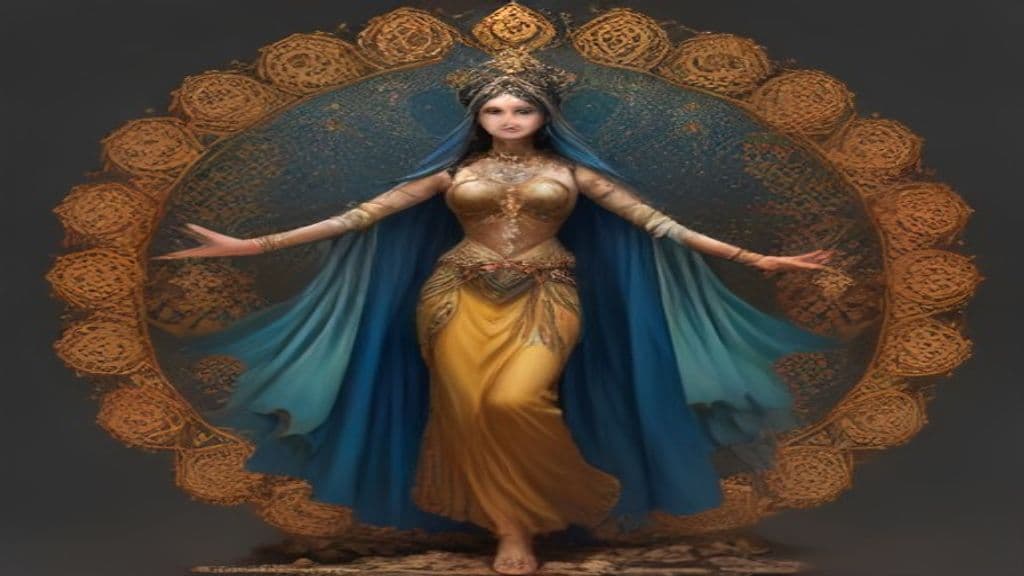
The Sun goddess of Arinna, often called Arinniti, is the chief solar female deity of the Hittite state religion, venerated as the protector and tutelary goddess of the Hittite kingdom with her cult center at the sacred city of Arinna. She is described as the "Queen of all lands" and is closely associated with the Hittite weather god Tarḫunna.

Arioch
Greater

Arioch

Arioch (Hebrew: אַרְיוֹךְ, ’Aryōḵ) is a personal name recorded in Genesis 14 as the "king of Ellasar" who took part in a coalition of kings at the Battle of Siddim. In later literary, occult, and popular-fantasy traditions the name is reused for various infernal or chaotic personae (e.g., listed in grimoires as a demon, named among fallen angels in Milton, a lord of Chaos in Michael Moorcock, and a duke of Hell in Greyhawk lore).

Arion
Lesser

Arion

Arion (Ancient Greek: Ἀρίων) is a legendary/kitharode musician in Greek mythic-poetic tradition, famed for exceptional skill on the kithara and for a narrative in which his singing summons dolphins that rescue him from shipboard treachery; the episode ends in cultic commemoration and aetiology linking the dolphin to the constellation Delphinus.

Arishem the Judge
Ancient

Arishem the Judge

Arishem the Judge is a fictional cosmic being in Marvel Comics, one of the Celestials whose specific role is judicial: judging civilizations and leading Celestial landing parties. Portrayed as an immense, near-immortal cosmic entity, Arishem has created species, culled populations, and participated in multiversal cycles of creation and destruction.

Arisia Rrab
Greater

Arisia Rrab

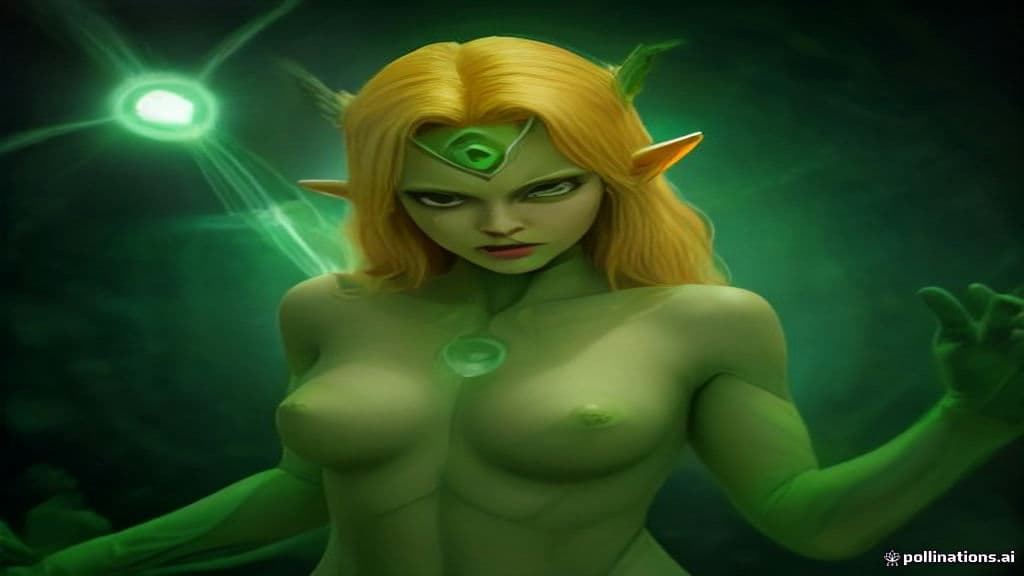
Arisia Rrab is a Green Lantern Corps officer in DC Comics continuity: a Graxos IV alien who serves as an interstellar law-enforcement Lantern. Her abilities are primarily mediated through her Corps power ring; narrative arcs include service on Oa, assignments in Sector 2815, interpersonal relationships with other Lanterns, an apparent on-panel death and later revealed survival due to a healing factor.

Aristaeus
Lesser

Aristaeus

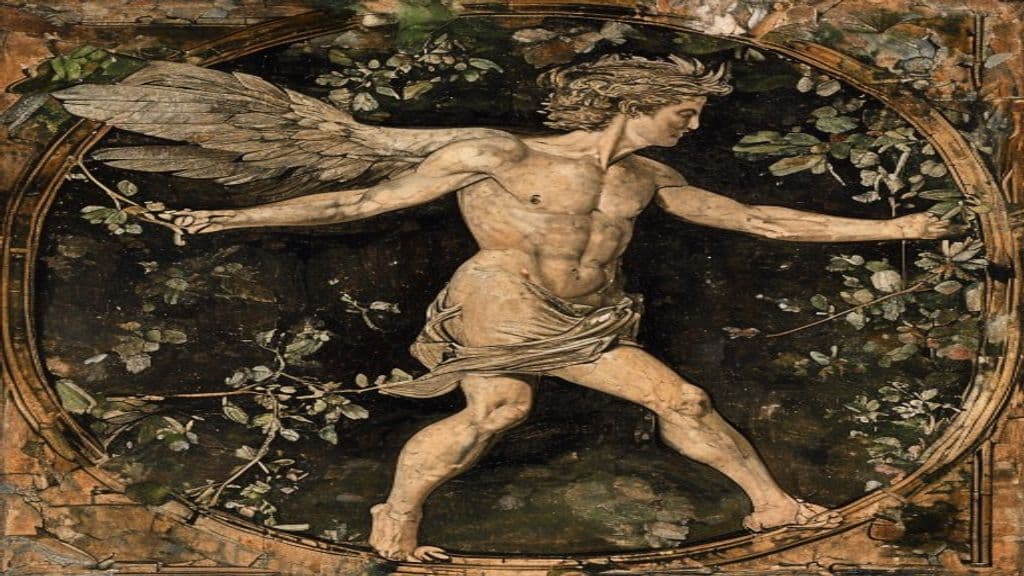
Aristaeus (Ancient Greek: Ἀρισταῖος) is a mythic culture-hero and minor godlike figure in Greek tradition, honored as the patron and transmitter of rural arts (notably beekeeping, dairying, olive cultivation, and viticulture). He functions as a liminal figure between mortal heroes and divinities, appearing in local cults across the Greek world and in literary narratives that explain the origin and restoration of pastoral practices.

Aristo of Chios
Minor Spirit

Aristo of Chios

Aristo of Chios (Greek: Ἀρίστων ὁ Χῖος, fl. c. 260 BC) was a Hellenistic Greek philosopher associated with the Stoic tradition who founded a distinct, ethics-focused current often labeled the Aristonians. A pupil of Zeno of Citium who later taught at the Cynosarges gymnasium in Athens, he is remembered for rejecting the Stoic emphasis on logic and physics and for advocating a narrowed, practice-oriented program centered on defining the Supreme Good.

Aristomachus
Lesser

Aristomachus

Aristomachus (Ancient Greek: Ἀριστόμαχος) is a Greek personal name borne by multiple historical and mythological individuals rather than a single supernatural being. Bearers include mythic figures listed in genealogies, two Hellenistic tyrants of Argos, a Crotonian political actor, a writer cited by Pliny on agriculture/domestic economy, a sculptor from the banks of the Strymon, and a Byzantine official in sixth‑century Egypt.

Aristonymus (Aristonymus of Athens)
Minor Spirit

Aristonymus (Aristonymus of Athens)

Aristonymus (Greek: Ἀριστώνυμος) is a classical Greek personal name attested for multiple historical individuals in literary and historical sources. Bearers of the name appear in political, military, familial, and literary contexts across 5th–4th century BCE Greek records and later compilations.

Arizelus
Minor Spirit

Arizelus

Arizelus (also attested Arizelos, Latinized Arizela) is attested in Greek literary and onomastic sources as a personal name borne by mortal figures. In epic genealogy he is known only as the father (patronym) of the warrior Harpalion; in later literature the name appears as the father of an orator Timarchus. No supernatural attributes are recorded.

Arjasp
Lesser

Arjasp

Arjasp (Arjāsp) is a legendary Iranian antagonist attested in the Avesta, Middle Persian literature, and the epic Shahnameh. In earlier Zoroastrian hymns he appears as leader of the hostile Xyaona tribe opposed to Vishtaspa/Goshtasp's adoption of Zoroastrianism; in later Pahlavi and epic tradition he is historicized as a Turanian king and military rival who besieges Iranian strongholds and is slain by the hero Esfandiyar.

Arjuna
Ancient

Arjuna

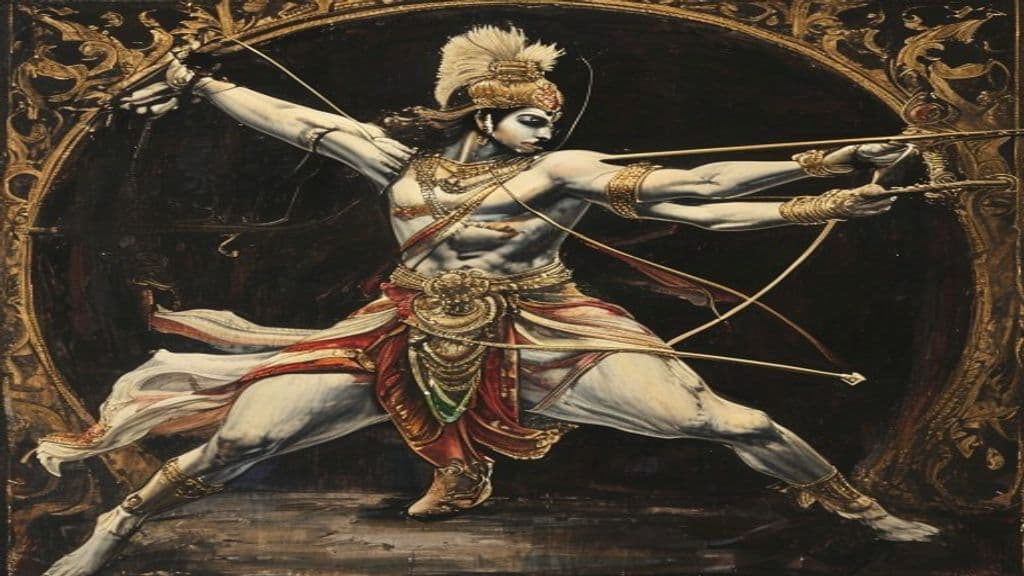
Arjuna is the central heroic prince of the Pandava brothers in the Sanskrit epic the Mahabharata. Son of Indra and Kunti, he is famed as the preeminent archer, recipient of divine weapons and teachings (notably Krishna's Bhagavad Gita), and a principal human exemplar through whom questions of duty (dharma), ritual kingship, and the human–divine relationship are explored.

Arkan Sonney
Lesser

Arkan Sonney

A Manx folkloric 'fairy animal' whose name is also the everyday Manx word for hedgehog; in tradition it appears as a white pig that brings good fortune to those who see or catch it but causes misfortune if held too long.

Arkaroo
Primordial

Arkaroo

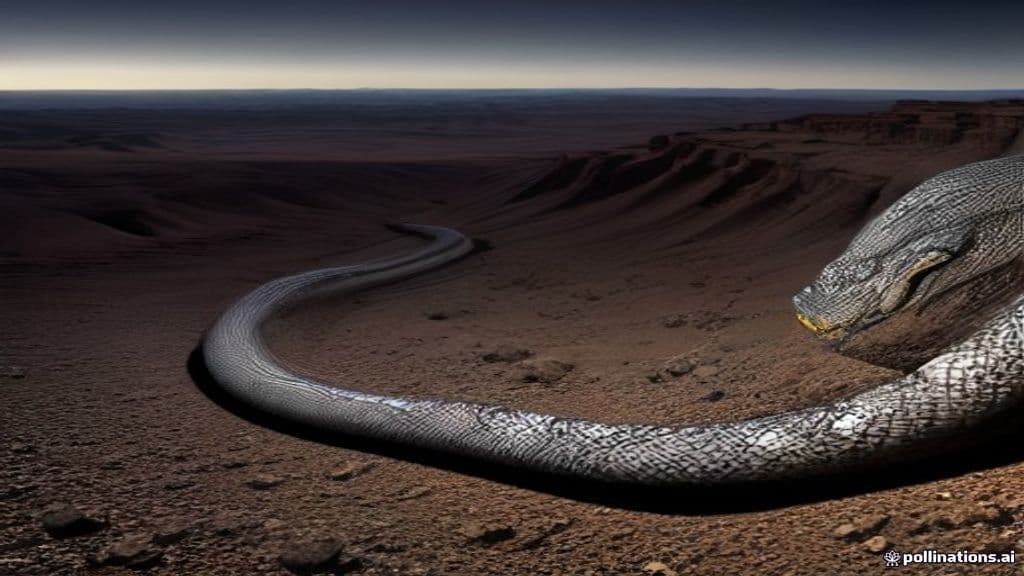
Arkaroo is a primordial ancestral serpent of the Dreaming associated with the northern Flinders Ranges (Ikara/Wilpena Pound) in South Australia. In local creation narratives it drank the waters of Lake Frome, carved valleys by reclining in the mountains, and left waterholes where it rested; the being is commemorated in place-names and rock art at sites such as Arkaroo Rock.

Arke
Lesser

Arke

Arke (Ancient Greek Ἄρκη, Árkē; variant Arce) is a minor Greek messenger-divinity, daughter of Thaumas, who sided with the Titans in the Titanomachy. After the Titans' defeat she was punished by Zeus — her wings were cut off and she was cast into Tartarus — and in some traditions her severed wings were later given to Peleus and Thetis and then to Achilles.

Arkon
Greater

Arkon

Arkon is a fictional extradimensional warlord and ruler (titled Imperion) of the extra-dimensional world Polemachus in Marvel Comics. He is portrayed as a superhuman warrior-leader who travels between his world and Earth (and other planes) pursuing solutions to existential crises and engaging in conquest, alliance, and romantic entanglements with Earth heroes.

Armandine
Minor Spirit

Armandine

Armandine is not attested in the supplied sources as a folkloric or supernatural entity. The string 'Armandine' appears only as a modern feminine personal name, a toponym, and as the name of fictional characters in contemporary media.

Armenus
Mortal

Armenus

A mortal figure and Argonaut in Greek mythology, participating in the quest for the Golden Fleece. Relatively unknown in the larger mythological narrative. (Note: * Power tier should be changed to Primordial is incorrect; since Armenus is a mortal figure in human mythology. * Add sensory cues: Since there's no physical description available, it could say "None )

Armilus
Ancient

Armilus

Armilus is an eschatological anti-messiah figure in medieval Jewish apocalyptic literature who rises at the end of days to conquer the nations, persecute Israel, and is ultimately destroyed by the Jewish Messiah and divine intervention. He functions as a foil to messianic figures and is variously portrayed with syncretic origins and differing physical descriptions across sources.

Arnaeus (Irus)
Lesser

Arnaeus (Irus)

Arnaeus, commonly called Irus in English translations, is a mortal beggar who appears in Book XVIII of Homer's Odyssey as a hanger‑on in the hall of Odysseus on Ithaca. He functions in the narrative as a social type and a foil for the disguised Odysseus, provoking a public fight that illustrates themes of hospitality, social disorder, and appearances versus reality.

Arnakuagsak
Ancient

Arnakuagsak

Arnakuagsak is an Inuit sea-mother deity worshipped primarily in Greenland, described as an 'old woman from the sea' who is responsible for ensuring hunters' success and the health and strength of the people. She is treated in sources as essentially equivalent to related sea-mother figures in Canadian and Alaskan Inuit traditions.

Arnapkapfaaluk
Greater

Arnapkapfaaluk

A fearsome sea-being of the Coronation Gulf Copper Inuit who controls access to seals and other marine mammals; she withholds game as punishment for taboos or indiscretions and thus governs hunters' success.

Arnavāz
Lesser

Arnavāz

Arnavāz is a named royal woman in Persian epic tradition (Shahnameh and related recensions). She is presented as a consort of the usurper Zahhāk who, after his defeat, is taken into Fereydun's household and in some versions is mother of Iraj, thus functioning as a dynastic node in the epic genealogy.

Arne (daughter of Aeolus)
Lesser

Arne (daughter of Aeolus)

Arne (Ancient Greek: Ἄρνη, Árnē) is a mortal woman in Greek mythic genealogy, presented as daughter of Aeolus and Melanippe and as ancestress of the Boeotians through her son Boeotus. Her narrative links human lineages with divine action (Poseidon) and local eponymy (a city named for her appears in the Iliad's Catalogue of Ships).

Arne Sithonis
Minor Spirit

Arne Sithonis

A figure from Ovid's Metamorphoses: a princess who accepted Minos' bribe to betray her island and was punished by the gods with metamorphosis into a black-footed, black-winged jackdaw forever attracted to gold and shining objects. The tale is attested only in Ovid (as preserved in modern summaries) and functions as a moral exemplum about greed and betrayal.

Arnemetia
Minor Spirit

Arnemetia

Arnemetia is a local Romano-British goddess attested by a shrine name at Aquae Arnemetiae (modern Buxton, Derbyshire). Her name links her to a sacred grove (nemeton) and to water, suggesting a place-centered divinity associated with spring(s) and grove cults.

Arnim Zola
Greater

Arnim Zola

Arnim Zola is a fictional human-origin supervillain from Marvel Comics: a biochemist and genetic engineer who becomes an enduring antagonist through technological means — notably mind-transfer, cloning, and android bodies — and as an agent of Hydra and the Red Skull across multiple media.

Arphugitonos
Lesser

Arphugitonos

Arphugitonos is a named angel attested in the Greek Apocalypse of Ezra / Revelation of Esdras as one of nine heavenly beings who "will govern 'at the end of the world'." The name appears only nominally in the apocalyptic vision and is not accompanied by description, etymology, or ritual material in the supplied sources.

Arquetu
Lesser

Arquetu

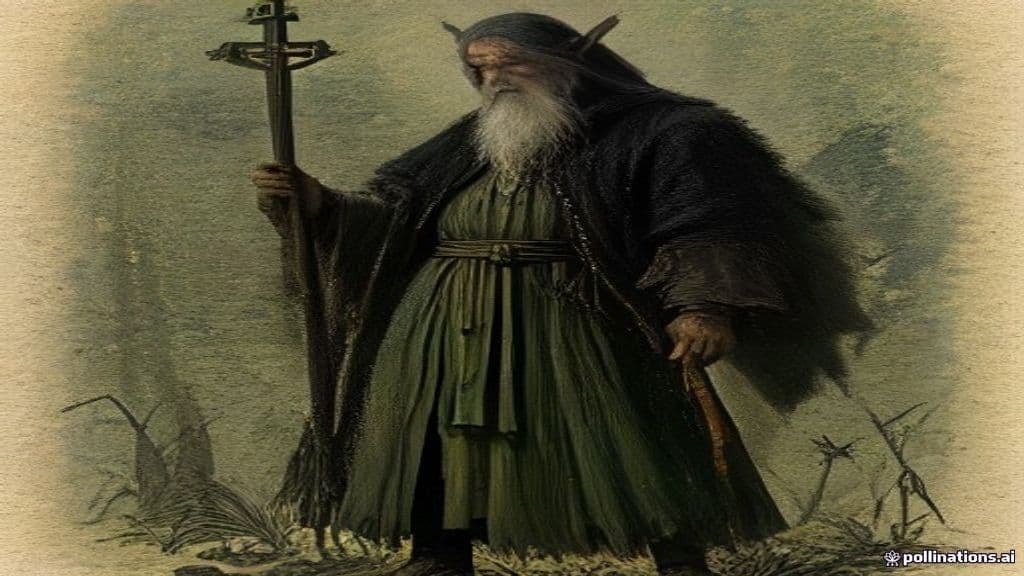
A Cantabrian popular-belief figure depicted as an old man marked with a green cross and seven keys on his forehead who intervenes in human economic affairs by lending money to prodigals and punishing repeat wastefulness with a curse of eternal poverty.

Arragoussets
Lesser

Arragoussets

Arragoussets are a class of dwarf-like, troglodyte beings in Anglo-Norman folklore of Guernsey, portrayed as a warlike subterranean people who emerged from a named coastal cavern and committed lethal raids on the human population; the surviving account names only two human survivors, a man and a boy, who hid in an abandoned oven for multiple years.

Arrhon
Lesser

Arrhon

Arrhon (Ancient Greek: Ἄρρων) is a mortal figure preserved in Greek mythic genealogies. The name refers to at least two distinct persons: a Minyan prince of Orchomenus, son of King Clymenus, and an Arcadian genealogical ancestor said to be father of Psophis.

Arrowette
Lesser

Arrowette

Arrowette is a legacy heroic persona from American comic-book continuity (DC Comics), adopted by two related women across generations: Bonnie King (the original 'Miss Arrowette') and her daughter Suzanne 'Cissie' King-Jones. Within the fictional world she is a human, costume‑wearing archer whose identity functions as a public role, team membership, and a locus for interpersonal and moral drama rather than a supernatural being.

Arsay
Lesser

Arsay

Arsay is a goddess attested in the late Bronze Age Ugaritic corpus. She appears as one of the daughters of the storm god Baal in the Baal Cycle and is known from a small number of offering-list and god-list documents; interpretations of her function range between associations with the underworld and with subterranean or meteorological waters, but the textual evidence is ambiguous.

Arsenius the Great
Lesser

Arsenius the Great

Arsenius the Great (c. 350/354–c. 445/450) was a Roman-born imperial tutor who renounced court life to become an anchorite among the Desert Fathers in Egypt. Venerated as a saint in Eastern Orthodox, Coptic, and Roman Catholic traditions, he is remembered for extreme humility, prolonged solitude, silence, copious tears of devotion, and brief monastic writings and sayings preserved in the Apophthegmata Patrum and other collections.

Arsinoe (daughter of Nicocreon)
Lesser

Arsinoe (daughter of Nicocreon)

Arsinoe is a Cypriot princess in a late-antique account who, after spurning the suitor Arceophon and informing her parents of his advances, is turned into stone by the goddess Aphrodite. The tale survives as a brief mythic variant of a wider Cypriot petrification motif and is presented as an instance where petrifaction signals the subject's cold-heartedness.

Art mac Cuinn
Lesser

Art mac Cuinn

Art mac Cuinn (also called Art Óenfer) is a legendary High King of Ireland from medieval Irish saga and pseudo-historical tradition. Presented as a mortal ruler and son of Conn, his story appears across variants that connect kingship, otherworldly women, geasa, and prophetic/druidic pronouncements; later compilers attempt to synchronise his reign with known historical chronologies.

Art the Clown
Greater

Art the Clown

Art the Clown is a fictional recurring antagonist created by filmmaker Damien Leone who functions as a persistent, malevolent slasher figure in contemporary horror films. Within the franchise narrative he is presented as an ambiguous supernatural being who stalks, torments, and murders victims and who resists permanent death across multiple appearances.

Artahe
Ancient

Artahe

Tutelary deity of Southern Gaul and Aquitania, providing protection and care to her associated group or place. (Note: - Power tier: Lower than Ancient (consider Greater, as she's a regional deity) - Sensory cues and weaknesses and wards are missing; add relevant information from source material - Abilities should inc)

Artaius
Lesser

Artaius

Artaius is an epithet attached to the Roman god Mercury in a Romano-Celtic inscription from Beaucroissant (Isère, Gaul). The name derives from Gaulish elements related to artos 'bear' or alternatively from a local toponym, and it functions as a localizing or descriptive qualifier of Mercury rather than a fully independent deity in the attested evidence.

Artemiche
Minor Spirit

Artemiche

Artemiche (Ancient Greek: Ἀρτεμίχη, romanized Artemikhe) is a minor figure in Greek myth, a daughter of Clinis who, after a crisis involving an attempted sacrificial imitation of Hyperborean practice, is transformed by Artemis and Leto into a lark. Her story functions as an aetiology for a bird species and as part of a narrative stressing correct sacrificial conduct.

Artemis
Ancient

Artemis

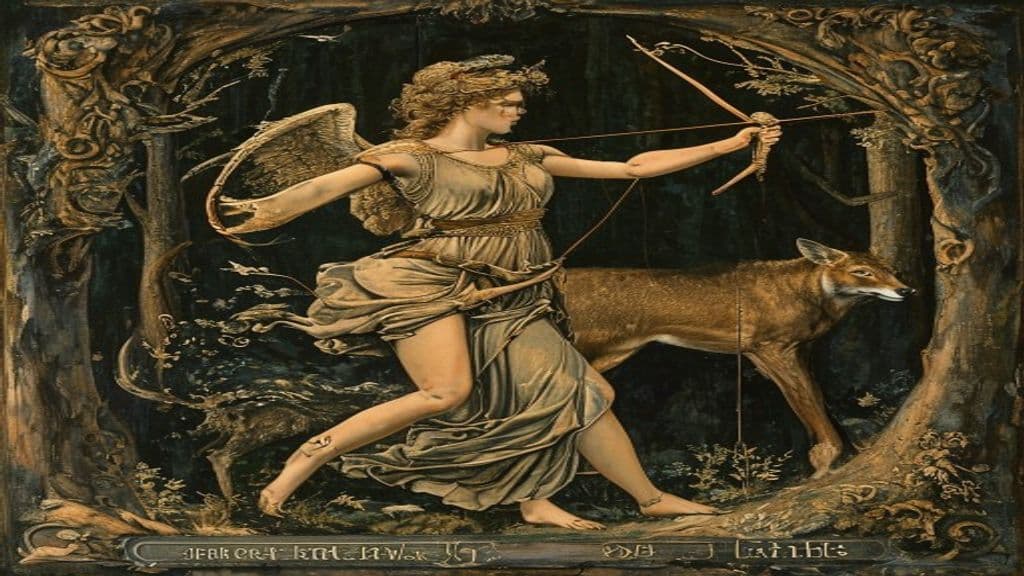
Artemis is an ancient Greek goddess of hunting, the wilderness and wild animals, transitions (especially childbirth and puberty), vegetation, and chastity. Twin sister of Apollo and daughter of Zeus and Leto, she functions as a protector of young children and maidens while also capable of inflicting disease or punishment for transgressions against her sacred laws.

Artemis Entreri
Lesser

Artemis Entreri

Artemis Entreri is a fictional human character in the Forgotten Realms setting of Dungeons & Dragons, portrayed as a professional assassin and a recurring antagonist and foil—most notably—to the dark elf Drizzt Do'Urden across multiple novels and game products.

Artemis of Bana‑Mighdall
Greater

Artemis of Bana‑Mighdall

A fictional Amazon superheroine from DC Comics, introduced as a rival to Princess Diana of Themyscira who briefly took on the mantle of Wonder Woman, died fulfilling a prophecy, was sent to the Underworld, and later returned to life.

Artemisia I of Caria
Lesser

Artemisia I of Caria

Artemisia I of Caria (Ancient Greek: Ἀρτεμισία) was a historical queen of Halicarnassus and nearby islands who ruled circa 480 BC as an allied subordinate of Xerxes I of Persia. Known from Herodotus and later reception, she commanded a naval contingent at Artemisium and Salamis, offered strategic counsel to Xerxes, and is notable in Greek historiography as an exceptional female military ruler.

Arteïs
Minor Spirit

Arteïs

Arteïs (Ancient Greek: Άρτηίς, -ίδος) is attested in classical Greek summaries as a mortal woman named as the mother, by Alector, of Prothoenor—a Boeotian leader in the Trojan War. She appears in genealogical/epic context and is not presented in the supplied sources as a supernatural being.

Arthur Curry (Aquaman)
Lesser

Arthur Curry (Aquaman)

A fictional comic-book superhero created for DC Comics, Arthur Curry (commonly called Aquaman) debuted in More Fun Comics #73 and has been presented across anthology and solo series; he is depicted within DC continuity as a leading Atlantean figure and, in later reinterpretations, as king of Atlantis.

Artio
Lesser

Artio

Artio is a Gaulish/Celtic goddess whose name literally means 'bear' (Gaulish Arti(o)-). She is attested in Roman-period contexts among the Helvetii and the Treveri by two short inscriptions and a Roman-period bronze statuette group (the Muri group). Scholars read her as an animal-associated tutelary deity linked to bears and to mediation between humans and wild animals.

Artiya'il
Lesser

Artiya'il

Artiya'il (Arabic: رتائيل) is an angelic figure in Islamic lore attested in hadith-related accounts; in the cited narratives he appears to relieve human grief or anxiety, once appearing 'in the shape of a bird' to identify himself as the remover of anxiety.

Aruna
Lesser

Aruna

Aruna is the Hittite term for the sea that functions both as a non-personified sacred presence (numen) and, in some texts, as a personified sea-deity. Attestations are regionally concentrated in southeastern Anatolia and Aruna appears in ritual, legal, and mythological contexts (notably the Telipinu composition CTH 322).

Arunachal macaque (Macaca munzala)
Minor Spirit

Arunachal macaque (Macaca munzala)

A biological species of high‑altitude macaque native to the Eastern Himalaya, treated in the sources as a natural history and conservation subject rather than a supernatural being. It is a compact, brown, short‑tailed macaque found in deep montane forests of Arunachal Pradesh, Bhutan and adjacent China, and is considered endangered.

Arundelconodon hottoni
Lesser

Arundelconodon hottoni

Arundelconodon hottoni is an extinct genus and species of small Mesozoic mammal (family Triconodontidae) known from jaw and dental remains recovered from the Arundel Clay (Potomac Group) of Maryland, USA. Described from a right mandibular ramus with five teeth, it is interpreted as an Early Cretaceous triconodont whose anatomy informs triconodontid evolution and the composition of eastern North American faunas.

Arundhatī (Arundhati)
Lesser

Arundhatī (Arundhati)

Arundhatī is a mytho-religious figure in Hindu literature, famed as the chaste wife of the sage Vasiṣṭha and an exemplar of conjugal fidelity. She is also identified with the faint star Alcor (the companion of Mizar) in Ursa Major and is invoked in marriage rites and seasonal observances as a visible emblem of ideal marital unity.

Aruru
Ancient

Aruru

Aruru is a Mesopotamian goddess attested from Ur III onward whose identity shifts from an early vegetation-associated, forceful local deity to a later epithet or aspect of high mother/earth/vegetation goddesses (e.g., Ninhursag). She is frequently described as the 'older sister of Enlil' and appears in god lists, hymns, and later literary tradition.

Arvernus
Ancient

Arvernus

Arvernus is a Gallo-Roman theonym attested as a tribal epithet of the Arverni and identified with the Gaulish form of the Roman god Mercury in inscriptional and onomastic sources. The name functions as a localized manifestation of Mercury tying the Roman deity to the Arverni people and their territory (notably the Puy-de-Dôme / Auvergne lexical field).

Arvirargus
Ancient

Arvirargus

Arvirargus is a legendary British king presented in medieval chronicle tradition (notably Geoffrey of Monmouth) as a first‑century AD ruler who fought the Romans, married a Roman emperor's daughter in narrative, rebuilt cities, and was buried at Gloucester; modern scholarship treats Geoffrey's account as highly romanticised and of uncertain historicity, possibly echoing the historical Caratacus/Togodumnus.

Arvoitus (Finnish Riddle Entity)
Greater

Arvoitus (Finnish Riddle Entity)

A supernatural entity embodying the concept of a riddle or puzzle, often used in Finnish folklore to test one's wisdom and knowledge. (Note: 1. Power tier: Minor Spirit (Arvoitus does not interact directly with humans but presents itself as a puzzle, suggesting it's more of a subtle, local entity rather than a powerful regional one.) 2. Ap)

Arwen Undómiel
Lesser

Arwen Undómiel

Arwen Undómiel is a fictional Elvish noble of mixed Elvish and human descent (a Half‑elven) in J. R. R. Tolkien’s Middle‑earth legendarium. Daughter of Elrond and Celebrían, she is famed as the Evenstar, who chooses to relinquish Elvish immortality to marry Aragorn and thereby reunite lines of the Half‑elven.

Aryaman
Ancient

Aryaman

Aryaman is an early Vedic deity counted among the Ādityas in the Rigveda. He functions as a solar figure and as a divine patron and witness of social customs—particularly hospitality and marriage—whose celestial path is linked with the Milky Way.

Aryan Brigade
Lesser

Aryan Brigade

The Aryan Brigade is a fictional group of supervillains in DC Comics, depicted as a paramilitary white‑supremacist cell composed of powered individuals. Introduced in 1994, the Brigade functions in the comics as an organized extremist threat that engages in violent attacks and bioterror plots against the modern fictional world.

Arzhang Div
Lesser

Arzhang Div

Arzhang Div (Aržang Dēw; ارژنگ دیو) is presented in Shahnameh manuscript tradition as the chief or commander of the divs of mythic Mazandaran and an antagonist defeated by the hero Rustam during the episode commonly called Rustam's Sixth Feat (part of the Seven Labours). His defeat is treated by commentators as emblematic of the collapse of a demonic ruling order in the epic.