Entity Index

A record of the unseen, drawn from world folklore.

7631 entities · page 22 of 128

Asiya bint Muzāḥim (Asiya)
Lesser

Asiya bint Muzāḥim (Asiya)

Asiya is the Qur'anic figure presented as the wife of the Pharaoh in the era of Moses who secretly embraced monotheism, adopted and preserved the infant Moses, and is venerated in Islamic tradition as an exemplary righteous woman promised a house in Paradise for her faith and steadfastness.

Ask and Embla
Ancient

Ask and Embla

In Norse myth Ask (Askr) and Embla (Embla) are the first human man and woman, fashioned from wood/trees by the gods at the beginning of the cosmos and endowed with the gifts that make them human; they serve as the progenitors of humankind in the Norse cosmological narrative.

Askafroa
Lesser

Askafroa

A female tutelary spirit identified as the localized soul or guardian of an individual ash tree in southern Swedish folk belief (notably Scania). Traditionally propitiated annually on Ash Wednesday to prevent illness or damage that was believed to follow injury to the tree.

Askeladd
Lesser

Askeladd

Askeladd is a fictional human character from Makoto Yukimura's manga Vinland Saga who functions as the leader of a Viking warband, mentor/antagonist to the protagonist Thorfinn, and a politically ambitious strategist who manipulates royal succession (notably involving Prince Canute). He is a complex, morally ambiguous human figure rather than a supernatural being.

Askeladden
Minor Spirit

Askeladden

Askeladden (Ash-lad, Cinderlad) is a stock human folktale protagonist from Norwegian oral tradition, typically the youngest and least-valued child who, through cleverness, patience, and boldness, succeeds where elder siblings and conventional figures fail, often by outwitting trolls or solving enchanted tasks.

Aslan
Ancient

Aslan

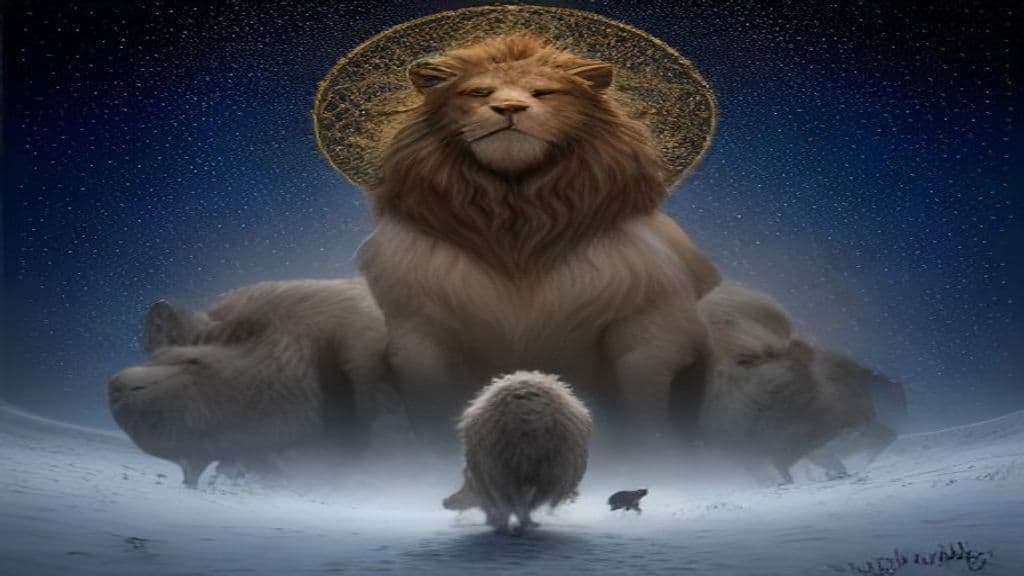
Aslan is the singular, talking lion figure at the center of C. S. Lewis's The Chronicles of Narnia, functioning as creator, king, judge, savior, and moral authority within that fictional cosmology. The name also appears in unrelated contexts (personal names, a lion-like alien in Traveller RPG) but those are distinct referents.

Aslaug
Lesser

Aslaug

Aslaug (Old Norse: Áslaug), also called Aslög or by the byname Kráka ("Crow"), is a legendary woman of Old Norse saga tradition, presented in medieval narratives (notably the Tale/Saga of Ragnar Lodbrok and the Völsunga material) as a noble-born figure raised in concealment and later married to the hero Ragnar Lodbrok.

Asmodai
Greater

Asmodai

Asmodai (variants: Asmodeus, Asmodaeus, Ashmedai) is a named, kingly malign spirit attested in late-antique and medieval Judaeo-Christian narrative traditions — most prominently the deuterocanonical Book of Tobit and legends about Solomon — where he functions as a leading hostile spirit who troubles humans.

Asmodeus
Greater

Asmodeus

Asmodeus (Heb. Ashmedai/Ashmeday; Gr. Asmodaios; Arabic Sakhr in some accounts) is a named malignant spirit appearing in Near Eastern Jewish, Christian deuterocanonical, and later Islamic storytelling. Traditions portray him as a princely or kingly figure among malevolent spirits who intervenes in human affairs—notably hostile to marriages and in contest with King Solomon—and who can be driven off or bound by ritual fumigation and angelic agency.

Asopis
Minor Spirit

Asopis

Asopis is the name borne by two distinct women in ancient Greek genealogical traditions: (1) a naiad listed among the daughters of the river-god Asopus and Metope, and (2) a Thespian princess, one of the fifty daughters of King Thespius, who bore Heracles a son named Mentor. The name is explicitly glossed as 'daughter of Asopus' in the cited sources, marking it primarily as a patronymic/eponymic identifier within Greek mythic genealogies.

Asopus
Ancient

Asopus

Asopus is a Greek river-eponym: both the name of several rivers and of mythic personages identified with those rivers. Traditions alternately present Asopus as a divine river-god (often as a child of Oceanus and Tethys, or in variant genealogies a son of Poseidon or Zeus), and as a local founding king; he functions as progenitor of many eponymous daughters and as an agent in myths explaining springs, city origins, and river characteristics.

Aspalis
Lesser

Aspalis

Aspalis is a local heroine and cultic eponym from Melite (Melitaea) in Phthia, Thessaly. According to the tradition preserved via Antoninus Liberalis (summarized in modern compendia), she hanged herself to avoid enforced concubinage under a tyrant; her body vanished and was said to have been replaced by a wooden statue that became a cult image of Artemis, giving rise to an annual ritual in the city.

Aspidochelone
Greater

Aspidochelone

A massive sea creature in Arabian tradition that lures sailors to their deaths with its 'island' appearance, emitting a sweet smell to attract fish. (Note: 1. Power tier should be Primordial (as it's described as a "giant sea monster" and its appearance is often mistaken for an island). 2. No source material mentions any connection to the symbolism of Sa)

Asrai
Lesser

Asrai

A female aquatic fairy or water-spirit figure appearing in English-language literature and later folkloric-style retellings; associated with lakes and deep water and variably described as timid, long-lived, and vulnerable to light. Its provenance is disputed between 19th‑century literary origins and later folkloric claims.

Assaracus
Lesser

Assaracus

Assaracus is a mytho-historical king of Dardania in ancient Greek genealogical tradition, presented as a mortal ancestor within the royal house that connects to the foundation and lineage of Troy (Ilium). He is primarily attested as a dynastic progenitor—son of Tros, brother of Ilus, and father of Capys—and is not described in the supplied sources as a supernatural being.

Assessors of Maat
Lesser

Assessors of Maat

A collective of forty-two minor divine figures in ancient Egyptian funerary religion who act as judicial assessors in the post-mortem tribunal of Osiris. They are each associated with one of the 'Negative Confessions' in Chapter 125 of the Book of the Dead and serve to determine the deceased's conformity to Maat (truth, justice, and cosmic order).

Astacia
Lesser

Astacia

Astacia is attested in a brief encyclopedic note as a nymph in Greek mythology after whom, according to that note and a referenced Pauly‑Wissowa entry, Dionysus named a city. Attestation in the supplied materials is extremely limited: a one-line Wikipedia entry and a bibliographic pointer to Paulys Realencyclopädie der classischen Altertumswissenschaft (RE).

Astarion Ancunín
Greater

Astarion Ancunín

Astarion Ancunín is a fictional player-controllable character from Larian Studios' Baldur's Gate 3 (2023). Presented as a High Elf rogue who was infected by an Illithid tadpole and revealed to be a vampire spawn, he functions in-game as a companion/protagonist with a personal quest concerning his former master, Cazador Szarr.

Astaroth
Greater

Astaroth

Astaroth is a named adversarial spirit in Christian demonological literature, commonly catalogued as a high-ranking infernal officer (described in sources as a 'Great Duke' or 'Grand Duke' of Hell). The figure represents the Christian polemical reception of ancient Near Eastern goddess-names (Astarte/Ashtoreth) recast within narratives and demonological lists and appears in medieval legendary episodes as well as later occult imagery and modern popular culture.

Astarte
Ancient

Astarte

Astarte (Ancient Northwest Semitic ʿAṯtart; Hellenized Ἀστάρτη) is a major Bronze–Iron Age Levantine goddess worshipped in Canaanite and Phoenician contexts and widely syncretized across the ancient Mediterranean. Sources portray her with martial, erotic, and civic associations and attest organized cultic worship (temples, shrines, coin iconography) rather than folkloric anti‑spirit traditions.

Astennu
Lesser

Astennu

Astennu is attested in the provided materials in two distinct contexts: (1) as a modern stage name used by Australian musician Jamie Stinson, explicitly described as "derived from a creature in Egyptian mythology," and (2) in a single secondary online summary (mythlok.com) as a lesser-known Egyptian mythic figure associated with Thoth and depicted as a baboon. Primary ancient attestations, etymology, and ritual data are not present in the supplied sources.

Asteria
Ancient

Asteria

Asteria is a Greek mythic goddess, daughter of the Titans Phoebe and Coeus, associated with stars and with the island later identified as Delos. In myth she flees Zeus, transforms into a quail and then into an island that shelters Leto and hosts the birth of Apollo and Artemis; she is also named as mother of Hecate in Hesiodic tradition.

Asterion
Lesser

Asterion

Asterion (Ancient Greek Ἀστερίων, 'starry') is the river-god of the Asterion in Argos. He functions as a local potamos in Greek myth and cult: participant in territorial myth concerning Hera and Poseidon, progenitor of nymph-nurses of Hera, and source of a plant used in Hera's sanctuary rites.

Asterius (Giant)
Lesser

Asterius (Giant)

Asterius (also Asterion, Aster) is a named member of the Gigantes in ancient Greek myth who takes part in the Gigantomachy and is recorded in some summaries as a Giant slain by Athena; his death is mentioned in connection with Panathenaic civic imagery in certain modern summaries of the tradition.

Asterodeia
Lesser

Asterodeia

Asterodeia (also Asterodia, Asterodea) is a name applied to several female figures in Greek myth: an Oceanid (a nymph daughter of Oceanus and Tethys) and various mortal royal women used in regional genealogies, including a Phocian princess and possible consorts of Endymion and Icarius.

Asterodia
Lesser

Asterodia

Asterodia is a personal name found across multiple Greek mythic genealogies rather than a single coherent supernatural agent. The name appears for an Oceanid (daughter of Oceanus and Tethys) and for several mortal or near-mortal women (princesses or wives) used to explain descent, marriage alliances, and local eponymy in regions such as Phocis, Elis, and Colchis.

Asteropaios
Lesser

Asteropaios

Asteropaios is a named Homeric Paeonian leader and warrior in the Iliad, grandson of the river-god Axios (son of Pelagon), noted for ambidexterity (throwing two spears at once), who wounds Achilles' forearm before being slain and whose arms are later awarded as prizes at Patroclus' funeral games.

Asterope
Lesser

Asterope

Asterope is a name used in Greek myth for one of the Pleiades — the seven daughters of Atlas and Pleione who are identified with the stars of the Pleiades cluster — and appears in variant traditions as the name of a Hesperid. In modern usage the name Asterope has been applied to the star 21 Tauri (IAU-approved name), an asteroid (233 Asterope), and a genus of butterflies (Wikidata).

Asteropeia
Minor Spirit

Asteropeia

Asteropeia is primarily a botanical genus of evergreen shrubs and small trees endemic to Madagascar (family Asteropeiaceae). Separately, a brief classical mythographic notice records a mortal woman named Asteropeia — a daughter who, with her sisters, murdered her father and was later commemorated by tomb-mounds in Arcadia. The sources treat these as distinct usages of the same name rather than a single supernatural entity.

Astghik
Ancient

Astghik

Astghik (older orthography Astłik) is a prominent goddess of pre-Christian Armenian religion, personifying beauty, love, fertility, and water. She is etymologically linked to the Old Armenian word for "star" and is described in sources as the bride of the warrior god Vahagn; later identifications connect her with Aphrodite and the planet Venus.

Astraea
Ancient

Astraea

Astraea (Ancient Greek: Ἀστραία) is the star-linked personification of justice, modesty, and good faith in Greek myth who, according to literary sources, lived among humans during the Golden Age and later withdrew to the heavens, becoming the constellation Virgo. Ancient poets and later writers sometimes identify her with or contrast her to other justice-figures such as Dike.

Astraeus
Ancient

Astraeus

Astraeus is an ancient Greek divine figure whose name means 'starry.' In standard theogonic genealogies he is son of Crius and Eurybia, consort of Eos (Dawn), and father of the winds, Eosphorus (the morning star) and the stars; in later literature he appears as an oracular figure. A minority late tradition (via Hyginus and echoed by Servius) treats him as counted among the Gigantes, a divergent identity.

Astrape and Bronte
Minor Spirit

Astrape and Bronte

Personified embodiments of lightning (Astrape) and thunder (Bronte) in Greek literary and iconographic tradition, depicted as ministerial attendants of Zeus who manifest the flash and roar that accompany divine epiphany.

Astrild
Minor Spirit

Astrild

Astrild is a late Nordic literary name or personification used for the classical Amor/Cupid in Swedish and broader Scandinavian poetry from the early modern period onward. The name, rendered in sources as deriving from Old Norse meaning 'love-fire,' appears in Baroque and Rococo poetic contexts and is not attested in pre-Christian Norse mythology.

Astris
Minor Spirit

Astris

Astris is a minor figure in Greek literary tradition, named among the Heliades in Nonnus's Dionysiaca; she is presented as a daughter of Helios who marries the river-god Hydaspes and becomes mother of the Indian king Deriades. Her attestation in the supplied material is primarily genealogical rather than cultic or narrative.

Astyaguia
Lesser

Astyaguia

Astyaguia (Ancient Greek Ἀστυάγυια), also spelled Astyagyia in some modern references, is attested in Greek mythographic tradition as a Thessalian princess of the Lapiths. She appears in genealogical lists as a daughter of King Hypseus, probably by the naiad Chlidanope, sister of Cyrene, Themisto, and Alcaea, wife of Periphas (son of Lapithus), and mother of eight sons including the eldest Antion, placing her in the ancestral line that leads to Ixion.

Astyanassa
Minor Spirit

Astyanassa

Astyanassa (Ancient Greek: Ἀστυάνασσα) is a named figure in late Greek mythographic and Byzantine tradition, presented as Helen of Troy's maid. Late sources record anecdotes linking her to the theft of Aphrodite's "kestos himas" and to a tradition naming her among early authors of erotic literature.

Astyanax
Minor Spirit

Astyanax

In classical Greek and Roman literature Astyanax is the infant son of Hector and Andromache whose survival or death symbolizes the potential continuity of Troy's royal house. He is depicted as a mortal child whose fate is contested in the immediate aftermath of the sack of Troy; later medieval and Renaissance traditions sometimes recast him as a legendary founder-figure who survives.

Astydameia
Lesser

Astydameia

Astydameia (Ancient Greek Ἀστυδάμεια) is not a single supernatural being but an ancient Greek personal name borne by several mortal women in mythic tradition — queens, wives, and mothers who appear as genealogical and narrative nodes in the heroic age (figures associated with Peleus, Heracles, Acastus, Pelops, etc.). The name literally evokes civic rulership, and the bearers act within social and political roles rather than as spirits or deities.

Astydamia
Minor Spirit

Astydamia

Astydamia is a mortal woman attested in classical Greek genealogical myth. In the primary mythographic excerpt provided she is named as a daughter of Pelops and as wife of Alcaeus (mother of Amphitryon and Anaxo in that account); a modern botanical note alternatively identifies an Astydamia as wife of Acastus, son of Pelias, a conflicting attribution in the sources given.

Astylus
Minor Spirit

Astylus

Astylus is a taxonomic genus of beetles in the family Melyridae (more than 110 described species), and the name also appears in the archaeological record as the appellation of a caupona (inn/shop) excavated at Pompeii. Sources treat Astylus as entomological and archaeological, with no attested folkloric or supernatural identity.

Astymedusa
Lesser

Astymedusa

Astymedusa (Ancient Greek: Ἀστυμέδουσα), sometimes called simply Medusa, is a Mycenaean princess in Greek mythic tradition who is occasionally named as a later wife of Oedipus. In some accounts her accusation that Polynices and Eteocles attempted to rape her is given as an alternate cause for the curse and subsequent fraternal discord at Thebes.

Astynome
Lesser

Astynome

Astynome (Ancient Greek: Ἀστυνόμη) is not a single supernatural being but a personal name attested for several different mortal women in Greek mythic and genealogical traditions — for example, a Niobid, a daughter of Talaus and mother of Capaneus, a captive woman identified with Chryseis in Trojan War material, and a woman transformed into a rock after seeing Artemis naked.

Astyoche
Lesser

Astyoche

Astyoche (Ancient Greek Ἀστυόχη / Ἀστυόχεια) is a name applied to multiple female figures in Greek myth, most notably a naiad of a Troy spring and several mortal princesses/mothers who appear in heroic genealogies and post-Trojan-war narratives. The name etymologically links the bearer to a town or polis—literally 'town-possessing'—and so figures named Astyoche serve as place-linked sacred presences or matrilineal connectors in foundation myths.

Astypalaea
Lesser

Astypalaea

In Greek myth Astypalaea (Ancient Greek Ἀστυπάλαια) is a Phoenician princess, daughter of King Phoenix and (in varying accounts) Perimede or Telephe, sister of Europa and consort of Poseidon; she is an eponym for the island Astypalaia. In modern planetary nomenclature the name Astypalaea designates a geological feature on Jupiter's moon Europa (Astypalaea Linea), a strike-slip fault system described in Galileo/NASA imagery.

Astłik
Ancient

Astłik

Astłik (Astghik) is an ancient Armenian goddess associated with beauty, love, fertility, and water; in some earlier attestations she is also reported as a creator figure. Her cult is tied to local temples and seasonal ritual life, notably the Vardavar water‑drenching festival, and later identifications connect her with the planet Venus and Greco-Roman love‑goddess types.

Asura
Greater

Asura

Asura (Sanskrit: असुर) are a class of supernatural beings in Indian religious traditions. In Hinduism they are described as power-seeking beings related to, and often oppositional toward, the Deva; in Buddhist cosmology they form a demigod/titan class characterized by passions such as wrath and envy. Individual asura figures (notably the asura Svarbhānu) appear in myths that produce the eclipse-entities Rahu and Ketu.

Asvins
Ancient

Asvins

The Asvins (Ashvini Kumaras; Nāsatya and Daśra) are Vedic divine twin horsemen associated with dawn and twilight, invoked as youthful rescuers, healers, and ritual helpers who bring timely restoration and renewal.

Aswang
Greater

Aswang

The most feared supernatural being in Philippine folklore — a shape-shifting monster that appears human by day but transforms at night to prey on pregnant women and children.

Atab (of Kish)
Lesser

Atab (of Kish)

Atab is a regnal name recorded in the Sumerian King List as the tenth king of the First Dynasty of Kish and father of Mashda. Contemporary textual evidence for his historicity is lacking, and modern sources treat him as likely non-historical or legendary within the king‑list tradition.

Atabey
Ancient

Atabey

Atabey is a principal Taíno ancestral mother-spirit (a zemi) associated with fresh water, fertility, and prime matter; she appears in early ethnohistorical transmissions with multiple names and manifestations ranging from nurturing mother to violent storm-mother.

Atago Gongen
Greater

Atago Gongen

Atago Gongen (愛宕権現) is a syncretic mountain guardian venerated around Mount Atago as a local gongen (manifestation) of the bodhisattva Jizō and as a protective kami. Traditionally worshipped by Shugendō practitioners, townspeople, and samurai, the cult emphasizes protection from fire, theft, and disaster and developed through honji-suijaku fusion of Buddhist and Shinto ideas.

Ataksak
Ancient

Ataksak

Ataksak is a sky deity in Inuit tradition described as the ruler of the sky and a personification of celestial light that brings joy and happiness to people. The figure is depicted as a bright, glowing sphere often shown with rays or strings of light attached; some sources refer to Ataksak using masculine pronouns while other accounts call the figure a goddess.
Atalanta
Lesser

Atalanta

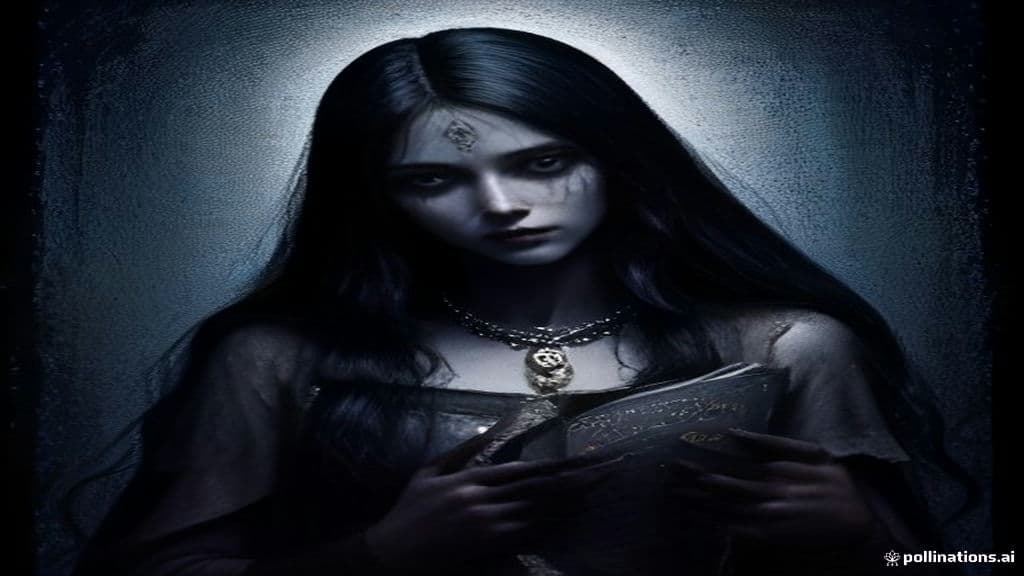
Atalanta is a mortal heroine of ancient Greek myth, famed as a swift-footed huntress and archer who lives at the margins between wilderness and polis. Her story—exposure and fosterage by a she-bear, prominence in the Calydonian boar hunt, a marriage-footrace won by Hippomenes with Aphrodite's golden apples, and a later metamorphosis into a lion—appears in multiple regional variants and literary traditions.

Atanua
Ancient

Atanua

Atanua is the Marquesan (Polynesian) goddess of the dawn who, in local cosmogony, is the consort of Atea and mother of the first man; she is also credited in the surviving summary accounts with creating the seas as the result of a miscarriage.

Atargatis
Ancient

Atargatis

Atargatis (Greek Atargatis / Derceto) is the chief goddess of northern Syria in classical antiquity, worshipped as a civic mistress (baalat) and fertility deity who protects the city and people and functions as an ancestor/founder figure for ruling houses. Her cult shows continuity with Bronze‑ and Iron‑Age Levantine goddesses and appears in variable iconography ranging from fully anthropomorphic to ichthyomorphic (fish‑tailed) forms.

Atari Force
Lesser

Atari Force

Atari Force is a fictional multinational exploration team created as a media tie‑in between Atari, Inc. and DC Comics in the early 1980s. Presented across pack‑in minicomics, a 1983 graphic novel tie‑in, and a 1984–1985 ongoing series, the property functions as a branded ensemble science‑fiction adventure rather than a folkloric supernatural being.

Ataroth
Minor Spirit

Ataroth

Ataroth is a toponym attested in Iron Age Levantine sources (Hebrew Bible and the Mesha Stele). The name labels several distinct towns east and west of the Jordan and functions in those texts as a marker of tribal allotment, territorial boundary, settlement, and cultic-political action.

Ate
Ancient

Ate

Ate (Ancient Greek: Ἄτη, Átē) is the personified force of delusion, reckless folly, and ruin in ancient Greek poetic and mythic tradition. She functions both as an abstract condition—an aition for misguided action—and as an active agent who can blind the minds of gods and men and be sent, notably by Zeus, as a form of retribution.

Atea
Primordial

Atea

Atea is a primordial creator-associated being in multiple Polynesian traditions (Marquesas, Tuamotu, and Māori) closely associated with light and the ordering of the cosmos. Variants depict Atea as a self-originating giver of light, a progenitor who fathers gods and humans, or as the cosmic universe that is sex-differentiated into Heaven and Earth in one reported account.