
The figure appears in multiple Near Eastern textual traditions rather than a single origin tale. In Jewish and Christian deuterocanonical literature he is attested as Ashmedai/Asmodeus (Hebrew ʾAšmədāy; Greek Asmodaios) and functions as a named princely spirit; later Islamic legend identifies him with Sakhr, a king of divs/ifrits banished into a rock by Solomon. Some scholars have proposed that the name reflects Iranian influence, linking it to an Avestan compound *aēšma-daēva ('aēšma' = wrath, 'daēva' = demon), but the etymological route is contested in the sources (scholarly proposals of Iranian influence are reported alongside cautions about direct phonological derivation).
Traditional texts summarized in the provided sources give little consistent bodily description. Rather than a stable visible form, Asmodeus is presented as an active spirit‑king (described in rabbinic stories as 'king of the shedim' and in Islamic legend as a div/ifrit king called Sakhr). Narrative episodes (Book of Tobit, Testament of Solomon, Talmudic tales) treat him as a spirit who interacts with the material world—able to be affected by fumigation and bound or imprisoned—without prescribing a single canonical physical morphology. Later modern popular culture supplies varied visual portrayals, but these are later appropriations not attested in the traditional texts summarized here.
Across the traditions cited, Asmodeus is attributed with agency to interfere fatally in human intimate life (Book of Tobit: slaying seven successive husbands on their wedding nights), with obsessive erotic desire in rabbinic tales (Talmudic stories centering on Bathsheba and Solomon's wives), and with prodigious magical or physical power in Solomon legends (e.g., throwing or displacing Solomon, assuming his place for a time in some accounts). He can be compelled to reveal information (Testament of Solomon) and can be driven away, bound, or imprisoned through ritual fumigation and by angelic or kingly authority (Raphael in Tobit; Solomon's binding or banishment in other accounts).
Weaknesses
- substanceheart and liver of a fish (Tobit: fish heart and liver burned on hot coals)
- substanceAssyrian sheatfish liver/gall mixed with white storax (Testament of Solomon recension)
- ritualangelic binding/banishment (e.g., Raphael binds him; Solomon banishes him into a rock in Islamic legend)
Wards
- ritualfumigation with fish viscera
- ritualangelic invocation/intervention

Shedim
In Jewish tradition, Shedim are spirits associated with foreign deities and idolatrous worship, embodying a theological context where monotheistic devotion is threatened by other divine entities. (Note: 1. Factual claim "Primordial" power tier should be adjusted to "Ancient", as Shedim are described as tied to foreign deities and do not appear to possess cosmic-level powers. 2. Remove reference to "m)

Ifrit
One of the most powerful classes of jinn in Islamic and pre-Islamic Arab tradition — a fire-born being of immense strength and cunning, capable of great works of engineering and terrible violence.
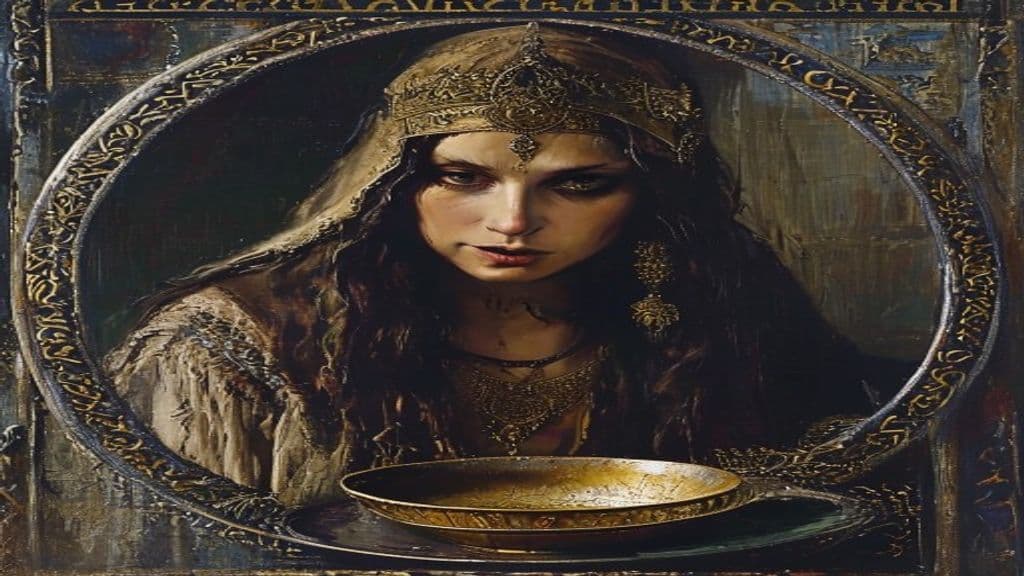
Lilith
Lilith is a feminine night‑spirit in Jewish mythic, magical, and folkloric traditions associated with harmful nocturnal activity, especially threats to sleeping people and infants. The figure appears both as a class of night‑spirits (lilit/lilītu) in Near Eastern demonologies and as an individualized dangerous woman in later medieval Jewish narratives and amulets.
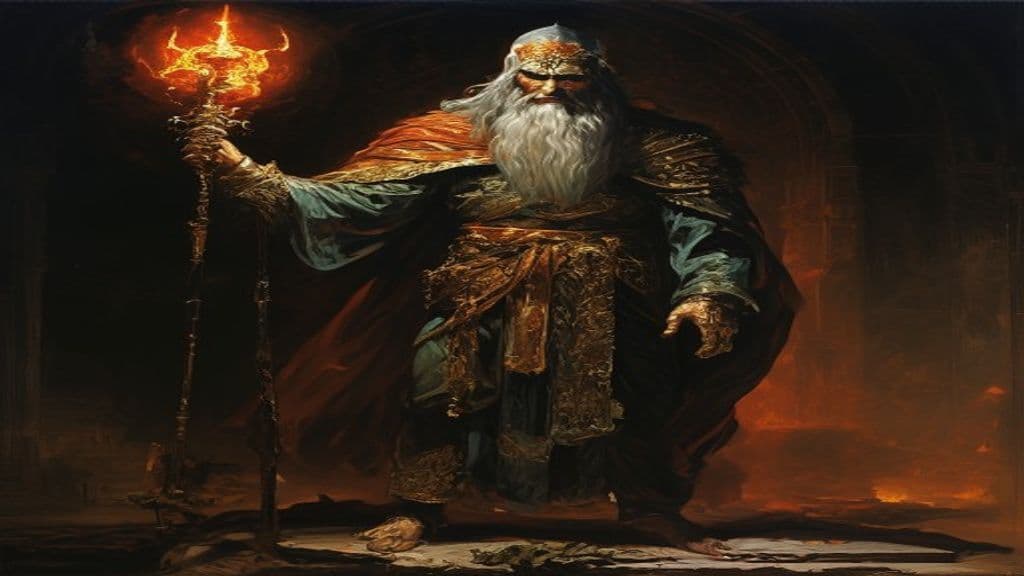
Aeshma
Aeshma is the Zoroastrian hypostasis of wrath — a fiendish being who personifies rage and functions as an ontological opponent to Ahuric principles and ritual discipline. In scripture and later tradition he distracts worship, foments violence and drunkenness, can be driven off by prayer or by divine agents such as Sraosha and Mithra, and will be overthrown or flee at the final renovation.
Aaron
Aaron is a central human figure in Israelite sacred literature: the elder brother of Moses, the first high priest (progenitor of the Aaronide priesthood), and a spokesman/prophet who mediates between Israel and God in Exodus–Deuteronomy narratives. His role in the texts establishes hereditary priestly authority, ritual functions (sacrifices, blessing, use of Urim and Thummim), and institutional norms for Israelite cultic life.
Ababil
Ababil (Arabic: أبابيل, romanized abābīl) are miraculous birds mentioned in the Qur'anic account of Surah Al‑Fil. In Islamic tradition they appear as a divinely sent avian host that defended the Kaaba by pelting an invading army with small clay stones; tradition places the event in the year traditionally given as 570 CE.
Abaddon
In Hebrew scripture Abaddon is primarily a noun meaning 'destruction' or a section/condition of the underworld paired with Sheol; in the New Testament Book of Revelation Abaddon is personified as an angelic figure (Greek Apollyon) described as the king of an army of locusts released from the abyss during the apocalypse.
Abadir
Abadir is a polysemous name attested in distinct cultural contexts: a legendary founding saint and clan ancestor in eastern Ethiopia (Sheikh Abadir Umar Al‑Rida / Aw Abadir), a term applied to cone‑shaped cult stones in Phoenician religious description, and a personal name of a martyr (Abadir/Apater) in the Coptic Synaxarium. The attestations are independent usages of the same name rather than a single supernatural being.
Abadiu of Antinoe
Abadiu of Antinoe was a fourth‑century bishop of Antinoe (Antinoopolis, in Roman Egypt) commemorated as a martyr and saint in the Coptic Orthodox Church, with a feast day on 26 December. Sources record that he was killed during a theological dispute with Arian opponents and reference him in collections of Egyptian martyrs.
Abagtha
Abagtha (Hebrew: אבגתא, ’Ǎḇaḡṯā) is a named human court official in the Hebrew Bible’s Book of Esther, listed among seven chamberlains who ministered before King Ahasuerus and were commanded to bring Queen Vashti before the king. He is attested only in Esther 1:10 and is presented as an institutional palace attendant rather than a supernatural being.
Abanoub
Abanoub is a 4th‑century Egyptian Christian child martyr venerated in the Coptic tradition. Remembered for his public confession of Christ, miraculous healings associated with his passion, and the translation and veneration of his relics, his feast is observed on July 31 (Epip 24) and his cult centers include Nehisa and Samanoud.
Abaskhiron the Soldier
A Coptic Orthodox martyr venerated for refusing imperial idolatry during the Diocletian persecution; reputedly healed by the Archangel Michael, preserved in monastery relics, and commemorated on 14 June (7 Paoni).
Abdel Messih El-Makari
Abdel Messih El-Makari (1892–1963) was a Coptic Orthodox monk and priest venerated as a 20th‑century Coptic saint. Associated with the Monastery of Saint Samuel the Confessor and the Monastery of Saint Macarius (Scetes/Wadi El‑Natrun), he is remembered for humility, asceticism, charity, and reported spiritual gifts such as prescience, discerning of spirits, and healing.
Abdiel
Abdiel (Hebrew עֲבְדִּיאֵל) is primarily a theophoric Hebrew personal name meaning "servant of El/servant of God," attested once in the Hebrew Bible (1 Chronicles 5:15). In later literature—most notably John Milton's Paradise Lost—Abdiel is reimagined as a faithful seraph who opposes Satan's revolt. The provided sources do not treat Abdiel as an autonomous folkloric spirit type or record rituals or wards associated with the name.
Abdul Qadir Gilani
A historical 11th–12th century Hanbali jurist, preacher, and Sufi shaykh who became the eponym and principal early figure of the Qadiriyya tariqa; venerated in Sunni Sufi traditions as an Awliya (saint) and often given exalted hagiographical ranks such as Muḥi al‑Dīn and Ghawth.
Abel
Abel is the second son of Adam and Eve in the Genesis narrative, a shepherd whose accepted offering and subsequent murder by his brother Cain form the biblical account of the first death. Later interpretive traditions expand his role, treating him as an archetypal righteous victim, a postmortem avenging or adjudicating figure, and in some systems (notably Mandaean) identifying him with an angelic lightbeing.
Community Record
- [1]Asmodeus - Wikipedia. Wikipedia, article 'Asmodeus' (summary items on name, etymology, Talmudic stories, Islamic identification as Sakhr, and relationship to shedim/divs).wiki
- [2]Book of Tobit (summary as provided). Summary excerpt provided in research notes: Tobit narrative describing Asmodeus slaying seven husbands, Tobias using fish heart and liver on red‑hot cinders, and Raphael binding the demon (Book of Tobit summary).literary
- [3]Testament of Solomon (summary as provided). Summary excerpt provided in research notes: Testament of Solomon recounting Solomon's interrogation of Asmodeus, prophecy about Solomon's realm, and fumigation recipe involving Assyrian sheatfish viscera and white storax.literary