
Lesser
Berehynia
Berehynia is presented in modern treatments as a female figure counted among Slavic divine or semi-divine female figures; surviving references are fragmentary and reconstruction relies on limited documentary and folkloric evidence.
A record of the unseen, drawn from world folklore.
7631 entities · page 30 of 128
Berehynia is presented in modern treatments as a female figure counted among Slavic divine or semi-divine female figures; surviving references are fragmentary and reconstruction relies on limited documentary and folkloric evidence.

Beren is a named mortal man and protagonist in J. R. R. Tolkien's legendarium whose questing life and love for the Elf Lúthien form one of the central tales of the Elder Days. His story, treated largely from an Elvish perspective, exemplifies human mortality, courage, and tragic heroism within the wider cosmology of Middle-earth.

Beren and Lúthien are the central protagonists of a foundational First‑Age tale in J. R. R. Tolkien’s legendarium about the love between a mortal Man (Beren) and an immortal Elf‑maiden (Lúthien), their quest to take a Silmaril from Morgoth’s crown, Beren’s death and unique return, and Lúthien’s choice to become mortal.
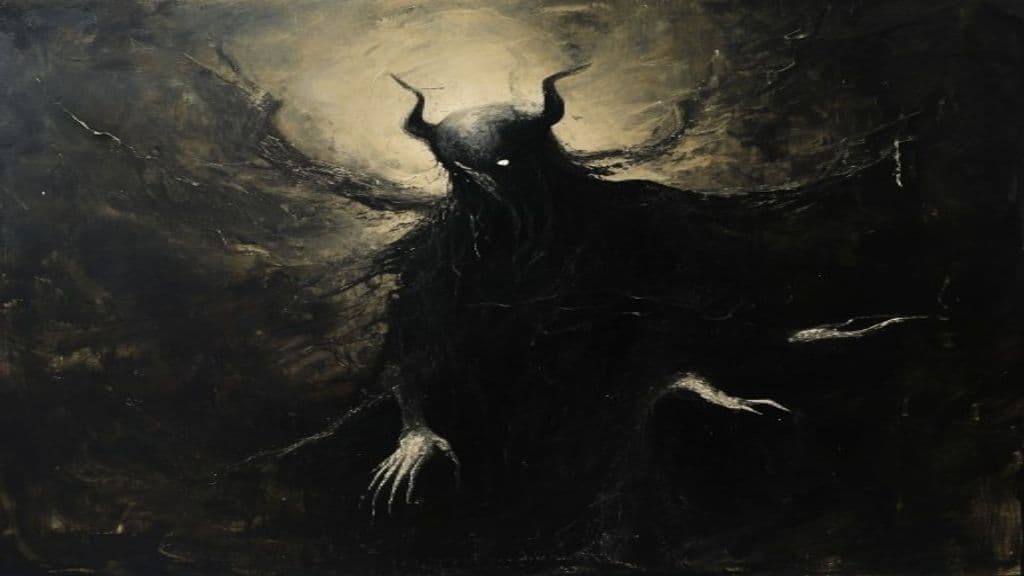
No information about an entity called 'Bergeist' appears in the provided source materials. The supplied excerpts contain no descriptions, traditions, rituals, or cultural contexts for a Bergeist; any assertions beyond absence of evidence would be speculative and are not supported by the given sources.

Bergelmir is a jötunn in Norse mythology, attested as a descendant of the primordial giant Aurgelmir (Ymir) and portrayed as the survivor who preserves the frost-jötunn line after the primeval flood caused by Ymir's death. He appears in two primary Old Norse contexts: the poem Vafþrúðnismál (where he is implied to be an infant laid in a lúðr) and Snorri Sturluson's Gylfaginning (where he and his wife escape on a lúðr).
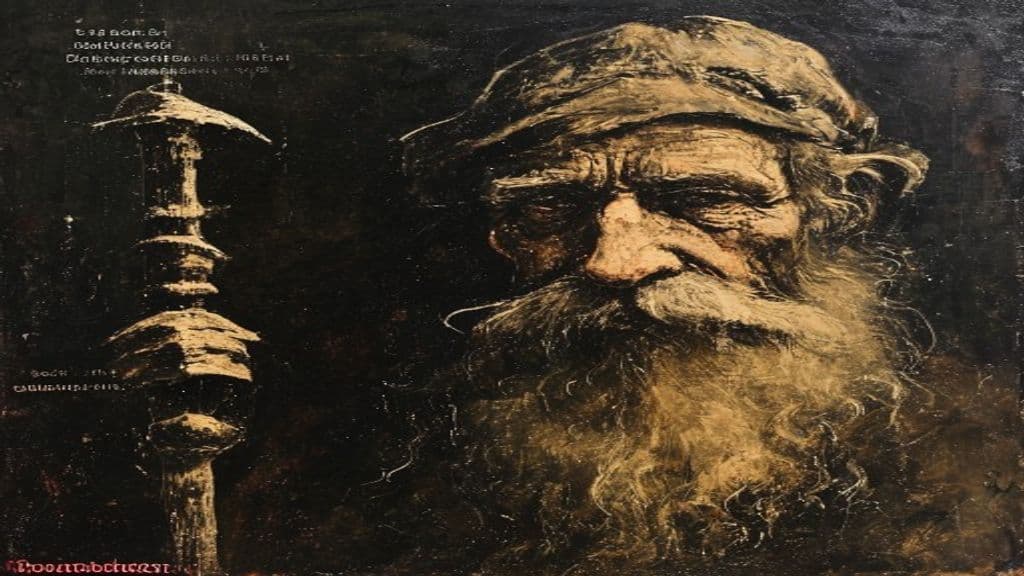
A German-language term denoting a mountain-spirit: an immanent, place-bound personality associated with a specific mountain. The concept is discussed in 19th-century German folkloristic classification of nature-spirits (Mannhardt) and appears in 20th-century artistic representation (Josef Madlener's painting "Der Berggeist").

A German mountain spirit associated with pits and mines; described as a hooded, giant figure who aids favored miners and punishes those who offend him or violate mining-community mores. He appears in mining locales and may manifest as a monk-like giant, a miner, a horse, or become invisible.

A place-bound mountain spirit (a form of Scandinavian 'rå') thought to inhabit and preside over a mountain, often described as keeping a household or court within the mountain and known for luring or taking humans into the mountain (bergtagning).

Bernadeth is a New God of Apokolips in DC Comics, a long-lived warrior who serves as a leader and enforcer among the Female Furies. She is notorious on Apokolips, wields the fiery Fahren/Faren knife, and has participated in power struggles, betrayals, deaths and resurrections across multiple comic continuities.

Bernadette "Bernie" Rosenthal is a fictional human supporting character in Marvel Comics' Captain America stories, introduced in Captain America #247 (April 1980). She is portrayed as a Greenwich Village glassblower turned law student and later lawyer, who serves as a romantic partner to Steve Rogers and as a civilian ally within the series' social milieu.

A Philippine legendary culture-hero associated etiologically with earthquakes; portrayed variously as a giant trapped between mountains whose struggles cause tremors or as a prodigiously strong human-sized hero. The current Hispanized name dates to the colonial period and overlays older pre‑colonial earthquake beliefs.

Beroe is a name applied to multiple unrelated referents in historical, mythological, and biological sources: an ancient Thracian city (modern Stara Zagora, Bulgaria), several minor figures in Greek mythology (e.g., a nymph named Beroe), and a genus of comb jellies (ctenophores) in the family Beroidae. The supplied sources do not present a single, coherent supernatural entity called Beroe within a living folk cosmology.

A personal name attested across heterogeneous historical, hagiographic, civic, and folkloric sources rather than a single, consistently defined supernatural being. The supplied materials record Bertha as (separately) a historical queen (Bertha of Kent), a late/local Rheims saint (Ste. Berthe of Avenay), a named processional giant (Anderlecht), and a German‑language folk‑literary figure (Bertha die Spinnerin).

Berthold of Moosburg (fl. 1316–1361) was a 14th‑century German Dominican theologian and scholastic commentator best known for his Expositio super Elementationem theologicam Procli, a lengthy commentary that seeks to reconcile Proclean Neoplatonism with Christian theological categories within Dominican scholasticism.

A lordly figure in the Matter of Britain who, in Sir Gawain and the Green Knight and related texts, is revealed to be the Green Knight in disguise. He functions as a host and supernatural tester who stages a beheading-game and a day-by-day exchange bargain to examine Sir Gawain's chivalric virtue.

Bes is an ancient Egyptian household protective deity, commonly kept close to domestic life to guard mothers, children, and childbirth; he also defends households against snakes and malevolent spirits and is associated with music, dance, and sexual vitality.

Beset is the feminine counterpart or female avatar of the household protector deity Bes in ancient Egyptian religion. Attested as a domestic protective figure, she is associated especially with mothers, children, and childbirth and is understood by sources as part of the Bes–Beset protective function opposing harmful influences.

Bestla is a jötunn (giantess) in Old Norse mythic genealogies, attested as the mother of Odin, Vili, and Vé by the giant Borr. She functions primarily as a maternal progenitor in the medieval Icelandic corpus (Poetic Edda, Prose Edda, and skaldic verse), and surviving references to her are sparse and fragmentary.

Beta Ray Bill is a fictional extraterrestrial warrior and comic-book character created by Walt Simonson for Marvel Comics. Introduced in The Mighty Thor #337 (1983), he is a Korbinite champion revived by a sentient ship who becomes able to wield Thor-like power and is later given his own hammer, Stormbreaker.

Betal (also Vetal, Vetoba, Vetāla) is a Konkan coastal grāmadevatā and kshetrapāla identified with a Bhairava form of Śiva, venerated in small village shrines across Goa, Sindhudurg, Kolhapur and Karwar. His cult combines popular village guardian functions with assimilation into Puranic Śaiva networks.

A fictional character in the 1988 film Beetlejuice who appears in the movie's bureaucratized afterlife. Portrayed by Michael Keaton, he is depicted in-universe as a former caseworker's assistant turned freelance 'bio-exorcist' whom the recently deceased may summon to frighten or remove living occupants.

Bethel (Hebrew: Bēṯ ʾĒl, "House of El" or "House of God") is primarily a sacred place-name in the Hebrew Bible denoting a sanctuary, an anointed cult-stone (baetyl), and—in some interpretive traditions—a localized manifestation or hypostasis of the divine associated with that site.

A Japanese yōkai manifesting as the sound of footsteps that follow lone travelers at night. Traditionally regarded as non‑harmful: walkers are advised to step aside and address it politely to have the footsteps pass.

Betsy Bobbin is a human child character in L. Frank Baum's Oz books who arrives in Oz (notably by shipwreck with her mule Hank) and becomes a resident guest of Ozma's court, appearing in several canonical Oz volumes and later adaptations.

A fictional comic-book superheroine published by Marvel Comics, introduced in Captain Britain #8 (1976). Portrayed as a human mutant (born with an X-gene) whose principal abilities are telepathy and telekinesis; she has served as a member of the X-Men, Excalibur and, in recent status quo, assumed the mantle of Captain Britain.

Bette Kane (originally Betty Kane) is a human costumed heroine in DC Comics who began as the pre-Crisis Bat-Girl (Betty Kane) and was reimagined in post-Crisis continuity as Mary Elizabeth "Bette" Kane, taking the Flamebird mantle and operating as a West Coast/team-based adventurer. She is a legacy figure whose history and identity have been reshaped by editorial continuity events.

Betty Brant is a fictional human supporting character in Marvel Comics, introduced in The Amazing Spider-Man #4 (1963). She is best known as J. Jonah Jameson's secretary at the Daily Bugle and as an early romantic interest of Peter Parker who later becomes a reporter and marries Ned Leeds.

Betty Clawman is a fictional Aboriginal Australian woman in DC Comics who was selected by the Guardians of the Universe to take part in an experiment in human evolution and to advance the human race; after entering the Dreamtime she becomes a disembodied cosmic-force–aligned metahuman associated with dream influence and Earth‑mother imagery, and appears as a member of the New Guardians and later the Sleeping Soldiers under the alias Dreamer.

Betty Ross is a fictional human character from Marvel Comics, introduced in The Incredible Hulk #1 (1962). She functions primarily as the Hulk/Bruce Banner's long‑running romantic interest and supporting character and has at times undergone superhuman transformations (e.g., Harpy, Red She‑Hulk) within the Marvel fictional universe.
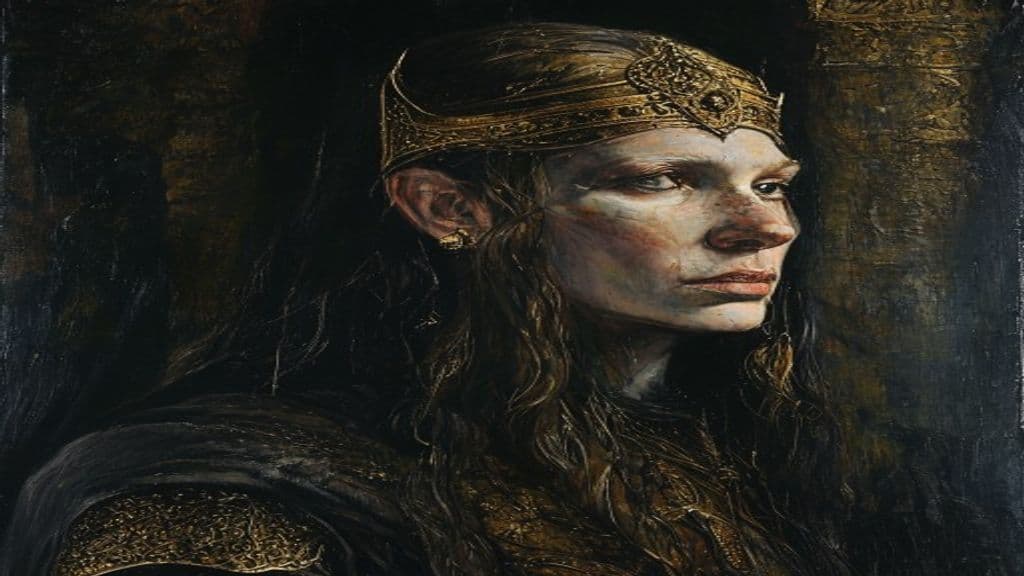
Beyla is a minor attendant of the Vanir god Freyr attested only in the Poetic Edda poem Lokasenna (prose introduction and stanzas 55 and 66). Surviving texts give her no independent cult or clear domain; modern scholars have proposed she may be an agricultural personification based on name-interpretation and association with Freyr.

The Beyonder is a Marvel Comics fictional extra‑multiversal sentient energy being described as the conscious manifestation of the 'Beyond‑Realm'. Originally presented as a near‑omnipotent entity who abducted Marvel heroes to Battleworld, later continuity retcons identify it with Cosmic Cube energy or as a child unit of a race called the Beyonders.

Place‑bound guardian spirits associated with beyul (Tibetan sBas yul), the concealed or hidden valleys of the Himalayas and Tibetan plateau. They function as protectors and gatekeepers of these sacred, fortress‑like lands and are integrated into Nyingma treasure (terton) traditions and local Himalayan ritual practice.

Bhadra is a Sanskrit word meaning 'good', 'fortunate', or 'auspicious' that functions in Hindu literature as a personal name and epithet applied to multiple distinct mythic persons and forms (queens, yaksha, goddess-forms, kings, and others) rather than a single unified supernatural being.
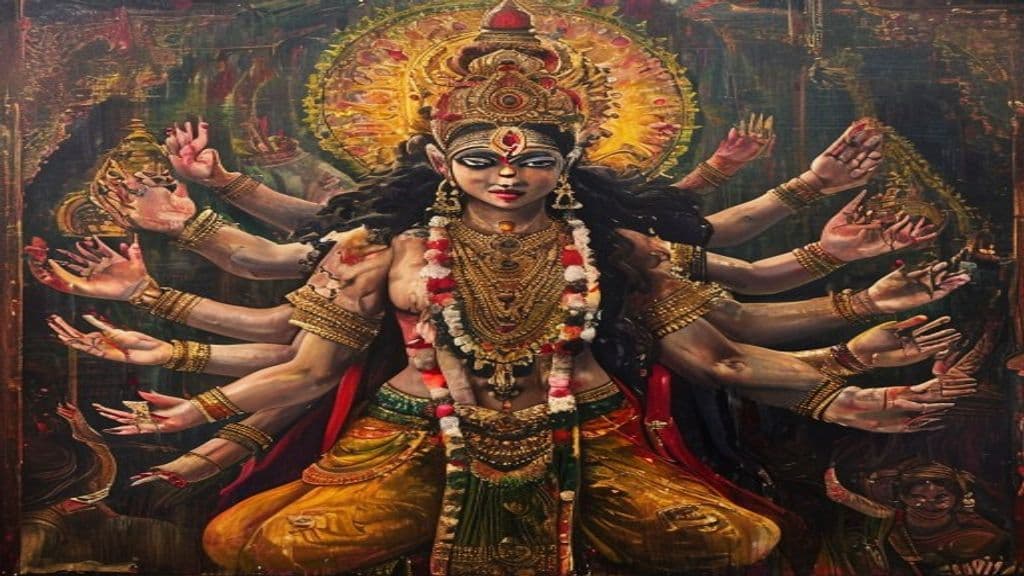
Bhadrakali is a fierce form of the Hindu supreme goddess Adi Shakti worshipped especially in South India. She functions as a martial and protective divine person who destroys wickedness in mythic narratives, protects women and lineages, and is integrated into Shaiva, Vaishnava, and Shakta registers.

Bhagavatī is an honorific Sanskrit epithet applied to revered female divinities in Hinduism and Mahayana Buddhism rather than a single individualized spirit. The title functions as a respectful form of address for goddesses such as Sarasvati, Lakshmi, Parvati and certain Buddhist female deities (e.g., Cundā) and is the feminine counterpart to Bhagavān.

A complex figure in Hindu tradition, associated with Shiva as the destroyer or transformer. He is a powerful tantric disciple of Guru Gorakshanath and appears in various contexts within Hindu mystical traditions. (Note: - Power tier should be adjusted to Greater (powerful regional) as Bhairav's abilities are related to Shiva, but he is not a cosmic being himself. - Appearance: Add that no detailed physical descriptio)

Bhairava is a fierce Shaivite deity and tantric figure—an intense manifestation of Shiva—worshipped across Hindu and Vajrayāna Buddhist traditions as executor of divine punishment, guardian of sacred sites, and a tantric teacher/meditational yidam.

Bhairavi (Sanskrit: भैरवी) is a Mahāvidya — a fierce form of the Great Mother in Hindu tantric and Puranic traditions. She appears both as a deity, consort of Bhairava, and as a title or attainment for a female tantric adept (a realized yogini). Iconography and texts portray her as awe-inspiring and ambivalently maternal: protective to devotees and terrible to the wicked.

Bhaisajyaguru (Bhaiṣajya‑guru; Medicine Buddha) is a Mahāyāna buddha associated with healing, medicine, and a pure land called Vaiḍūryanirbhāsa (Pure Lapis Lazuli). He functions as a therapeutic savior whose remedies operate through the "medicine of his teachings," vows, devotional practice, and radiance associated with lapis‑lazuli light.

Bhaiṣajyarāja (Sanskrit: Bhaiṣajyarāja; Chinese: 藥王 Yào Wáng) is a Mahāyāna bodhisattva associated with healing, medicine, and supreme self‑offering. He appears in the Lotus Sūtra and in visualization/contemplation sutras and is often connected ritually and iconographically with the Medicine Buddha (Bhaiṣajyaguru) and with the paired bodhisattva Bhaiṣajyasamudgata.

A Mahāyāna bodhisattva associated with the therapeutic activity of the Buddha and invoked in visualization (Guan) sūtras. He is named alongside the Medicine King (Bhaiṣajyarāja) and is the co-subject of a dedicated contemplation sūtra used in meditative-healing practice.

Bharadvaja is a canonical Vedic maharṣi (sage) and eponymous progenitor of a lineage and multiple textual corpora in ancient Indian tradition. Treated as an authoritative seer, teacher, and recipient/attributor of ritual, technical, and ethical knowledge, his name appears across Vedic, epic, Purāṇic, and Buddhist literature as an individual sage and as a clan/author label.

Bharata (Sanskrit: भरत) is a legendary human emperor and ancestral king in the Indic epic tradition. Portrayed as a cakravartin‑type sovereign and progenitor, his deeds, rituals, and lineage provide an eponymous foundation for the name Bhārata and for later dynastic identity.
Bharata is the younger half-brother of Rāma in the Hindu epic Rāmāyaṇa, who refuses the throne after Rāma's exile and serves as regent of Ayodhyā from Nandigrāma, ruling in Rāma's name while living an ascetic life. In devotional and pilgrimage traditions he is also assimilated into divine schema—described in some sources as an incarnation of Viṣṇu's Panchajanya and presented among the quadruple expansion of Rāmācandra.

Bhardwaja (Sanskrit Bharadvaja) is an ancient Vedic rishi and eponymous ancestor of a pastoralist gotra whose members contributed many hymns to the Rigveda and served as sacrificial officiants and ritual specialists for early Vedic pastoral communities.

A Brahmin race or dynasty founded by the legendary sage Bhrigu in Hindu mythology. (Note: - Power tier should be Ancient (deity-level), not Primordial, as there's no indication of cosmic powers. - Abilities section needs clarification that the source doesn't provide specific information on)
Bhartṛhari was a classical Indian grammarian, philosopher of language, and poet associated with the Vākyapadīya exposition of Śabdādvaita and the theory of sphoṭa. He is traditionally credited with the Vākyapadīya and with three collections of short poems (Śatakatraya), though modern scholarship often distinguishes the grammarian from the poet.

Bhasmasura is an asura in Shaiva-derived regional lore who was granted a boon by Shiva that made anyone whose head he touched with his hand instantly turn to ash (bhasma). His arrogance leads Vishnu (in the form Mohini) to trick him into placing his hand on his own head during a dance, causing him to burn himself to ashes.

Bhavānī (भवानी) is an aspect/epithet of the Hindu Mother Goddess (Devī/Shakti) revered as a giver of life and a warrior who defeats demons; she is both a cultic tutelary deity (notably at Tulja Bhavani, Tuljapur) and a pan-Indian manifestation identified with forms such as Durgā, Katyayani and Mahalakshmi in the cited sources.

No supplied sources describe Bheru/Bhairu as a supernatural being in Rajasthani folk belief. The element "Bheru" appears only in personal names and place-name materials in the provided documents; there is no ethnographic or folkloric description of an entity by this name in the source set.
Bheruji is a Rajasthani folk-spiritual figure recorded in oral-performing traditions; archival descriptions link him as a localized manifestation originating from the fearsome Puranic Bhairava and describe him as 'considered to be the commissioner of Lord Shiva.' He appears in recorded folk-spiritual songs performed by Naik, Manganiyar, and Jogi artistes.

An aspect of the Hindu god Shiva manifested as the 'Supreme mendicant' — a naked, wandering ascetic who begs for alms as a penitential and pedagogical form. Presented in Puranic narratives and South Indian iconography, Bhikshatana enacts a Kapali vow of expiation and provokes sages and householders as part of a revelatory drama.

Primordial earth deity in Balinese mythology associated with fertility and vegetation. (Note: 1. Power tier should be Primordial, which is correct. 2. Appearance description matches source material; no corrections needed. 3. Abilities: Add "liminal space between wilderness and human settlement)

A bhoot (also bhoota, bhoot, bhut) is the culturally specific term across parts of the Indian subcontinent for a perturbed, restless spirit generally understood to be the ghost of a deceased person. Sources describe bhoots as arising when a person's death or post-death circumstances prevent them from moving on — for example violent death, unresolved affairs, or failures in funerary rites — and the term appears frequently in modern South Asian media and discussions.
A bhoota (Sanskrit: भूत, bhūta) is a class of supernatural beings in South Asian traditions most commonly identified as the restless ghost of a deceased person. Depending on region and context a bhoota may be feared as a harmful, perturbing spirit or worshipped and integrated as a local protective spirit or demigod (notably in Tulu Nadu practices).

Bhramari is a theomorphic form of the supreme goddess (Mahādevī) in Hindu/Shakta Purāṇic literature associated with bees and similar stinging/biting insects; she manifests to command swarms that defeat a demon (Arunasura) and is also the name given to a humming breathing practice in yoga traditions.
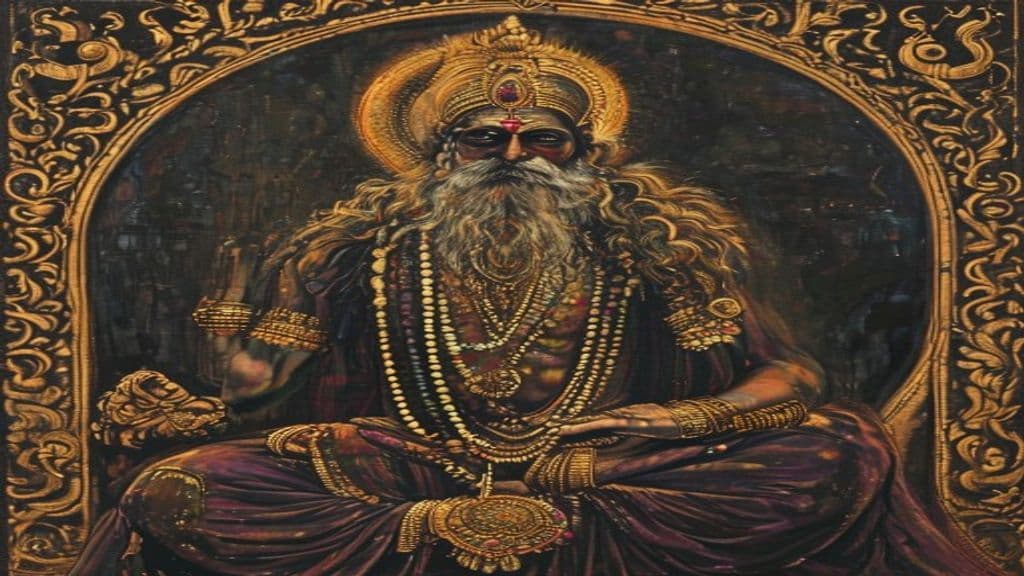
Bhrigu (Bhṛgu) is a Vedic rishi — one of the Saptarṣi and a mānasaputra (mind-born son) of Brahmā — remembered in Hindu tradition as a progenitor (Bhārgava), Upanishadic inquirer, contributor to legal and ritual corpus, and the attributed compiler of the astrological compendium Bhrigu Saṃhitā.

Bhrikuti is a historic-legendary 7th-century Nepali princess of the Licchavi line who became queen-consort to the Tibetan king Songtsen Gampo and, in Tibetan religious imagination, is represented iconographically and devotionally as an emanation or incarnation of Green Tara. Sources credit her with bringing sacred Buddhist images, skilled Newar craftsmen, and patronage that aided the establishment of Buddhism in Tibet; she is not presented in the sources as a harmful folk spirit.
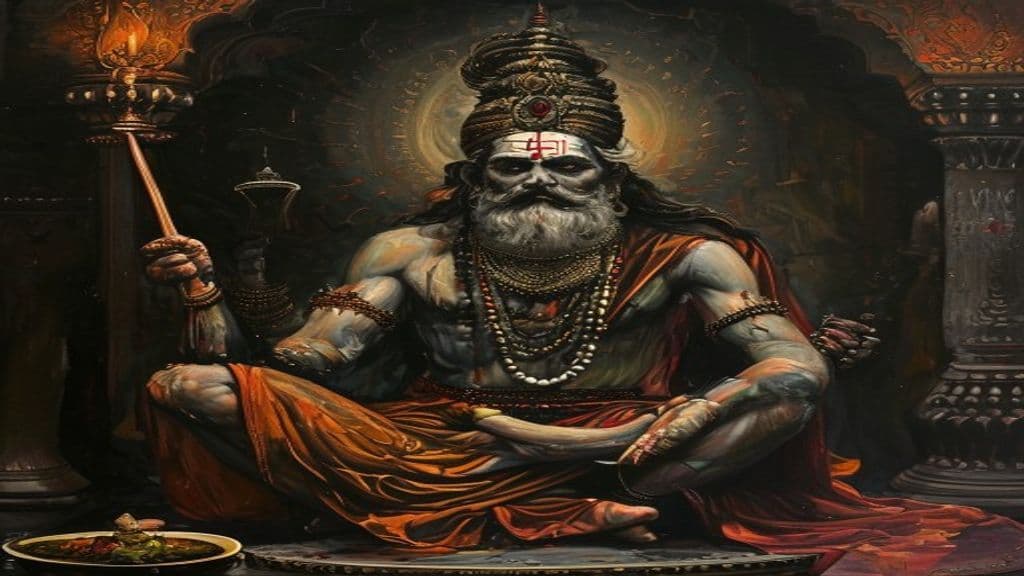
A Hindu rishi and devotee of the deity Shiva, known for his spiritual insight and authority. (Note: * Power tier: Based on source material, it seems that Bhringi's status as a "great devotee" suggests he may have achieved some sort of spiritual or divine connection with Shiva, which would elevate hi)

The female guardian-spirit of agricultural fields in Bihar and eastern UP — her presence ensures fertile soil and good harvest, but she is territorial and punishes those who plough without permission, steal crops, or use chemical methods that poison the soil she inhabits.