Entity Index

A record of the unseen, drawn from world folklore.

7631 entities · page 28 of 128

Basan
Lesser

Basan

The Basan is a legendary nocturnal bird-like yōkai from Edo-period Japanese illustrated compendia. Described as a chicken-sized fowl that emits a visible, cold, non-combustive ‘ghost-fire’ and feeds on charred wood and embers, it is associated with mountain bamboo groves and remote villages at night.

Bashe (巴蛇) — Great Horned/Great Ba Snake
Greater

Bashe (巴蛇) — Great Horned/Great Ba Snake

Bashe (巴蛇, bā-shé) is a named legendary giant python-like serpent in classical Chinese literature, famed for swallowing elephants whole and disgorging their bones after a long interval. It appears in mytho-geographic and poetic compilations (notably the Shanhaijing and the Chuci Tianwen) and is taken up in materia medica writings (e.g., Bencao Gangmu) and commentaries (Guo Pu) as both marvel and source of medicinal substances.

Bashnouna
Lesser

Bashnouna

Bashnouna is a Coptic Christian monk venerated as a saint and martyr in the Coptic Orthodox tradition. According to hagiographical accounts recorded in the Coptic Synaxarion and secondary summaries, he was a monk of the Monastery of Saint Macarius in Scetes, arrested during the Fatimid caliphate of al-'Āḍid, refused to convert to Islam, and was burned alive on 24 Pashons (19 May 1164). His relics are reported buried at the Church of Saint Sergius in Cairo and he is commemorated liturgically on that date.

Basilides and Potamiana
Lesser

Basilides and Potamiana

Basilides and Potamiana are early Christian martyrs venerated in later tradition. Potamiana is remembered as a young virgin of Alexandria whose martyrdom and reported nocturnal appearances inspired conversions; Basilides was a court officer converted by Potamiana’s apparition, baptized, and subsequently executed.

Basilisco chilote
Lesser

Basilisco chilote

A Chilote household parasite: a rooster-crested, serpentine creature hatched from a chicken's egg that lives beneath houses and feeds on inhabitants' phlegm and saliva, causing dehydration and death. Preventive measures call for burning the egg and killing the laying hen; once hatched the documented remedy is to burn the afflicted house.

Basilisk
Greater

Basilisk

A legendary serpent from classical and medieval bestiary tradition, the basilisk is described as a paradigmatic "king" of serpents whose gaze, breath, or venom is fatal and whose presence scorches and corrupts the surrounding environment. Treated variously as a monstrous animal, materia for alchemy, and a locus of local legend, it features recurrent countermeasures (weasel, rooster, mirror) in the sources.
Basque Primordial Entity
Primordial

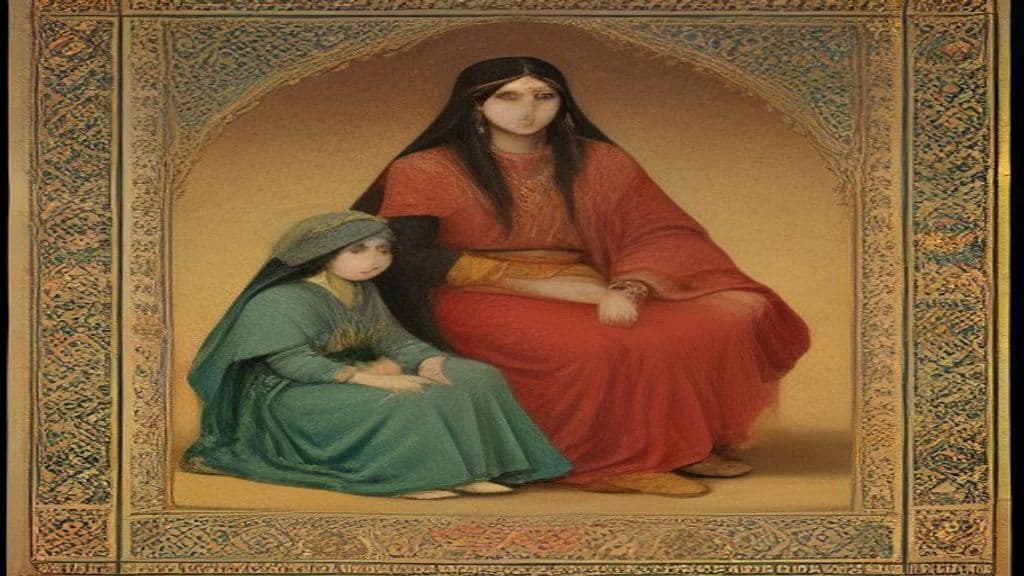
Basque Primordial Entity

Very little is known about Basque mythology due to the lack of surviving texts from the pre-Christian worldview. (Note: 1. Summary: Add that most knowledge comes from indirect sources such as legends and place names. 2. Power tier: Remove or change Primordial, as there is no information about its abilities or powers. 3)

Bastet
Ancient

Bastet

Bastet (Ancient Egyptian bꜣstt; also rendered Bast, Ubasti, Bubastis) is an ancient Egyptian goddess whose character shifted over millennia from a lioness warrior-protector of the king and Ra to a later cat-associated deity linked to domestic protection, fertility, motherhood, and healing against disease and evil spirits. Her principal cult center was Per-Bastet (Bubastis) in the Nile Delta.

Bat
Ancient

Bat

Bat is an ancient Egyptian cow- and sky-goddess, attested from the late Predynastic period as the chief deity of the 7th Upper Egyptian nome (Seshesh/Hu). She is closely associated with the sistrum and was later syncretized into the cult of Hathor by the Middle Kingdom.

Bata
Ancient

Bata

Bata is an Egyptian local deity associated with cattle and with a territorial cult in Upper Egypt. In New Kingdom religious geography he appears as the co-representative of the 17th Upper Egyptian Nome alongside Anubis and also functions as the protagonist of the Tale of Two Brothers (Papyrus D’Orbiney), a mythic narrative that includes motifs of kinship, death and postmortem continuity.

Batara Guru
Ancient

Batara Guru

Batara Guru is a supreme divine figure in multiple Indonesian mythological traditions (Indonesian Hinduism, Batak, Bugis, Javanese). He functions variously as a guru-aspect of Shiva, a creator or world-recoverer in Batak narrative fragments, an ancestor and progenitor in Bugis and Batak genealogies, and a high deity of the kahyangan in Javanese cosmology.

Batara Kala
Ancient

Batara Kala

Batara Kala is a Javanese and Balinese underworld deity associated with death, time, and destruction; feared as an ogre-like devourer of the unlucky, he is also ritually propitiated to avert misfortune, especially for at-risk children.

Batara Sambu
Ancient

Batara Sambu

Batara Sambu is a deity in Javanese Hinduized mythology described as the god or patron of teachers, the first-born son of the high god Batara Guru and queen Batari Uma. In wayang (Javanese shadow-play) tradition he is depicted as a ruler of clouds, ancestor of rakshasa (giants), and resident of the southern heavenly realm Kahyangan Swelagringging; his pasaran (Javanese calendar day) is Pa(h)ing and his palace is said to be made of copper.

Batea
Minor Spirit

Batea

Batea is a polysemous term found in scientific, geographic, material-culture, mythological, and modern technical contexts. In the supplied sources it appears as a genus of amphipod crustaceans, two named figures in Greek mythology (without further detail in these sources), a municipality in Catalonia, a traditional gold-panning pan, and as the name/acronym of contemporary technical and policy documents.

Batea of Troad
Lesser

Batea of Troad

Batea (Ancient Greek: Βάτεια) is a mythic female ancestor and eponym in early Greek accounts tied to the foundation myths of the Trojans/Dardanians. Presented as a member of the Teucrian royal house and consort of Dardanus, she is credited with giving her name to a hill in the Troad and to the town Bateia and functions mainly to link genealogical descent and territorial claims.

Batgirl
Lesser

Batgirl

Batgirl is a comic-book superheroine identity published by DC Comics, used by multiple human characters as a female counterpart and ally to Batman within the shared Gotham City vigilante continuity. The mantle has been assumed by different women across publication history and has been used to explore themes of gender, disability, and editorial continuity in modern popular culture.

Bathalà
Ancient

Bathalà

In pre‑colonial Tagalog religion Bathalà (also Maykapál) functions as the transcendent supreme creator-preserver — the originator and ruler of the universe. The lexeme also served as an honorific applied to lesser tutelary spirits and portentous phenomena, and was later syncretized with the Christian Dios after Spanish contact.

Bathin
Greater

Bathin

Bathin is a named non‑human spirit from the early modern European grimoire tradition, listed among ranked intelligences that magicians could summon and command. Descriptions and attributes vary across grimoires, but he is commonly portrayed as a ducal spirit who knows the virtues of plants and stones, transports people, and rules multiple legions of subordinate spirits.

Bathyphysa conifera
Minor Spirit

Bathyphysa conifera

Bathyphysa conifera is a bathypelagic colonial siphonophore (family Rhizophysidae). Composed of multiple specialized zooids acting as a single organism, it reaches several meters including long tentacles lined with nematocysts; it is a biological species documented by researchers and occasionally referenced in popular culture (nicknamed the "flying spaghetti monster").

Batibat
Lesser

Batibat

The Batibat is a vengeful, tree-dwelling female spirit in Philippine (Ilocano and Tagalog) folklore associated with causing suffocative sleep afflictions, nightmares, and sleep paralysis when trees that house it are felled and used near human sleeping spaces.

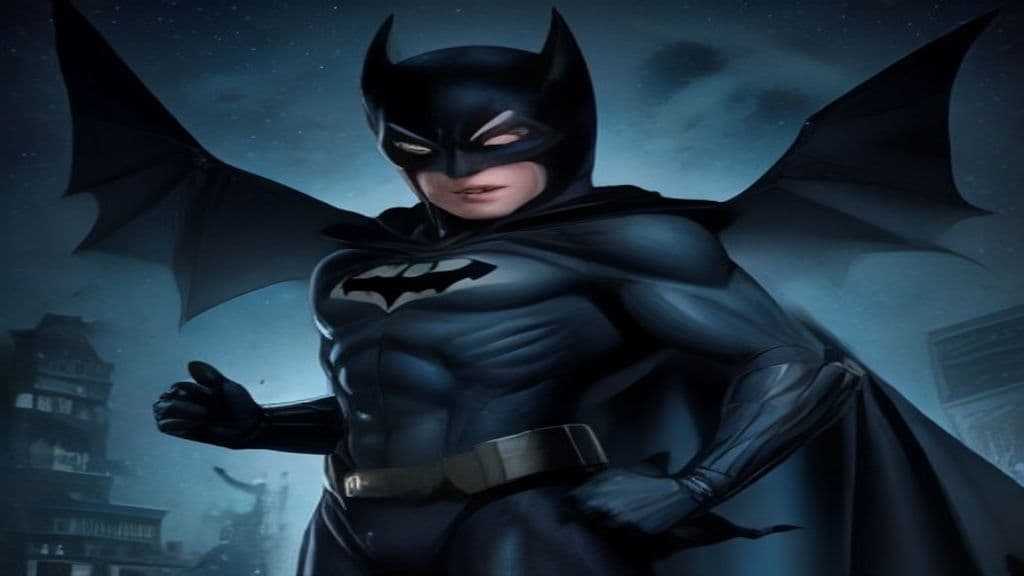
Batman
Lesser

Batman

Batman is a fictional, human costumed persona created for American comic books, adopted by Bruce Wayne to combat crime in the fictional Gotham City. Presented in mainstream continuity as a non‑superpowered figure, he relies on intellect, physical training, gadgets, and wealth and functions as an iconic cultural symbol across comics, film, television, and games.

Batman of Zur‑En‑Arrh
Lesser

Batman of Zur‑En‑Arrh

A DC Comics construct with two linked uses: a 1958 Silver Age alien analogue (Tlano) from the planet Zur‑En‑Arrh who models himself on Earth's Batman, and a modern-era psychological contingency persona engineered by Bruce Wayne as a backup identity that is more violent and unhinged than his normal Batman.

Batmen of All Nations
Lesser

Batmen of All Nations

A fictional international club of costumed crime‑fighters in DC Comics who model themselves on Batman; depicted as national counterparts who occasionally assemble as a team and reflect Batman's global influence and legacy.

Baton (Greek Mythology)
Unknown

Baton (Greek Mythology)

In Greek mythology, the origin, appearance, and abilities of Baton are unknown due to lack of information. (Note: 1. Add "incomplete" or "insufficient information" to the summary to reflect that there's no actual description of Baton, rather than it being unknown. 2. Power tier should be listed as "Unknown" since)

Batroc the Leaper
Lesser

Batroc the Leaper

Georges Batroc, known as Batroc the Leaper (French: Batroc le Sauteur), is a fictional human mercenary and recurring antagonist in Marvel Comics. He is portrayed as a peak‑condition savate specialist and acrobat who leads small mercenary teams, accepts contracts, and occasionally allies with heroes when his code of honor dictates.

Battus
Lesser

Battus

Battus (Ancient Greek: Βάττος) is a mortal figure in Greek and Greco-Roman tradition who, in the Hermes–Apollo cattle-theft episode, witnessed Hermes stealing Apollo's cattle, accepted a heifer for silence, later betrayed the secret and was punished by being turned into stone. The name also appears separately in Greco-Roman legend as a semi-legendary king of Malta who sheltered Anna Perenna; sources do not identify the two attestations as the same individual.

Batwoman
Lesser

Batwoman

Batwoman is a fictional, non-superpowered costumed vigilante identity appearing in DC Comics and its adaptations. The mantle has been used by multiple female characters (notably Kathy Kane, Kate Kane, and Ryan Wilder) who operate as counterparts and allies to Batman within Gotham City and related media.

Bat‑Mite
Primordial

Bat‑Mite

Bat‑Mite is a small, childlike fifth‑dimensional imp‑like being from DC Comics who idolizes Batman and visits the three‑dimensional world to observe and provoke situations for the hero to resolve. Portrayed primarily as a mischievous, comedic foil rather than a malign folkloric monster, Bat‑Mite possesses near‑omnipotent fifth‑dimensional powers that appear as magic to humans and appears across comics and animated media since 1959.

Bau
Ancient

Bau

Bau is a deity attested in Sumerian and Akkadian ritual-literary texts. In the supplied hymnic excerpts she is addressed as 'child of holy An' and invoked as one who 'decide[s] the fate of all the countries' and 'renders verdicts and decrees judgments.'

Bauchan
Lesser

Bauchan

A household-associated hobgoblin from Scottish Highland folklore, the bauchan is portrayed as ambivalently belligerent and helpful; in at least one recorded tale it accompanies a human household across the Atlantic and can shapeshift into a goat.

Baucis and Philemon
Lesser

Baucis and Philemon

An elderly, impoverished married couple from Ovid’s Metamorphoses who exemplify ritual hospitality (xenia) by welcoming disguised gods; as a divine reward they are granted guardianship of a temple and, at death, are transformed into an intertwined oak and linden.

Baugi
Lesser

Baugi

Baugi is a jötunn (giant) in Old Norse myth who appears as a secondary actor in the mead of poetry narrative preserved in Skáldskaparmál and the þulur. He is presented as the brother of Suttungr, provides and uses an auger named Rati to bore into the mountain Hnitbjörg, and figures in Odin's (Bölverk’s) bargain and deception to obtain the mead of poetry.

Bauk (Slavic mythology)
Greater

Bauk (Slavic mythology)

A mythical creature from Serbian mythology that inhabits dark places, waiting to grab and devour its victims. (Note: 1. Power tier should be Lesser (local spirit), as it's described as hiding in dark places, not possessing deity-level powers. 2. The appearance description matches the source material, but note that ")

Bawang Merah dan Bawang Putih
Lesser

Bawang Merah dan Bawang Putih

A widely told Malay/Indonesian folktale about two eponymous human stepsisters — Bawang Putih (the humble, patient sister) and Bawang Merah (the vain, cruel sister). The story uses small supernatural motifs (magic pumpkins, a talking fish, a gift-bearing old woman) set in rural liminal spaces to reward virtue and punish vice; it functions as a didactic children's tale rather than an account of a discrete spirit being.

Bayard (Ros Balatum)
Greater

Bayard (Ros Balatum)

Bayard, called Ros Balatum in some modern French sources, is a singular magical bay horse from the medieval chansons de geste, most famously associated with the cycle around The Four Sons of Aymon. The creature is presented in the literary tradition as an intelligent and powerful enchanted steed with the supernatural ability to change size to accommodate its riders.

Bayon
Primordial

Bayon

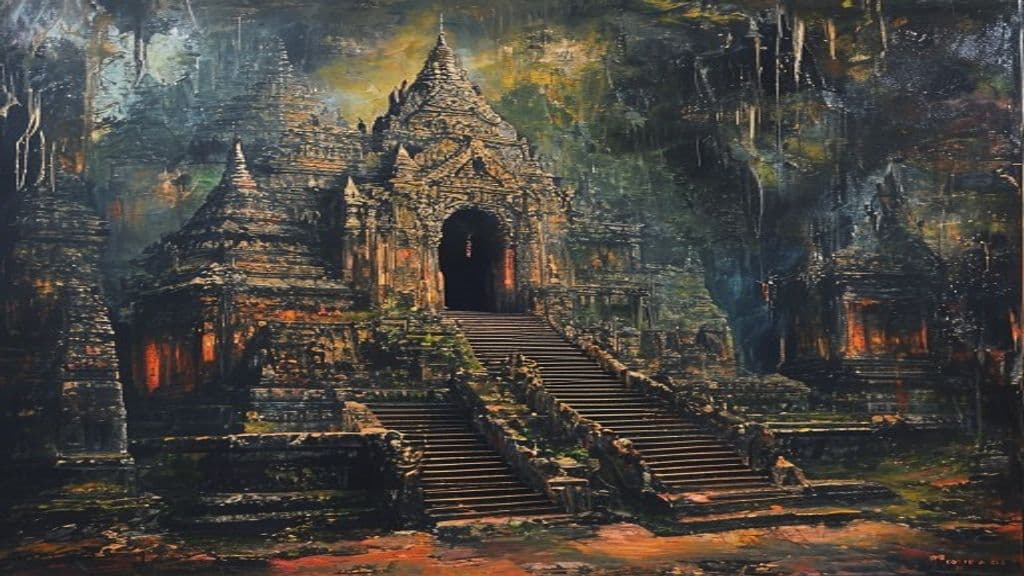
A Theravada Buddhist temple and monument in Angkor, Cambodia, embodying the principles of Mahayana Buddhism. (Note: 1. Power tier: The draft article assigns Bayon to the Primordial power tier, but given that it's a temple with no mentioned ability to affect reality on a cosmic scale, this should be adjusted to Anci)

Bayonetta
Greater

Bayonetta

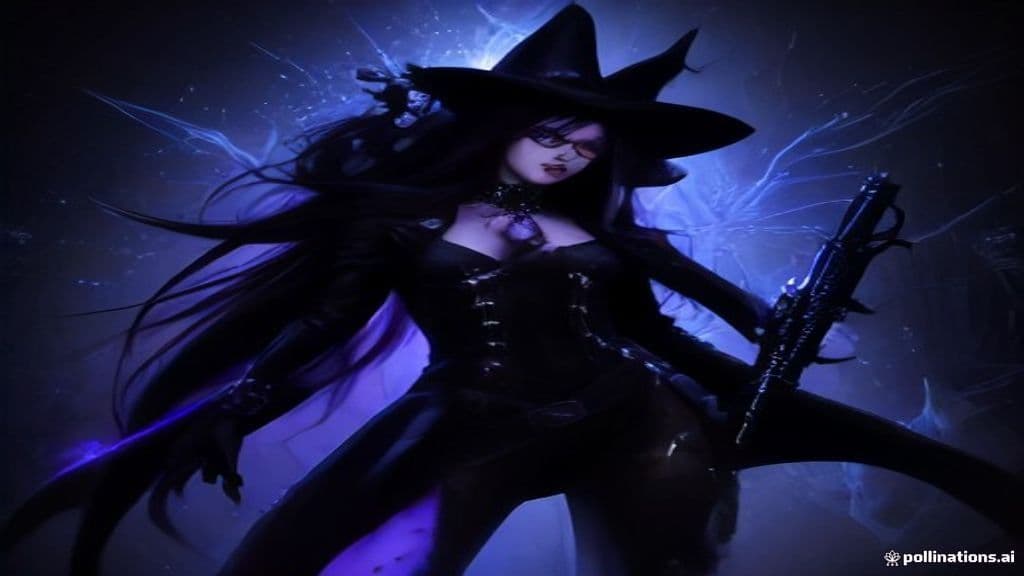
Bayonetta is the titular witch protagonist of a contemporary urban-fantasy action‑adventure video‑game franchise created by PlatinumGames and published by Sega/Nintendo. Presented as a stylized, humanlike witch, she wields firearms and hair‑based magic to battle angelic and godlike foes across modern and mythic settings.

Bazi
Lesser

Bazi

Bazi (cuneiform 𒀭𒁀𒍣, dBa-zi) is a figure in Mesopotamian king-list and literary traditions associated with Mari and the western lands; in the Tell Leilan recension of the Sumerian King List he appears as a legendary 'king of Mari', while an Old Babylonian composition, the Song of Bazi, treats him as a deity linked to exorcistic practice and ascribed filial relation to the god Ea.

Bazrangi
Minor Spirit

Bazrangi

Bazrangi (Bāzrangī; also Bazrangids or Badhrangids) is attested in the provided sources primarily as a family name/dynasty and as a place-name in southwestern Iran. The term appears in historical genealogical narratives connected to late Arsacid / early Sasanian figures and in folkloric usage as a lexical label meaning "wild person," but the sources do not present Bazrangi as a supernatural being.

Baš Čelik
Greater

Baš Čelik

Baš Čelik is the supernatural antagonist of a Serbian folktale recorded in Vuk Karadžić’s tradition. In the tale he is an imprisoned, other‑worldly being whose life is hidden outside his body; he is temporarily weakened by denying him water but can only be permanently defeated by locating and destroying his external life‑locus.

Bašmu
Greater

Bašmu

An ancient Mesopotamian monstrous serpent (literally 'Venomous Snake') appearing in mythic lists of primeval foes of the gods and as the Akkadian name of a Babylonian constellation (MUL.DINGIR.MUŠ, equated with the Greek Hydra). It is portrayed in fragmentary texts and art as a huge, horned, venomous snake defeated by divine champions.

Baʿal Hammon
Ancient

Baʿal Hammon

Baʿal Hammon is the chief male deity of the Punic (Carthaginian) pantheon, associated principally with vegetation fertility, communal prosperity, and kingly supremacy. He is syncretized with North African/Egyptian Ammon (Amun) and, in Greco‑Roman interpretatio, with Cronus/Saturn. Classical authors accuse his cult of child sacrifice, a claim debated by modern scholars and archaeologists.

Baʿal Zephon
Ancient

Baʿal Zephon

An epithet/localized form of the Canaanite storm god Baʿal (Hadad) associated with Mount Zaphon (Jebel Aqra) and with the north; worship of Baʿal Zephon served protective and maritime functions and was widely syncretized in neighboring cultures.

Ba‑Pef
Lesser

Ba‑Pef

Ba‑Pef is an obscure, malevolent underworld deity attested in Old Kingdom Egyptian sources and referenced in later summaries; the name literally means "that Ba". The priesthood of Ba‑Pef was held by queens in the Old and Middle Kingdoms, and the deity appears in at least one funerary inscriptional context naming a priestess.

Beaduhild (Böðvildr)
Lesser

Beaduhild (Böðvildr)

Beaduhild (Old Norse Böðvildr; Old English Beaduhild/Beadohild; also Bodil, Badhild) is a legendary human princess in Germanic heroic tradition whose life is entangled with the smith Wayland (Weland/Vǫlundr). In earlier sources she appears as a tragic victim in the Weland cycle; in later Scandinavian recensions she is recast as Wayland's wife and the mother of a heroic descendant (Viðga).

Beaivi
Ancient

Beaivi

Beaivi is the Sámi Sun and sun-being: the same term names both the celestial body and the personified solar deity. Central to seasonal rites in Sápmi, Beaivi is petitioned for the return of spring, warmth, fertility (especially of reindeer), and for recovery from mental illness and sun-related ailments.

Beaivi-nieida
Lesser

Beaivi-nieida

Beaivi-nieida (also given as Biejjenniejte) is identified in the cited source as a female solar figure in Sámi shamanism, translated as 'Daughter of the Sun' or 'Sun Maiden'. The available entry provides only a name, literal translation, and one-line identification within Sámi religious context.

Bean-nighe
Lesser

Bean-nighe

A female spirit in Scottish Gaelic folklore who haunts desolate streams and fords, washing the clothing of those who are about to die; regarded as an omen of death and a messenger from the Otherworld.

Bear
Minor Spirit

Bear

A real-world animal (family Ursidae) widely distributed across the Northern Hemisphere and present in cultural names and symbols; the provided sources treat 'bear' as a zoological taxon and cultural referent rather than a single mythological or supernatural being.

Bear Lake Monster
Lesser

Bear Lake Monster

A lake‑monster legend associated with Bear Lake on the Utah–Idaho border, attested in 19th‑century settler newspapers and later local reports. Descriptions and reports vary widely; the creature functions in sources as a local legendary animal, a subject of publicity and tourism, and an element of regional identity rather than a codified supernatural being.

Bearers of the Throne (ḥamlat al‑arsh)
Ancient

Bearers of the Throne (ḥamlat al‑arsh)

The ḥamlat al‑arsh are a class of angels in Islamic textual tradition whose primary role is to carry or support God’s Throne (al‑ʿArsh). Descriptions vary across transmissions, emphasizing their cosmic scale, proximity to the divine Throne, and symbolic features drawn from a range of hadith and exegetical reports.

Beast Boy (Garfield Mark "Gar" Logan)
Greater

Beast Boy (Garfield Mark "Gar" Logan)

Beast Boy is a fictional superhero from DC Comics (first appearance Doom Patrol #99, November 1965), a human named Garfield Mark "Gar" Logan who acquired the ability to transform into any animal after an experimental medical procedure. He is portrayed as a youthful team member of Doom Patrol and Teen Titans, often providing comic relief while coping with deep personal trauma.

Beast of Bodmin
Lesser

Beast of Bodmin

A modern British cryptid associated with reports of a non-native large cat prowling Bodmin Moor, Cornwall. Treated variously as an escaped or released large felid blamed for livestock damage and as a piece of contemporary folklore amplified by media, books and popular culture.

Beast of Bray Road
Lesser

Beast of Bray Road

A contemporary North American cryptid localized to Walworth County, Wisconsin, described in witness reports and popular media as a wolf-like, humanoid or hybrid creature associated with Bray Road and surrounding rural areas. It exists both as reported phenomenon and as a piece of local folklore and popular-culture storytelling.

Beast of the Earth (dābbat al-arḍ)
Greater

Beast of the Earth (dābbat al-arḍ)

An eschatological figure attested in the Qurʾān (Q 27:82) and elaborated in later Islamic tafsīr and apocalyptic traditions. The Qurʾān states God will produce a creature 'from the earth' that will speak to people when the Word is fulfilled; subsequent hadith and exegetical literature expand this brief mention into varied narratives about a speaking end‑time creature or sign.

Beatrice Portinari
Lesser

Beatrice Portinari

Beatrice (Bice) di Folco Portinari appears in Dante Alighieri's works as the personified embodiment of beatific love, divine grace, and theological vision who intercedes for and ultimately guides the pilgrim from human reason into Paradise. Historically she may be a Florentine woman documented in late 13th-century records, but the literary Beatrice is primarily a theological and allegorical figure within Dante's poetic cosmology.

Beauty (Once Upon a Time)
Minor Spirit

Beauty (Once Upon a Time)

A television-episode–centred portrayal of Belle (the 'Beauty' archetype) from Once Upon a Time (Season 7, Episode 4). The episode follows Belle's life with Rumpelstiltskin/Mr. Gold, her understanding of a prophecy that interprets 'sunset' as her death, her peaceful passing after years at the Edge of Realms, and a later vision of her spirit seen by a comatose Weaver.

Bebop and Rocksteady
Lesser

Bebop and Rocksteady

Bebop and Rocksteady are a paired antagonistic duo from the Teenage Mutant Ninja Turtles franchise: two humanoid mutants—commonly a warthog (Bebop) and a rhinoceros (Rocksteady)—created to serve as Shredder's muscle. They function narratively as physically imposing but often incompetent henchmen whose loyalties and brute force drive many episodic conflicts.

Bebryces
Lesser

Bebryces

The Bebryces (Greek: Βέβρυκες) are a legendary people or tribe attested in Greek mythographic and geographic tradition, primarily located in Bithynia (northwestern Anatolia). They appear in heroic-age narratives as local rulers and warriors—not as supernatural beings—and are associated with episodes involving Heracles, the Argonauts, and named kings such as Amycus and Mygdon.

Beburos
Ancient

Beburos

Beburos is a named angel attested in the Greek Apocalypse of Ezra (Revelation of Esdras) as one of nine heavenly beings who will "govern at the end of the world." The figure is non‑canonical and known primarily from this apocryphal source and modern reference glossaries that reproduce the roster.