Filipino Supernatural Beings

60 documented Filipino supernatural beings from the Evil Eye grimoire, including 32 lesser and 17 greater in power tier.

Aguingay
Minor Spirit

Aguingay

Aguingay (also Agingay) is a legendary woman from the Bulusan epic of Sorsogon, Philippines. Presented as a mortal of exceptional beauty and tragic fate, her life and death are etiologically linked to local landscape features (Mt. Bulusan and two lakes) and commemorated in an annual festival.

Alan
Lesser

Alan

A class of non‑human spirit-beings in Tinguian (Philipine) folklore associated with reproductive wastes and springs; said to transform discarded menstrual blood, afterbirth, or miscarried tissue into human children whom they rear, and to dwell in fine houses near springs. Key described features include wings and backward-pointing fingers and toes.

Amalanhig
Lesser

Amalanhig

Amalanhig are Visayan undead beings in Philippine folk belief, described as aswang who failed to transfer their monstrosity or power before death and who rise from graves to attack living humans. Accounts portray them as externally human in appearance with enlarged upper canines and as predators that bite, feed with a pointed tongue in some tellings, or — in an alternative variant — tickle victims to death.

Angalo
Primordial

Angalo

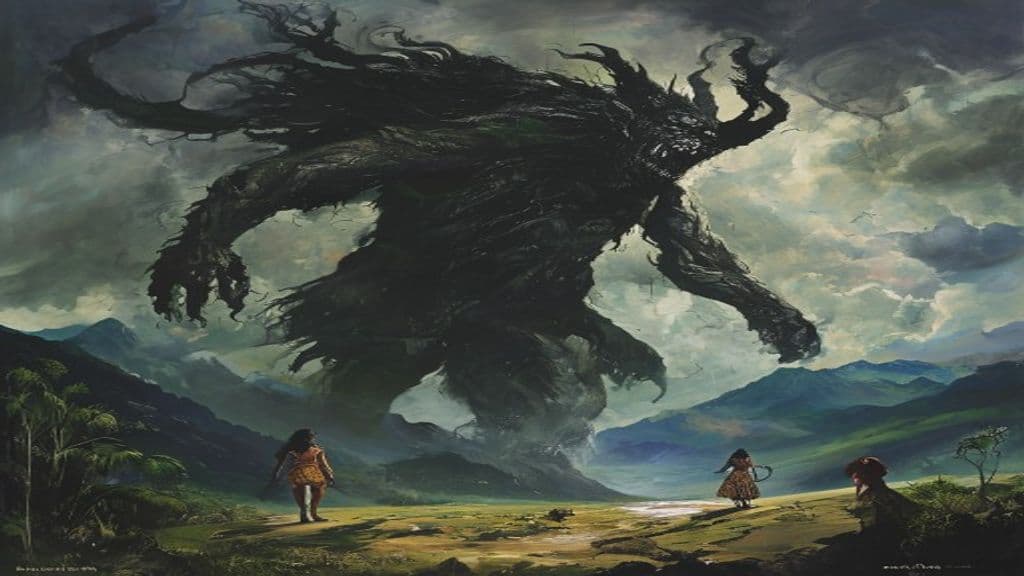
Angalo is a primordial culture-hero and giant in Ilocano mythology credited with shaping the landscape of Luzon and explaining natural phenomena; narratives present him as the first man and an ancestral figure whose bodily acts produced mountains, valleys, seas, and celestial features.

Anggitay
Lesser

Anggitay

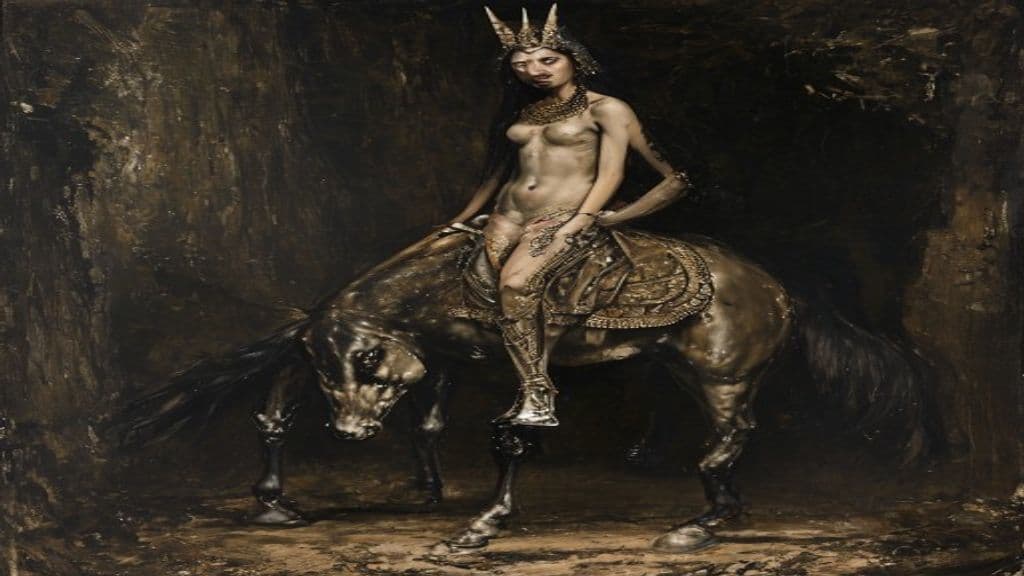
A Philippine folkloric female equid–human hybrid often described with the upper body of a woman and the lower body of a horse. Frequently compared to the Greek centauride and sometimes presented as a female counterpart to the tikbalang; traditionally associated with an attraction to gemstones and jewelry and with a local homeland in Santo Tomas, Batangas in some accounts.

Anito
Lesser

Anito

Anito is a category of non‑human and post‑human spiritual beings in indigenous Philippine animistic worldviews, encompassing ancestor spirits, nature spirits/local deities, and sometimes carved effigies (taotao) that house or represent those spirits. They mediate relations between the living and the unseen world, functioning as household guardians, owners of places, intercessors, or occasional agents of harm when offended.

Aswang
Greater

Aswang

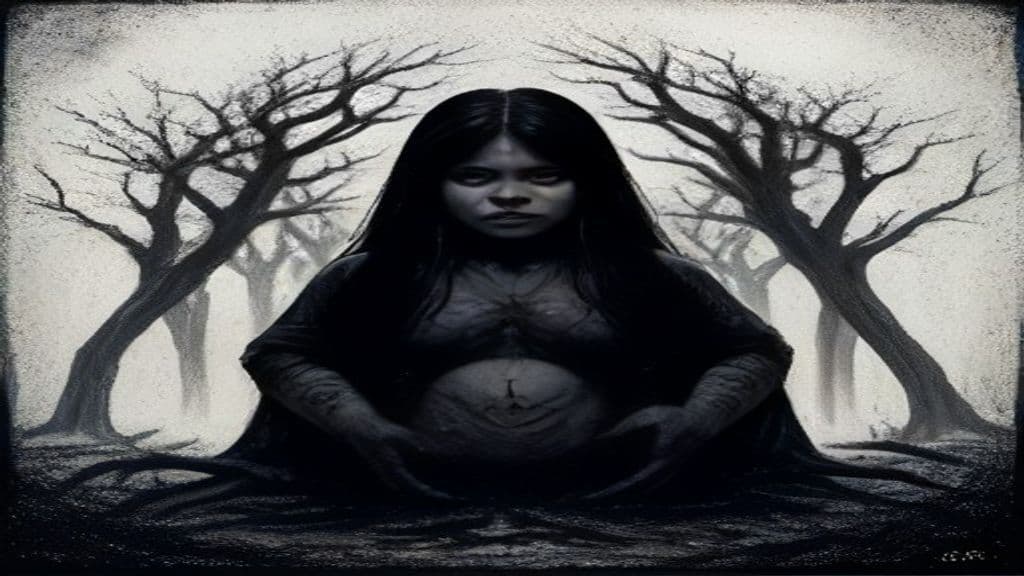
The most feared supernatural being in Philippine folklore — a shape-shifting monster that appears human by day but transforms at night to prey on pregnant women and children.

Bakla
Minor Spirit

Bakla

Bakla is a Philippine social and gender category—commonly an assigned‑male‑at‑birth person who adopts a feminine gender expression and is often treated as a third gender. Historically some bakla served as indigenous ritual specialists (babaylan, katalonan), but the term itself denotes a social identity, not a supernatural being.

Bakunawa
Greater

Bakunawa

A dragon- or serpent-like mythic being from Philippine tradition associated with the moon and eclipses; its actions explain lunar eclipses and some natural phenomena and were integrated into ritual practice and calendrical knowledge.

Bal-Bal
Lesser

Bal-Bal

A Philippine folkloric undead/monster that steals corpses from funerals and graves and feeds on them, noted for keen scent for dead bodies, sharp claws and teeth, foul breath, and reportedly leaving a banana‑tree trunk in the coffin as a substitute for the stolen corpse.

Bathalà
Ancient

Bathalà

In pre‑colonial Tagalog religion Bathalà (also Maykapál) functions as the transcendent supreme creator-preserver — the originator and ruler of the universe. The lexeme also served as an honorific applied to lesser tutelary spirits and portentous phenomena, and was later syncretized with the Christian Dios after Spanish contact.

Batibat
Lesser

Batibat

The Batibat is a vengeful, tree-dwelling female spirit in Philippine (Ilocano and Tagalog) folklore associated with causing suffocative sleep afflictions, nightmares, and sleep paralysis when trees that house it are felled and used near human sleeping spaces.

Berbalang
Lesser

Berbalang

Berbalangs are a class of corpse‑eating, astral‑projecting beings described in a late‑19th‑century ethnographic account from the island of Cagayan Sulu (Mapun). The report portrays them as a village community whose members are said to dig up graves to eat corpses and, by entering trance, liberate an astral body to possess and feed on the living; protective measures recorded include lime and a coconut pearl talisman.

Berberoka
Lesser

Berberoka

A water-associated swamp spirit or creature from northern Luzon (Philippines) said to prey on people at ponds, lakes, rivers, and swamps by manipulating water—draining and reflooding sites to drown victims. Described in summaries as a 'swamp creature' or 'water ogre'; some modern adaptations portray it as a scaled ogre.

Bungisngis
Greater

Bungisngis

The Bungisngis is a one-eyed giant from Philippine folklore, described as humanoid, always laughing, and possessing great strength but easily outwitted. Tales place it in specific Philippine localities and often portray it as a comic yet dangerous antagonist defeated by clever protagonists.

Busaw
Lesser

Busaw

A malign corpse‑stealing being that resembles humans by day, lives near burial grounds, and preys on freshly dead corpses—stealing them from coffins, transforming them into pigs, and consuming them. It also attempts to spread its condition by feeding stolen human flesh to neighbors.

Buso
Greater

Buso

A capacious Bagobo category for malevolent non-human beings in Mindanao animistic belief; buso are implicated in disease, death, and consumption of flesh and are managed through offerings, avoidance, and local ritual practice. The term covers many named types (tigbanua, mantianak, karokung, etc.) rather than a single mythic personality.

Captain Barbell
Greater

Captain Barbell

Captain Barbell is a Filipino comic‑book superhero created by Mars Ravelo who first appeared in Pinoy Komiks in 1963; an ordinary man or youth transforms via a magical barbell or medallion and becomes a powerful defender figure in serialized popular narratives (comics, films, TV, animation).

Captain Boom
Minor Spirit

Captain Boom

Captain Boom is a Filipino comic-book superhero created by Mars Ravelo who first appeared in 1966. A human costumed crime fighter, his abilities are depicted as produced through sonic means; the character was adapted for Philippine television in 2008 as Kapitan Boom.

Dalaketnon
Greater

Dalaketnon

A Visayan Philippine engkanto lineage associated with Dalakit/Balete trees; portrayed as an elitist, tree‑dwelling supernatural people who host feasts, abduct humans, and bind victims by compelling them to eat enchanted black rice. Contemporary media elaborates additional powers and aristocratic styling.

Daragang Magayon
Lesser

Daragang Magayon

Daragang Magayon is the heroine of a Bicol legend in the Philippines whose tragic life and death are the etiological explanation for the naming and formation of Mt. Mayon. Presented as a mortal maiden of extraordinary beauty, her story functions as a foundational regional myth and a cultural archetype of idealized beauty and tragic love.

Darak
Lesser

Darak

No attested supernatural being named 'Darak' appears in the provided sources. The term 'Darak' is documented as a toponym (places in Cameroon and Iran), as the Tagalog common name for rice bran used in traditional Philippine medicine, and as a personal or fictional proper name in varied modern sources. There is no corroborated ethnographic or mythological description of Darak as a spirit, deity, or monster in the consulted materials.

Darna
Greater

Darna

Darna is a Filipino comic-book superheroine: the mortal girl Narda transforms into a transcendent warrior by means of a magical stone and the spoken name, acting as a protector and avenger against criminals and supernatural foes. Created in the post‑war era, Darna functions as a national popular‑culture icon that adapts folkloric amulet motifs into a modern heroine archetype.

Datu Daya
Lesser

Datu Daya

Datu Daya is a legendary lord and eponymous founder-figure of Kandaya (now Daanbantayan) on the northern tip of Cebu Island, Philippines. Remembered in local oral tradition as the ruler of the first settlers who established a defended community, he is commemorated in the annual Haladaya chants and dances.

Dios Buhawi
Lesser

Dios Buhawi

Sobriquet applied to Ponciano Elofre, a late 19th-century cabeza de barangay in Zamboanguita, Negros Oriental, who led a politico-religious revolt combining anti‑tax resistance with a revival of pre‑Spanish babaylan rites. Sources treat Dios Buhawi as a historical social and religious leader rather than a supernatural being.

Duwende
Minor Spirit

Duwende

A Filipino folkloric small humanoid being described in source materials as 'smaller people'—normal-looking humans of miniature stature—often compared in English-language descriptions to elves or leprechauns.

Dyesebel
Minor Spirit

Dyesebel

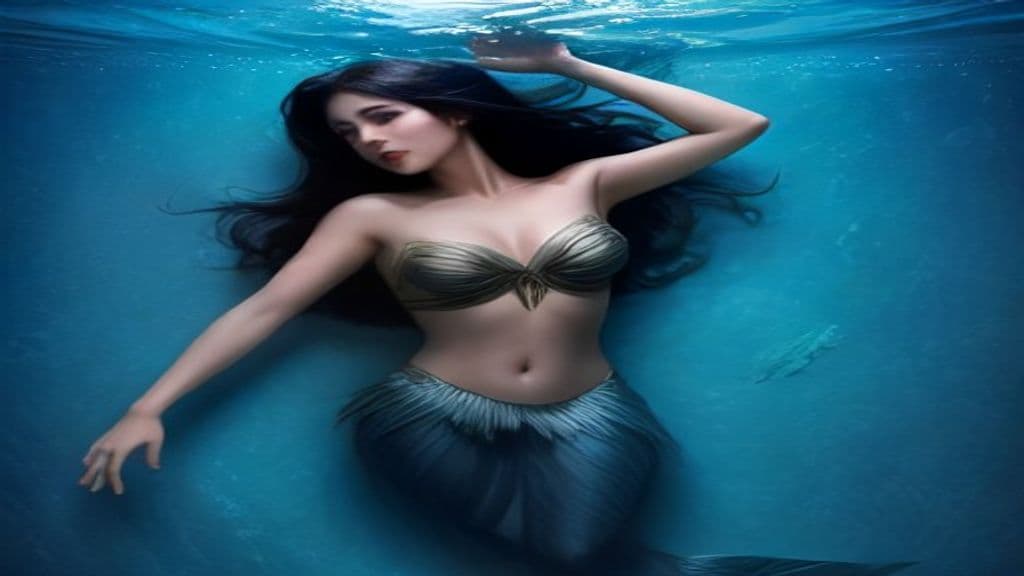
Dyesebel is a fictional Filipino comic-book mermaid character created by Mars Ravelo and drawn by Elpidio Torres, widely adapted into films and television. In her stories she inhabits the marine realm, interacts with humans (notably a love interest named Fredo), and in some versions gains full human form via a bargain with a sea-witch.

Dyosa
Greater

Dyosa

Dyosa is a 2008 Philippine televised fantasy drama whose protagonist Josephine is portrayed in-series as the Takda (Chosen One), a predestined female figure of divine/supernatural origin who must restore balance between rival immortal factions. Within the show's internal cosmology, the Dyosa manifests elemental powers and transforms into three elemental forms to harness those powers.

Ekek
Greater

Ekek

A nocturnal birdlike human predator from Philippine folklore, the Ekek (or Ek Ek) is a winged creature said to hunt at night for flesh and blood, particularly targeting sleeping pregnant women and draining fetuses with a long proboscis.

Engkanto
Lesser

Engkanto

Engkanto are a catch‑all category of Philippine environmental and place spirits—human‑like, variable beings associated with landscape features and sometimes with ancestor spirits (anito). They can be ambivalent, acting as benefactors or as sources of illness, misfortune, enchantment, or guidance, and are mediated by ritual specialists such as the babaylan.

Flash Bomba
Greater

Flash Bomba

Flash Bomba is a Filipino comic-book superhero created by Mars Ravelo. A disabled man named Paul Lester Sison gains superhuman abilities after defeating a Tikbalang and receiving its magic hair (an agimat/anting-anting), then uses those powers to fight crime in komiks and a 2009 television adaptation.

Headless Priest
Lesser

Headless Priest

A restless apparition in Central American and Philippine popular belief: the decapitated Catholic cleric who returns as a night-haunting spirit tied to specific local histories, churches, roads, or buried goods. Stories function as moral warnings about sacrilege, clerical guilt, and improper handling of sacred matters.

Hero City Kids Force
Lesser

Hero City Kids Force

Hero City Kids Force is a Philippine animated short-form television series produced by ABS-CBN in collaboration with Monaural Studio and Tres Puntos Studio. The series follows child-focused adventures in which the superheroes Darna, Captain Barbell, and Lastikman team with their playmates (Maya, Andres, and Nono, aka "The McCoolits") to confront the supervillain Dr. Sternberg/Steinberg and his sidekick Cyborgana.

Ibong Adarna (Adarna Bird)
Greater

Ibong Adarna (Adarna Bird)

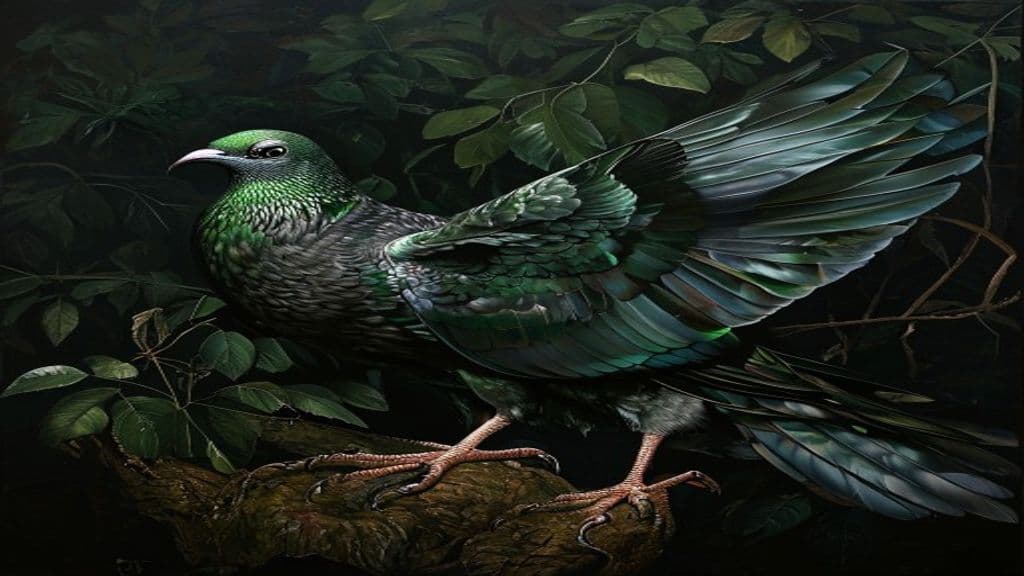
A magical legendary bird from an early 19th‑century Filipino corrido/epic (Ibong Adarna) whose song, droppings, and capture drive a quest narrative: its song induces sleep, its droppings petrify unwary listeners, and bringing the bird is the cure for a king's malady.

Irong-Irong
Lesser

Irong-Irong

Irong-Irong is attested in the provided sources only as a toponym — a historical form of a place-name and the modern name of a bay (Irong-Irong Bay) in Samar province, Philippines. There is no documentary evidence in the supplied material that Irong-Irong is or ever was a supernatural being, spirit, or agent.

Juan Tamad
Minor Spirit

Juan Tamad

Juan Tamad (Tagalog for "Lazy Juan") is a stock character in Philippine folklore known for extreme laziness. Portrayed usually as a child (sometimes a young man), he appears in short comic or moralized tales that exemplify sloth through absurd behavior and its social consequences.

Kalantiaw (tradition)
Lesser

Kalantiaw (tradition)

Kalantiaw is a named pre‑Hispanic ruler presented in early 20th‑century Philippine publications as the author of a penal code dated 1433 and associated with Panay (Aklan). Modern scholarship, beginning with William Henry Scott's research in the 1960s and later formal recognition by Philippine historical institutions, classifies Kalantiaw and the Code of Kalantiaw as twentieth‑century forgeries originating in materials promoted by José E. Marco and others.

Kan-Laon
Ancient

Kan-Laon

Kan-Laon (variously Laon, Lahon, Lalaon, Lauon, Malaon, Raom, Laonsina) is a supreme female creator anito in Visayan pre-colonial belief whose domain is identified with Mount Kanlaon on Negros Island; she is associated with creation, agriculture, the sky, and divine justice and is attested across multiple Visayan ethnolinguistic groups.

Kapitan Boom
Lesser

Kapitan Boom

Kapitan Boom (originally Captain Boom in comics) is a Filipino comic‑book superhero created by Mars Ravelo and illustrated by Ric Ravelo, first appearing in United Komiks (PSG Publishing House) in 1966. The character functions as a mass‑media crime‑fighting hero with a secret civilian identity (Lance Mercado) and was later adapted for Philippine television under the localized name Kapitan Boom.

Kapre
Greater

Kapre

A Philippine tree-dwelling humanoid spirit commonly described as a very tall, dark-skinned, tobacco-smoking being that inhabits large trees and wooded edges; kapres interact with humans as tricksters, companions, or retaliatory guardians of their trees. The modern folkloric figure is often linked in etymological accounts to Spanish/Arabic terms used in colonial discourse and so carries layered cultural meanings.

Kataw
Lesser

Kataw

Kataw is a Visayan class of merfolk in Philippine folklore closely associated with sirena/sireno traditions. Some secondary sources and local summaries describe Kataw as occupying a higher social rank among aquatic beings and as associated with the rulership of an aquatic realm called Bantay Tubig, though detailed primary legends and ritual material are scarce in the supplied sources.

Kumakatok
Lesser

Kumakatok

The Kumakatok are a trio of robed, hooded door‑knockers in Philippine popular belief who visit houses at night; their knock is regarded as an omen of imminent death for the household, typically affecting the eldest member or someone already ill. Reports situate them chiefly in Luzon and the Visayas and record a vernacular practice of painting white crosses on doors to keep them away.
Lastikman
Greater

Lastikman

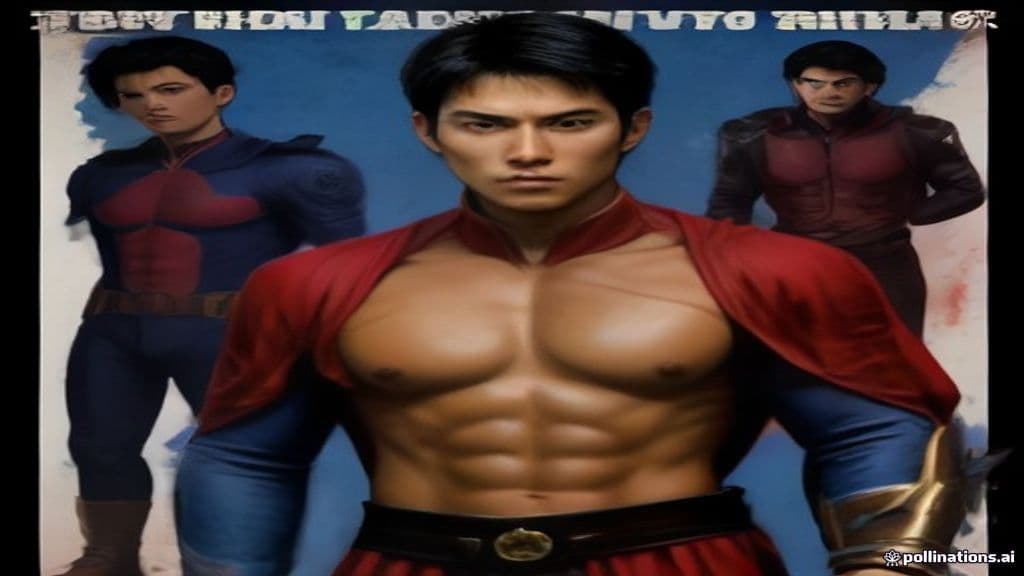
Lastikman is a Filipino popular‑culture superhero created by Mars Ravelo with artist Mar T. Santana, introduced in Aliwan Komiks #56 (December 7, 1964). Across multiple comics, films and a television series he is depicted as a human or human‑derived figure whose defining ability is extreme elasticity and shapeshifting, used to fight crime and protect people in urban Philippine settings.

Limokon
Lesser

Limokon

A culturally specific omen bird in Mindanao Philippine traditions (notably Mandaya, Bagobo, and Manobo). Its vocalizations are interpreted as messages from the unseen or spirit world and are used to guide immediate practical decisions; in some Mandaya origin tales it also appears as a primordial, speaking dove involved in creation.

Manananggal
Greater

Manananggal

A terrifying Philippine vampire who severs its own upper body from its lower half at night, sprouting bat wings to fly out and feast on sleeping pregnant women's fetuses.

Maria Cacao
Lesser

Maria Cacao

A localized Visayan diwata associated with Mount Lantoy (Argao, Cebu) and with nearby cacao cultivation; traditionally depicted as a female mountain/plant spirit who travels by a golden boat along the mountain's river and whose movements are invoked to explain floods and broken bridges. Contemporary variants add a soul‑harvesting/ punitive role in post‑disaster rumors.

Maria Sinukuan
Greater

Maria Sinukuan

Maria (Mariang) Sinukuan is a Kapampangan mountain diwata associated with Mount Arayat who, in oral tradition and later folklore, oversees the mountain's abundance, aids villagers in need, and punishes greed. The figure is also linked in local narratives to an earlier pre‑colonial deity known as Aring (Apúng) Sinukuan, a solar/war god; sources describe a Spanish‑era reshaping that introduced the Marian honorific and a feminized diwata form in later tradition.

María (Mariang) Makiling
Greater

María (Mariang) Makiling

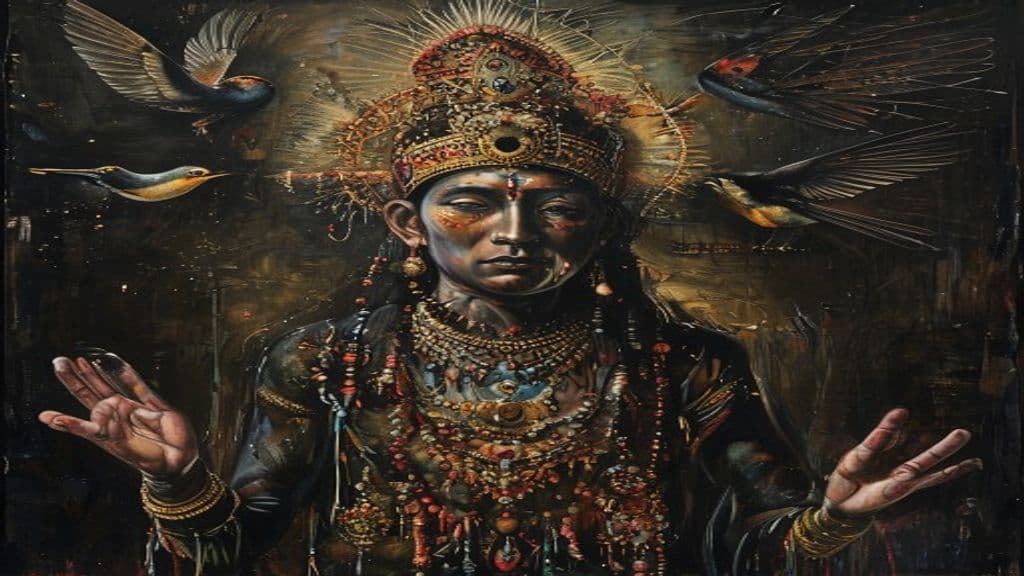
A diwata — a place‑bound mountain spirit or lambana in Tagalog/Philippine tradition associated with Mount Makiling (Laguna). Portrayed as a beautiful, ageless woman who protects the mountain and aids or punishes people according to local moral rules; colonial contact Hispanicized her name to "María" while older honorifics such as Dayang link her to pre‑colonial veneration.

Nuno sa Punso
Lesser

Nuno sa Punso

A Philippine localized nature spirit described as a small, elderly mound-dweller tied to anthills, termite mounds, and other specific landscape features; considered an ancestral/guardian presence that punishes those who disturb its territory and is placated through ritual etiquette, offerings, and traditional healer intervention.

Papa Isio
Lesser

Papa Isio

Papa Isio (Dionisio Magbuelas, also recorded as Dionisio Seguela or Dionisio Papa y Barlucia) was a historical Filipino leader of a babaylan-influenced social-religious and military movement in Negros Occidental around the Philippine Revolution and the Philippine–American War. He fused indigenous spiritual authority with agrarian reform and anti-colonial nationalism, led armed resistance against Spanish and later American authorities, surrendered on August 6, 1907, and died in Old Bilibid Prison in 1911.

Philippine mythical creatures
Lesser

Philippine mythical creatures

A broad, plural category of legendary beasts, monsters, and supernatural beings found across more than 140 ethnic groups in the Philippines; these beings occupy local folkloric cosmologies and are distinct from major deities and heroes. They appear in traditional tales and in contemporary retellings and media, which continue to reinterpret and popularize them.

Pulahan (Pulahanes)
Lesser

Pulahan (Pulahanes)

A late 19th–early 20th century Visayan syncretic religious and militant revival movement in the Philippines whose adherents wore red, combined revived babaylan shamanic practices with Folk Catholic elements, and organized under charismatic 'dios-dios' leaders to pursue healing, prophecy, and armed resistance against colonial authorities.

Santelmo
Minor Spirit

Santelmo

Santelmo in Philippine contexts is a luminous fireball or glowing phenomenon treated variously in sources as a folkloric apparition or as a cultural interpretation of the meteorological St. Elmo's fire. It appears in popular media and folklore inventories alongside other Philippine supernatural beings, and accounts emphasize its fiery appearance and association with storms and pointed objects.

Sigbin
Lesser

Sigbin

A nocturnal, predatory creature of Philippine folklore, chiefly attested in Visayas and Mindanao accounts. In legend it is said to suck blood from victims' shadows, walk backwards with its head lowered between its hind legs, emit a nauseating odor, and be associated with families who command it and with the broader class of aswang.

Tikbalang
Greater

Tikbalang

A Philippine nature spirit/phantom associated with wild, liminal places; often depicted in later accounts as a tall, lanky half-horse, half-human trickster that can mislead travelers, guard trees or territories, and in some versions be tamed or domesticated by humans.

Tiktik
Lesser

Tiktik

Tiktik is a named variant within the Philippine aswang tradition: a feared nocturnal, shape‑shifting predator-type figure treated in folklore and adapted in modern Philippine media. Sources emphasize its placement inside the broader aswang umbrella and a cultural motif linking some aswang variants to ominous birdlike calls.

Tiny Tony
Minor Spirit

Tiny Tony

Tiny Tony is a Filipino comic-book character created by Mars Ravelo and illustrated by Jim Fernandez, later adapted into a 2008 television series (Komiks Presents: Tiny Tony) starring John Prats. He is a fictional media superhero/protagonist from Philippine popular culture rather than a supernatural or folkloric being.

Tiyanak
Lesser

Tiyanak

The tiyanak is a malevolent Philippine supernatural being typically depicted as an infant‑shaped spirit that lures people by imitating a baby’s cry and then attacks or abducts them. It is variously understood as the restless soul of an infant who died unnamed or unbaptized and, in older Spanish‑era accounts, as an obstetric spirit (patianac) that obstructs childbirth.

Urduja
Lesser

Urduja

Urduja is a legendary medieval warrior-princess and ruler recorded in Ibn Battuta's 14th-century travel writings and later adopted in Philippine regional and national memory as a proto‑national heroine associated—controversially—with Pangasinan. Sources treat her as a mortal political and military leader whose historicity and geographic provenance (Tawalisi/Kaylukari) are disputed.

Wakwak
Lesser

Wakwak

The Wakwak is a nocturnal, predatory creature in Philippine popular belief, typically described as a bird-like vampiric being that hunts humans at night. It is named onomatopoeically for the wak-wak sound associated with its flight or call and occupies the same folkloric cluster as the manananggal, ekek, and aswang.