Greek Supernatural Beings

1796 documented Greek supernatural beings from the Evil Eye grimoire, including 1106 lesser and 335 minor spirit in power tier.

page 1 of 30

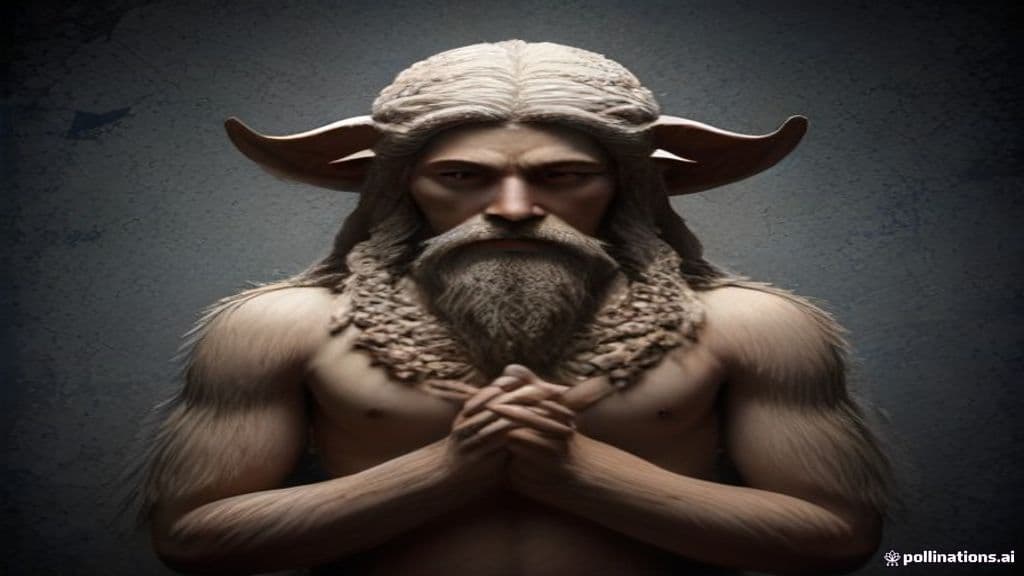
*Péh₂usōn (reconstructed)
Ancient

*Péh₂usōn (reconstructed)

Péh₂usōn is a hypothetical Proto‑Indo‑European pastoral guardian reconstructed by comparative scholars from parallels in Greek and Vedic traditions. Proposed as a Graeco‑Aryan ancestor‑figure, the reconstruction describes a protector of flocks, roads, and travellers rather than an attested historical cultic personality.
Aba (disambiguation / name-form)
Lesser

Aba (disambiguation / name-form)

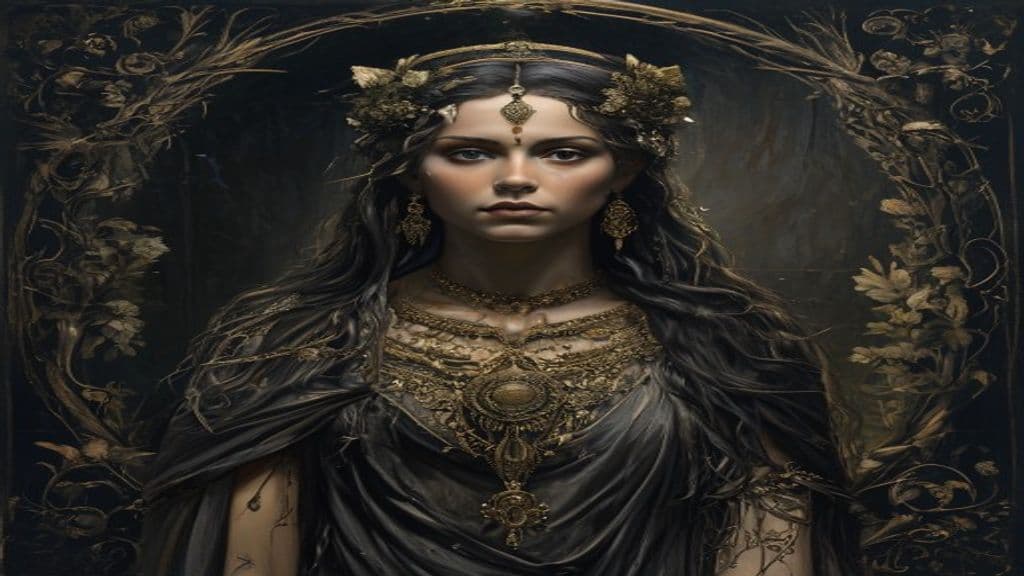
Aba is a polyvalent name-form attested across many unrelated contexts (place names, personal names, animal names, and brief mythological listings). The provided sources do not support a single, coherent supernatural entity called "Aba" and offer no descriptive or ritual material for such a being.

Abarbarea
Lesser

Abarbarea

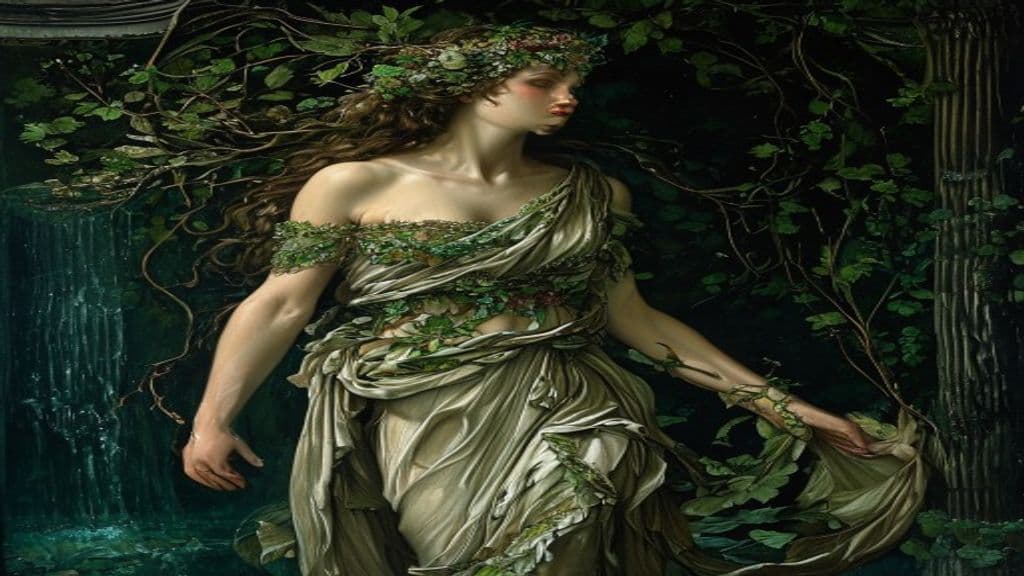
Abarbarea is a name attested in classical Greek and Roman sources for freshwater nymphs (naiads). The name appears for at least two individual mythic figures — a naiad wife of Bucolion and a naiad counted among ancestors of the Tyrians — and Hesychius records plural forms that may indicate the name was also used as a class-name (Abarbareai / Abarbalaiai).

Abas
Minor Spirit

Abas

Abas (Ancient Greek: Ἄβας, gen.: Ἄβαντος) is not a single mythic being but a recurring personal name borne by multiple mortals and minor mythic figures in Greek epic and genealogical traditions — kings, founders, seers, warriors, attendants, a centaur, and a youth transformed by a goddess. The name is glossed in the sources as 'guileless' or 'good-hearted' and appears across Argive, Theban, Trojan, Euboean, and other local cycles.

Abderus
Greater

Abderus

Abderus (Ancient Greek: Ἄβδηρος, romanized Ábdēros) is a mortal heroic figure in Greek myth closely associated with Heracles, remembered as the youth left in charge of the Mares of Diomedes who was killed by them. He functions as an eponymous local/divine-hero ancestor for the city of Abdera and received funerary commemoration and athletic agones at his tomb.

Abomination of Desolation
Minor Spirit

Abomination of Desolation

An apocalyptic prophetic phrase originating in the Book of Daniel designating a profaning thing or act that renders the Jerusalem Temple cult desolate; later reused in the Synoptic Gospels as an eschatological sign prompting urgent flight. The term denotes ritual/cultic impurity (Hebrew shiqquts) and is variously interpreted as pagan offerings or altar, a foreign cult statue, or (in some New Testament readings) an acting agent.

Absyrtus
Lesser

Absyrtus

Absyrtus (Ancient Greek: Ἄψυρτος) is a Colchian prince in the Greek Argonautic cycle, son of King Aeëtes and brother or half-brother of Medea. He appears in variant traditions either as a companion taken by Medea during her flight with Jason and murdered/dismembered to delay pursuit, or as a pursuer sent by Aeëtes who is overtaken and slain by Jason; his death functions as a key narrative device in the escape from Colchis.

Acacallis
Lesser

Acacallis

Acacallis (Ancient Greek: Ἀκακαλλίς; also Acalle) is a mythological princess of Crete in Greek tradition, daughter of King Minos and Pasiphae. She functions primarily as a dynastic and etiological figure: in varying accounts she is mother, by gods such as Hermes (Mercury) or Apollo, of eponymous or founder-figures like Cydon (founder of Cydonia), Miletus, or Lydon/ Lydus.

Acacus
Lesser

Acacus

Acacus (Ancient Greek: Ἄκακος) is, in Arcadian Greek tradition, a mortal eponymous founder-king of Acacesium and is remembered as the foster-father who reared the infant Hermes (Mercury) in that local tradition. He is presented in genealogies as a son of Lycaon and functions as a local ancestral/onomastic figure rather than a supernatural spirit.

Academus
Lesser

Academus

Academus (Greek: Akádemos / Hekádemos) is an Attic hero-eponym tied to a sacred grove (Akademeia) on the Cephissus near Athens. In myth he revealed where Helen was hidden to the Dioskouroi, an act said to have saved the city, and the place bearing his name became a long-lived sacred precinct, later the site of Plato's Academy.

Acamas
Lesser

Acamas

Acamas (Ancient Greek: Ἀκάμας) is a personal name recurrent in ancient Greek narrative traditions applied to multiple human characters (warriors, princes, suitors), once to a Cyclops, and once as a hound's name. Rather than a single supernatural entity, bearers of the name appear episodically across the Trojan War, Theseid, and Theban cycles as mortal actors whose deeds intersect with gods and fate.

Acantha
Minor Spirit

Acantha

Acantha (Ancient Greek: Ἀκάνθα, 'thorn') is a late or secondary mythological figure known from modern retellings as a nymph transformed into the acanthus plant. The tale that she scratched Apollo and was changed into a spiny-leaved plant is not attested in surviving classical corpora and appears to be a modern compilation or invention rather than a firmly documented ancient myth.

Acanthis
Minor Spirit

Acanthis

Acanthis is a young woman in Greek myth, daughter of Autonous and Hippodamia, who is transformed into a thistle finch by the gods as an etiological explanation for the bird's name. The story is preserved chiefly in Antoninus Liberalis' Metamorphoses and summarized in modern reference works.

Acanthus (son of Autonous)
Lesser

Acanthus (son of Autonous)

Acanthus is a mythic human figure in a Greek metamorphosis tale (recorded by Antoninus Liberalis) who, with his family, was transformed by Zeus and Apollo into a bird named after him. The story functions etiologically, explaining the origin and behaviors of certain birds by linking them to formerly human persons and their experiences.

Acarnan
Lesser

Acarnan

Acarnan (Ancient Greek: Ἀκαρνάν) is an anthroponym attested in Greek mythic and epic tradition as the name of at least two distinct mortal figures: a son of Alcmaeon and Callirrhoe, and a human suitor of Penelope from Dulichium. The lexical form also appears adjectivally/ethnically (Acarnanian), linking the word to the region Acarnania; etymologically the name is reported as derived from a Greek fish-name (akarnan).

Acaste
Lesser

Acaste

Acaste (Ancient Greek: Ἀκάστη) is a named Oceanid — one of the daughters of the Titans Oceanus and Tethys — recorded among the companions of Persephone at the moment of her abduction; the name also appears separately as a nurse of the daughters of King Adrastus of Argos in later genealogical lists.

Acastus
Lesser

Acastus

Acastus is a mortal heroic figure of ancient Greek tradition: son of Pelias who became king of Iolcus, an Argonaut who sailed with Jason, and an actor in the post-Argonautic cycle involving Medea, Peleus, and the aftermath of Pelias’s death. He is attested as performing civic and ritual actions (burying Pelias, instituting funeral games, purifying Peleus) and as a participant in vendetta episodes that end in violent reprisals.

Aceso
Greater

Aceso

Aceso (Ancient Greek: Ἀκεσώ, Akesó) is an ancient Greek goddess who personifies the process of healing and convalescence. She is attested as a daughter of Asclepius and Epione and was worshipped in healing centers such as Athens and Epidauros, appearing in sculptural reliefs alongside her family.

Acessamenus
Lesser

Acessamenus

Acessamenus (Ancient Greek: Ἀκεσσάμενος, Akessamenos) is attested in Greek sources as a mortal king of Pieria and the eponymous founder of a Macedonian place called Akesamenai. He appears in Homeric genealogy as the father of Periboea, whose union with the river-god Axius links Acessamenus into the ancestry of the hero Asteropaios.

Acestes
Lesser

Acestes

Acestes is a Roman/Greek founder-hero associated with the Sicilian city Segesta (Aegesta/Acesta). Presented as son of a Trojan woman and, in one tradition, the Sicilian river-god Crinisus (in animal form), he hospitably receives Aeneas and the Trojans, participates in the funeral games in Virgil's Aeneid (Book V), and functions as an eponymous culture-founder and local ruler.

Achaeans (Homer)
Lesser

Achaeans (Homer)

In Homeric epic, 'the Achaeans' (Ancient Greek: Ἀχαιοί, Akhaioí) is a collective ethnonym used to refer to the Greek peoples as a single grouped human contingent—the army of Greeks in the Trojan War narratives such as the Iliad and the Odyssey. The term functions as a poetic designation for human actors within the moral, social, and military universe of Homeric poetry rather than as a supernatural class of beings.

Achaemenides
Lesser

Achaemenides

Achaemenides is a literary mortal figure introduced into Virgil's Aeneid as a marooned member of Odysseus' crew whom Aeneas rescues on Sicily. In Roman epic he functions as a chance survivor and eyewitness who helps link the Homeric tradition to the Trojan refugees and to illustrate Aeneas' magnanimity.
Achaeus
Minor Spirit

Achaeus

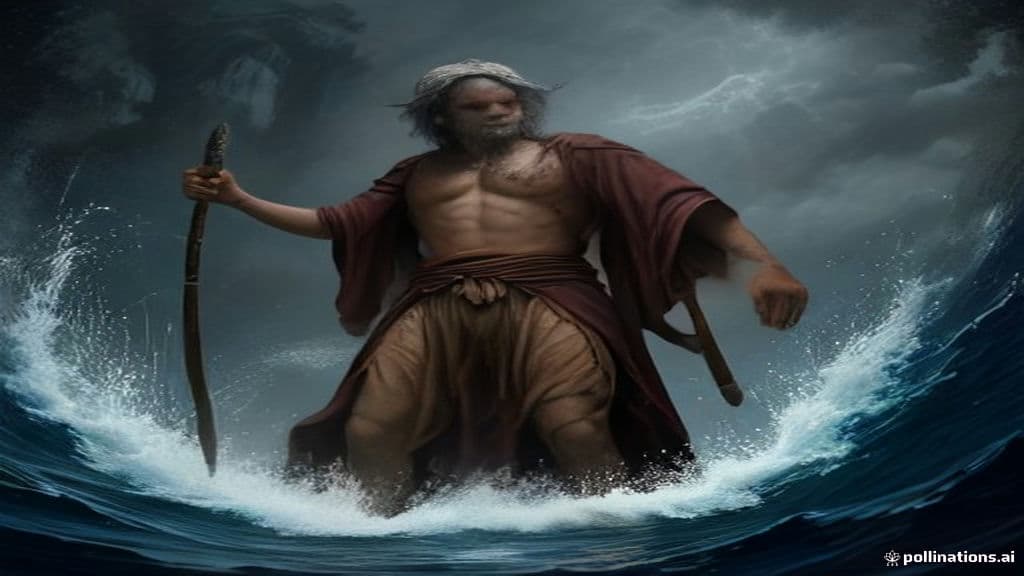
Achaeus (Ancient Greek: Ἀχαιός, Akhaiós) is an eponymous personal name borne by three mythological human figures in Greek tradition; best attested is Achaeus, son of Xuthus and Creusa, brother of Ion and grandson of Hellen, who is named as father of Archander and Architeles in Pausanias. The name is glossed as meaning "griever," from ἄχος (achos, "grief, pain, woe").

Achates
Minor Spirit

Achates

Achates is the faithful human companion and attendant of Aeneas in Virgil's Aeneid, conventionally known by the epithet 'fidus Achates' and used in Latin literature as the by-word for an intimate, loyal companion.

Acheilus
Lesser

Acheilus

Acheilus (also spelled Akheilos/Achilleus in some sources) is a minor figure of Greek myth described as a mortal son of Zeus who was transformed into a shark and thereafter called a 'shark-formed sea daimon.' Surviving summaries frame his story as a hubris metamorphosis: boasting about his beauty led a goddess to change him into a marine monster.

Achelois
Minor Spirit

Achelois

Achelois (Ancient Greek: Ἀχελωίς, 'she who drives away pain') is an attributive name or epithet used in ancient Greek mythic contexts rather than a single, consistently characterized being. The term appears applied to several different figures — a surname of the Sirens, a general name for certain water-nymphs (Acheloides), and as the name of a daughter of Pierus — and functions within Greek naming practice as a descriptive label rather than a fixed ontological office.

Achelous
Ancient

Achelous

Achelous is the personified river-divinity of the Achelous River in ancient Greek religion and mythology. Regarded among the potamoi (river-gods), he is portrayed as a shape-changing elemental deity associated with springs, naiads, and the production of abundance (the horn/cornucopia motif); he appears in myths chiefly as suitor to Deianeira and as Heracles' opponent.

Achelous and Heracles
Greater

Achelous and Heracles

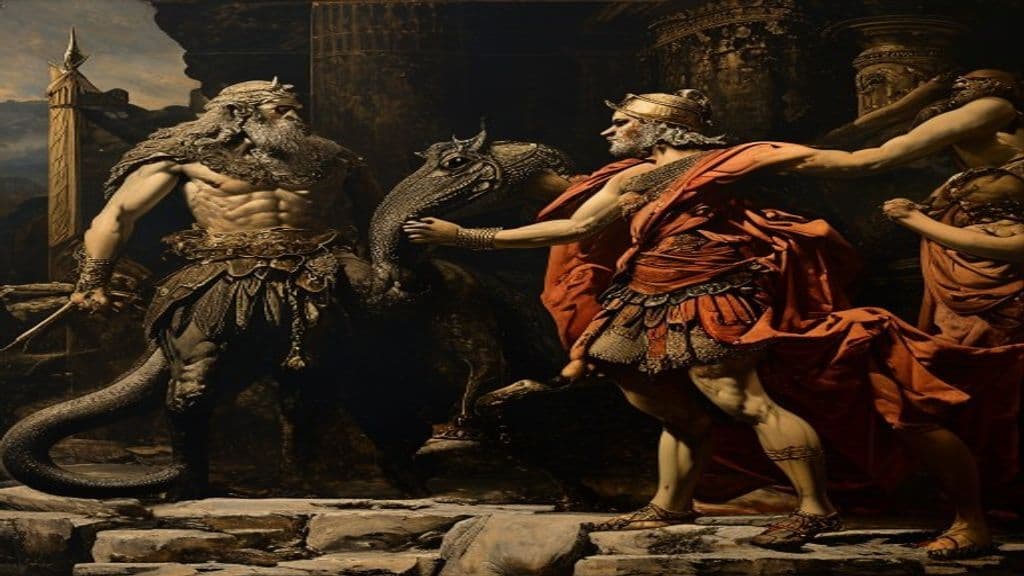
Achelous is a Greco‑Roman river god who provides life‑giving irrigation yet can become destructive at floodtime; in later mythic retellings Heracles (Heracles/Hercules) wrestles the river‑god, snapping a horn that becomes the cornucopia and symbolically represents the taming of water for agriculture. The episode is attested in mythological compilations and was later reused in modern art to allegorize flood control and civic bounty.

Acheron
Ancient

Acheron

Acheron is a mythological river of the Ancient Greek Underworld, portrayed in classical literature as a boundary or entrance to Hades across which the dead are conveyed. It is also a real river in Epirus whose landscape and nearby cult sites (notably a Necromanteion) were mapped onto the literary river; later Western authors use Acheron metonymically for Hell or the infernal realm.

Achilles
Greater

Achilles

A legendary Greek heroic figure of epic poetry, son of the sea‑nymph Thetis and the mortal Peleus, celebrated as the greatest of the Greek warriors at Troy whose anger and fate shape events in the Trojan War cycle.

Achilles (son of Zeus)
Lesser

Achilles (son of Zeus)

A minor figure in Greek myth named Akhilleus (Ancient Greek: Ἀχιλλεύς), presented in some traditions as a son of Zeus and the Lamia who was famed for irresistible beauty, won a beauty contest judged by Pan, and was transformed into ugliness by Aphrodite. This Akhilleus is distinct from the Homeric hero of the Trojan War.

Achilles and Patroclus
Lesser

Achilles and Patroclus

A central heroic dyad in the Homeric Trojan War tradition: two mortal Greek warriors whose close bond—portrayed as deep companionship in the Iliad—drives key events of the epic when Patroclus' death provokes Achilles' rage, return to battle, and the slaying of Hector.

Achiroe
Minor Spirit

Achiroe

Achiroe (variants Anchirrhoë, Anchinoë/Ankhinoe) is a minor Greek mythological figure: a Naiad associated with the river Nile, daughter of the river-god Nilus, who becomes the wife of the Egyptian king Belus and mother of mythic progenitors such as Aegyptus and Danaus (with some accounts also naming Cepheus and Phineus). She functions primarily as a genealogical link between river-divinity and royal lineages rather than as an active agent in surviving myths.

Achlys
Greater

Achlys

Achlys (Ancient Greek Ἀχλύς) is a literary personification and lexical term for 'mist' or 'dark vapour' in Greek poetry. She functions variously as the mist that clouds a dying mortal's eyes in Homer, a grotesque personified embodiment of sorrow and death on the Shield of Heracles, and (in later poetry) as a supplier of poisonous/enchanted pharmaka associated with Thessalian witchcraft; a Roman mythographic tradition equates her with Caligo in a cosmogonic role.

Acis and Galatea
Minor Spirit

Acis and Galatea

A pair of lovers from ancient Greek myth: Galatea is a Nereid (sea-nymph) traditionally counted among the daughters of Nereus and Doris; Acis is a mortal youth in classical accounts who, in Ovid's poetic version, is killed by the Cyclops Polyphemus and transformed by Galatea into a river-spirit, explaining a Sicilian stream.

Acmon
Lesser

Acmon

Acmon (Ancient Greek: Ἄκμων, 'anvil') is a polyvalent personal name in Greek myth borne by several distinct minor figures — a Dactyl (artisan), a Phrygian eponymous king, a mischievous woodland creature, companions in epic cycles (one companion of Diomedes transformed into a bird; an Aenead), and in some brief traditions an alleged father of Uranus. The name therefore functions across artisanal, topographical, trickster, and metamorphosis motifs rather than denoting a single unified supernatural species.

Acoetes
Lesser

Acoetes

Acoetes is a proper name applied to multiple mortal figures in classical Greco‑Roman mythic narratives. Most famously, an Acoetes is a fisherman who recognizes and testifies to the divinity of Bacchus/Dionysus and recounts how blasphemous sailors were transformed into dolphins; other bearers of the name appear as a Trojan genealogical figure (father of Laocoön), an aged former squire of Evander, and a frightened soldier in Statius' Thebaid.

Acontes
Minor Spirit

Acontes

Acontes (Ancient Greek: Ἀκόντην) is an Arcadian prince in Greek mythology, counted among the fifty sons of the impious King Lycaon. He appears in the Lycaon narrative as a participant in a sacrilegious meal prepared for Zeus (disguised as a peasant) and is destroyed by the god's lightning as punishment.

Aconteus
Minor Spirit

Aconteus

Aconteus (Ancient Greek: Ἀκόντιος, Akóntios, lit. 'javelin') is a personal name borne by several distinct mortal figures in Greek myth: an Ethiopian chief turned to stone by Medusa's head at Cepheus' court, an Arcadian warrior killed in the Seven against Thebes, and Acontius of Ceos who used a trick with an apple to secure marriage to Cydippe. The name functions as a human actor across heroic-age narratives rather than a single supernatural class.

Acrisius
Lesser

Acrisius

Acrisius (Ancient Greek: Ἀκρίσιος, Akrisios) is a mythic-historical king of Argos in Greek tradition whose narrative is defined by an oracular prophecy foretelling his death by his daughter's son. He is portrayed as a mortal ruler entangled with dynastic rivalry, oracular authority, and the eventual accidental fulfillment of fate.

Actaea
Lesser

Actaea

Actaea is a named sea‑nymph in Greek mythic lists, identified in the provided sources as the personification or eponym of the seashore. She appears primarily in onomastic and catalogue contexts (lists of nymphs/Nereids) and has no surviving independent narrative or cultic rites attested in the cited material.

Actaeon
Lesser

Actaeon

A mortal hunter of Greek myth who, in multiple traditions, is transformed into a stag and torn apart by his own hounds after transgressing the goddess Artemis. He functions as a mythic exemplar about proper deference to divine boundaries and, in some locales, became the focus of cultic rites and memorials.

Actaeus
Lesser

Actaeus

Actaeus (Ancient Greek: Ἀκταῖος, Aktaîos, literally 'coast-man') is a legendary early human king in Greek mythic‑historical tradition. He is presented as an eponymous, autochthonous ruler associated with the older place‑name(s) for Attica (Acte/Actaea/Actica) and appears in genealogies that connect him to later Athenian founders such as Cecrops.

Acte (Akte)
Lesser

Acte (Akte)

Acte (Ancient Greek Akte, sometimes rendered Acme) is a divine personification in Greek myth: one of the Horae who embodies a particular hour of the day — specifically the hour of eating and pleasure, a designated afternoon work-hour — and functions chiefly as a temporal marker rather than an active mythic agent.

Acteis
Lesser

Acteis

Acteis is a homonymous name attested in two separate domains in the supplied sources: (1) a minor genealogical figure in Greek myth, identified as the mother by Alector of the Boeotian leader Clonius; and (2) a genus-name recorded in zoological/taxonomic databases and as a synonym in ichthyological nomenclature. The two uses are distinct and unconnected in the provided material.

Actia
Lesser

Actia

Actia (Ancient Greek: Ἄκτια) is attested in the supplied sources not as a supernatural being but as (a) the ancient festival and epithet of Apollo Actius associated with Actium and Nicopolis, and (b) a modern taxonomic and commercial name (genus of flies; company and product names). No folkloric or mythic entity named Actia is documented in the provided materials.

Adiante
Lesser

Adiante

Adiante (Ancient Greek: Ἀδιάντη) is one of the fifty Danaïdes in Greek myth, daughter of Danaus and Herse, who on her wedding night killed her husband Daiphron at her father's command and, for this crime, is condemned in Tartarus to perform an endless, futile task.

Adikia
Lesser

Adikia

Adikia (Ancient Greek: Ἀδικία) is the personification and embodiment of injustice and wrongdoing in ancient Greek religious and visual culture, typically portrayed as the opposite and vanquished counterpart of the goddess Dike (Justice). She appears chiefly in archaic vase-paintings and emblematic visual programs where Justice punishes or restrains her.

Adite
Lesser

Adite

Adite (Ancient Greek: Ἀδίτη, Aditē) is one of the fifty Danaïdes, daughters of Danaus, who—excepting Hypermnestra—killed their husbands on their wedding night. In classical-derived accounts she is punished in Tartarus, condemned to carry water in a leaky vessel to fill a bottomless tub for eternity.

Admete (Admeta)
Lesser

Admete (Admeta)

Admete (Ancient Greek: Ἀδμήτη) is a mortal princess of the house of Eurystheus in the Heraclean cycle and, in alternate local tradition, a priestess of Hera associated with the transfer and purification of a cult image to Samos. She functions in surviving accounts as a named requester whose wish prompts one of Heracles' labors and as the human custodian of a sacred image in a Samian foundation story.

Admeto (Admetus)
Lesser

Admeto (Admetus)

Admeto is the legendary King of Thessaly from classical myth as transmitted into European opera (notably Handel's Admeto, HWV 22). Portrayed as a mortal tragic protagonist, his fate in the narrative is determined by divine oracular decree and by the actions of other mythic figures (Alceste, Apollo, Hercules) rather than by any innate supernatural power.

Admetus
Lesser

Admetus

Admetus is a mortal king of Pherae in Thessaly in the Greek tragic tradition (notably Euripides' Alcestis). His life becomes the subject of a divine bargain in which Apollo intervenes to delay his appointed death, a bargain that requires another to die in his stead — most famously his wife Alcestis.

Admetus of Pherae
Lesser

Admetus of Pherae

Admetus of Pherae is a mortal king of Thessaly in Greek myth whose household and fate intersect with Olympian gods (notably Apollo and Artemis), the Fates, the personification of Death (Thanatos), and the hero Heracles. He is celebrated for hospitality and justice and is best known from the tragic cycle surrounding his wife Alcestis, who dies in his stead and is later recovered.

Adonia
Minor Spirit

Adonia

The Adonia festival is a ritual mourning celebration for Adonis, the consort of Aphrodite in ancient Greek mythology. (Note: 1. The draft claims that the article is about a "ritual mourning celebration", but the source only mentions the festival as a mourning celebration. 2. Power tier should be Primordial or Ancient since )

Adonis
Lesser

Adonis

Adonis is a mythic mortal youth in ancient Greek tradition, beloved by goddesses (notably Aphrodite and Persephone) whose death and seasonal return are the focus of the women’s midsummer festival Adonia. The cultic practices—planting short-lived 'gardens of Adonis' on rooftops, ritual lamentation, and casting an effigy and withered plants into the sea—symbolically link him to vegetation cycles and Near Eastern dying-and-regenerating god traditions.

Adraste / Adrasteia
Lesser

Adraste / Adrasteia

Adraste (also Adrasta, Adrasteia) is a name applied across Greek and later European literary traditions to multiple minor figures: an Oceanid listed as a nurse of the infant Zeus, a Homeric attendant of Helen, and a named dramatic character (jailer/antagonist) in plays and operatic retellings. The sources show the name reused in different roles rather than a single, coherent supernatural ontology.

Adrasteia
Ancient

Adrasteia

Adrasteia is an ancient Anatolian/Greek goddess associated with mountain-mother cults and later identified with the Greek notion of inescapable fate and retributive necessity. She appears in Phrygian contexts as a mountain goddess connected to Cybele, in Cretan myth as a nurse of the infant Zeus, and by the fifth century BC is often equated or associated with Nemesis and other personifications of necessity.

Adrastus
Lesser

Adrastus

Adrastus (Ancient Greek: Ἄδραστος or Ἄδρηστος) is a legendary king of Argos in the Greek mythic-historical tradition, best known as the leader of the expedition of the Seven against Thebes and as a figure tied to oracular counsel, dynastic marriages, and local hero cults.

Adrastus of Argos
Lesser

Adrastus of Argos

Adrastus is a legendary mortal king in the Greek Theban cycle, traditionally king of Argos (with variant traditions placing him first at Sicyon). He is best known as the ruler who housed the exiled Polynices and organised the expedition known as the Seven against Thebes, acting as a dynastic and military patron whose choices precipitate tragic loss.

Adrestia (Adrasteia)
Ancient

Adrestia (Adrasteia)

Adrasteia (also Adrestia and multiple orthographic variants) is a figure in classical Greek tradition whose roles shift from a Phrygian mountain/mother-goddess probably associated with Cybele, to a Cretan nymph entrusted with nursing the infant Zeus, and by the fifth century BC identified with Nemesis as a deity/personification of divine retribution and balance.