
Ancient
World Tree
A widespread mythic motif of a colossal, central tree that structures the cosmos by linking heaven, earth, and the underworld and, in some traditions, organizing the cardinal directions and sources of life or wisdom.
313 documented Norse supernatural beings from the Evil Eye grimoire, including 147 lesser and 56 greater in power tier.
page 6 of 6
A widespread mythic motif of a colossal, central tree that structures the cosmos by linking heaven, earth, and the underworld and, in some traditions, organizing the cardinal directions and sources of life or wisdom.
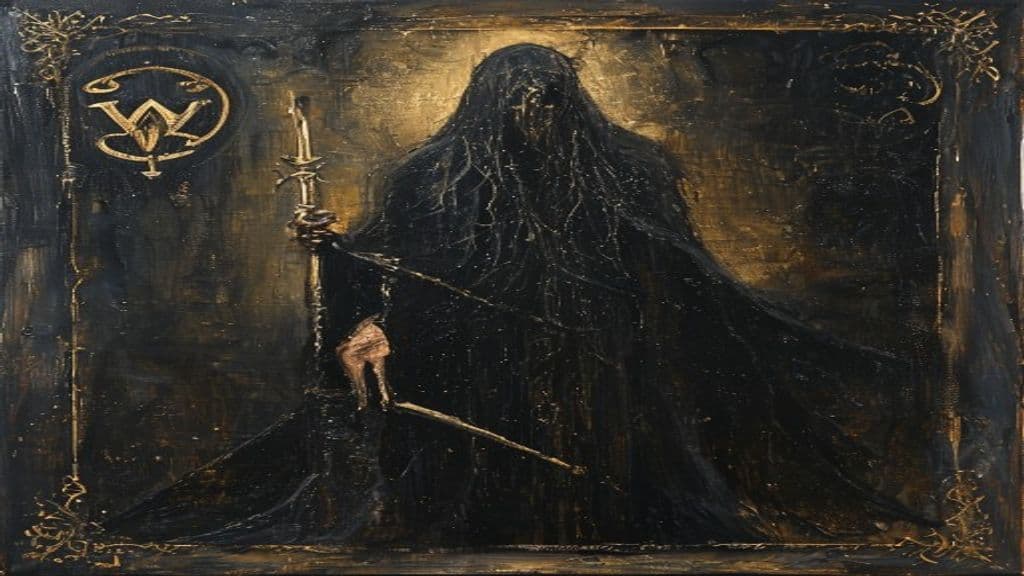
Concept governing individual lives and their destinies in Anglo-Saxon culture, corresponding to fate or personal destiny. (Note: 1. Power tier should be Lesser (local spirit) as Wyrd is not described as having cosmic-level power. 2. The summary should include the word "Anglo-Saxon culture" to match the source material, but this)

An Old Norse-origin conception of a battle-associated female supernatural figure known in Old Norse as valkyrja and attested in Old English as wælcyrge/wælcyrie. In Norse sources these figures choose the slain on the battlefield and convey the chosen to Valhalla, while Old English attestations sometimes portray a more witch-like or maleficent war-maiden addressed in charms and manuscripts.

Wōden (reconstructed Proto‑Germanic Wōðanaz) is the chief figure of Germanic paganism attested across Norse mythological sources and historical records of Northern Europe; scholarship reconstructs his name as linked to frenzy or possession and to poetic inspiration. Surviving information about him comes largely from medieval Norse literature and later historical commentaries of the Germanic world.

Ymir is the primeval progenitor in Norse myth whose body is transformed by the gods into the material world; he is named in the Poetic Edda and the Prose Edda as ancestor of the jötnar and a source-substance for earth, sea, mountains, sky and more.

The Ynglings (Old Norse Ynglingr) are a mytho-historical royal dynasty in Scandinavian tradition, presented as descendants of the god Yngvi-Frey and as early kings of Sweden who later produced branches in Norway. Their role is genealogical and political — legitimating kingship by divine descent and explaining settlement and dynastic origins in the legendary past.

A localized Swedish wind-being from the province of Närke, presented in late 19th/early 20th-century sources (notably Selma Lagerlöf) as a singular, personified 'wind-troll' who delights in gales and whirlwinds and plays mischievous but sometimes protective roles in local life.
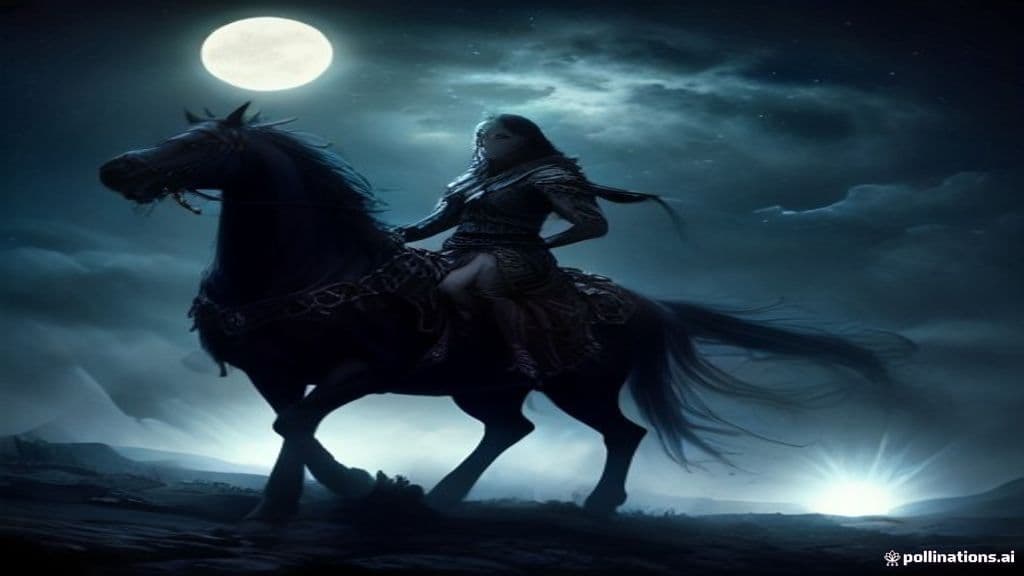
Álfröðull is an Old Norse poetic term and mythic element denoting the sun as a shining disc or glory and the sun-chariot (and rider) associated with the goddess Sól. It functions both as a kenning in skaldic verse and as a cosmological actor whose fate is tied to the wolves and the eschaton of Ragnarök.

Ámsvartnir is a named lake in Old Norse mythic geography attested in Snorri Sturluson's Prose Edda (Gylfaginning). Its name literally means "pitch black," and it is described as containing the island Lyngvi, the site where the gods bound the wolf Fenrir.

Paired mythic horses in Old Norse tradition that draw the sun's chariot (Álfröðull/Sól) across the sky each day; the Æsir provide cooling iron beneath their shoulders to help them endure the Sun's heat. Their labor continues daily until eschatological events (Ragnarök) when the pursuing wolf Sköll is said to catch and devour the Sun.

Ægir is a jötunn in Old Norse myth who personifies the sea and is depicted as a host who entertains the gods in a great hall; he is associated with brewing ale and is paired with the sea-goddess Rán, with whom he begets personified sea-waves.

Æsir are the principal gods of Old Norse and wider Germanic religion, used both as a general term for gods and as a specific family of deities contrasted with the Vanir; the term is also attested in some early-medieval English contexts as a label for potentially harmful unseen beings.
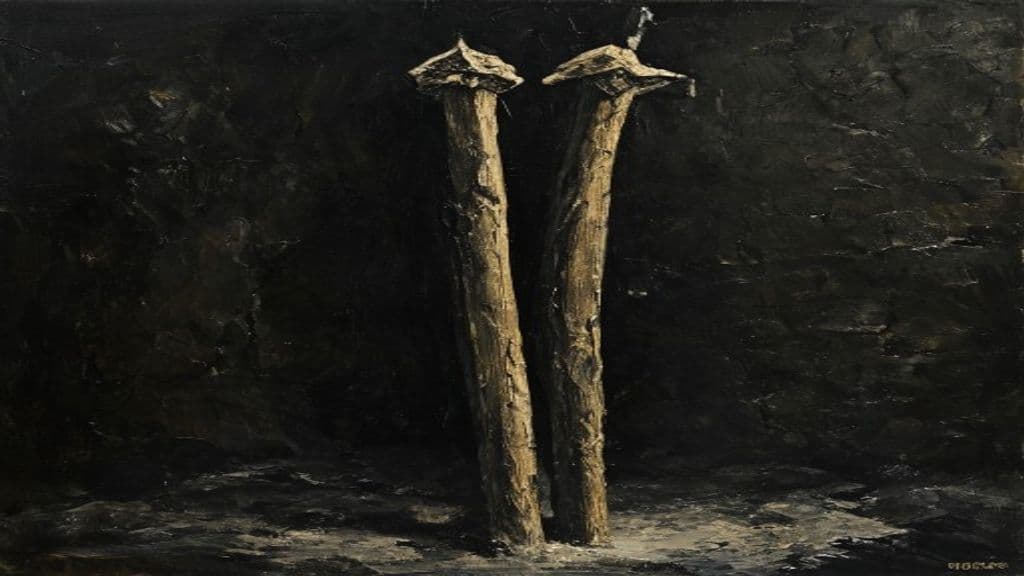
In Norse tradition, Öndvegissúlur represented protection and defense, not just power and authority, as a pair of wooden pillars placed on each side of the high-seat in Viking-period Scandinavian houses. (Note: - Power tier: Primordial (as they are connected to the high-seat, which is associated with the All-Father Odin, and provide spiritual protection) - Abilities: Provide spiritual protection and defend a)