Norse Supernatural Beings

313 documented Norse supernatural beings from the Evil Eye grimoire, including 147 lesser and 56 greater in power tier.

page 5 of 6

Ongentheow
Lesser

Ongentheow

Ongentheow (Old English Ongenþeow / Ongenþio; Old Norse Angantýr, identified with Egil Vendelcrow in Scandinavian sources) is a semi-legendary Swedish king of the Scylfing/Yngling line attested in Old English heroic poetry and Norse/Swedish king-lists. He functions as a martial royal ancestor in Beowulf and as a figure in Ynglingatal, Ynglinga saga, Historia Norwegiae and Íslendingabók, with divergent accounts of his death.

Ragnar Lodbrok
Greater

Ragnar Lodbrok

A legendary Viking leader recorded in Old Norse sagas and later medieval chronicles, portrayed as an exceptional warrior and progenitor of famed Viking sons. Medieval sources treat him as a storied ancestral king whose historicity is debated and whose deeds bridge saga-legend and attempted historiography.

Ragnarök
Ancient

Ragnarök

Ragnarök is a foretold eschatological sequence in Old Norse sources describing the terminal destruction of the present cosmic order—a great battle among gods and monsters—followed by the world’s sinking in fire and flood and a subsequent renewal. It is presented in the Poetic Edda (notably Völuspá) and the Prose Edda as the destined end and rebirth of gods, humans, and the world.

Reginn
Lesser

Reginn

Reginn is a figure in Old Norse heroic-literary tradition who functions as a foster-father, master smith, counsellor, and plotting instigator in the Sigurð/Sigurd cycle. Appearing in the Poetic Edda (Reginsmál, Dvergatal) and the Völsunga saga, he is embedded in a kin-group (son of Hreiðmarr; brother to Fáfnir and Ótr) tied to a cursed hoard.

Rerir
Lesser

Rerir

Rerir is a human dynastic figure in the Norse legendary corpus (not a supernatural being). He is presented as the son of Sigi, succeeds and avenges his murdered father, rules in Hunaland, and is the father of the saga-founder Völsung; Völsung's conception and birth involve divine intervention by the goddess Frigg and the giantess Hljod.

Revenant
Lesser

Revenant

A revenant is a deceased human (corporeal corpse or spirit) that returns from death to appear among or assault the living. The category spans multiple cultures and historical periods and includes walking corpses, barrow-dwellers, and other postmortem returns addressed by communal funerary and ritual responses.

Rán
Greater

Rán

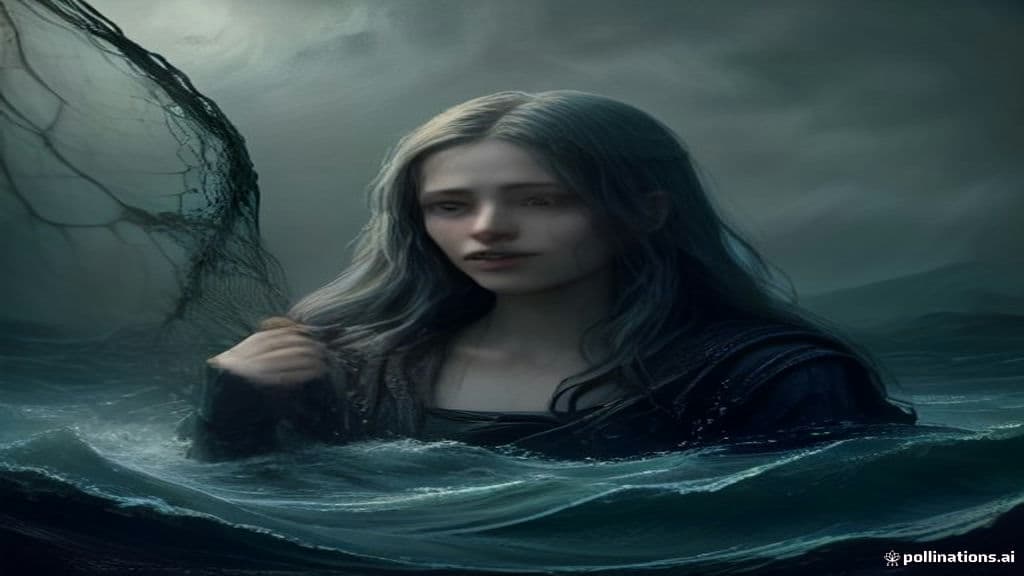
Rán is an Old Norse sea-goddess who personifies the dangerous, engulfing aspect of the ocean; wife of the sea-jötunn Ægir and mother of nine wave-daughters, she is chiefly known for possessing a net with which she seizes those who go down to the sea.

Rök Runestone
None

Rök Runestone

The Rök runestone is a historical artifact created by humans, marking the beginning of written Swedish literature. (Note: 1. Power tier: Assign a power tier based on its historical significance (None, as it's a man-made artifact) or consider removing this section. 2. Appearance: Remove the description "It can now be seen)

Scyld Scefing
Minor Spirit

Scyld Scefing

Scyld Scefing (Old English) / Skjöldr (Old Norse) is a legendary early king and eponymous progenitor figure in Anglo-Saxon and Scandinavian genealogical and literary tradition. He appears across medieval sources as a founding ancestor used to legitimise royal lines rather than as a described supernatural being.

Scylding
Minor Spirit

Scylding

The Scyldings (Old English Scyldingas; Old Norse Skjǫldungar) are a legendary royal dynasty of early medieval Anglo‑Scandinavian tradition, described in sources such as Beowulf, Norse saga genealogies and Latin chronicles. They function as a mytho‑historical lineage that anchors claims to rulership, heroic identity, and dynastic origin rather than as a singular supernatural being.

Sea monster
Greater

Sea monster

A cross-cultural folkloric category for legendary maritime beings believed to dwell in the sea, commonly imagined as creatures of immense size; the term covers named mythic monsters, reported sightings, and unidentified carcasses (globsters).

Sea serpent
Ancient

Sea serpent

A large serpentine marine creature attested across many mythologies and sailors' reports. It functions both as a cosmological adversary of storm/sky deities in ancient myth cycles and as a localized monstrous threat in coastal and seafaring folklore and eyewitness accounts.

Selma (Seljordsormen)
Lesser

Selma (Seljordsormen)

Selma, known in Norwegian as Seljordsormen ('the Seljord serpent'), is a localized lake‑monster tradition associated with Lake Seljord (Seljordsvatnet) in Seljord municipality, Telemark, Norway. Traditionally described as a serpentine sea‑serpent inhabiting the lake, Selma appears in folklore, eyewitness reports (the oldest cited written account dates to 1750), modern cryptozoological investigations, and as a civic emblem of Seljord.

Shape-shifters
Greater

Shape-shifters

A cross-cultural motif and capability in mythology, folklore, and speculative fiction describing beings or persons who can physically transform themselves through unnatural means. Appears across ancient ritual contexts, foundational epics, and modern popular culture rather than as a single unified species or entity.

Sif
Ancient

Sif

Sif is an Old Norse goddess of the Æsir attested in the Poetic and Prose Edda and in skaldic poetry, chiefly known as the wife of Thor and for her golden hair; she is used in kennings and in Snorri's Skáldskaparmál as a heiti for the earth.

Siggeir
Lesser

Siggeir

Siggeir is a human king of Gautland in the Völsunga saga and related retellings. In the narrative he functions as an antagonistic royal whose wounded pride and treachery — inviting his in-laws as guests and then attacking and imprisoning them — set in motion a cycle of vengeance that shapes the fate of the Völsung family.

Sigi
Lesser

Sigi

Sigi is a mytho-historical ancestral figure in Old Norse tradition, presented in the Völsung cycle as a son of Odin and the progenitor of the Völsung lineage. His narrative in saga summaries records outlawry for murder, flight aided by Odin, raiding and kingship in Húnaland, and eventual assassination followed by his son's vengeance.

Sigmund
Lesser

Sigmund

Sigmund is a legendary human hero of the Völsung (Wælsing) lineage in Germanic/Norse and Anglo‑Saxon literary tradition. Presented as son of Völsung and Hljod and father of later heroes, his life links kin‑vengeance, an Odin‑placed sword, cursed wolf‑skins, and the hereditary destiny that prepares for the later dragon‑slayer of the cycle.

Signy
Lesser

Signy

Signy (Old Norse: Signý) is the personal name of several human heroines in medieval Scandinavian legend, most notably two connected figures in the Völsunga cycle and the Hagbard–Signy tale; in the sagas she is a mortal royal woman whose life is defined by kin-vengeance, cunning, and self-sacrifice rather than supernatural agency.

Sigurd
Lesser

Sigurd

Sigurd (Old Norse Sigurðr; continental Siegfried) is a legendary human hero of the Germanic heroic tradition—famed as the slayer of the dragon Fáfnir and the possessor of the Nibelung/Nibelungen hoard—whose life and death are told across Norse sagas, the Nibelungenlied, Eddic poetry, and medieval ballads.

Sjörå
Lesser

Sjörå

A female humanoid water spirit of Swedish folklore classed among the rå (place-keepers). Bound to a particular lake, pool, or freshwater site, the sjörå protects the waters and its fish, rewards respectful users with good catches and safety, and may seduce or drown those who are disrespectful.

Skald (Norse Poet)
Primordial

Skald (Norse Poet)

In Norse tradition, a skald is a poet who composes poetry in the form of skaldic verse, often honoring kings and mythological figures. (Note: - Power tier: Downgrade to Ancient (deity-level), as the abilities described do not match Primordial level. - Appearance: Clarify that formal attire was worn during performances, but provide more spec)

Skaði
Greater

Skaði

Skaði is an Old Norse mythic figure, daughter of the jötunn Þjazi who is also treated as a goddess. Associated with mountains, winter, skiing and bowhunting, she becomes the wife of the sea-god Njörðr as part of compensation for her father's death and appears among the Æsir in mythic narratives (including the binding of Loki).

Skjöldr (Skjǫldr / Scyld)
Ancient

Skjöldr (Skjǫldr / Scyld)

Skjöldr is a legendary ancestral king in Germanic/Norse tradition, commonly presented as the eponymous founder of the Danish royal line (the Skjöldungs/Skjöldungar). Attestations vary: in Old Norse sources he appears as a son of Odin who receives Denmark, while in Old English (Beowulf) he appears as a foundling (Scyld Scefing) who rises to become a powerful king.

Skogsrå
Lesser

Skogsrå

A female forest rå in Swedish folklore who rules the woods and its game; she appears as a beautiful woman from the front but reveals non-human features when seen from another angle. She interacts with hunters, woodcutters and charcoal-burners, offering favors (hunting luck, help with work, offspring) or ensnaring men who follow her into the forest.

Skuld (princess)
Greater

Skuld (princess)

Skuld is the youngest of the three named Norns in Old Norse sources, a fate-being associated with obligation and what ought to occur; in Snorri's Prose Edda she is also listed among female figures who ride to battle in a valkyrie-like function, taking the slain and deciding fights.

Sköll
Ancient

Sköll

Sköll (Old Norse Skǫll) is a mythic wolf in Norse cosmology who pursues the personified Sun (Sól) across the sky; according to the Prose Edda summary, at Ragnarök the pursuer will overtake and devour the Sun. Sköll is presented as kin to the great wolf Fenrir and paired conceptually with Hati, who chases the Moon.

Smaug
Greater

Smaug

Smaug is a singular, ancient dragon from J. R. R. Tolkien's legendarium (The Hobbit). He seized and occupied the Dwarf-kingdom of Erebor, guarded a vast hoard for centuries, and is portrayed as a highly intelligent, speech-capable, and vainglorious hoard-guardian whose single exposed belly-spot proves fatal.

Snær
Ancient

Snær

Snær (Old Norse Snærr; East Norse Sniō; Latin Nix/Nivis; English "Snow") is an euhemerized personification of snow in Norse-derived legendary-historical texts. Presented both as the elemental force of snow and as a legendary ancestral king, he appears in Scandinavian genealogies and medieval chronicles as an ancestor of royal lines and a member of the elemental family descended from Fornjót.

Storsjöodjuret
Greater

Storsjöodjuret

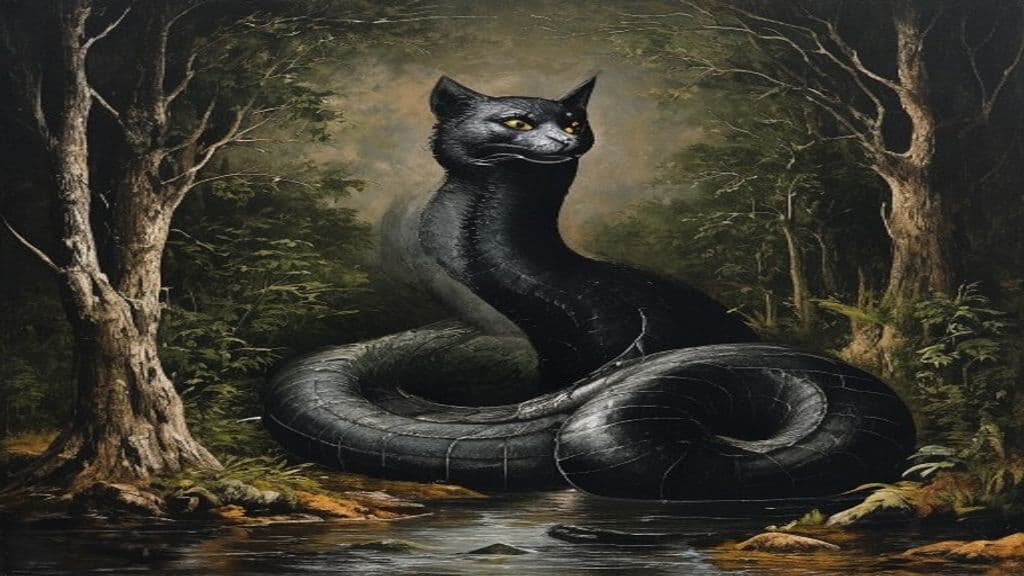
A regionally anchored lake monster of Jämtland, Sweden, variously attested as a bound sjöorm (lake‑serpent) depicted in local rune lore and as a troll‑created cat‑headed serpent; it figures in 17th‑century manuscripts, runestone tradition, later folktales and recurring modern eyewitness/cryptid reports from the 19th century onward.

Surtr
Primordial

Surtr

Surtr is a foremost fire-associated jötunn in Old Norse myth who stands at the frontier of Múspell (Muspelheim). In eschatological sources he leads the sons of Múspell from the south at Ragnarök, bears a bright flaming sword from which light shines more brightly than the sun, and flings fire that burns the world.

Svartálfar
Lesser

Svartálfar

Svartálfar (Old Norse svartálfar, sing. svartálfr), literally "black/swarthy elves" and sometimes called myrkálfar ("dark elves"), are a class of subterranean beings attested in Snorri Sturluson’s Prose Edda. In that corpus they are associated with Svartálfaheimr, a realm of the Nine Worlds, and appear primarily in the role of skilled underground craftsmen whose works affect the gods.

Sól
Ancient

Sól

Sól is named in the supplied source as the goddess who personifies the sun in Germanic mythology. The provided material is limited to this identification and a disambiguation noting other uses of the name.

The Game of the Gods
Primordial

The Game of the Gods

A pivotal moment in Norse mythology, marking a turning point in creation and destruction, associated with the golden age of the Æsir and their survival after Ragnarök. (Note: 1. The power_tier should be Primordial (correct), but consider adding "with unknown implications" as it's not clear how this entity interacts with reality. 2. Remove or rephrase the claim that it has )

The Nine Diseases (Finnish)
Greater

The Nine Diseases (Finnish)

The sons of Louhi, personifying various diseases and disasters. (Note: - Power tier: Primordial (as they are the sons of a goddess, their origins are more cosmic) - Appearance: Specify that there is no direct description in source material - Abilities: Clarify that they )

The Nine Worlds
Ancient

The Nine Worlds

In Norse cosmology, the universe is composed of nine interconnected worlds that coexist and interact with one another. (Note: - Power tier: Primordial (The Nine Worlds are the fundamental structure of the universe, making them more primordial than deity-level) - Origin story and Appearance: missing, should be included based )

The Sacred Tree at Uppsala
Lesser

The Sacred Tree at Uppsala

A large, evergreen tree in Norse tradition, used as a focal point for spiritual practices and rituals. (Note: - Power tier should be Primordial, given that it's described as having a dark and ominous connotation and its "request" is granted only if no human sacrifices are near. - Appearance: Remove "evergreen)

Thor (Þórr)
Ancient

Thor (Þórr)

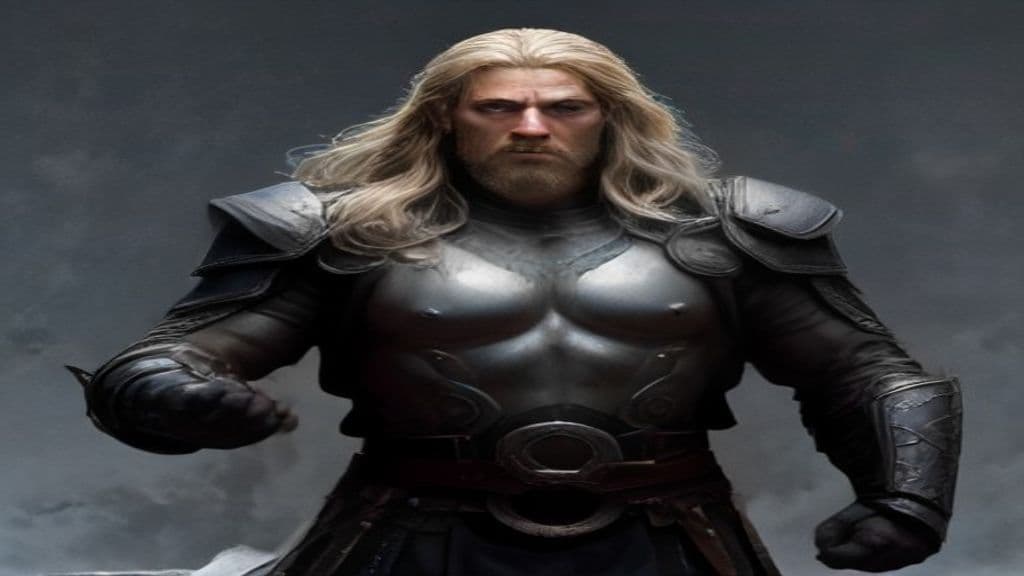
Thor (Old Norse Þórr) is a central god in the pre-Christian Germanic/Norse religious framework, primarily associated with thunder, storms, strength, protection, fertility, and the welfare of farmers. He is a hammer-wielding warrior who fights monstrous enemies (notably Jörmungandr) and is widely attested from Roman-era Germania through the Viking Age, with ongoing cultural presence in personal and place-names and weekday nomenclature (Thursday).

Troll (Germanic Tradition)
Primordial

Troll (Germanic Tradition)

In Germanic folklore, a troll is a being that dwells in isolated areas of rocks, mountains, or caves, living together in small family units and rarely interacting with humans. (Note: - Power tier should be changed from Primordial to Ancient (trolls' origins from primordial forces don't necessarily imply cosmic-level power). - Ability description is not entirely accurate; it's stat)

Troll cat
Lesser

Troll cat

A witch-created familiar in Scandinavian folklore that steals milk and cream for its mistress. It appears in two main forms—ball-shaped yarn-like constructs (Norwegian trollnøste/trollnøa) and ordinary-looking cats—and is closely linked to accusations of witchcraft and rural dairy loss.

Ukonvasara
Ancient

Ukonvasara

In Finnish tradition, Ukonvasara (or Ukonkirves) is a magical symbol associated with Ukko, the thunder god. (Note: 1. The power tier should be Primordial since it's associated with a cosmic entity (Ukko). 2. Add sensory cues and weaknesses consistent with the source material (e.g., possibly being indestructible, o)

Urðr
Ancient

Urðr

Urðr is one of the three Norns in Norse mythic tradition, commonly interpreted as the figure associated with the past. She is attested in the Poetic Edda (Völuspá) and in Snorri Sturluson's Prose Edda (Gylfaginning) as one of the fate-determining women who sit at Urðarbrunnr beneath Yggdrasil and measure or mark the destinies of gods and humans.

Vafþrúðnir
Greater

Vafþrúðnir

Vafþrúðnir is a jötunn (giant) in Old Norse tradition best known from the Poetic Edda poem Vafþrúðnismál as a supremely wise and 'mighty' figure who engages Óðinn in a formal contest of cosmological questions and answers. His name, often glossed "mighty weaver" or "mighty in riddles," evokes skill in entangling speech and lore.

Valkyrie
Greater

Valkyrie

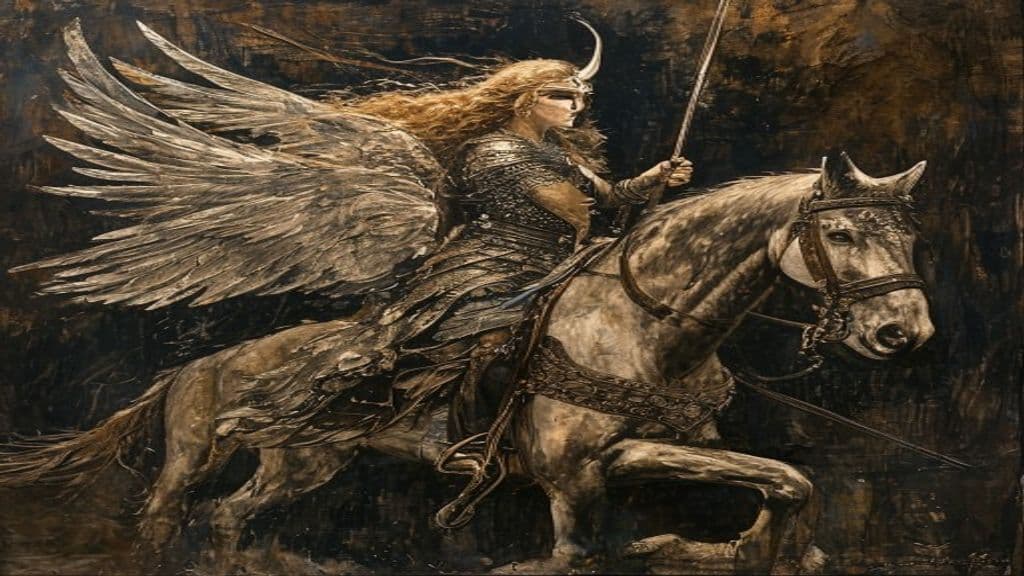
The valkyrie (Old Norse valkyrja, “chooser of the slain”) is a set of semi-divine female figures in Old Norse poetry and saga who choose warriors slain in battle, guide the chosen to Odin’s hall (Valhalla), and serve the einherjar there. Literary and archaeological sources depict them as armed riders, occasional lovers of men in swan‑maiden episodes, and in older imagery as fate‑weaving death spirits.

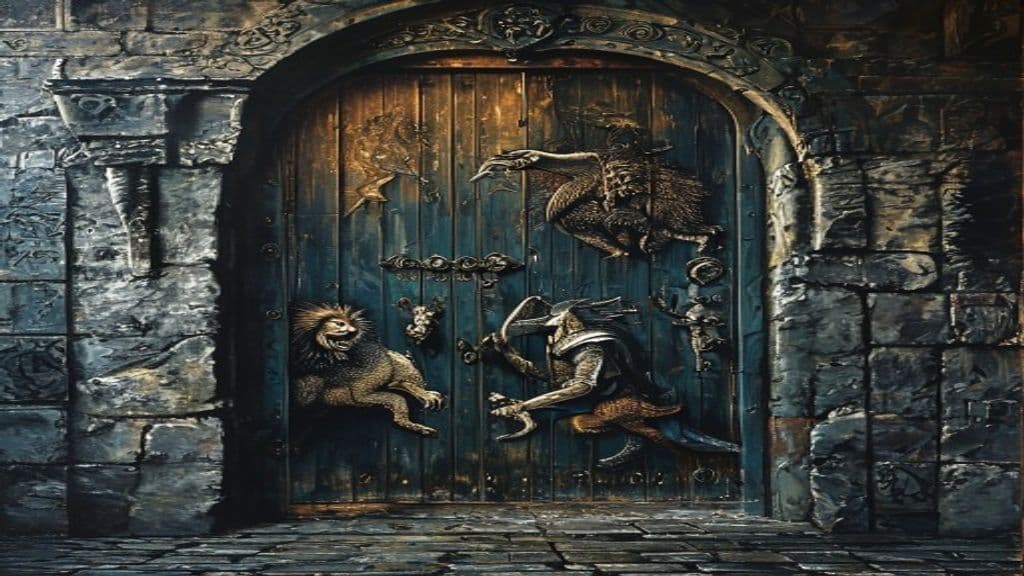
Valþjófsstaður Door

Valþjófsstaður Door

A medieval wooden door in the National Museum of Iceland featuring a unique representation of the Lion-Knight legend, a popular theme in Icelandic chivalric sagas and a rare example of runic script carved in wood. (Note: * Remove Power tier as it's not mentioned in the source material. * Update Appearance to match Source 1: The door depicts scenes from the Lion-Knight legend, including a knight slaying a dragon and fr)

Vardøger
Lesser

Vardøger

A spirit-predecessor in Scandinavian folklore whose sensory manifestations (footsteps, voice, scent, appearance) precede a living person, producing the impression that the person was present before arrival. Traditionally associated with attendant/guardian spirit concepts such as fylgja and vǫrð.

Viking (Norse mythology)
Primordial

Viking (Norse mythology)

A male figure in Norse mythology, son of Vífil and Eimyrja, mentioned in Thorsteins saga Víkingssonar and Frithiof's Saga. (Note: - Power tier: Lower to Lesser (given the lack of information on abilities and behaviors beyond familial relationships) - Weaknesses, Wards: Should be listed as "Unknown" since no specific information )

Vittra
Lesser

Vittra

A type of wight (supernatural spirit) from northern Swedish folk belief associated with herding and the rural environment. Vittror were believed to live among humans and only revealed a supernatural nature if their livestock were mistreated; they are also linked in sources to motifs of longing and seduction.

Völsung Cycle
Primordial

Völsung Cycle

The Völsung Cycle is a series of Norse legends and stories that form part of the larger mythological tapestry, focusing on the heroic clan Völsungs. It has had significant influence on Western literature and reflects the worldview of medieval Icelandic culture. (Note: 1. Remove "Primordial" power tier as the Völsung Cycle is not a supernatural entity but a collection of Norse legends. 2. Clarify the origin story to specify that it was recorded in medieval Iceland, )

Völva (Norse seer)
Ancient

Völva (Norse seer)

Female seer or prophetess in Norse mythology, possessing mystical knowledge and power to see into the future. (Note: 1. The power tier should be Primordial, as Ancient typically refers to deities and Völva are mortal beings with mystical abilities. 2. Sensory cues should include dreams, which is a common way for Völ)

Vörðr
Lesser

Vörðr

A Norse personal guardian spirit (Old Norse: vǫrðr) believed to accompany an individual's soul (hugr) from birth to death. It functions as a warden or watcher, sometimes perceptible as a small light or the person's shape, and is linked in folk practice to protective 'warden trees' on farmsteads.

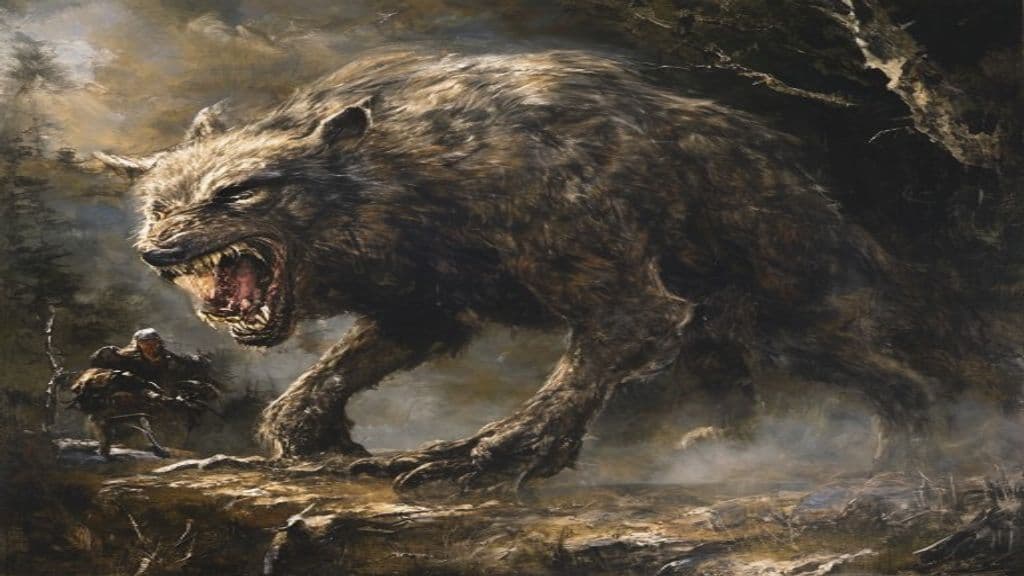
Warg
Greater

Warg

A large, malevolent wolf-like being whose modern fictional form was popularized by J. R. R. Tolkien as an intelligent, war‑capable wolf-race allied with Orcs; the term derives from Old Norse vargr and Old English wearh, words that blur natural wolf, outlawry, and destructive agency.

Wayland the Smith
Greater

Wayland the Smith

Wayland the Smith is a legendary master craftsman from early Germanic and Norse tradition, famed for superlative metalwork, cunning devices, and a narrative of capture, mutilation, vengeance, and escape. He appears as a culture-hero/artisan in poetic and saga contexts (not a formal deity) and is later equated with classical craft-figures such as Daedalus in medieval manuscript tradition.

Weather god
Ancient

Weather god

A class of deity in many mythological traditions responsible for meteorological phenomena—thunder, lightning, rain, wind, storms and related atmospheric forces—often linked to sky sovereignty, fertility, warfare, or protection within local pantheons.

Wechselbalg
Lesser

Wechselbalg

The Changeling of Germanic and Norse tradition — a fairy or demonic child substituted for a stolen human infant, identifiable by its voracious appetite, failure to thrive, and uncanny behavior.

Weohstan
Lesser

Weohstan

Weohstan is a legendary human warrior of Germanic heroic tradition attested in Old English and Old Norse sources. He appears in Beowulf as a Wægmunding retainer who killed the Scylfing prince Eanmund in service to Onela and later bequeathed the prize sword and armour to his son Wiglaf; he also appears in Old Norse skaldic material (Kálfsvísa) in the form Vésteinn.

Wiedergänger
Lesser

Wiedergänger

A Wiedergänger is a revenant — literally a 're-walker' — a deceased person or corpse believed in Germanic and Nordic traditions to return in bodily form or otherwise to affect the living. The concept functions as an umbrella for varied local revenant types (e.g., nachzehrer, aufhocker) and has cognates in Scandinavian genganger/gengångare and the Icelandic draugr traditions.

Wight
Lesser

Wight

A Germanic-language term historically meaning 'being' or 'creature' that, across Old English and Old Norse usage, covers ordinary created beings as well as a range of supernatural local spirits (e.g., land- and household- vættir). In later medieval and modern contexts the term's range shifted and in modern fantasy it has been narrowed by authors to denote specific undead creatures.

Wild Hunt
Ancient

Wild Hunt

A fearsome spectral cavalcade of the dead sweeping through the winter sky — those who see it risk being carried off or killed, and its passage foretells war, plague, or catastrophe.

Witege
Lesser

Witege

A significant figure in Germanic and Scandinavian folklore, appearing in various heroic legends, poems, and ballads. (Note: - Power tier should be Minor Spirit since it doesn't possess notable powers or abilities. - Add sensory cues, weaknesses, and wards sections based on the provided information (none mentioned in source)