Entity Index

A record of the unseen, drawn from world folklore.

7660 entities · page 40 of 128

Celebrimbor
Lesser

Celebrimbor

Celebrimbor is a fictional Elven smith and prince in J. R. R. Tolkien's Middle‑earth, leader of a brotherhood of jewel‑smiths in Eregion during the Second Age. He is famed for forging the Rings of Power (including the three Elven Rings) under deception by Sauron in the guise of Annatar, and for his capture, torture, and death during Sauron's assault on Eregion.

Celestial Ferryman
Lesser

Celestial Ferryman

An ancient Egyptian funerary figure attested in Pyramid Texts, Coffin Texts, and the Book of the Dead who functions as a boatman/psychopomp, guard of Osiris, and one of the Assessors of Maat. Modern summaries render ancient names as Hraf-haf and Ma-haf and emphasize an iconography of a man seated in a boat with his head turned backward.

Celeus
Lesser

Celeus

Celeus (Greek Κελεός, Keleós) is a mythic king of Eleusis in Attica who, as a hospitable mortal, becomes an early recipient of Demeter's favors and teachings; his household events (the attempted immortalization of his son Demophon and the instruction of Triptolemus in agriculture) are foundational to the Eleusinian origin-myths.

Celtchar (son of Uthechar / Uthidir)
Greater

Celtchar (son of Uthechar / Uthidir)

Celtchar is a heroic champion of the Ulster Cycle in Irish mythology: a formidable warrior of Ulster associated with an infamous bloodthirsty spear (the Lúin Cheltchair) and famed for ridding Ulster of three extraordinary menaces before dying from the poisonous blood of his own dog.

Celtic Calendar
Not applicable

Celtic Calendar

A system used by ancient Celts to organize their timekeeping and festivals, tracking the cycles of nature and marking important events on the lunar and solar calendars. (Note: 1. Power tier: Should be Primordial (since it's an entire system and not directly tied to a specific entity with abilities). 2. Abilities: Add "Organization" or a similar ability that reflects its pra)

Celtic Mythological Beings
Greater

Celtic Mythological Beings

A pantheon of supernatural entities from ancient Celtic mythology, associated with various aspects of nature and the cosmos. (Note: - Power tier: Reduce to Lesser (some Greater entities are mentioned, but overall Celtic mythological beings are more regional or local spirits) - Weaknesses: Add "Disruption of natural cycles" as a we)

Celtic Sacred Trees
Greater

Celtic Sacred Trees

In Celtic tradition, sacred trees are imbued with spiritual significance and serve as symbols, conduits for medicinal properties, or abodes for nature spirits. (Note: 1. Power tier is uncertain; the source material does not explicitly describe the trees' power level. 2. Abilities should be more specific; instead of stating they "possess symbolic significance and se)

Cenodoxus
Minor Spirit

Cenodoxus

Cenodoxus is the central dramatic figure of a Jesuit miracle play by Jacob Bidermann (early 17th century). The play stages a didactic, theatrical account in which a man famed for public virtue is revealed—through staged supernaturalized events within the drama—to have been inwardly culpable of pride (vainglory); the corpse’s vocal interruptions of liturgy and the personified Seven Deadly Sins are theatrical devices used to dramatize divine judgment and the necessity of interior humility.

Centaur
Lesser

Centaur

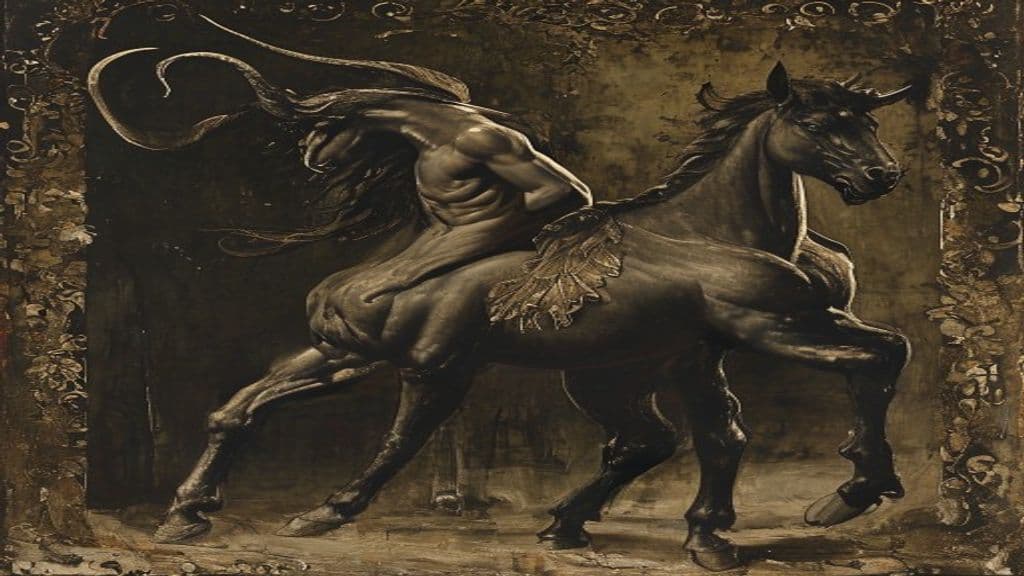
A mythic hybrid from ancient Greek tradition with the upper body of a human and the lower body and legs of a horse. Centaurs appear as a tribal population associated with mountainous and wooded regions of Greece and embody tensions between human social order and untamed nature.

Centaurides (Centauresses)
Lesser

Centaurides (Centauresses)

Female members of the centaur (Kentauroi) tribe in Greek myth. Attested sparsely in literature (notably Hylonome) but frequently represented in Greek and especially Roman-period and late-antique visual art, often in attendant or decorative roles.

Centaurus
Ancient

Centaurus

Centaurus (Ancient Greek: Κένταυρος, Kentauros) is the eponymous mythic progenitor of the centaur race in Greek tradition and a figure immortalized as the southern constellation Centaurus. Sources present him as a son of Apollo and Stilbe and as twin brother to Lapithes; traditions vary about which centaur the constellation specifically represents.

Centeōtl
Ancient

Centeōtl

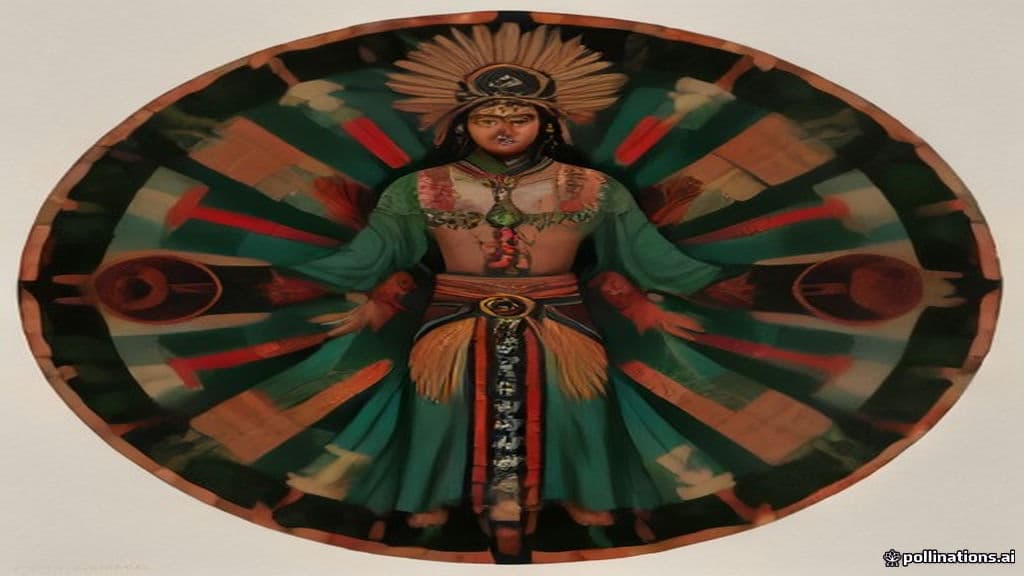
Centeōtl is the Nahua/Aztec maize deity — the divine personification of maize, its growth, cultivation and role in human subsistence. The name (Cintli + teōtl) ties the deity to the maize ear; Centeōtl features centrally in planting and harvest rites, calendrical offices, and Aztec cosmological genealogy.

Centzon Tōtōchtin
Ancient

Centzon Tōtōchtin

A collective of Aztec pulque deities literally rendered 'Four Hundred Rabbits', the Centzon Tōtōchtin function within the pulque cult and are associated with pulque production, ritual use, regulated intoxication, and related night/lunar symbolism.

Centzonhuītznāhua
Minor Spirit

Centzonhuītznāhua

A multitudinous collective of southern star-gods in Aztec (Nahuatl) mythology. They appear in origin myths of the god Huitzilopochtli as the innumerable brothers who conspire against their mother and are slain or scattered by Huitzilopochtli.

Centzonmīmixcōah
Greater

Centzonmīmixcōah

The Centzonmīmixcōah (Nahuatl: 'Four Hundred Mimixcoa') are a multitudinous cohort of Aztec gods identified in sources as the gods of the northern stars. Presented as a collective rather than a single person, they are born in origin myths, are taught weapons by the Sun, lapse in duty through drunkenness and licentiousness, and are slain (and in some accounts transformed) into the northern stars by a later band of five Mimixcoa.

Cephalion
Lesser

Cephalion

Cephalion is attested in classical and late-antique sources as a human name appearing in two distinct registers: (1) an authorial/historian or rhetorician cited by later chroniclers (placed by one source in the time of Hadrian and by another as author of a multi-volume history beginning with Assyria), and (2) a mytho‑genealogical figure named as the son of Amphithemis and the nymph Tritonis. The supplied materials present these as separate, unreconciled references rather than as a single supernatural entity.

Cephalus
Lesser

Cephalus

Cephalus (Ancient Greek: Κέφαλος) is an ancient Greek masculine personal name borne by several mythological and literary figures. In surviving sources he appears as a hunter, husband of Procris, a beloved of the dawn-goddess Eos in some traditions, a son in varying genealogies, and as a named interlocutor in Plato's Republic rather than as a class of supernatural being.

Cepheus (son of Aleus)
Lesser

Cepheus (son of Aleus)

Cepheus (Ancient Greek: Κηφεύς) is a mythic king of Tegea in Arcadia attested in classical Greek legendary cycles. He is portrayed as a mortal heroic-age ruler and warrior—an Argonaut and participant in pan-Hellenic heroic lists—who was killed, along with most of his twenty sons, during Heracles's campaign against Hippocoon of Sparta. The name Cepheus is also shared by another mythic king (the king of Aethiopia, father of Andromeda) and by a northern constellation; some later summaries conflate details between these figures.

Cephisso
Minor Spirit

Cephisso

Cephisso is attested in classical-era lists as one of a triad of Muses described in some local Greek traditions as daughters of Apollo and associated symbolically with lyre-string names. She appears in brief encyclopedic and mythographic notices rather than in extended mythic narratives.

Cephissus
Lesser

Cephissus

Cephissus (Kephisos) is the personified river-divinity name applied to several distinct rivers in ancient Greece (notably in Attica, Boeotia/Phocis, and Argolis). As one of the Potamoi, Cephissus functions primarily as a local river-god appearing in genealogies (father of naiads and certain mortals), in topographical myths, and in occasional civic or adjudicatory mentions.

Cerberus
Greater

Cerberus

The three-headed hound of Hades, guardian of the underworld's gates — welcoming the dead in but allowing no shade to leave and no living mortal to enter uninvited.

Cercaphus
Lesser

Cercaphus

Cercaphus (Ancient Greek Κέρκαφος) is a name borne by several related figures in Greek mythic genealogies and local foundation stories. Most prominently he appears among the Heliadae of Rhodes—portrayed as a son/descendant of Helios whose descendants become eponymous founders of Rhodian cities—but variant traditions attach the name to other ancestral figures in Thessaly and localized etiologies.

Cerceis
Lesser

Cerceis

Cerceis (Ancient Greek Κερκηίς, Kerkēís) is named in Greek mythological genealogies as one of the Oceanids, the many nymph-daughters of the Titans Oceanus and Tethys. She is attested as a water-associated nymph whose name in the surviving tradition is glossed either as 'of the weaving shuttle' (from kerkis) or as 'gorgeous in form.'

Cercetes
Lesser

Cercetes

Cercetes (Ancient Greek: Κερκέτης) is a named Egyptian prince in Greek mythic genealogy, recorded as one of the fifty sons of King Aegyptus who married (and was slain by) one of the Danaïdes. He is attested in mythographic catalogues such as the Bibliotheca and preserved in modern summaries like Wikipedia.

Cercopes
Lesser

Cercopes

The Cercopes (Greek Κέρκωπες, 'tailed ones') are a pair (or more) of mischievous trickster woodland figures in Greek myth, proverbial as liars, thieves, and comic rascals. Best known for stealing Heracles' weapons during his servitude to Omphale and being bound and humiliated by him, they appear across literary fragments and vase imagery and are variously explained as primordial offspring, human tricksters, or etiological figures for monkeys.

Cercyon
Lesser

Cercyon

Cercyon (Ancient Greek: Κερκύων, Kerkýōn) is a name applied in Greek tradition to at least two figures: a malefactor killed by the hero Theseus during his clearing of the road to Athens, and a genealogical figure described as son of Agamedes and father of Hippothous. Sources present him as a human antagonist or ancestor rather than a supernatural species.

Cercyon of Eleusis
Lesser

Cercyon of Eleusis

Cercyon (Greek Κερκύων, Kerkúōn) is a figure from Greek myth, portrayed as a violent local ruler or robber near Eleusis who challenged travelers to wrestling matches and killed those he defeated. He is best known as one of the opponents overcome by the culture-hero Theseus, who defeated him by skillful wrestling and slew him, an episode that both eliminates a local menace and links to the institution of wrestling in the mythic tradition.

Cerdo
Minor Spirit

Cerdo

Cerdo is a named female figure in Greek mythic genealogy, attested in some accounts as the wife of Phoroneus of Argos and mother within early Argive royal lists. She appears only in variant genealogical traditions and is not portrayed in the supplied sources as a deity, cult figure, or supernatural agent.

Ceres
Ancient

Ceres

Ceres is the ancient Roman goddess of agriculture, grain, fertility, and maternal relationships. She presides over the technologies and rites of grain production, the protection and multiplication of plant and animal seed, and the social-ritual rules that sustain settled life; she was central to plebeian public cult and is listed among the Dii Consentes.

Ceridwen
Greater

Ceridwen

Ceridwen is an enchantress in medieval Welsh legend, keeper of a cauldron whose brew produces awen (poetic inspiration). In the Tale of Taliesin she brews a potion intended for her son; when her servant Gwion Bach gains the first drops the resulting pursuit, shapeshifting sequence, swallowing and rebirth produce the poet Taliesin. Later sources and modern writers sometimes recast her as a goddess of transformation and rebirth.

Cermait (Cearmaid)
Lesser

Cermait (Cearmaid)

Cermait (modern Irish Cearmaid), also known by the epithet Milbél ('honey-mouth'), is a member of the Tuatha Dé Danann in Irish myth, described as a son of the Dagda whose death at the hands of Lugh, subsequent revival by the Dagda, and the vengeance of his sons are narrated in medieval sources.

Cernunnos
Greater

Cernunnos

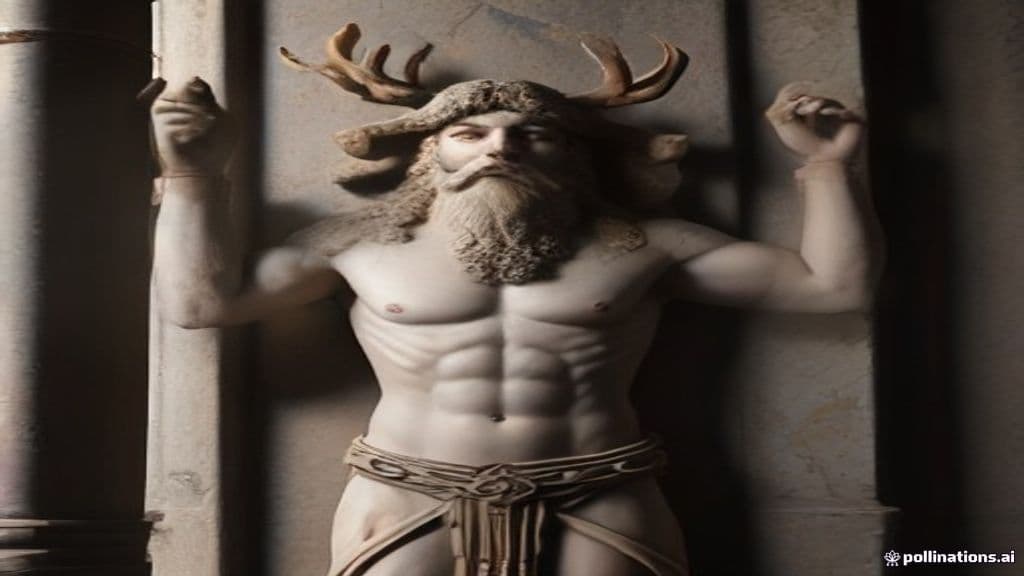
An antlered male divine figure attested in Iron Age and Roman‑period Celtic iconography, conventionally named from a damaged inscription on the 1st‑century CE Pillar of the Boatmen. Modern scholarship links the figure to themes of wild animals, fertility, torcs (social valuables), serpents, and liminality, but direct textual evidence of myths or rituals is lacking.

Ceroessa (Keróessa)
Lesser

Ceroessa (Keróessa)

Ceroessa (Ancient Greek Κερόεσσα, Keróessa) is a legendary human heroine in the foundation-myth cycle of Byzantium. Daughter of Io and Zeus and mother of Byzas by Poseidon, she functions etiologically as the ancestress who links divine genealogy to the founding and toponymy of the Golden Horn.

Ceryneian Hind
Lesser

Ceryneian Hind

A singular, extraordinary deer of Greek myth sacred to Artemis and famed as the quarry of Heracles' third labour; described as unusually large, extremely swift, and ritually dedicated to a goddess rather than merely a wild animal.

Cessair
Lesser

Cessair

Cessair (Modern Irish: Ceasair, glossed 'sorrow, affliction') is a mytho-historical founding figure in medieval Irish tradition, presented in the Lebor Gabála Érenn as the leader of the first company to settle Ireland prior to the Biblical Flood. Medieval compilers portray her as a human progenitor placed into a Christianized genealogy; later authors sometimes reinterpret her as a founding goddess archetype.

Cestrinus
Lesser

Cestrinus

Cestrinus (Ancient Greek Κεστρῖνος) is a mythic mortal figure from Greek tradition, presented as a son of Helenus (and in some accounts Andromache) who, according to the sources, seized and settled territory north of the River Thyamis and gave his name to the district Cestrine in Epirus. He functions as an eponymous founder in post‑Trojan War genealogical narratives; an alternative, less‑attested tradition identifies him with a king of the Cimmerian Bosporus called Genger.

Cet mac Mágach
Lesser

Cet mac Mágach

Cet mac Mágach is a legendary mortal warrior of Connacht in the Ulster Cycle of early Irish narrative tradition. He appears as a boastful and violent heroic antagonist whose trophy-taking and raids precipitate revenge-tales culminating in his slaying by the Ulster hero Conall Cernach.
Ceteus
Lesser

Ceteus

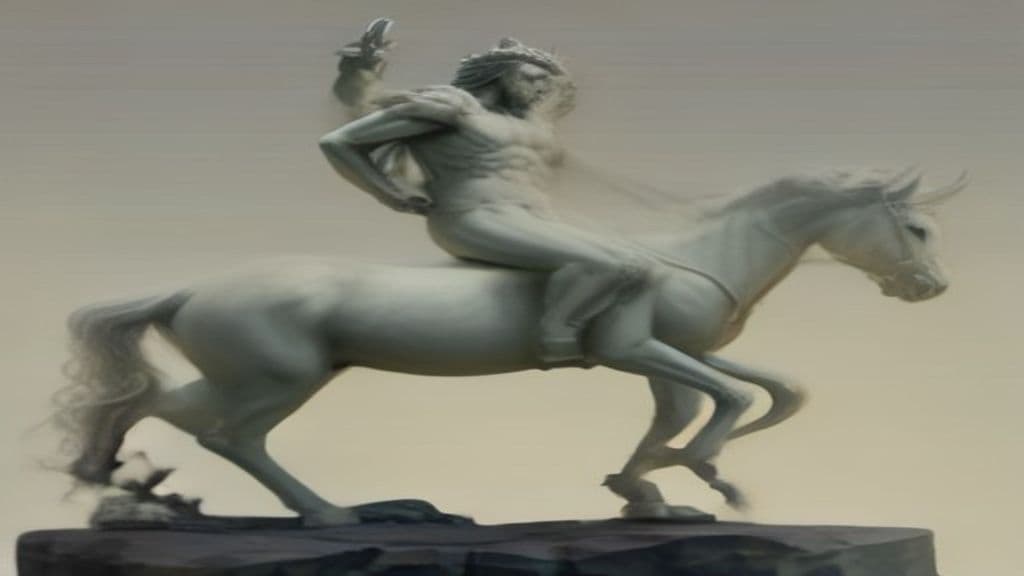
Ceteus (Ancient Greek Κητεύς, romanized Kêteus) is a name borne by at least two mythic figures in Greek literatures: an Arcadian prince counted among the sons of King Lycaon and a commander listed among the Lamian Centaurs who join Dionysus in his Indian campaign. The name appears in genealogical catalogues and epic lists rather than as a recurring supernatural class.
Cethern mac Fintain
Lesser

Cethern mac Fintain

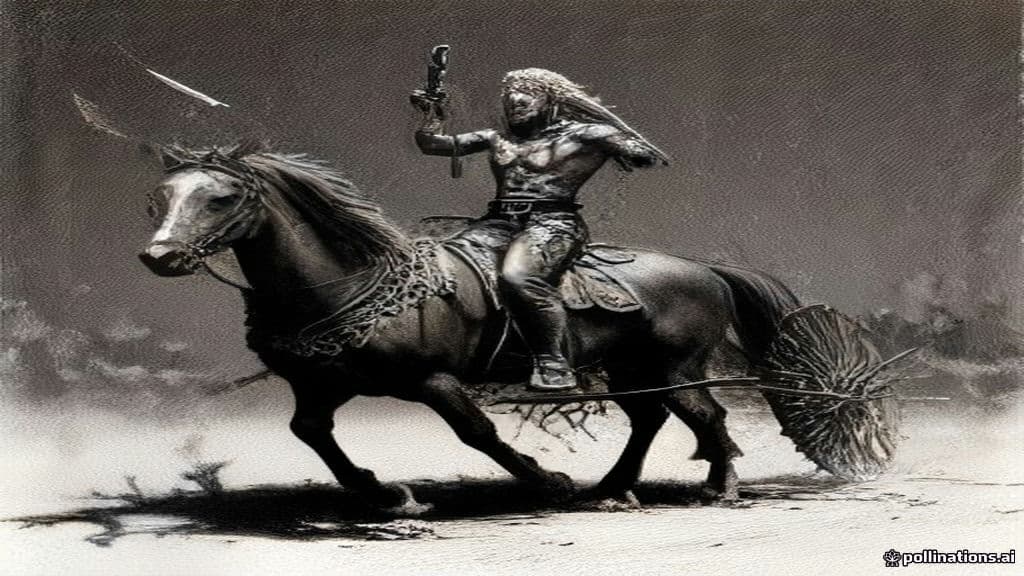
Cethern mac Fintain is an Ulster warrior in the Táin Bó Cuailnge (Ulster Cycle) who arrives to aid Cúchulainn, fights naked from a chariot with a silver spike, undergoes radical medical treatment to return to battle for a brief final bout, and dies fighting.

Cethlenn
Lesser

Cethlenn

Cethlenn (Old Irish Cethlenn/Cethleann/Ceithlenn/Ceithlionn; modern Irish Ceithlinn/Caitlín in some treatments) is a named figure in medieval and early modern Irish narrative tradition associated with the Fomorians. She appears as a prophetess who foretells the downfall of the Fomorians, a martial actor who wounds the Dagda in the Second Battle of Mag Tuired, a mother linked to Ethniu (and thus to Lugh), and an eponymous figure tied to the place-name Enniskillen (Inis Cethlenn).

Ceto
Primordial

Ceto

Ceto (Ancient Greek: Κητώ, Kētṓ) is a primordial sea goddess in Greek mythic cosmology, daughter of Pontus and Gaia, primarily notable as the maternal progenitor of various named monstrous beings (e.g., the Graeae and Gorgons) by Phorcys. Her name is etymologically linked to the common Greek term for sea-monster (kētos), and she functions chiefly as a genealogical and cosmological figure rather than an active, individualized actor in surviving narratives.

Cetus
Lesser

Cetus

Cetus (Greek ketos, Latinized Cetus) is a monstrous sea-being in Greek myth whose ravaging of the Ethiopian coast—sent as divine punishment—threatens Andromeda and is slain by a hero; the creature is commemorated as the constellation Cetus in classical star-maps.

Ceuthonymus
Minor Spirit

Ceuthonymus

Ceuthonymus (Ancient Greek: Κευθώνυμος) is an attested named daimon of the underworld in ancient Greek mythic listings, known primarily as the father of the underworld figure Menoites. Surviving references give his name and classificatory role but no sustained narrative, cult, or iconography.

Ch'od
Lesser

Ch'od

Ch'od is a fictional lizard-like alien character in Marvel Comics, a Saurid from the planet Timor (Varanus IV) and a founding member of the Starjammers. Portrayed as a warrior, pilot, and loyal crewmate, he appears in X-Men-related space-opera stories beginning with Uncanny X-Men #104 (April 1977).

Ch'p
Lesser

Ch'p

Ch'p is an extraterrestrial superhero character from DC Comics who served as a member of the Green Lantern Corps, native to the planet H'lven and historically assigned to Space Sector 1014. He is depicted as an anthropomorphic rodent-like H'lvenite who wields a Green Power Ring and appears across comic issues and various animated and film adaptations.

Chaac
Ancient

Chaac

Chaac is the Maya god of rain, thunder, and lightning, a central agricultural deity who produces storms by striking clouds with a lightning axe. He appears as both a singular figure and as multiple directional Chaacs, is associated with subterranean waters (cenotes and caves), and is the focus of communal rain-request rituals and specialist rainmaker practices.

Chaetus
Lesser

Chaetus

Chaetus (Ancient Greek: Χαῖτος) is a mortal figure in Greek mythic genealogies identified as one of the sons of King Aegyptus. He is best known as one of the Aegyptid princes who married a daughter of Danaus (Asteria) and was slain on his wedding night along with most of his brothers.

Chahk (Chac) — Classic Maya palace deity/manifestation
Lesser

Chahk (Chac) — Classic Maya palace deity/manifestation

A Classic Maya divine figure depicted in late 8th-century palace art and associated with elite ritual contexts. In the provided sources the figure appears as a small, held effigy described as “a god of royalty,” notable for a serpent leg, grotesque head, and a smoking torch on its brow; textual references on the panel refer to an undefined ritual completed in 795.

Chaitra
Minor Spirit

Chaitra

Chaitra (Sanskrit: चैत्र, Caitra) is the name of the first month of the Hindu lunar calendar and the Indian national calendar; it functions as a calendrical period that structures seasonal cognition (spring/Vasanta), new-year reckonings, and a cluster of religious festivals and commemorations across South Asian traditions.

Chakana
Greater

Chakana

A symbol used by the Inca and pre-Incan Andean societies representing a bridge or means of crossing over, with a long cultural tradition spanning 4,000 years. (Note: 1. Power tier should be Primordial as it's an ancient and widespread symbol with deep roots in pre-Incan societies. 2. Abilities section is empty and not mentioned in the source material; add a note s)

Chakravarti
Primordial

Chakravarti

An ideal universal ruler in Indian historiography and religion, holding supreme power over various geographical regions. (Note: - Power tier: Should be "Primordial" -> Incorrect; a Primordial entity would have cosmic powers. Revisit and assign a more fitting power tier based on abilities (e.g., Greater or Ancient). - Origin )

Chakreshvari
Lesser

Chakreshvari

Chakreshvari (also Chakreshwari or Apraticakra) is an attendant goddess (yakshini) in Jain cosmology who serves as the guardian or tutelary deity of the first Tirthankara, Rishabhanatha. She is an object of popular devotion in Jain communities and is counted among the three yakshinis—alongside Ambika and Padmāvatī—that attract the most devotional worship.

Chalbes
Lesser

Chalbes

Chalbes is a named mortal attendant or herald in Greek mythic accounts of the Busiris episode; he is listed among those slain by Heracles when the hero resists an attempted human sacrifice at the Egyptian king's court.

Chalchiuhtlatonal
Minor Spirit

Chalchiuhtlatonal

Chalchiuhtlatonal is presented in the cited sources as an Aztec god of water related to the water goddess Chalchiuhtlicue. The sources state that "he looks over the sea, and protects the animals living in it," and that "he granted the gift of water to one human in 10,000 years to help look after the sea."

Chalchiuhtlicue
Ancient

Chalchiuhtlicue

Chalchiuhtlicue is a principal Nahua/Aztec water deity associated with groundwater, rivers, streams and other waters, and with fertility, childbirth, ritual bathing and purification. She is a calendrical and cultic figure in central Mexican religion who, in mythic tradition, presided over the era of the Fourth Sun and caused a prolonged flood that destroyed that world-age.

Chalchiuhtotolin
Lesser

Chalchiuhtotolin

Chalchiuhtotolin (Nahuatl, glossed 'Jade' or 'Jewelled Turkey') is an avian manifestation or nahual of the major Aztec deity Tezcatlipoca associated with disease and plague, sorcery/temptation, and ritual purification/absolution. The figure functions within the Aztec tonalpohualli (ritual calendar) as ruler of the day Tecpatl and the trecena 1-Atl.

Chalciope
Lesser

Chalciope

Chalciope (Ancient Greek: Χαλκιόπη, Khalkiópē, literally 'bronze-face') is a personal name attested for several distinct mortal women in Greek mythic genealogies. In the sources she functions as a dynastic or marital figure—daughter, wife, or mother—whose significance lies in lineage and offspring rather than any supernatural attributes.

Chalcodon
Lesser

Chalcodon

Chalcodon is a recurring personal name in ancient Greek tradition borne by several distinct mortal figures — kings, princes, and warriors — who appear across local genealogies and heroic narratives (e.g., as a son of Aegyptus, a king of the Abantes, and a king of Kos). The name functions as a legendary human ancestor and narrative foil rather than as a single supernatural being.

Chalcon
Lesser

Chalcon

Chalcon (Ancient Greek: Χάλκων) is a personal name borne by several distinct figures in Greek myth and epic—ranging from ordinary mortal princes, fathers, and a charioteer/tutor to one attested member of the Telchines. The name does not denote a single species or office but recurs across genealogies and Trojan War–cycle episodes.

Chalkydri
Ancient

Chalkydri

Mythical, angelic creatures associated with the solar cycle and dwelling near the Sun. (Note: - Power tier: Primordial (Chalkydri's abilities are described as bringing heat and dew, which is a cosmic-level phenomenon) - Weaknesses: not mentioned in source material - Wards: not mentioned in sou)