Entity Index

A record of the unseen, drawn from world folklore.

7674 entities · page 42 of 128

Chidambara Rahasiyam
Primordial

Chidambara Rahasiyam

A symbolic representation of a secret message or truth in Hindu tradition, embodying Lord Shiva at the Chidambaram Temple. (Note: * Power tier should be Ancient (as it's an abstract representation and not cosmic, but still at a deity-level) * Origin story is missing * Abilities description needs to be supported by source materi)

Children of Ares
Greater

Children of Ares

The Children of Ares is an encyclopedic label used for a cluster of recurring antagonists in DC Comics' Wonder Woman mythos, denoting offspring and lieutenants of the war god Ares (Mars) who embody and enact aspects of war and strife across multiple continuities.

Children of Heracles
Lesser

Children of Heracles

A group of mortal descendants of the hero Heracles (Hērakleidai) represented in Euripides' tragedy Children of Heracles (performed 430 BCE). In the play they appear as suppliants persecuted by Eurystheus whose fate raises civic, religious, and moral questions rather than as a class of supernatural beings.

Children of Ilúvatar
Ancient

Children of Ilúvatar

In J. R. R. Tolkien’s legendarium, the Children of Ilúvatar are the two principal kinds of sentient, created beings—Elves and Men—brought into being by the supreme creator Ilúvatar (Eru) and occupying a central place within Tolkien’s cosmology.

Children of Lir
Minor Spirit

Children of Lir

A group of four human children—Fionnuala and her three brothers Aodh, Fiacra (Fiachra) and Conn—of the Irish story Oidheadh chloinne Lir who are transformed into swans and condemned to live for centuries in enchanted form, retaining speech and singing plaintive songs. The tale is set at the close of the Tuatha Dé Danann's dominion and functions as a fate‑centred lament in medieval Irish literature.

Chimalma
Ancient

Chimalma

Chimalma is an Aztec goddess who, in the supplied sources, is recorded primarily as the mother of the Toltec gods Quetzalcoatl and Xolotl. A separate modern television drama (The Feathered Serpent, 1970s) adapts the name for a fictional Toltec/Aztec‑like setting in which a character called Empress Chimalma is central to a dynastic marriage that functions as a political-religious device.

Chimera
Greater

Chimera

The Chimera (Ancient Greek Χίμαιρα) is a monstrous hybrid from Greek myth—traditionally a fire‑breathing composite described with a lion forepart, a goat in the middle, and a serpent hind—portrayed as a destructive beast from Lycia that ravaged cattle and countryside and was slain by the hero Bellerophon. In later tradition its image also appears in visionary or allegorical contexts as an omen.

Chimimōryō
Lesser

Chimimōryō

A traditional East Asian class of nature‑bound spirits and monsters associated with mountains, rivers, forests, swamps, trees, and rocks. Originating in ancient Chinese chronicles, the compound term unites two paired spirit-types (chimei and wangliang/mōryō) and was later adopted into Japanese reference works as a catch‑all category for various yōkai, oni‑like beings, and nature deities.

Chiminigagua
Primordial

Chiminigagua

Chiminigagua is the supreme creative principle in Muisca (Chibcha) cosmology of the Colombian Altiplano; described in sources as the primordial source of light who brought the visible world into being and from whom the Sun, Moon and other lesser deities derive. The deity is presented more as a transcendent, often bodiless origin than as a regularly culted, anthropomorphic patron; veneration in practice was channeled through solar, lunar and fertility cults and major sanctuaries.

Chimú (Chimor)
Minor Spirit

Chimú (Chimor)

The Chimú (also terms as Chimor when referring to their polity) were a pre-Columbian coastal civilization of northwestern Peru that arose ca. 900 CE, produced distinctive material culture (ceramics, metalwork, textiles), controlled up to ~1,000 km of Pacific coastline, and persisted until conquest by the Inca under Topa Inca Yupanqui around 1470 CE. Archaeological evidence from Chimú-associated sites indicates ritual activity including human sacrifice, but the provided sources treat Chimú as a historical culture/polity rather than a supernatural being.

Chin
Minor Spirit

Chin

Chin is a named male numinous figure attested in colonial-era Spanish descriptions of certain Maya groups (notably Verapaz and reports from the Itzá) as having demonstrated sexual intercourse with other male deities and humans; his actions are cited etiologically in those sources as a precedent for regulated same-sex practices in some Maya communities. The surviving extracts do not present Chin with a full cult biography, ritual prescriptions, or iconographic identification in primary indigenous texts.

Chindi (Navajo)
Lesser

Chindi (Navajo)

In Navajo tradition, a chindi is the negative energy or miasma left behind after a person dies. (Note: 1. Power tier should be revised as Primordial, since it's described as "everything that was negative about the person's life" and its effects are not limited to a specific region. 2. Sensory cues shou)

Chinese dragon (long / loong)
Ancient

Chinese dragon (long / loong)

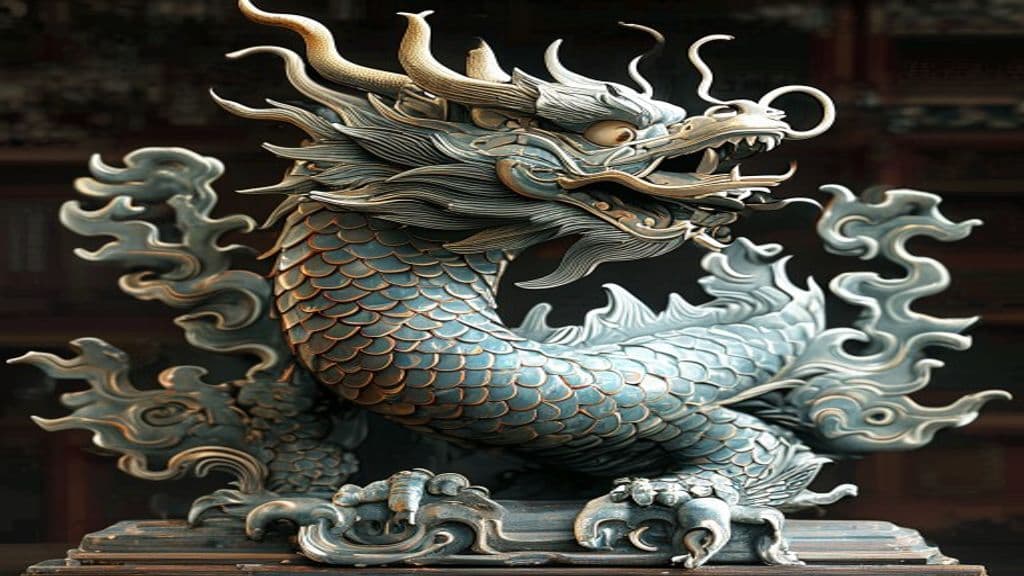
A central legendary zoomorphic being in Chinese myth and culture (Chinese: long / loong), the dragon embodies auspicious cosmic and ancestral power, especially mastery over water and weather, and functions as an imperial and communal emblem across material culture, ritual performance, and state iconography.

Chinese ghosts
Lesser

Chinese ghosts

Spirits of deceased persons in Chinese folk belief, integrated with ancestor-worship and syncretic Buddhist ideas; often conceived as potentially malevolent if neglected or provoked, while some deceased become honored ancestral spirits through proper ritual care.

Chinese gods and immortals (shenxian)
Ancient

Chinese gods and immortals (shenxian)

A heterogeneous corpus of deities (shen) and immortals (xian) in Chinese religious and mythic thought, understood as manifestations or localizations of the cosmic principle (Tian/Tao/qì). They include celestial gods, local tutelaries, deified culture-heroes, and Taoist immortals formed and sustained by temples, ancestral ritual, and popular cult.

Chinese guardian lions (shī, 石獅)
Minor Spirit

Chinese guardian lions (shī, 石獅)

Stone or metal sculptural guardian lions (Chinese: shī, often 石獅 shíshī "stone lion") placed in male–female pairs at thresholds to protect buildings and occupants. Originating in Chinese Buddhist and imperial symbolism, they function as apotropaic architectural emblems believed to ward off harmful spiritual influences and hostile humans when correctly placed.

Chinjugami
Lesser

Chinjugami

Chinjugami (鎮守神) are tutelary kami enshrined to protect a specific building, estate, or region. Traditionally installed at chinjusha (guardian shrines) or within temples, they function within syncretic Japanese popular religion to secure human projects and negotiate authority with older local spirits.

Chione (daughter of Daedalion)
Lesser

Chione (daughter of Daedalion)

A name-attested figure in Greek mythic genealogies listed among several women called Chione (Χιόνη, 'snow'); in the surviving summary sources the Daedalion figure is recorded as having borne sons by the gods Hermes and Apollo. The name Chione appears across multiple, distinct mythic women rather than indicating a single unified supernatural office.

Chirimachus
Lesser

Chirimachus

Chirimachus (Ancient Greek: Χειρίμαχον) is a minor figure in Greek mythic genealogy: a Mycenaean prince, son of King Electryon and Anaxo, named among his brothers and reported to have been killed by the sons of Pterelaus during a dynastic conflict over the descendants of Perseus.

Chiron
Greater

Chiron

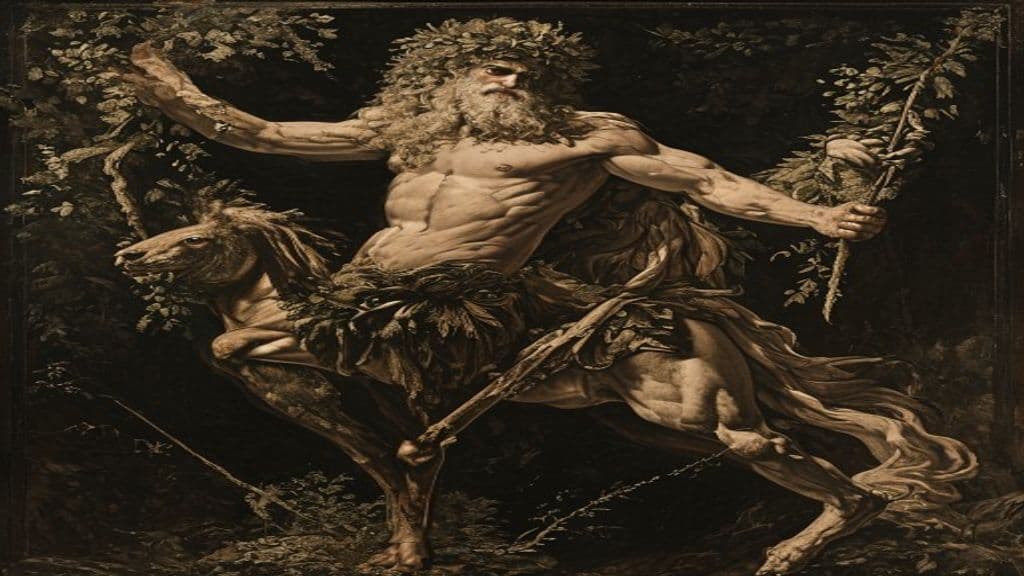
Chiron (Ancient Greek: Χείρων, Kheírōn) is a unique centaur of Greek myth, famed as a cultured tutor, healer, and oracle who taught skills such as medicine, music, archery, hunting, and prophecy to culture-heroes. Associated with Mount Pelion in Thessaly, he is presented as wise and civilized in contrast to other, wilder centaurs.

Chislobog
Greater

Chislobog

Chislobog (Числобог) is a figure of modern Slavic reconstructionist and Ynglist/Slavic‑Aryan writings presented as a deity of numbers, cyclic time and cosmic ordering; scholarly and reference sources mark the figure as a 20th‑century invention or drawn from contested/forged sources (Book of Veles, Prillwitz idols).

Chitauri
Greater

Chitauri

A fictional extraterrestrial species created for Marvel Comics (originating in the Ultimate Marvel universe, Earth-1610) and adapted into other media including the Marvel Cinematic Universe. Portrayals vary by continuity between shapeshifting infiltrators (Earth-1610) and insectile mass-soldiers deployed as an invading force (Earth-616 / MCU).

Chitralekha
Lesser

Chitralekha

Chitralekha is a named female companion of the princess Uṣā in the Uṣā–Aniruddha narrative corpus. Described in modern retellings and reference entries as an accomplished artist and a practitioner of yoga-siddhi, she creates portraits for Uṣā and, in several accounts, uses a shrinking/transporting siddhi (often called Anima) to bring the Yādava prince Aniruddha to Uṣā.

Chiwen
Lesser

Chiwen

Chiwen (蚩吻 / 鴟吻 / 鴟尾 / 螭首) is a Chinese mythic dragon‑child figure and an associated class of roof ornament placed at the ends of roof ridges. As one of the traditional Nine Sons of the Dragon, Chiwen is represented in architecture as a dragon‑head/fish‑body finial that symbolically 'swallows' ill influences and functions as a protective architectural device (waterspout, finial) to guard buildings against fire, floods and other hazards.

Chiyou
Greater

Chiyou

Chiyou (蚩尤) is a polyvalent figure in Chinese and related ethnolinguistic traditions: a legendary tribal leader of the Nine Li (九黎) people, a formidable martial/numinous power associated with storms and metal/weaponry, and an ancestor or ritual deity in some southern ethnic cults (notably Miao/Hmong). He is best known as the principal antagonist of the Yellow Emperor in the Battle of Zhuolu narrative and as an incorporated figure in later ritual and material culture.

Chloris
Lesser

Chloris

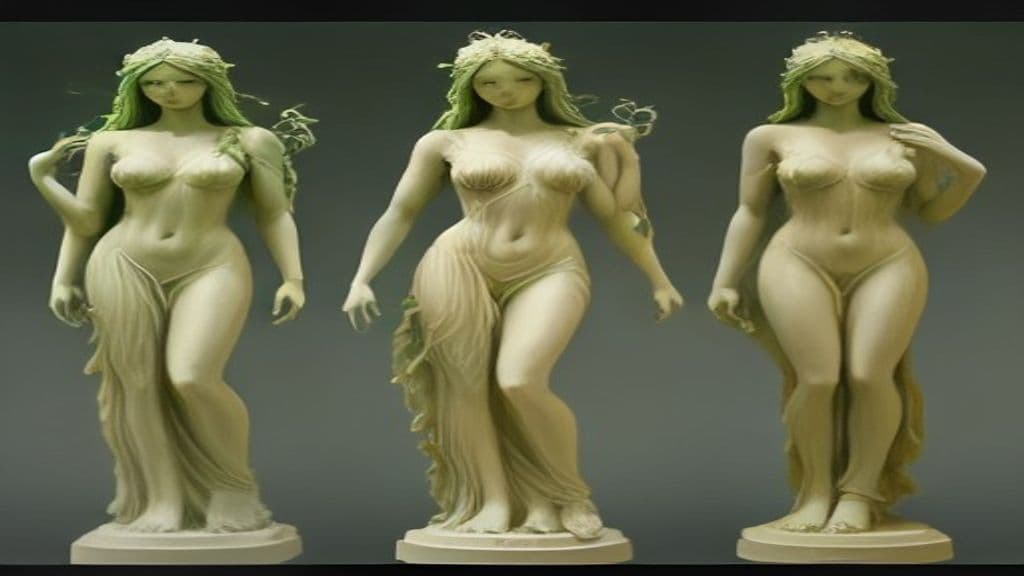
Chloris (Greek Χλῶρις Chlōris) is a personal name borne by multiple female figures in Greek myth—nymphs, queenly wives, and mortal women—whose name derives from the adjective for green/pale and evokes vegetal/fresh imagery. The sources treat Chloris not as a single, uniform supernatural species but as several mythic persons appearing in different genealogies and narratives.

Chloris of Pylos
Minor Spirit

Chloris of Pylos

Chloris of Pylos is a figure in Greek mythic genealogy presented in the supplied sources as a Minyan princess, daughter of Amphion (and in one source, of Amphion and Niobe), wife of Neleus, and mother of Periclymenus. Her attested role is genealogical and dynastic rather than narrative or supernatural.

Chloris of Thebes
Lesser

Chloris of Thebes

Chloris of Thebes (Ancient Greek: Χλῶρις), also called Meliboea in some traditions, is a mythological mortal woman named among the Niobids — the children of Amphion and Niobe — in Greek genealogical traditions. In some sources and later summaries she is conflated with a Chloris who is said to have married Neleus of Pylos, a variant that integrates her into Pylian genealogies.

Chlorus
Lesser

Chlorus

Chlorus is a mythic genealogical figure attested in brief classical/compilatory sources of Greek tradition. He appears as a link in a lineage (son of Pelasgus, father of Haemon, ancestor of Thessalus) used etiologically to connect eponyms such as Haemonia and Thessaly to named progenitors.

Chnuphis (Kneph / Kmeph)
Greater

Chnuphis (Kneph / Kmeph)

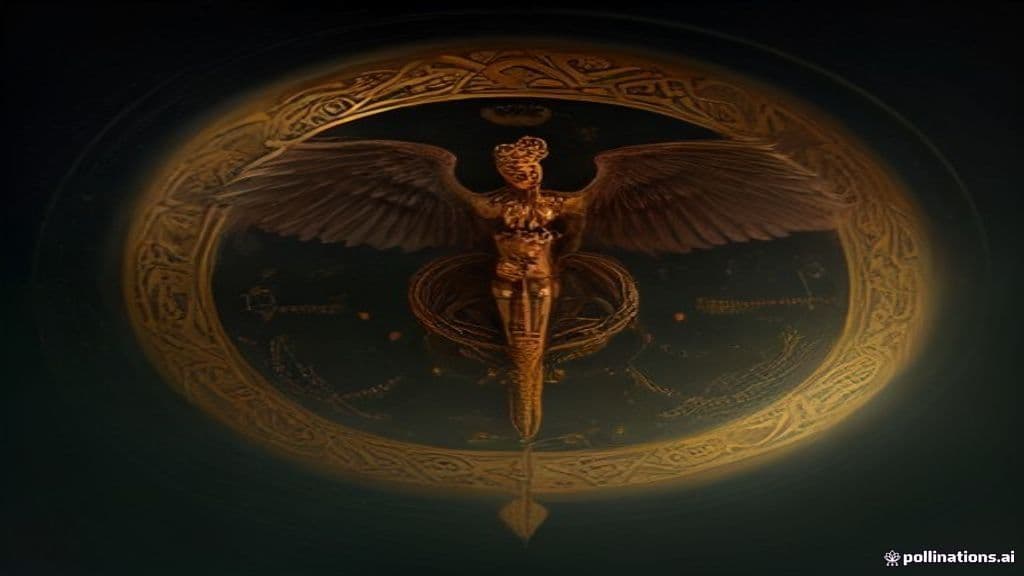
Chnuphis (Egyptian Kneph or Kmeph) is an ancient Egyptian motif of divinity attested in religious art and later reused in Greco‑Roman Late Antique magical and gnostic contexts. In Egyptian iconography it appears as a winged egg, a globe encircled by serpents, or the serpent form of Amun (Kematef); in Late Antiquity the Greek theonym Chnuphis commonly denotes a lion‑headed serpent figure on magical artifacts.

Chochmah
Primordial

Chochmah

Chochmah (Heb. חָכְמָה; also Chokmah/Chokhmah) is a metaphysical principle in Jewish Kabbalistic thought: the second of the ten sefirot, described as the primordial point of divine wisdom — the first flash of conscious intellect that issues from Keter and becomes intelligible through Binah.

Choking Doberman
Lesser

Choking Doberman

A contemporary American urban-legend narrative about a homeowner who discovers a large dog (commonly a Doberman in early tellings) choking on human fingers, which leads to the discovery and identification of a hidden burglar. Treated by folklorists as a paradigmatic "false-true" modern legend and used to signal domestic vulnerability and the prudence of protective measures.

Chokmah
Primordial

Chokmah

Chokmah (חָכְמָה, 'wisdom') is the second sefirah on the Kabbalistic Tree of Life, described in classical kabbalistic texts as the primordial point of divine wisdom that emerges from Keter and precedes differentiation by Binah. It functions as an abstract metaphysical principle and cognitive archetype rather than a personified spirit in the provided sources.

Chonchon
Greater

Chonchon

A Mapuche legendary being described as the detached, flying head of a sorcerer or person who has entered into sorcery. The chonchon is associated with kalku (evil sorcerers), nocturnal covens, and functions as an omen-bearing, predatory extension of illicit witchcraft in southern Chile and Argentina.

Chondu the Mystic
Greater

Chondu the Mystic

Chondu the Mystic is a recurring Marvel Comics character: a human practitioner of the mystic arts who becomes a criminal associate of the Headmen and undergoes repeated bodily and mental transference, including monstrous transformations and brain transplants. He functions as an antagonist in stories that blend magic and mad-science.

Choronzon
Greater

Choronzon

A figure from Enochian and Thelemic occult literature described as the 'Dweller in the Abyss' and a dispersive, shapeshifting force encountered in ceremonial evocation; in Crowleyan Thelema Choronzon functions as the final liminal obstacle associated with the Abyss and Binah/Babalon complex.

Chort
Lesser

Chort

A chort is an anthropomorphic malign spirit figure in Slavic folk tradition that occupies a liminal space between older Slavic demonology and Christian notions of the devil. Depending on region and narrative function it appears as numerous lesser malignant spirits, a trickster antagonist who tempts or is tricked by humans, or as a cover-term for 'unclean forces' credited with various negative creations in the world.

Chremetes
Lesser

Chremetes

Chremetes is the Greek name of a river in Libya and the river's divine personification (a Potamos). He appears in classical geographical and mythographic lists and as the father of the naiad Anchiroe, serving a primarily local genealogical and toponymic role in Greek sources.

Christ Child
Greater

Christ Child

The Christ Child (also Baby Jesus, Infant Jesus, Divine Child) is the figure of Jesus Christ in his infancy and childhood (up to about age 12). In Christian textual and devotional traditions he is not a separate being but the incarnate Jesus during early life, the focus of nativity narratives, apocryphal infancy stories, liturgical feasts, and widespread devotional images.

Christ Pantocrator
Minor Spirit

Christ Pantocrator

Christ Pantocrator is an iconic Eastern Christian depiction of Jesus emphasizing his sovereignty, judgment, and sustaining rule. It is a visual-theological image used in liturgy and church architecture (domes, apses, iconostasis) rather than a folkloric autonomous being.

Christian God
Ancient

Christian God

In Christian tradition, God is the single supreme divine reality believed to be eternal, the creator and preserver of all things, both transcendent over and immanent within creation; many Christians conceive this one God as three Persons (Father, Son, Holy Spirit). Christian sources also teach that the Son assumed human nature in the Incarnation.

Christkind
Minor Spirit

Christkind

The Christkind is a Central European cultural personification of the Christ Child who functions as the traditional bringer of Christmas gifts in many domestic and civic seasonal practices. Originating in Reformation-era promotion of the infant Jesus as focus of Christmas giving, it persists in diverse regional forms (e.g., Ježíšek, Jézuska) and in civic pageantry such as the Nuremberg Christkindlesmarkt.

Christman Genipperteinga
Lesser

Christman Genipperteinga

A late 16th-century German pamphlet figure presented as an extraordinarily prolific outlaw and murderer whose lurid deeds (mass killings, infanticide, cannibalism) are recorded in a 1582 pamphlet by Caspar Herber and later popular summaries; modern scholars treat his historicity as uncertain and view the story as part of a cycle of sensational bandit narratives in early modern German print.

Christmas elf
Lesser

Christmas elf

A modern English-language folkloric figure: a diminutive humanoid helper associated with Santa Claus, depicted as Santa's workshop workforce who assist in toy-making, reindeer care, and seasonal logistics. The figure is a syncretic, commercialized descendant of older household-spirit traditions (álfar, tomte/nisse, kobolds, brownies).

Christmas gift-bringer (tradition)
Lesser

Christmas gift-bringer (tradition)

A culturally variable class of midwinter personae across Europe (and diasporic regions) who deliver gifts to children or the poor during seasonal celebrations (Saints' feast days, Christmas Eve, Epiphany, Yule). Treated variously as saintly figures, household spirits, childlike or old-person figures, or secularized modern personae, they function in ritual exchange and moral pedagogy rather than as a single, uniform supernatural being.

Chromia
Minor Spirit

Chromia

Chromia (Ancient Greek: Χρωμία, Khrōmía) is a minor mythological woman in Greek genealogies, identified as daughter of Itonus (son of Amphictyon, grandson of Deucalion) and in some traditions named as consort of Endymion and mother of Aetolus, Paeon, Epeius, and Eurycyda. The same modern lexical form 'Chromia' is also used as a name for a public blockchain platform, a Miraheze project wiki, and as the English mineral/oxide term (Cr2O3), but these are homonymous and not conflated with the mythic figure in the available sources.

Chromios
Lesser

Chromios

Chromios is an ancient Greek personal name attested for several human figures in classical literary and historical sources (not a single supernatural being). Attestations include Chromios of Aitna, victor in a chariot race celebrated by Pindar (Nemean I, c. 473 BCE); a warrior/captain name found in epic/Homeric indices and scholia; an Argive survivor in the tradition of the Battle of the 300 Champions; and the modern asteroid 32726 Chromios, a Jupiter Trojan named from the Greek onomastic repertoire.

Chromis
Lesser

Chromis

Chromis (Ancient Greek Χρόμις) is an anthroponym attested across multiple ancient Greek and Roman mythic episodes. The name is borne by several distinct minor figures — including at least one centaur at the Centauromachy and several mortal warriors in epic war-lists — rather than a single supernatural species or cult figure.

Chromius
Lesser

Chromius

Chromius is an ancient Greek personal name borne by multiple mortal males in the epic and mythographic tradition (princes, warriors, and allies appearing in genealogies and the Trojan War cycle). The entries are distinct human figures tied to dynastic and martial roles rather than a single supernatural entity.

Chronos
Primordial

Chronos

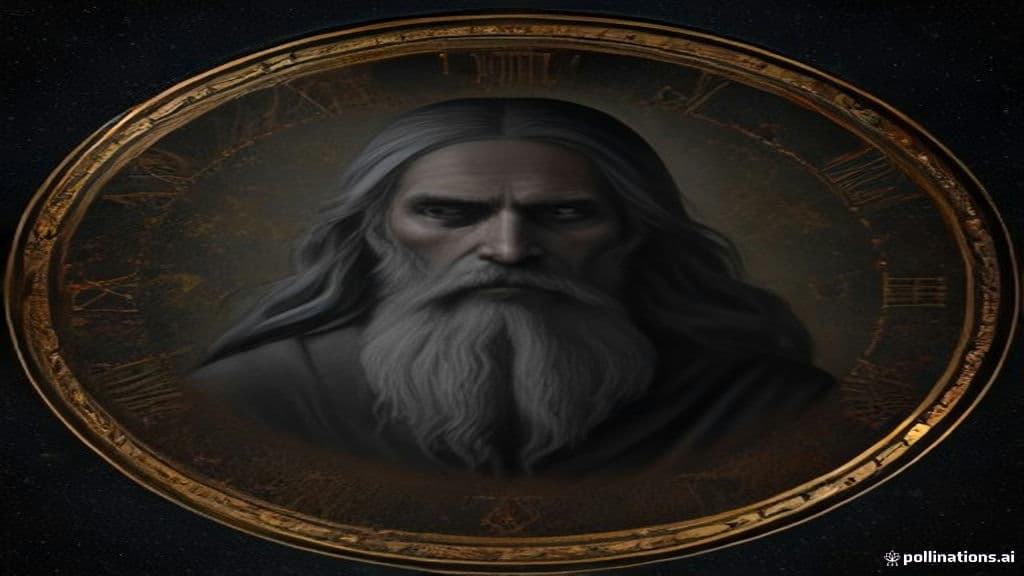
Chronos is the ancient Greek personification of Time, treated in Orphic and related traditions as a primordial, generative principle that orders the cosmos. He is depicted in art as an aged bearded man associated with the zodiac wheel and later conflated with the Titan Cronus and the Renaissance 'Father Time' figure.

Chrysanthius of Sardis
Minor Spirit

Chrysanthius of Sardis

Chrysanthius of Sardis (Ancient Greek: Χρυσάνθιος; died AD 505) was a late-antique Greek Neoplatonist philosopher and the high-priest of Lydia. A pupil in the lineage of Iamblichus via Aedesius, he is recorded as devoted to the mystical side of Neoplatonism and noted for moderation in his priestly office.

Chrysanthus and Daria
Lesser

Chrysanthus and Daria

Chrysanthus and Daria are venerated Christian martyrs of the early Church, remembered in liturgical calendars and by the cult of relics. Their legend places them in late third-century Rome, where they converted others and suffered martyrdom; their Acts survive in later Greek and Latin versions judged historically unreliable, while relics attributed to them were translated and enshrined in several medieval sites.

Chrysaor
Lesser

Chrysaor

Chrysaor is a figure from Greek myth born from the beheading of the Gorgon Medusa; traditionally presented as the brother of Pegasus and the father of Geryon, he functions chiefly as a genealogical and etiological link within Hesiodic and related traditions.

Chryseis
Lesser

Chryseis

A mortal woman in Greek myth best known from Book 1 of the Iliad as the daughter of Chryses, a priest of Apollo, taken as a captive/concubine by Agamemnon; her father's supplication to Apollo and the resulting plague force Agamemnon to return her, illustrating the nexus of religious and political obligation in the epic. Later traditions give her personal names (Astynome) or rework her into medieval figures such as Cressida and, in some post-Homeric accounts, assign her children by Agamemnon.

Chryses
Lesser

Chryses

Chryses is a mortal Trojan priest of Apollo at the sanctuary of Chryse who appears in the opening episode of Homer’s Iliad as a suppliant seeking the return of his captive daughter. His ritual petition to Apollo leads the god to afflict the Greek army with a plague when Agamemnon dishonors him, and the eventual restitution of the daughter ends the divine punishment.

Chrysopeleia
Lesser

Chrysopeleia

Chrysopeleia is an Arcadian hamadryad (tree-nymph) of Greek myth whose life is bound to a particular oak (or tree). In the surviving tradition she is rescued when floodwaters threaten her tree, becomes the lover of the mortal Arcas, and bears him two sons, Apheidas and Elatus.

Chrysothemis (daughter of Agamemnon)
Lesser

Chrysothemis (daughter of Agamemnon)

Chrysothemis (Ancient Greek Χρυσόθεμις) is a mortal woman in the Greek tragic tradition, presented as a daughter of Agamemnon and Clytemnestra and sister to Electra and Orestes. In surviving dramatic sources she functions as a domestic and psychological foil to Electra: she mourns her father but counsels conciliation and self-preservation rather than avenging Agamemnon's murder.

Chrysus
Minor Spirit

Chrysus

Chrysus (Ancient Greek Χρυσός, Khrusos) is the personification of the metal gold in ancient Greek literary and scholastic sources. Attested chiefly in poetic lines (Pindar) and scholia, Chrysus functions as a minor divine personification or daimon that indexes gold's value, brilliance, and cosmological provenance rather than a cultic deity with independent mythic narratives.

Chthonia
Ancient

Chthonia

Chthonia (Ancient Greek: Χθονία, 'of the earth' or 'subterranean') is a polyvalent term in ancient Greek myth and cult used as a personal name for several mythic women, an epithet for gods and goddesses in their earth-or underworld-aspects (notably Demeter), and a poetical/toponymic name for Crete. It marks persons, sanctuaries, festivals and divine functions associated with the chthonic (earth/subterranean) domain rather than designating a single, individuated supernatural being.

Chthonic deities
Ancient

Chthonic deities

A classificatory term from ancient Greek religion (χθόνιος, khthónios) for gods, spirits, and divine aspects associated with the earth beneath the living surface and the underworld; the label marks subterranean, funerary, or fertility-oriented cult and ritual practice rather than a single uniform species of being.