Entity Index

A record of the unseen, drawn from world folklore.

7660 entities · page 41 of 128

Champ
Lesser

Champ

Champ (or Champy) is a named lake‑dwelling monster from regional Anglo‑American and Franco‑Canadian popular folklore associated with Lake Champlain. Presented in modern sources as a persistent local cryptid, Champ is documented through historical newspaper reports, eyewitness accounts, photographs, video, and occasional acoustic recordings, and functions as a tourism and identity emblem for communities around the lake.

Champion of the Universe (Tryco Slatterus)
Greater

Champion of the Universe (Tryco Slatterus)

A fictional Marvel Comics character, Tryco Slatterus — the Champion of the Universe — is one of the alien Elders of the Universe whose singular vocation is proving himself the greatest warrior in the cosmos. He is portrayed as an ancient, nigh-immortal, physically superlative combatant who travels to challenge powerful fighters and has alternately acted as challenger, ruler, or antagonist within comic-book stories.

Chamrosh
Lesser

Chamrosh

Supernatural bird entity inhabiting the summit of Mount Alborz in Persian mythology. (Note: 1. Remove "Origin story" section since no origin story is provided in the source material. 2. Add a statement about the lack of specific abilities or behaviors under the "Abilities" section to clarify)

Chamunda
Ancient

Chamunda

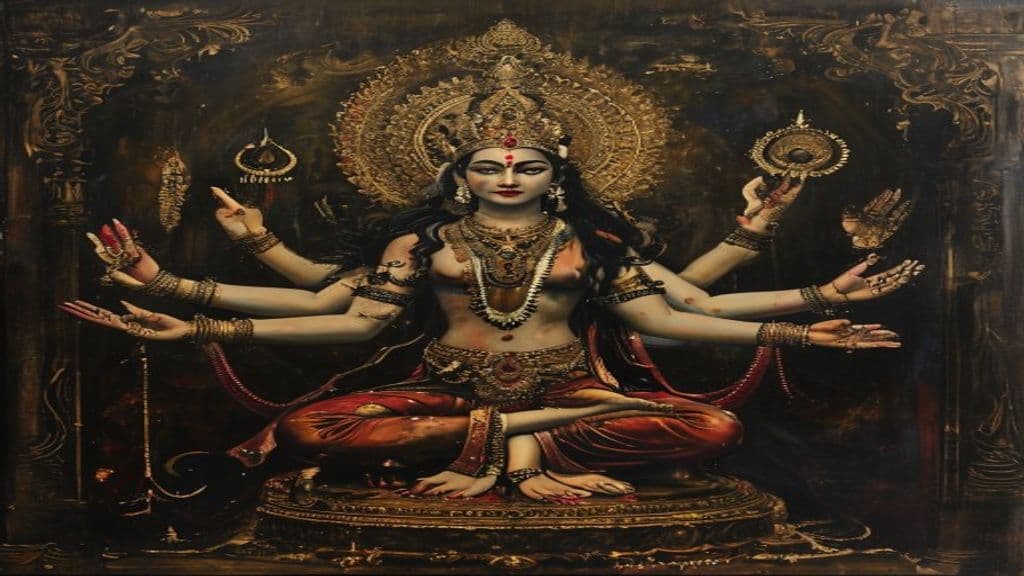
Chamunda (also Chamundeshwari, Chamundi) is described in the provided sources as a fearsome form of Chandi, a manifestation of the Hindu mother goddess (Mahadevi), and is counted among the seven Matrikas.

Chanda and Munda
Lesser

Chanda and Munda

Chanda and Munda are two named asura warriors in the Devi Mahatmya narrative who are sent by the demon-kings Shumbha and Nishumbha to confront the Goddess; their slaying by the goddess's terrifying war-aspect (Kali/Chamunda) gives rise to the epithet Chamunda.

Chandalika
Primordial

Chandalika

A Dayan witch who has reached approximately 1600 years of age — the final threshold, beyond which she has become more force than person, capable of destroying entire lineages and withstanding divine invocations.

Chandi
Ancient

Chandi

Chandi (Caṇḍī / Caṇḍikā) is a fierce aspect of the Hindu Divine Feminine (Devi) prominent in Śākta traditions, celebrated in the Devi Māhātmya (Durga Saptashati) as a warrior‑protector and purifier. She is invoked in homa/chanting rites (Chandipath/Chandi Homam) to remove obstacles, cure evils, and bestow auspiciousness, and appears both in pan‑Indian scripture and varied local village forms especially in eastern India and Gujarat.

Chandra
Ancient

Chandra

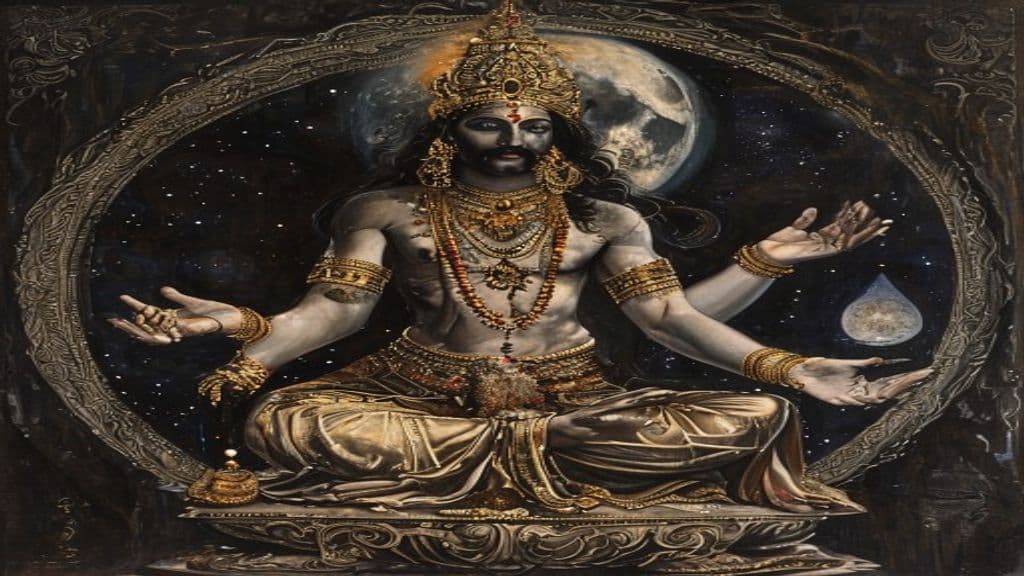
Chandra is the Hindu divine personification of the Moon, appearing in Vedic, epic and Purāṇic literature. He functions as the lunar luminary, a member of the Navagraha (planetary regents), and is closely associated with plants/vegetation and the Vedic Soma tradition. Myths about Chandra include his marriages to the 27 Nakshatra personifications and the Tara–Brihaspati episode, in which his liaison produces the deity Budha and provokes cosmic dispute resolved by Brahma.

Chandraghanta
Greater

Chandraghanta

Chandraghanta is the third of the nine forms of the Hindu goddess Durga (the Navadurga). Depicted as a golden-complexioned, ten-armed goddess with a crescent-moon shaped like a bell on her forehead and mounted on a lion (sometimes a tiger), she is invoked in protective liturgy and worshipped on the third day of Navaratri to remove afflictions, instill courage, and frighten away malevolent beings.

Chandraprabha
Ancient

Chandraprabha

Chandraprabha is the eighth Tīrthankara of Jainism in the present half‑cycle (avasarpini). Venerated as an arihant/siddha, he attained Kevala Jnana and nirvana and functions as a liberated exemplar in Jain devotional, literary and iconographic traditions.

Chaneque
Lesser

Chaneque

Chaneques are small, place-bound sprite-like beings in Mexican and wider Mesoamerican folklore, described as owners or inhabitants of particular dangerous places and as guardians of nature and households. Traditions portray them ambivalently: they may protect harvests and homes when propitiated, yet can mislead travelers, displace souls, cause illness, or physically harass people in some accounts.

Chang'e
Ancient

Chang'e

Chang'e (嫦娥), originally attested as Heng'e and linked to the older name Chang Xi, is the female lunar immortal of Chinese myth who resides in the Moon Palace (廣寒宮). Best known from the elixir-of-immortality tale in which she ascends to the Moon and is accompanied there by the Jade Rabbit, she functions across religious and literary contexts as a lunar goddess/immortal and a poetic symbol of solitude and longing.

Changeling
Lesser

Changeling

A changeling is a human-like substitute left by nonhuman beings (fairies, trolls, demons, etc.) after they abduct a human—most often an infant. Found throughout much of European folklore, the changeling functions as an uncanny domestic replacement whose presence explains sickness, developmental difference, or sudden loss.

Chann Pardesi
Minor Spirit

Chann Pardesi

Chann Pardesi is the title of a 1981 Punjabi-language film from India; the provided sources document the film's production, cast, plot summary, and official promotional/trailer certification. The materials do not identify 'Chann Pardesi' as a supernatural being or wandering spirit within Punjabi folklore.

Chantico
Ancient

Chantico

Chantico is an Aztec sacred power associated with the domestic hearth-fire, calendrical rulership of the ninth day (Nine Dog), occupational patronage of stonecutters, and iconography linking her to martial and pestilential aspects of fire. She appears in pre‑Columbian codices and in colonial ethnohistoric accounts and was venerated in temple contexts.

Chaos gods (tradition)
Primordial

Chaos gods (tradition)

A class of mythic figures or modern fictional entities associated with primordial or elemental chaos. In comparative mythology they denote personifications of cosmic disorder; in modern fictional settings (notably Warhammer 40,000 fandom) the term is used for emergent intelligences formed from concentrated collective emotion or psychic energy.

Chaos/Nun (Ancient Egyptian)
Primordial

Chaos/Nun (Ancient Egyptian)

Primordial, formless substance underlying the created world in Ancient Egyptian creation myths. (Note: 1. Power tier should be Primordial (as it's a primordial substance underlying all creation), but Primordial is typically reserved for cosmic entities, so consider revising to Ancient, as Chaos/Nun has)

Charaxus
Lesser

Charaxus

Charaxus (Greek Χάραξος) is a mytho-historical male figure in Ancient Greek tradition who appears in two distinct registers: as one of the Lapiths killed in the centauromachy at the wedding of Pirithous, and as a historical/legendary merchant identified in later anecdotes as the brother of the archaic lyric poet Sappho.

Chariclo
Lesser

Chariclo

Chariclo is a name assigned to one or two nymph figures in Ancient Greek myth. In surviving sources she appears either as the wife of the centaur Chiron and member of a Chironian household (nurse of Achilles in some scholia) or as a devotee/attendant of Athena who is the mother of the seer Tiresias; both roles place her among domestic, caregiving, and intercessory minor divine figures rather than as an independent cultic deity.

Charisius
Lesser

Charisius

Charisius is an Arcadian prince in Greek myth, counted among the fifty sons of King Lycaon and traditionally credited as the eponymous founder of Charisia (Charisiae) in Arcadia. He is attested only in genealogical and toponymic lists and is not described as a supernatural being or cult figure in the available sources.

Charites
Greater

Charites

In ancient Greek tradition the Charites (singular Charis) are divine female personifications who embody grace, beauty, festivity and the social arts of banquet, dance and song. Treated primarily as a collective presence and attendants of major Olympian gods (notably Aphrodite and Apollo), they feature in regional cults and poetic traditions as figures who enhance attractiveness, conviviality and ritual joy.

Charlie-27
Lesser

Charlie-27

A comic-book character from Marvel's Earth-691 31st-century setting: a Jupiter-descended human with engineered adaptations for high gravity who serves as a militia captain and founding member of the original Guardians of the Galaxy. Appears in comics beginning 1969 and adapted in the MCU film Guardians of the Galaxy Vol. 2.

Charnabon
Lesser

Charnabon

Charnabon (also attested as Carnabon) is a figure from Greek mythic fragments described as a mortal king of the Getae/Thrace who treacherously attacked the culture-hero Triptolemus during the latter's mission to disseminate agriculture; Demeter punished him and, in the tradition, placed him among the stars as the constellation Ophiuchus.

Charon
Lesser

Charon

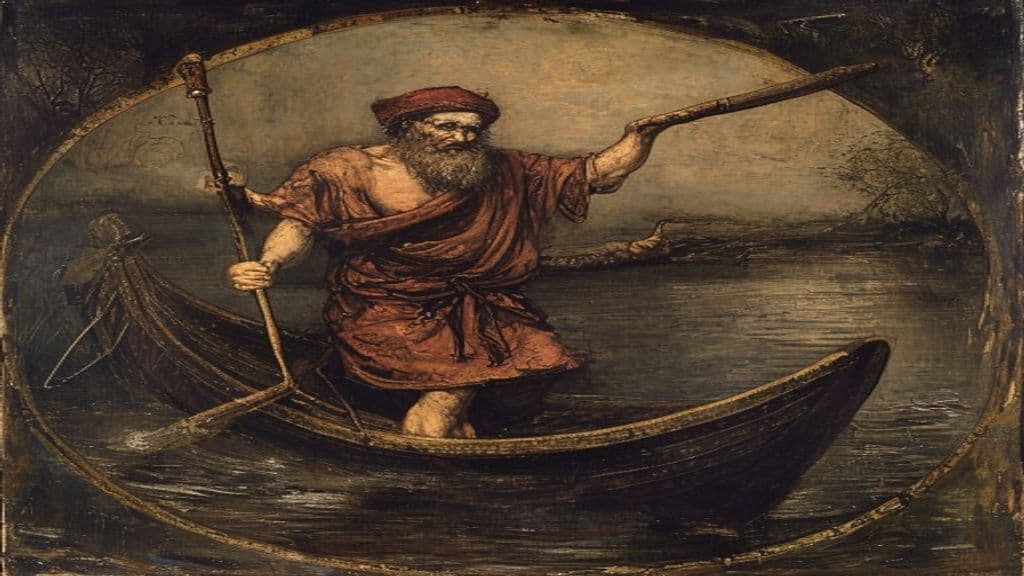
Charon (Χάρων) is the ferryman of the Greek underworld who conveys the souls of the dead across the boundary river (variously Acheron or Styx). He functions as an underworld attendant and psychopomp whose service typically requires funeral rites and payment (Charon's obol).

Charon's Obol
Primordial

Charon's Obol

In Roman tradition, Charon's obol is a payment or bribe given to Charon, the ferryman of the dead, to ensure safe passage across the afterlife. (Note: - Power tier should be Lesser, as it's a payment or bribe, not a cosmic entity. - Remove mention of supernatural powers, as the text states it serves as a payment for Charon's services. - Add that the)

Charun
Lesser

Charun

An Etruscan chthonic attendant and psychopomp depicted in funerary art; Charun escorts the dead to the underworld and appears in grotesque, monstrous form often bearing a hammer. He is typically an underworld functionary rather than the sovereign ruler of the dead.

Charybdis
Greater

Charybdis

In Greek myth, Charybdis is a sea-associated monstrous force localized to the Strait of Messina, treated in sources either as an anthropomorphized sea-monster or as a violent whirlpool/stream that three times a day swallows and belches the sea. Paired with Scylla, she functions as an unavoidable maritime hazard and proverbial dilemma for voyagers.

Chaturbhuja
Greater

Chaturbhuja

Hindu iconographic concept of a deity with four arms, symbolizing power and divinity in Hindu art and literature. (Note: - Power tier should be "Ancient" or even "Primordial", given that it represents a concept associated with deities and symbols of cosmic power. - Abilities claim is partially accurate but could be clea)

Chax (Shax)
Lesser

Chax (Shax)

Chax (also spelled Shax) is a named spirit attested in modern indices and summaries of Renaissance/early‑modern grimoire material, principally the Ars Goetia/Lemegeton and the Pseudomonarchia Daemonum tradition. The supplied sources record the name in catalogues and reference lists but contain no substantive description, ritual material, or folkloric narratives about the entity.

Chazaqiel
Lesser

Chazaqiel

Chazaqiel is named in modern summaries of the Book of Enoch tradition as one of the leaders among the two hundred Watchers who 'fell'; he is repeatedly glossed in the supplied sources as the teacher of knowledge about clouds or meteorology and is etymologically linked to clouds or sky phenomena.

Chebi Khan (Ashina Hubo)
Lesser

Chebi Khan (Ashina Hubo)

Chebi Khan (Yizhuchebi Khagan; personal name Ashina Hubo) was a historical claimant and later khagan of the Eastern Turkic Khaganate in the mid-7th century CE who rebuilt a measure of Turkic authority after the collapse of the khaganate, before being captured by Tang forces and taken to Chang'an in 650.

Chedorlaomer
Lesser

Chedorlaomer

A foreign king identified in Genesis 14 as 'king of Elam' who leads a coalition of rulers to extract tribute from Levantine city-states and conducts a punitive campaign that results in capture of Lot and subsequent defeat by Abram/Abraham. The name is widely analyzed as an Elamite theophoric compound (Kudur/Kudur- + Lagamar) but lacks uncontested extrabiblical attestation.

Chelidon
Lesser

Chelidon

Chelidon is an attested personal name appearing in modern reference works as belonging to multiple figures in Greek mythology; the provided sources do not supply narrative, descriptive, or cultic details for any specific Chelidon figure. The name also appears in 20th-century English-language newspapers as the name of a ship or crew, but those usages are not linked to mythic narratives in the supplied materials.

Chelone
Minor Spirit

Chelone

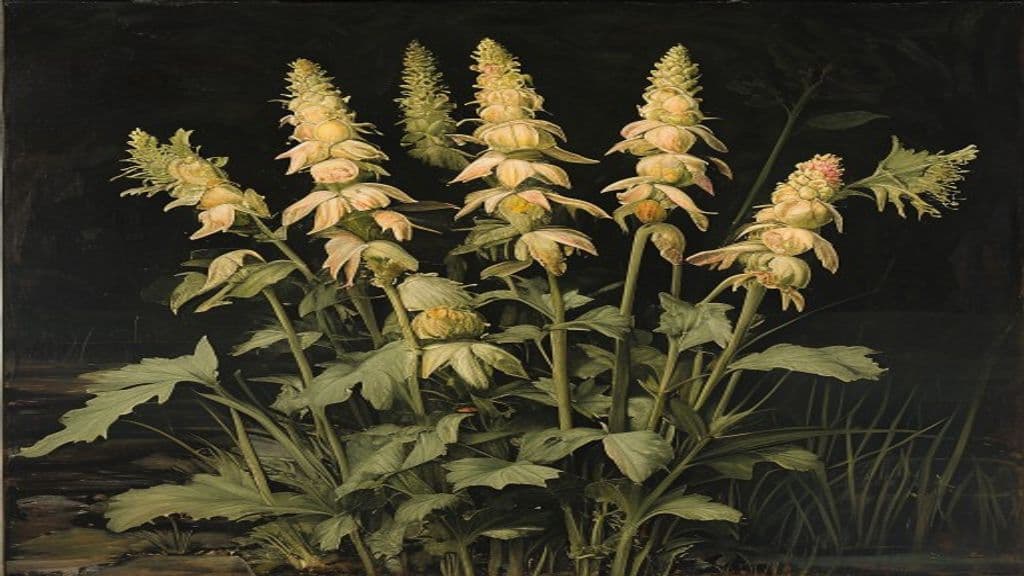
Chelone is primarily documented as a botanical genus of perennial plants native to eastern North America (commonly called turtlehead or balmony) and secondarily as the name of a nymph attested in classical Aesopic fable tradition. The sources provide horticultural, taxonomic, and herbal-medicinal information for the plants and only a brief literary mention for the mythic name.

Chemical King
Greater

Chemical King

Chemical King is a fictional DC Comics character (codename) first appearing in Adventure Comics #371 (1968) as a member of the Legion of Super‑Heroes in the 31st century; his civilian/given name is Condo Arlik, born on the planet Phlon. He is portrayed as a metahuman able to accelerate or decelerate chemical reactions, and his narrative history across DC editorial reboots includes a canonical death (Superboy and the Legion of Super‑Heroes #228, 1977), a post-Zero Hour repurposing, and a restored-deceased status in Final Crisis: Legion of 3 Worlds #1.

Chen Fu Zhen Ren
Lesser

Chen Fu Zhen Ren

Chen Fu Zhen Ren (陳府真人; Hokkien: Tan Hu Cin Jin) is a deified ancestral/tutelary figure venerated in East Java, Bali, and Lombok. Centered on a historical/legendary migrant craftsman who became a local immortal, his cult is maintained in Chinese temples and by indigenous Kejawen practitioners and functions as a protective, communal ancestor patron.

Chen Jinggu (陳靖姑)
Greater

Chen Jinggu (陳靖姑)

Chen Jinggu is a historical‑legendary Taoist woman venerated as a protective goddess of women, pregnancy, childbirth, children, and coastal communities in Fujian and Taiwan. Remembered as a Lushan‑school priestess who used ritual power to end a drought and vanquish a white snake, she was later honored in temples and mediumship and is incorporated into modern maritime devotional calendars.

Chenghuangshen (City God)
Greater

Chenghuangshen (City God)

Chenghuangshen (城隍神), commonly called the City God, is a tutelary deity in Chinese folk religion tied to a specific settlement. Historically associated with a city's walls and moat, the deity functions as protector of local affairs and as a local official in the postmortem ordering of souls for that place.

Cheonyeo Gwishin (Virgin Ghost)
Lesser

Cheonyeo Gwishin (Virgin Ghost)

Cheonyeo gwishin is a subtype within the Korean category of gwisin: spirits/ghosts of humans who have died. The available sources identify gwisin as human-derived spirits distinct from non-human folkloric beings (e.g., dokkaebi) and note that contemporary media often depicts such ghosts as liminal, socially isolated figures.

Cherchen (Chercheny)
Minor Spirit

Cherchen (Chercheny)

No folkloric entity named 'Cherchen' or 'chercheny' is described in the supplied sources. The term appears only as the toponym for the oasis town Qiemo (Cherchen) in Xinjiang and as a travel-route waypoint in 19th–20th century European travel literature and Cold War-era documents.

Cherin
Minor Spirit

Cherin

Cherin is attested in medieval pseudo-history as a legendary king of the Britons in Geoffrey of Monmouth's Historia Regum Britanniae; later the string appears as a modern given name and surname in various secular contexts. The available sources record genealogical placement and modern name usages but do not present Cherin as a supernatural being.

Chernava
Lesser

Chernava

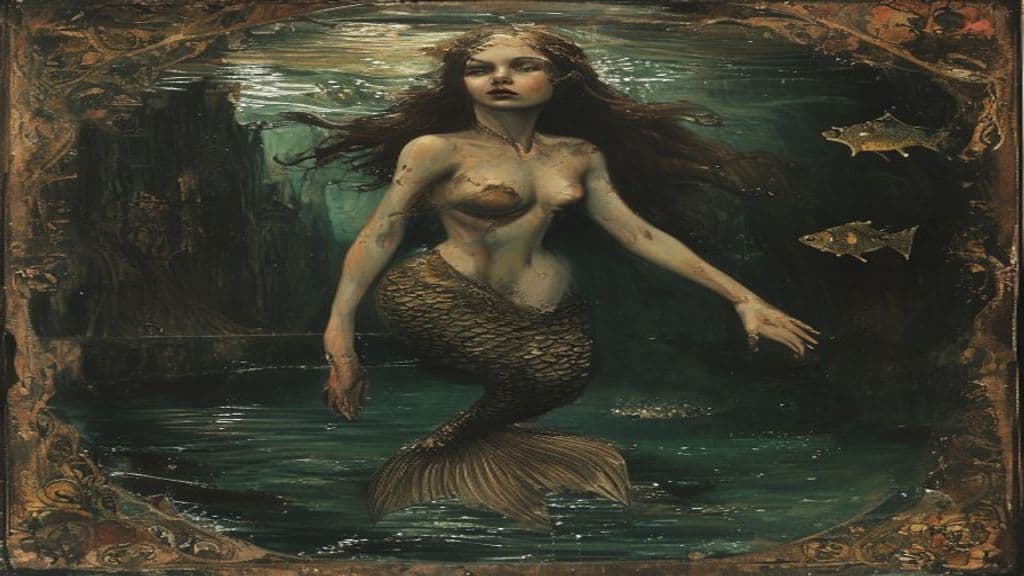
Chernava is a water spirit in East Slavic (Russian) folklore portrayed as a mermaid and the personification of the river Chernava; in the Sadko bylina she is presented as one of the Sea Tsar's daughters (in some versions, his niece) who aids the hero by transforming into the river Chernava and returning him to the human world.

Chernobog and Belobog
Lesser

Chernobog and Belobog

A pair of opposing divine names recorded by medieval and early modern Christian chroniclers for West Slavic contexts: Chernobog ('Black God') associated with adverse fortune and harm, and Belobog ('White God') presented as a beneficent counterpart. Their historicity and status in pre-Christian Slavic religion are disputed; Chernobog is attested earliest (12th c.), while Belobog appears in much later sources and may be a later contraposition.

Chernoglav
Lesser

Chernoglav

Chernoglav (Old Icelandic Tjarnaglófi; Polish Chernogłów/Chernoglov) is a sparsely attested local war or victory deity reported in medieval Old Icelandic accounts of Rügen (Jasmund). The Knýtlinga saga describes him as a god of victory who 'went with them on military campaigns' and records that his cult resisted Christianization longer than some others before being taken years later.

Chersidamas
Lesser

Chersidamas

The name Chersidamas (Χερσιδάμας) refers to two distinct mortal princes in Greek myth: a Taphian prince, son of Pterelaus, listed among brothers slain in a dynastic feud; and a Trojan prince, a son of Priam, who is said to have been killed by Odysseus during the Trojan War.

Cherub
Ancient

Cherub

In Abrahamic religious literatures a cherub (Hebrew kərūḇ, pl. kərūḇīm; English cherub/cherubim) is a class of exalted celestial being associated with the divine presence, guardianship of sacred space, and service near God. Descriptions range from the composite, winged hybrid creatures of prophetic visions and Near Eastern art to later Western artistic renderings as chubby winged putti; their rank and appearance vary across Jewish, Christian, and Islamic traditions.

Cherubim
Ancient

Cherubim

Cherubim are a class of non-human, winged supernatural beings in the Abrahamic religious corpus and related traditions. They function primarily as guardians and attendants of a divine presence—appearing around thrones, the Ark, sacred trees, and in liturgical representation—and the term has been adopted in various devotional and modern cultural contexts.

Chervona Ruta
Minor Spirit

Chervona Ruta

Chervona Ruta (Ukrainian: Червона рута, lit. 'Red Rue') is a Ukrainian cultural motif that refers both to a plant of ambiguous identification (variously associated with the rue genus Ruta or with rhododendron) and to a hugely popular song written by Volodymyr Ivasiuk in 1968 which spawned recordings, covers, and a namesake music festival.

Chesias
Lesser

Chesias

Chesias (Ancient Greek: Χησιὰς, Khēsiàs) is a named nymph in Greek mythology, described in the sources as "the fairest of the nymphs," wife of the Samian river-god Imbrasus, and mother of the Naiad Ocyrhoë. She is attested as a local nature-nymph associated with the island of Samos.

Cheval Bayard
Greater

Cheval Bayard

Cheval Bayard is a named legendary horse that appears in medieval French romance (notably the chansons de geste such as The Four Sons of Aymon) and in later popular retellings. In the supplied materials the figure is presented alternately as a marvelous steed within medieval narrative tradition and, in a small number of modern commentaries, as a mischievous trouble‑making horse used as a storytelling antagonist.

Chevalier Onulphe d’Aa / Ridder Onulfe van Aa
Lesser

Chevalier Onulphe d’Aa / Ridder Onulfe van Aa

A processional giant effigy associated with the municipality of Anderlecht; recorded in a Wikidata entry as a civic festival figure rather than a personal supernatural being. The source gives only name variants and classification as a processional giant, with no further descriptive or narrative detail.

Chhaya
Lesser

Chhaya

Chhaya (Sanskrit: छाया, Chāyā) is the personified goddess of shadow in Hindu tradition, presented in myth as a shadow-image or substitute-consort of the sun god Surya. She functions within the solar household as a standing-in wife and mother of notable offspring (notably Shani, Tapti, and Savarni Manu) and figures in narratives that explain aspects of cosmic order and lineage.

Chhinnamastā (Chhinnamasta)
Ancient

Chhinnamastā (Chhinnamasta)

Chhinnamastā is a fierce Hindu mother-goddess of the Tantric Mahavidya group, commonly depicted self-decapitated and associated with transformative, death-and-life symbolism within Shakta/Tantric sadhana. She is worshiped in esoteric ritual contexts and has an established cult presence (notably a Shakti Peetha temple in eastern Nepal).

Chi (螭)
Lesser

Chi (螭)

Chi (螭) is attested in the provided sources only as an entry on a general disambiguation page identifying 螭 as "a dragon" within a Chinese lexical/mythological listing. No further mythological, ritual, or descriptive information about this entity is present in the supplied materials.

Chiaffredo
Lesser

Chiaffredo

Chiaffredo is a locally venerated Christian saint in Piedmont, Italy, regarded as patron of Saluzzo. The cult centers on a discovered skeleton/relics near Crissolo and functions within Catholic devotional practice (pilgrimage, indulgences, relic translation), with later legendary association to the Theban Legion and disputed historicity.

Chibados
Lesser

Chibados

Chibados are a historically attested third‑gender social and ritual role found among the Ndongo and neighboring Angolan cultures: male‑assigned people who lived and presented as women and who served as institutionalized diviners, ritual specialists, and political actors in precolonial court contexts.

Chibafruime
Lesser

Chibafruime

Chibafruime (also spelled Chibrafruime) is recorded in colonial and modern summaries as a minor Muisca deity identified as a god of war. Surviving references are sparse and derive largely from later compilers and brief encyclopedia entries; tales mentioning the figure have been noted in several Muisca localities.

Chibchacum
Greater

Chibchacum

Chibchacum is the Muisca rain-and-thunder god who, according to recorded myth, sent great rains and floods and was punished by the culture-hero Bochica; earthquakes are explained as Chibchacum shifting the heavy burden he was forced to bear.

Chicham spirit-soul traditions (Arutam, Nungüi)
Greater

Chicham spirit-soul traditions (Arutam, Nungüi)

Cluster of interrelated spirit and soul concepts in Chicham (Jivaro) cosmologies, most notably the personal protective soul arutam and the garden/mother spirit Nungüi; beliefs govern protection, sickness, agricultural fertility, shamanic practice, and socially regulated rituals such as killing to renew souls.

Chicomecōātl
Ancient

Chicomecōātl

Chicomecōātl is an Aztec (Mexica) goddess of maize, nourishment, and agricultural fertility. She functions in ritual life as a source of seed and sustenance, is closely associated with seed designation at harvest festivals, and embodies both nurturing and potentially harmful aspects tied to crop success or failure.