Entity Index

A record of the unseen, drawn from world folklore.

7635 entities · page 38 of 128

Calyce
Lesser

Calyce

Calyce is a personal name borne by several minor women in Greek mythic genealogies and nymph-lists. Bearers of the name appear as a Nysiad who nursed the young Dionysus and as various mortal princesses or matrons (e.g., a daughter of Aeolus, a wife of Aethlius, and an occasional mother of Endymion or of Cycnus) across competing local traditions.
Calydon (son of Aetolus)
Lesser

Calydon (son of Aetolus)

Calydon (Ancient Greek: Καλυδών, Kalydōn) is an eponymous mythic figure recorded in Greek tradition as the son of Aetolus and the namesake of the city and plain called Calydon in Aetolia. Sources treat him as a genealogical/foundational ancestor within local royal genealogies rather than as a deity or active supernatural agent.

Calydonian Boar
Greater

Calydonian Boar

A singular monstrous boar sent by the goddess Artemis (Diana) to ravage Calydon in Aetolia as punishment for a king's failure to honour her rites. The beast functions in Greek myth as a tangible incarnation of divine wrath that provokes the assembly of renowned heroes—notably Meleager and Atalanta—for a great hunt whose outcome produces both heroic glory and social conflict.

Calypso
Lesser

Calypso

Calypso is a name attested across many cultural registers; within classical-mythological mention in the supplied sources it appears as a nymph who detained Odysseus for seven years. The provided materials are primarily a disambiguation of uses (places, music, taxa, media) rather than a sustained folkloric dossier on a single spirit-entity.

Camael
Greater

Camael

Camael is presented in mainstream Christian angelology as an archangel associated with love, peace, and harmony. Separately, an archival excerpt uses the same name for a spirit described as a 'demon' who appears in dreams and to those who summon him and who instructs humans in violent and sexualized acts; these are distinct, conflicting portrayals in the supplied sources.

Camarina (Καμάρινα)
Lesser

Camarina (Καμάρινα)

Camarina is an Oceanid in Greek mythic/toponymic tradition, presented as a daughter of Oceanus and the eponymous nymph of the ancient city Kamarina (Camarina) in southern Sicily. She is understood as a localized water-nymph who personified the town's water-source (spring or fountain) and served as the city's divine namesake.

Camaxtle (Mixcoatl)
Greater

Camaxtle (Mixcoatl)

Camaxtle (also spelled Camaxtli) identified with Mixcoatl is a Mesoamerican deity of the hunt who is associated with the Milky Way, the stars, and the heavens and served as a patron god for groups such as the Otomi and Chichimecs and as a central cult figure in Huejotzingo and Tlaxcala.

Camazotz
Lesser

Camazotz

Camazotz is a bat-associated spirit in Late Post‑Classic Kʼicheʼ Maya narrative (notably the Popol Vuh) and a recurring bat motif in Classic Maya iconography. In the Popol Vuh Camazotz appears as bat-like beings serving the lords of Xibalba who attack the Hero Twins; Classic imagery links leaf‑nosed bats to night, death, disease, and nahual (way‑spirit) functions.

Cambrinus
Minor Spirit

Cambrinus

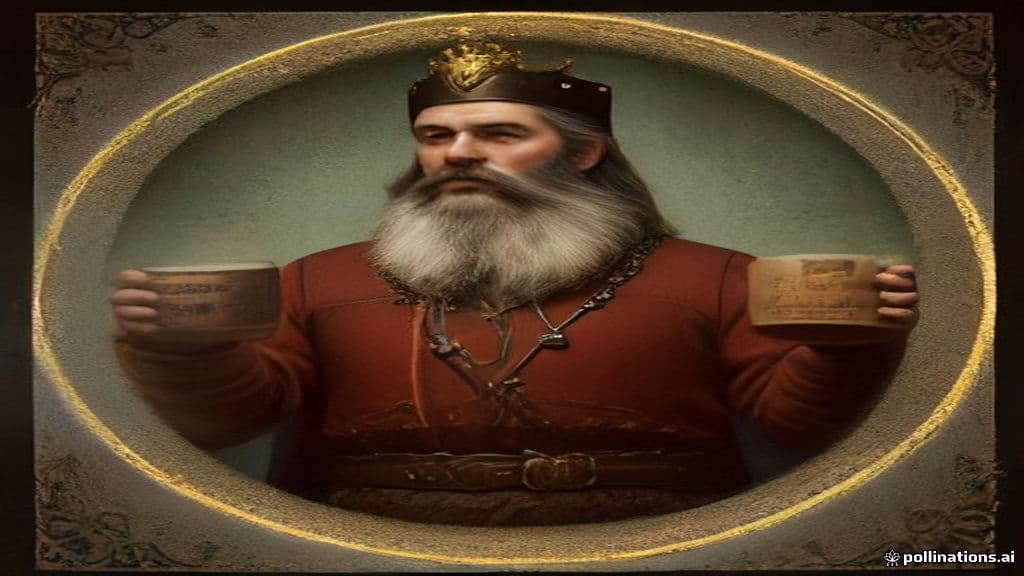
Cambrinus (also spelled Gambrinus) is a legendary European culture-hero and emblematic figure associated with beer, brewing, and conviviality. Represented in visual culture as a rotund, bearded duke or king bearing a tankard, he appears in literature and civic performance (including as a processional giant) and has been adopted as a commercial and associative name in municipal contexts.

Camenae
Lesser

Camenae

The Camenae are a group of Roman female deities associated with springs, wells, childbirth, and prophetic or poetic inspiration. In Roman literary tradition they were later identified with the Greek Muses and invoked as sources of poetic breath and occasional protectors in labor.

Camilla
Lesser

Camilla

Camilla is a legendary Volscian warrior maiden appearing in Virgil's Aeneid (Book 11). Presented as an exceptional human fighter and huntress who leads Volscian forces against the Trojans, she is celebrated for her speed and martial skill and is slain in battle during the Latium wars.

Camulus
Lesser

Camulus

Camulus (Gaulish Camulos) is a named divine figure of the Roman-period Celtic world, attested primarily in Latin votive inscriptions across northern Gaul, parts of the German provinces, Britain and occasional farther finds. In the epigraphic record he is regularly equated with the Roman god Mars (Mars Camulus) and appears to have functioned as a local or tribal protector, especially associated with the Remi of Durocortorum (Reims).

Cancer (the Crab)
Lesser

Cancer (the Crab)

In Greek myth and uranography, Cancer is a large crab or crayfish that appears as a minor antagonist in the Heracles cycle (sent against Heracles during the Lernaean Hydra episode) and is immortalized as the constellation Cancer, a member of the Zodiac.

Candybus
Minor Spirit

Candybus

Candybus (Ancient Greek Κάνδυβος, Kándubos) is a mythic prince attested in Greek genealogical tradition as a child of Deucalion and probably Pyrrha, and is reported by later lexicographers to be the eponym of the Lycian town Kandyba. He appears only in brief onomastic/genealogical notices rather than as a developed mythic character.

Candyman
Greater

Candyman

A modern urban-legend ghost figure originating in Clive Barker’s short story and adapted into a film franchise; Candyman is a named, summoned presence bound to a violent historical death and sustained by stories, belief, and traumatic community memory. In the films he is most commonly invoked by speaking his name repeatedly into a mirror and appears as a violent, hook‑handed apparition tied to histories of racial injustice in an urban housing setting.

Canotila
Lesser

Canotila

Canotila (Lakota: čanotila) are small tree‑dwelling forest spirits in Lakota (Sioux) tradition, described as little tree dwellers who function as messengers from the spirit world and are reported to appear to people in dreams.

Cantabrian Neptune
Minor Spirit

Cantabrian Neptune

A Roman-name sea-deity invoked in ritual contexts along the Cantabrian coast; attested in fragmentary sources as the sacred agent associated with the open sea in local ritual taxonomy rather than a richly attested autonomous Cantabrian personality.

Cantabrian brown bear
Minor Spirit

Cantabrian brown bear

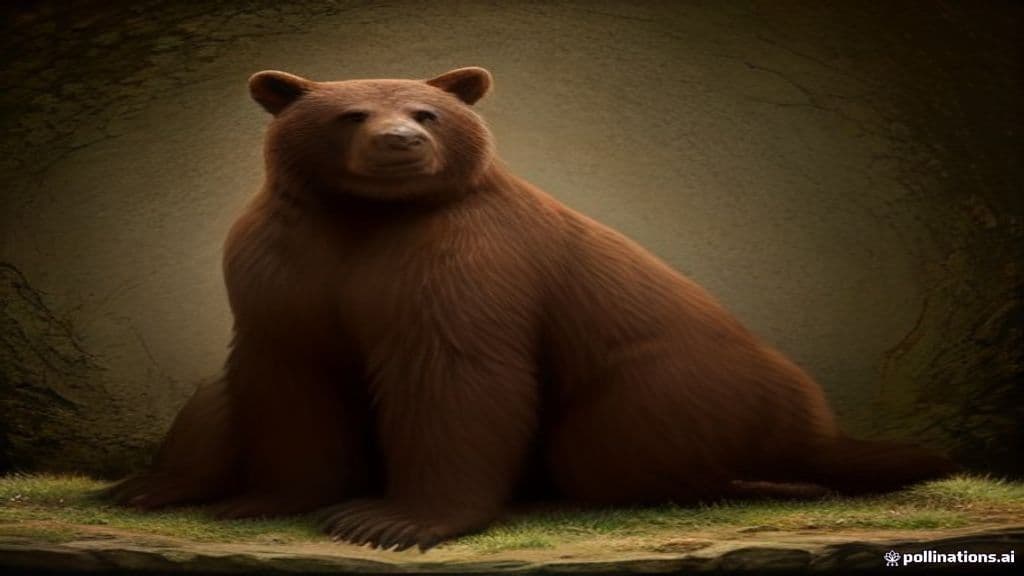
A remnant population of the Eurasian brown bear (Ursus arctos arctos) confined to the Cantabrian Mountains of northern Spain, treated in scientific and conservation contexts as a distinct local population with significant ecological and conservation importance.

Canterbury Panther
Lesser

Canterbury Panther

A New Zealand urban-legend of a large black panther or "Canterbury Cat" said to roam the Canterbury Region. Reported sporadically from before the 1970s into the 21st century, the phenomenon is treated in sources as modern phantom-cat sightings subject to civic investigation and scientific demystification.

Caoineag
Minor Spirit

Caoineag

The 'Weeper' of Scottish Highland tradition — an invisible spirit heard wailing near waterfalls before a disaster befalls a clan, a Highland variant of the Irish Banshee.

Cap-o'-Rushes
Lesser

Cap-o'-Rushes

Cap-o'-Rushes is the title and heroine of an English folktale collected by Joseph Jacobs. The story is classed among international folktale types (principally ATU 510B) and opens with the 'Love Like Salt' motif; it tells of a daughter who disguises herself in a garment of rushes, works as a kitchen maid, attends secret balls, causes recognition by hiding a ring in a dish, and engineers reconciliation by ordering a saltless wedding feast so her father remembers his earlier words.

Capaneus
Lesser

Capaneus

Capaneus (Ancient Greek Καπανεύς) is a mortal warrior of the generation known as the Seven against Thebes, famed in Greek and Roman literary tradition for exceptional size and strength and for extreme pride; his taunt that even Zeus could not stop him results in divine execution by a thunderbolt as he scales the walls of Thebes. Later authors (Statius, Dante) reuse him as a figure illustrating hubris and blasphemy.

Capella
Minor Spirit

Capella

Capella (α Aurigae) is the brightest star in the northern constellation Auriga, historically named for a goat (Latin Capella, Greek Aix) and treated across cultures as a calendrical and weather sign as well as an architectural orientation marker. Astronomically it is a quadruple star system composed of two close yellow-giant primaries and a distant pair of red dwarfs and is one of the sky's brightest X-ray sources.

Capetus Silvius
Lesser

Capetus Silvius

Capetus Silvius is a legendary ancestral king in early Roman/Latin foundation tradition, listed among the kings of Alba Longa and presented in genealogical/regnal sequences as a descendant of Aeneas and a dynastic link to later eponymous figures such as Tiberinus.

Capheira
Lesser

Capheira

Capheira (also Kapheira) is a Rhodian Oceanid (Okeanid) nymph in Greek mythology, attested as one of the daughters of Oceanus who, together with the Telchines, was entrusted by Rhea to nurse and protect the infant god Poseidon. She appears in concise mythographic summaries but lacks independent cultic or iconographic attestation in the supplied sources.

Capitoline Triad
Ancient

Capitoline Triad

A state-centered collective cult in ancient Roman religion grouping three major deities — Jupiter, Juno (Iuno Regina) and Minerva — worshipped together in a shared temple (Capitolium) on Rome's Capitoline Hill. The Triad functioned as the chief focus of Roman public religion and was replicated as Capitolia in other cities of Italy and the provinces.

Capon
Minor Spirit

Capon

A capon is a castrated or chemically sterilized male chicken fattened for food. The term and its documented attributes are agricultural and culinary; sources do not describe a supernatural or folkloric entity by this name.

Captain 3-D
Greater

Captain 3-D

Captain 3-D is a fictional superhero created for a 1953 Harvey Comics title by Joe Simon and Jack Kirby. In the comic's internal biography he is the Chosen One, the last survivor of an ancient humanoid civilization preserved in a specially prepared Book of D and intermittently released into the modern world by a special pair of glasses developed by Professor Five.

Captain Atom
Greater

Captain Atom

Captain Atom is a fictional American comic-book superhero originally published by Charlton Comics (1960) and later incorporated into DC Comics. Portrayed across multiple continuities, he is a human transformed by an atomic/energy incident into an energy‑based being who serves variously as a military‑affiliated operative, lone superhuman, member of teams such as the Justice League, and — in some storylines — a figure whose unstable energy nature poses large-scale risks.

Captain Barbell
Greater

Captain Barbell

Captain Barbell is a Filipino comic‑book superhero created by Mars Ravelo who first appeared in Pinoy Komiks in 1963; an ordinary man or youth transforms via a magical barbell or medallion and becomes a powerful defender figure in serialized popular narratives (comics, films, TV, animation).

Captain Boom
Minor Spirit

Captain Boom

Captain Boom is a Filipino comic-book superhero created by Mars Ravelo who first appeared in 1966. A human costumed crime fighter, his abilities are depicted as produced through sonic means; the character was adapted for Philippine television in 2008 as Kapitan Boom.

Captain Britain
Minor Spirit

Captain Britain

A superheroic title from Marvel Comics applied to human champions associated with Britain/the British Isles. Originating with Brian Braddock in Marvel UK publication, the mantle has been held by multiple characters (notably Brian and his twin Betsy Braddock) and was developed into a multiversal concept—the Captain Britain Corps—within Marvel's internal cosmology.

Captain Carrot and His Amazing Zoo Crew!
Minor Spirit

Captain Carrot and His Amazing Zoo Crew!

A DC Comics property and superhero team of anthropomorphized, talking-animal characters who serve as costumed protectors on the parallel Earth known as Earth‑C. The franchise comprises a 1982–1983 comic series, origin material tying the team to Superman and a meteor event, and later reappearances in mainstream DC titles and miniseries.

Captain Cold
Lesser

Captain Cold

Captain Cold (Leonard Snart) is a supervillain appearing in DC Comics who adopts an ice/cold-themed persona and employs a technologically engineered "cold gun" in criminal enterprises. He is a recurring antagonist of the Flash, leader of the Rogues in many continuities, and a character adapted into television media (Arrowverse).

Captain Comet
Greater

Captain Comet

Captain Comet (Adam Blake) is a DC Comics superhero, a human metahuman described in-source as the 'first man of the future' whose metagene was triggered by a comet at his birth. Introduced in the 1950s Strange Adventures series, he functions as a solo adventurer and occasional team member in Earth- and space-spanning science-fiction stories.

Captain Deudermont
Lesser

Captain Deudermont

Captain Deudermont is a mortal human naval captain and recurring character in the Forgotten Realms novels. He commands the ship Sea Sprite, fights pirates along the Sword Coast, and acts as a reformer/leader in plotlines involving the city of Luskan and related maritime voyages.

Captain Nazi (Baron Albrecht Krieger)
Greater

Captain Nazi (Baron Albrecht Krieger)

Captain Nazi (Baron Albrecht Krieger) is a fictional superhuman antagonist created in American comic books (Fawcett Comics; later DC Comics). Introduced in Master Comics #21 (December 1941), he was presented as a genetically engineered 'perfect specimen' created to fight for Adolf Hitler and the Axis powers and later reappears in modern continuities as a revived or re-used Neo‑Nazi-themed antagonist.

Captain Triumph
Greater

Captain Triumph

Captain Triumph is a Golden Age American comic-book superheroal persona: Lance Gallant, who merges with the ghost of his dead twin Michael by touching a T-shaped birthmark and becomes a costumed wartime-era crimefighter. Created for Quality Comics' Crack Comics (first appearance January 1943), he functions as a patriotic pulp champion rather than a traditional folkloric spirit.

Captain Ultra
Greater

Captain Ultra

Captain Ultra is a Marvel Comics costumed superhero persona (primary civilian identity Griffin Gogol; an alternate 2099 variant named Morty Gogol exists in Marvel Year‑in‑Review material). Introduced in Fantastic Four #177 (1976), the character was created within a comics spoof context and has appeared sporadically in comics and animated adaptations, characterized by broad superhuman abilities counterbalanced by a severe fear of fire.

Captain Universe
Ancient

Captain Universe

A comic-book persona produced when the extra-dimensional Uni‑Power (an emissary of the Enigma Force) bonds with a host, temporarily granting that individual cosmic energies and the mantle of 'Captain Universe' to address crises across scales.

Capys
Minor Spirit

Capys

Capys is a personal name in Greco‑Roman legendary history borne by several legendary human figures connected to the Trojan and early Roman genealogies. Bearers of the name appear as a king of Dardania, a Trojan who warned against bringing the wooden horse into Troy, and a mythic king of Alba Longa in Roman annalistic tradition; a later Victorian poet (Macaulay) renders a Capys figure as a prophetic elder.

Caradoc
Lesser

Caradoc

Caradoc is a semi-legendary heroic/ancestral figure from Welsh and Arthurian tradition, remembered in medieval genealogies and romances as a ruler of Gwent and as a Knight of the Round Table. He is treated in the sources as a human hero whose life is affected by wondrous events (enchantment, serpent-affliction, knightly tests) rather than as an independently supernatural being.

Caradocus (Karadawc)
Lesser

Caradocus (Karadawc)

Caradocus (Middle Welsh: Karadawc) is a legendary Cornish ruler attested in medieval pseudo‑histories, principally Geoffrey of Monmouth's Historia regum Britanniae, where he functions as a noble counselor, envoy, and peacemaker in the narrative linking Britain and Magnus Maximus. He is presented as a historical/legendary human figure rather than a supernatural being.

Caradog ap Bran
Lesser

Caradog ap Bran

Caradog ap Bran is a legendary Welsh prince, son of Bendigeidfran (Bran the Blessed), known from the Second Branch of the Mabinogi (Branwen ferch Llŷr) and medieval triadic lists. He is presented as a senior chieftain left to defend Britain whose men are slain during Caswallawn's treachery, and who dies of grief at their deaths.

Carassa de Barcelona
Minor Spirit

Carassa de Barcelona

No reliable information about a folkloric or supernatural entity called 'Carassa de Barcelona' is present in the supplied sources. References in the materials relate to Barcelona's street naming, Christmas markets, and neighborhood culture, but none document an entity by this name.

Carbuncle (heraldry)
Minor Spirit

Carbuncle (heraldry)

A heraldic charge consisting of eight radii or spokes: four forming a common cross and four forming a saltire. The term 'carbuncle' also names a deep-red cabochon gemstone (usually almandine garnet) and, separately, a folkloric legendary creature in South American tradition associated with gemstones; however, in the sources provided the heraldic sense is a visual emblem rather than a supernatural being.

Cardys
Minor Spirit

Cardys

Cardys is not attested in the provided sources as a coherent supernatural being; the name appears primarily as a surname, a set of toponyms (Cardy, Missouri; Cardys Rock), and as a short early‑modern printed title element ('The boke of the new cardys...'). A single Wikidata line lists 'Cardys' as a 'mythical Cretan, father of Clymenus,' but no supporting mythographic material is provided in the available sources.

Caribou Mother
Ancient

Caribou Mother

An Inuit deity described as the maternal source and protector of caribou herds and, in some texts, the owner of all land animals. She is depicted as ancient and gigantic and is implicated in regulating human behaviour toward animals, especially in the context of hunting.

Carme
Minor Spirit

Carme

Carme is a name listed in modern reference works as belonging to a figure in Greek mythology, but the supplied sources contain no substantive mythological account. The available material attests the name in several modern and astronomical usages and points to a disambiguation entry noting a mythological figure without providing details.

Carmen (Roman Tradition)
Ancient

Carmen (Roman Tradition)

A carmen is a type of supernatural entity or force in Roman tradition, used for expiation and execration through verbal incantations and rituals. (Note: - Power tier should be Primordial (cosmic-level entity as described in source material) - Add sensory cues, weaknesses, and wards based on the abilities of a carmen (e.g., incantations and rituals may)

Carmenta
Ancient

Carmenta

Roman goddess of prophecy, worshipped for her abilities to gaze backwards and forwards in time. (Note: * Power tier should be Primordial, not Ancient (Ancient is typically reserved for deities on a cosmic level, while Primordial would fit better with Carmenta's role as an ancient Roman goddess). * Appe)

Carmine Falcone
Lesser

Carmine Falcone

Carmine Falcone is a fictional Italian-American organized-crime boss in DC Comics and related media, portrayed as the patriarchal head of a Gotham crime family whose influence extends into civic institutions. He is a non-supernatural antagonist who operates through corruption, violence, and patronage and appears across multiple continuities and adaptations.
Carmán (Carman)
Greater

Carmán (Carman)

Carmán is a foreign female warrior-sorceress in Irish myth who came from Athens with three sons and used magic to destroy the fruit of Ireland; she is defeated and commemorated by the Tuatha Dé Danann and by a named festival and place‑name in Leinster.

Carnus
Lesser

Carnus

Carnus (also Carneus, Carneius) is a mortal seer from Acarnania in Greek mythic-historical tradition, said to have been instructed in divination by Apollo. He accompanied the Heracleidae/Dorians; his killing by Hippotes prompted Apollo to strike the Dorians with plague and led to consultation of an oracle, banishment of the killer, and the institution of the cult/festival of Apollo Carneius (the Carneia).

Carol Danvers
Greater

Carol Danvers

Carol Susan Jane Danvers is a long-running fictional superhero originating in Marvel Comics and adapted into the Marvel Cinematic Universe. She is a human Air Force officer whose genetic structure is fused with Kree physiology via the Psyche-Magnetron in comics, producing superhuman powers; she has appeared under aliases including Ms. Marvel, Binary, Warbird, and Captain Marvel and functions as a prominent transmedia symbol of female empowerment.

Carol Ferris
Lesser

Carol Ferris

Carol Ferris is a fictional human character in the DC Comics universe who serves as an aerospace executive and longtime romantic interest of Hal Jordan. In the comics she has been the primary host for the Star Sapphire gem/persona and is associated with the emotional-entity called the Predator within Lantern Corps cosmology.

Caroline Keene "Carrie" Kelley
Lesser

Caroline Keene "Carrie" Kelley

Caroline Keene "Carrie" Kelley is a fictional human superheroine created by Frank Miller for his Dark Knight trilogy of Batman graphic novels (1986–2017). In that alternate-continuity narrative she becomes Batman's adolescent sidekick (Robin), later adopting other costumed identities (Catgirl, later presented in a Bat-themed outfit) and serving as a leader of younger operatives within Miller's Gotham.

Carystus
Lesser

Carystus

Carystus is an eponymous mythic ancestor and local heroic figure associated with the town of Carystus (modern Karystos) on Euboea. In the surviving modern summaries of classical material he is presented as a son of the centaur Chiron and the nymph Chariclo and as a genealogical/name-giving figure rather than as a narratively active deity.

Casa Romuli
Primordial

Casa Romuli

Historical archaeological site associated with the legendary founder and first king of Rome, Romulus. Significant cultural and historical impact. (Note: 1. Power tier: Change to "Greater" since it's associated with a historical archaeological site and not a cosmic or deity-level entity. 2. Add sensory cues, weaknesses, and wards based on source materi)

Casamiquelia
Minor Spirit

Casamiquelia

Casamiquelia is not attested as a folklore or supernatural entity in the supplied sources. The available materials are paleontological and taxonomic references; they do not describe Casamiquelia as a spirit, deity, monster, or ritual actor.