Entity Index

A record of the unseen, drawn from world folklore.

7685 entities · page 48 of 129

Cynortas
Lesser

Cynortas

Cynortas (Ancient Greek Κυνόρτας / Κυνόρτης) is a legendary king of Sparta known from Greek mytho-historical genealogies. He is presented in the sources as a member of the Spartan royal lineage — son of Amyclas and Diomede, successor to his brother Argalus, and father of either Oebalus or Perieres — and his tomb was said to have been shown near Scias at Sparta.

Cynosura
Minor Spirit

Cynosura

Cynosura (Ancient Greek: Κυνοσούρα, lit. 'dog's tail') is named in modern summaries of Greek myth as an Idaean nymph from Crete who helped nurse and conceal the young Zeus during his early years when he was hidden. The figure is attested in concise modern reference entries; additional uses of the lexical form 'Cynosura' in Greek place-names and star-lore are recorded but distinct from the nymph as presented in the supplied material.

Cynurus
Minor Spirit

Cynurus

Cynurus (Ancient Greek: Κύνουρος, Kúnouros) is an eponymous genealogical figure of Greek tradition, recorded as a son of the hero Perseus who led a colonial movement from Argos into the district called Cynuria. He functions in the sources as an ancestral founder and name-giver rather than as a supernatural being.

Cyphus (Κύφος)
Minor Spirit

Cyphus (Κύφος)

Cyphus (Ancient Greek: Κύφος) is attested in classical sources as a town of Perrhaebia in ancient Thessaly, cited in Homer’s Catalogue of Ships as supplying 22 ships for the Trojan War and placed by Strabo at the foot of Mount Olympus. The name also appears in modern contexts (taxonomic entry, digital usernames, and media metadata) but the supplied sources do not present Cyphus as a supernatural being.

Cypress of Kashmar
Minor Spirit

Cypress of Kashmar

A sacred cypress tree in Persian tradition, symbolizing the spread of Zoroastrianism. (Note: 1. Power tier is too low; based on its significance in Zoroastrian tradition, it should be Primordial. 2. Add sensory cues such as the scent of cedar or pine associated with cypress trees, and possibl)

Cyrene
Lesser

Cyrene

Cyrene is an eponymous ancient Greek mythological heroine associated with the North African city of Cyrene and remembered chiefly as a mortal lover of the god Apollo and as an aetiological figure whose name is applied to place and artistic types in Greco-Roman culture.

Cyric (tradition)
Minor Spirit

Cyric (tradition)

The name "Cyric" appears in disparate, unrelated contexts in the provided sources: as the name of a fictional deity listed in a Dungeons & Dragons deities compilation, as the Latinized personal name 'Cyricus' in a Christian martyr pair (Cyricus and Julitta), and as a modern digital creator/username credited on 3D model assets. The materials do not document a single, coherent folkloric or religious entity named Cyric.

Cytherean
Primordial (Cosmic)

Cytherean

In Greek mythology, the Cytherean is a nymph associated with the island of Kythira and its connection to Poseidon. (Note: - Power tier should be Greater (powerful regional), as there's no indication that the Cytherean has cosmic-level powers. - There is no information about the origin story, appearance, abilities, weakne)

Cytherus (Kytheros)
Lesser

Cytherus (Kytheros)

Cytherus (Ancient Greek Κύθηρρος / Κύθηρος; also attested as Cytherum, Kytheron) appears in ancient Greek sources in two distinct registers: as a local river‑god (potamos) of a small Elis stream tributary to the Alpheios, and as a place‑name — one of the twelve cities of ancient Attica that later functioned as a deme. The sources do not present an overlapping narrative uniting the two uses beyond isolated mythic onomastic links (e.g., Pausanias’ note about the Ionides).

Cyttorak
Ancient

Cyttorak

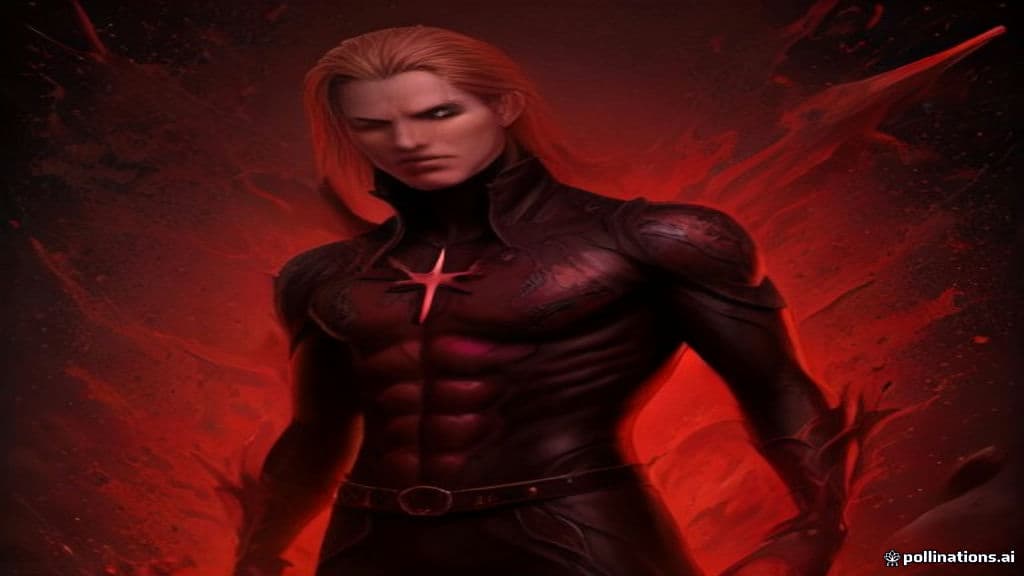
Cyttorak is a long‑lived, extra‑dimensional mystical entity in Marvel fiction who functions as a source of magical power and covenant for mortals. He resides in the Crimson Cosmos and empowers mortal avatars through artifacts (notably the Crimson Gem of Cyttorak) and the enacted magic known as the Crimson Bands of Cyttorak.

Cyzicus
Minor Spirit

Cyzicus

Cyzicus (Ancient Greek: Κύζικος, Kúzikos) is a mytho-historical eponymous king in Greek tradition, presented as ruler of the Dolionians on the southern shore of the Propontis (Sea of Marmara). He is remembered principally as the eponymous founder/leader after whom the city of Cyzicus was named; surviving summaries do not attribute supernatural powers or a distinct cult to him.

Cá Ông (Whale spirit / Whale God)
Lesser

Cá Ông (Whale spirit / Whale God)

Cá Ông is the Vietnamese folk-religious spirit associated with large whales, venerated as a guardian of fishing communities. Coastal communities perform funerary burials for beached whales and hold festivals in the whales' honor, reflecting a protective, reciprocal relationship between fishermen and these whale-spirits.

Cáo (Hồ ly tinh)
Lesser

Cáo (Hồ ly tinh)

This entry documents the absence of information on the Vietnamese fox spirit "cáo" or "hồ ly tinh" in the supplied source set. The provided materials do not describe this supernatural figure; they instead refer to unrelated entries (the historical Cao Cao, the Chinese surname Cao, and unrelated archived web pages).

Cían
Lesser

Cían

Cían is a member of the Tuatha Dé Danann in early Irish narrative tradition, son of the healer Dian Cecht and father of the hero Lugh. He functions as a noble progenitor and narrative catalyst; his slaying by the Sons of Tuireann triggers Lugh’s imposition of éraic (compensation) quests in medieval and later romance material.

Círdan
Greater

Círdan

Círdan is a named Elf in J. R. R. Tolkien's legendarium, portrayed as a shipwright and leader associated with the Grey Havens (Mithlond) who prepares vessels for the westward departure of the Elves from Middle-earth.

Cù Sìth / Cú Sídhe
Lesser

Cù Sìth / Cú Sídhe

A mythic hound in Irish and Scottish Gaelic folklore whose name links the common Gaelic word for 'hound' with the síth/sídhe element associated with the Otherworld; sources identify it as an otherworldly canine comparable in concept to Welsh otherworld hounds. Available documentation for this entry is limited to short encyclopedia-style references (Wikipedia and Wikidata).

Cú Chulainn
Ancient

Cú Chulainn

A legendary Irish warrior-hero and demigod of the Ulster Cycle, Cú Chulainn is the central martial protagonist of the Táin Bó Cúailnge and a culture-constituting figure whose stories were preserved in multiple medieval manuscripts and continue to appear in modern memorial and institutional contexts.

Cú Sídhe
Lesser

Cú Sídhe

The supernatural fairy hound of Celtic tradition — enormous, dark green or white, who hunts in eerie silence and whose triple bark is a death omen.

Căpcăun
Lesser

Căpcăun

A monstrous antagonist in Romanian folktales, the căpcăun is typically depicted as a dog-headed ogre who kidnaps and eats people (especially children and young women). It functions narratively as an embodiment of evil alongside other Romanian monsters such as the zmeu and balaur.

Cŵn Annwn
Lesser

Cŵn Annwn

Cŵn Annwn are the spectral hounds of the Welsh Otherworld (Annwn), portrayed in medieval Welsh tradition as white dogs with red ears that hunt under the authority of Annwn's rulers (notably Arawn and later associations with Gwyn ap Nudd). They appear in Wild Hunt narratives as hunters of game or wrongdoers and as omens of death; later Christian commentators reinterpreted them as 'Hounds of Hell.'

D'Bari
Lesser

D'Bari

The D'Bari are a fictional extraterrestrial, semi-humanoid, plant-like species from Marvel Comics, native to the planet D'Bari IV. Their civilization was nearly annihilated when the Phoenix Force consumed their star during the Dark Phoenix Saga; survivors and individuals appear across subsequent comic stories and adaptations.

D'Spayre
Greater

D'Spayre

D'Spayre is a fictional extradimensional mystical entity from Marvel Comics who sustains himself by feeding on human despair, despondency, fear, and anguish. Presented as a creation of the Dweller-in-Darkness and a member of the Fear Lords, he operates on Earth to manipulate victims' minds and amplify hopelessness for psychic sustenance.

Da Siming
Lesser

Da Siming

Da Siming (大司命) is a deified official-title in Chinese religious-cultural frameworks representing an office that administers and ‘‘makes fine adjustments to human fate.’’ The figure appears in textual and religious contexts as part of a bureaucratic cosmology of cosmic administration and is often presented as one half of a dyadic pair with Shao Siming.

Daayan (Dayan, Ḍāin / Ḍāini)
Greater

Daayan (Dayan, Ḍāin / Ḍāini)

A malevolent female spirit or ghost in Indian folklore, often identified as the restless spirit of a woman who died traumatically or with unresolved circumstances. The vernacular term is frequently rendered in English as 'witch,' but sources emphasize it denotes a post‑mortem vengeful spirit rather than a living practitioner; etymological links are drawn to the Sanskrit dakini, a class of fiendish female spirits in medieval texts.

Dactyls
Ancient

Dactyls

Dactyls (Ancient Greek Daktuloi, literally "fingers") are archaic mythical figures in Greek tradition associated with Mount Ida; some traditions credit an Idaean Dactyl named Herakles with originating the Olympic Games. The term also appears in later cultural registers (poetic meter, modern astronomical naming).

Dadhīci (Dadhichi)
Greater

Dadhīci (Dadhichi)

Dadhīci is a Vedic and Puranic rṣi (sage) celebrated for his mastery of Vedic mantras, custodianship of divine weapons, and exemplary self‑sacrifice whose bones are used to fashion Indra's vajra. He functions as a teacher, ritual custodian, and pivotal participant in myths about the restoration of cosmic order.

Daedalion
Lesser

Daedalion

Daedalion (Ancient Greek: Δαιδαλίων) is a figure from Greek myth: a son of Hesperos/Phosphorus, father of Chione, and brother of Ceyx who, grieving his daughter's death, attempts suicide and is transformed by Apollo into a hawk. The metamorphosis is presented etiologically to explain hawk strength and predatory habits as continuations of his character and grief.

Daedalus
Minor Spirit

Daedalus

Daedalus (Greek Δαίδαλος) is a legendary master craftsman, architect, and inventor of Greek mythic tradition credited with complex constructions (the Labyrinth), ingenious devices (a wooden cow), and mechanical inventions (wings for flight). He functions as an archetypal artisan whose skill alters human affairs and whose pride produces moral and social consequences.

Daeira
Lesser

Daeira

Daeira is an Oceanid-nymph closely associated with the Eleusinian Mysteries and the town of Eleusis in Attica. Her name means "the knowing one," and ancient sources present her variously as a local progenitor, a bearer of esoteric initiation knowledge, and in multiple traditions equated or contrasted with major goddesses such as Persephone, Demeter, Aphrodite, Hera, and Hekate.

Daemon (classical)
Minor Spirit

Daemon (classical)

In classical Greek and Roman contexts a daemon (daimon) denotes an intermediary spirit or nature-being that can be benevolent, ambivalent, or morally mixed. Daemons occupy an ontological position between gods and humans and appear as personal guiding signs, place-linked spirits, or participants in local cultic life rather than as categorically evil entities.

Daemones Ceramici
Lesser

Daemones Ceramici

A class of hostile craft‑bound spirits in Greek tradition associated with pottery and kilns; they are named in later summaries as agents that plague potters by causing breakage, scorching, and kiln failure. The motif survives primarily in a short hexameter poem ('Kiln' / 'Potters') that frames potters' success as dependent on Athena while attributing craft disasters to malign daimones.

Daeva
Lesser

Daeva

In Zoroastrian and Iranian tradition, a daeva (Avestan daēuua) is a class of supernatural being that the Zoroastrian revelation repudiates; in the oldest texts they are 'gods that are (to be) rejected' and in later tradition they come to be depicted as divinities promoting chaos and, ultimately, as personifications of evil.

Dag the Wise
Lesser

Dag the Wise

Dag the Wise (Old Norse Dagr spaki) is a legendary Swedish king in the Yngling dynasty attested in skaldic and saga sources. He is noted for understanding the speech of birds and for keeping a sparrow that gathered news; the bird's death prompted a vengeful expedition to Reidgotaland in which Dag was ambushed and killed.

Dagan (Dagon)
Ancient

Dagan (Dagon)

Dagan (also rendered Dagon) is listed in the supplied sources as the name of a Semitic fertility god and as a homograph used for people and places; the materials provided are a disambiguation-style collection and do not include mythological narratives, iconography, or ritual detail for the deity beyond the label "Semitic fertility god."

Dagon (Dagan)
Ancient

Dagon (Dagan)

Dagon (also Dagan) is an ancient Near Eastern deity attested across inland Syria and the middle Euphrates, with principal temples at Tuttul and Terqa. In inland contexts he functions as a senior, paternal god — a source of prosperity and royal legitimacy — and was syncretized with Mesopotamian and Hurrian senior gods in later theological lists. Later Biblical and medieval receptions reinterpreted the name (including an incorrect fish-association) and the theonym has been reused in modern literature and media.

Dagonet
Lesser

Dagonet

Dagonet is a named individual in the Arthurian literary tradition, variously portrayed as a Knight of the Round Table, a court fool/jester attached to King Arthur, or a deranged former knight. He appears across medieval prose romances (notably the Vulgate Cycle, Guiron le Courtois, Prose Tristan) and later retellings (Malory, Tennyson, Howard Pyle, nineteenth–twentieth-century pastiches).

Dagr
Lesser

Dagr

Dagr is the Old Norse personification of the day: a luminous being who rides across the sky on the horse Skinfaxi, bringing daylight in the mythic cosmology preserved in the Poetic Edda and Prose Edda. The lexical item Dagr functions both as the common noun for 'day' and as a proper name for this mythic actor.

Dahu
Lesser

Dahu

A legendary mountain creature from francophone regions of France, Switzerland and adjacent Alpine valleys, presented in folklore as a goat-like animal with markedly asymmetrical limb lengths; primarily known as the subject of prank 'dahu hunts' and a staple tall tale and tourist joke rather than a true supernatural being.

Dai (Daini / Dai witch) — Assamese (unconfirmed)
Minor Spirit

Dai (Daini / Dai witch) — Assamese (unconfirmed)

No reliable information about an Assamese supernatural entity called Dai (also cited as Daini or 'Dai witch') is present in the provided sources. The available materials include general disambiguation and unrelated archive items that do not describe such a folk entity, so details about its nature, attributes, or cultural role cannot be documented from these sources.

Daidarabotchi
Ancient

Daidarabotchi

Daidarabotchi is a gigantic humanoid yōkai in Japanese tradition credited with creating and reshaping large-scale landscape features — its footprints form lakes and ponds and its movements are said to have made or moved mountains. It appears in classical place-records (Fudoki) and regional lore, most prominently in Hitachi/Ibaraki and Mount Togakushi traditions.

Daikokuten
Greater

Daikokuten

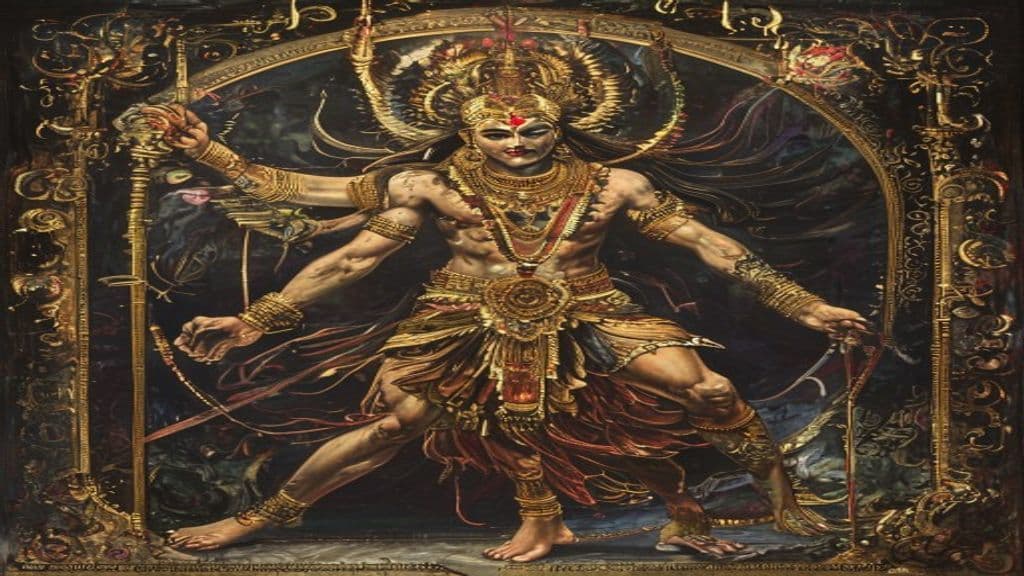
Daikokuten (大黒天) is a syncretic Japanese deity of fortune, wealth, and household/professional prosperity. Originating from the Buddhist/Hindu figure Mahākāla and transformed within Chinese and Japanese religious contexts, Daikokuten functions as a protector of monastic kitchens and, in Japan, as a beneficent patron of farmers, cooks and occupations tied to money.

Daimon Hellstrom
Greater

Daimon Hellstrom

Daimon Hellstrom is a fictional Marvel Comics character, presented in-universe as the human son of an infernal being and a mortal woman. Portrayed variously as an occult investigator/exorcist, sorcerer, and at times ruler of an infernal dimension, his stories explore the struggle between inherited demonic heritage and chosen humanity.

Daimōn
Lesser

Daimōn

In ancient Greek thought a daimōn is a divine or semi-divine presence occupying a middle position between gods and humans: a mediator, allotter of fate, guardian spirit, or the incorporeal continuation of important mortals. Daimones can be benevolent or malevolent and are treated variably in religious, poetic, and philosophical sources.

Daini (Aturi Daini)
Lesser

Daini (Aturi Daini)

Daini (also attested as "Aturi Daini" in bibliographic metadata) is a term attested in the metadata of a mid-20th-century Bengali story collection. In the supplied sources the term appears only as a catalog/keyword and no folkloric description, powers, rituals, or consistent taxonomy are documented.

Daiphron
Minor Spirit

Daiphron

Daiphron (Ancient Greek: Δαΐφρων, 'warlike' or 'prudent') is a personal name borne by at least two princes, sons of King Aegyptus, in the Greek Danaid cycle. Each Daiphron appears in genealogical lists as a husband of a daughter of Danaus and is slain on his wedding night in those accounts.

Daitya
Ancient

Daitya

Daitya (Sanskrit: दैत्याः) denotes a hereditary race or clan of powerful asura-type beings in Hindu purāṇic and epic tradition, described as the descendants of the sage Kaśyapa by his wife Diti. They appear in genealogies and narratives as collective kin-groups whose notable members (e.g., Hiranyaksha, Hiranyakashipu, Mahabali) confront the devas and provoke divine (Viṣṇu) avatāras.

Daji
Greater

Daji

Daji (妲己, Dájǐ) is a figure in Chinese narrative and popular religious-cultural materials who blurs human and spirit categories: historically remembered as the favorite consort of King Di Xin of Shang but in later legend and fiction identified as a fox‑spirit (often a nine‑tailed or thousand‑year fox) that possessed or impersonated the woman and precipitated moral and political decline.

Daken (Akihiro)
Greater

Daken (Akihiro)

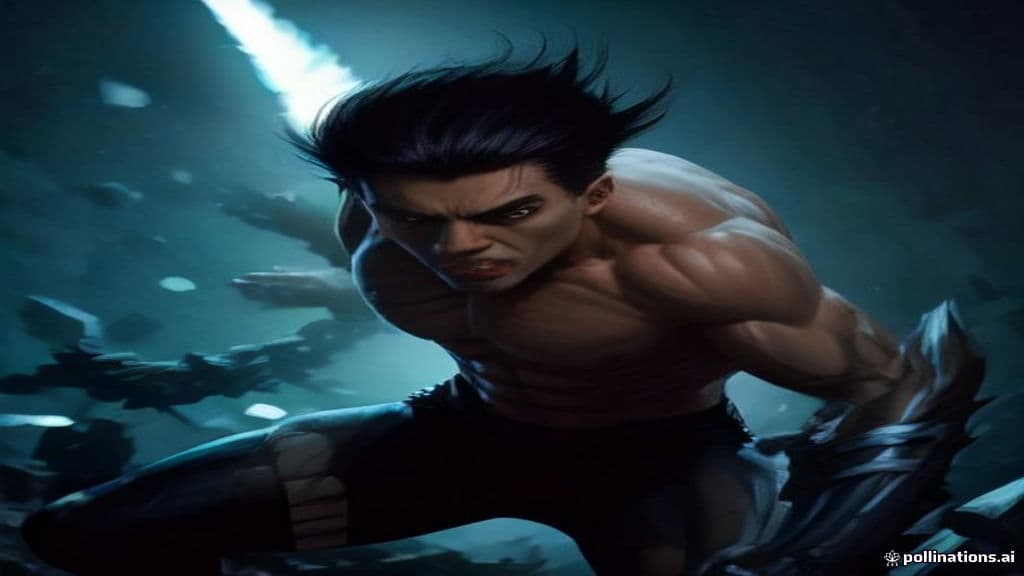
Daken (Akihiro) is a fictional Marvel Comics character: the mutant son of Wolverine who was raised and conditioned by Romulus. Introduced in Marvel's Wolverine titles, he has served alternately as antagonist, antihero, and later a reformed team member, and at one point becomes bonded to a demon called Bagra-ghul.

Dakinī
Greater

Dakinī

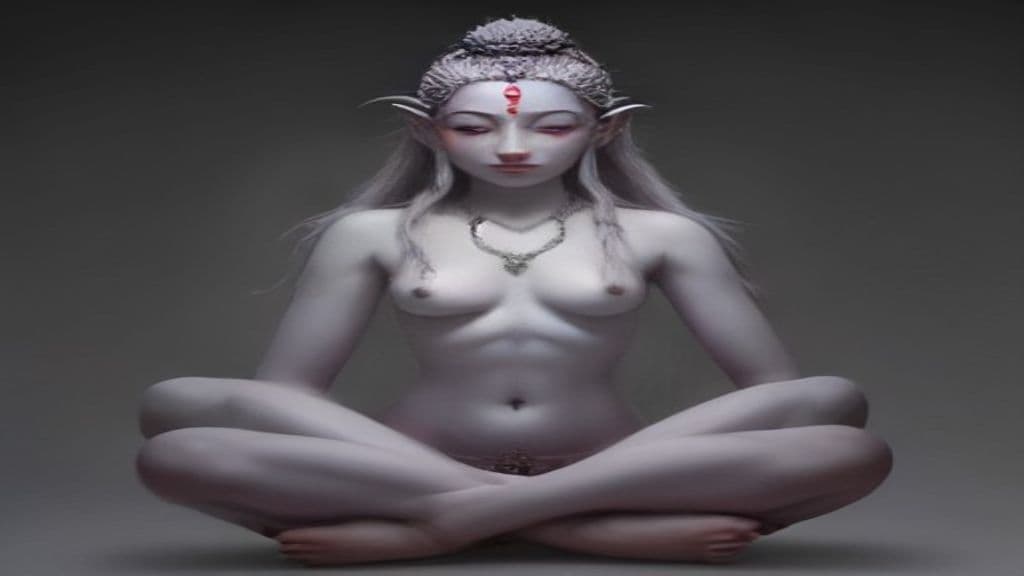
A dakini is a feminine spiritual figure attested in Hindu and Buddhist literature and in Himalayan Vajrayāna cultural contexts; sources in this set characterize the dakini as a type or class of goddess and as a figure embedded in tantric and Himalayan religious landscapes. Specific iconography, powers, and ritual formulas are not documented in the supplied sources.

Dakkhin Rai
Greater

Dakkhin Rai

Dakkhin Rai is a locally venerated territorial sovereign of the Sundarbans (mangrove forests of West Bengal, India and Bangladesh), regarded as ruler of beasts and dangerous spirits and commonly associated with the tiger. Forest users propitiate him before entering the mangroves; he features in contested narratives alongside Bonbibi, Shah Jangali and Bara Khan Ghazi.

Dakki (Dakkiya)
Lesser

Dakki (Dakkiya)

Dakki (romanized also as Dakkiya in the query) is presented in the supplied sources as a fictional antagonist in the Japanese manga Hoshin Engi. Within the manga's summary she is described as a Sennin who murdered the protagonist Taikobo's family; the work itself is inspired by the Chinese novel Investiture of the Gods.

Daksha
Ancient

Daksha

Daksha (Sanskrit: दक्ष) is a mythic Prajapati and creator-agent in Hindu textual tradition, remembered as a progenitor who presides over yajna and begets lineages. He appears in Vedic, Itihasa, and Puranic sources as a ritual expert and patriarch whose actions in the Daksha yajna narrative produce major mythic consequences (Sati's self-immolation, Shiva's wrath, origin of Shakti Peethas).

Daksha yajna
Primordial

Daksha yajna

A significant mythological event in Hindu tradition, the Daksha yajna is a ritual-sacrifice organized by Daksha that has far-reaching spiritual and mythological implications. (Note: - Power tier should be Ancient (deity-level) instead of Primordial, as the Daksha yajna is a significant mythological event caused by the wrath of a deity (Shiva), rather than a cosmic power. - Appear)

Dakuwaqa
Greater

Dakuwaqa

Dakuwaqa is a Fijian shark deity and powerful sea-being who functions in tradition as both a fierce sea monster and a guardian of islands and fishermen. In recorded myths he can threaten islands in specific narratives but also becomes protector of places and is placated by offerings such as kava libations.

Dalaketnon
Greater

Dalaketnon

A Visayan Philippine engkanto lineage associated with Dalakit/Balete trees; portrayed as an elitist, tree‑dwelling supernatural people who host feasts, abduct humans, and bind victims by compelling them to eat enchanted black rice. Contemporary media elaborates additional powers and aristocratic styling.

Dali (Goddess)
Ancient

Dali (Goddess)

Patron deity of hoofed wild mountain animals in Georgian mythology, associated with hunting and the natural world. (Note: 1. Power tier should be Greater, not Ancient, given that Dali's abilities are deity-level but not cosmic. 2. Origin story could benefit from a more direct quote or clearer summary of how she is introd)

Damarwulan
Lesser

Damarwulan

Damarwulan is a Javanese legendary human hero central to a cycle of courtly-epic narratives and stage traditions (wayang klitik, Langendriyan, ketoprak). The figure—whose name is glossed as "radiance of the moon"—is portrayed as a princely warrior who defeats the Blambangan king Menak Jingga, suffers apparent death and is restored by a hermit, and is ultimately crowned in the Majapahit court. The story is especially associated with East Java and the Serat Damar Wulan manuscript tradition.

Damasiclus
Lesser

Damasiclus

Damasiclus (Ancient Greek: Δαμάσικλος / Δαμασίκλου), also called Amasiclus or Amasichus, is a mortal figure in Greek myth genealogies presented as a Spartan son of Icarius. He functions as a kinship node in variant traditions and is chiefly notable for his place in lineages that connect to the eponym Taenarus.

Damastor
Lesser

Damastor

Damastor (Greek: Δαμάστωρ, Damástōr/Damastôr, lit. 'tamer' or 'subduer') is a personal name attested in ancient Greek mythic and epic sources for multiple distinct figures: a Giant who fights in the Gigantomachy and several mortal personages or patronymics (Damastorides) appearing in the Homeric cycle, notably among suitors of Penelope and in Trojan-war genealogies.

Damballa (Damballah)
Ancient

Damballa (Damballah)

Damballa is one of the most important loa (spirits) in West African Vodun and its New World continuations such as Haitian Vodou and related African-diasporic practices. Traditionally associated with serpentine imagery and sometimes depicted as a rainbow, Damballa represents a central, revered presence transmitted from the Whydah/Ouidah region of modern Benin into Caribbean Vodou practice.